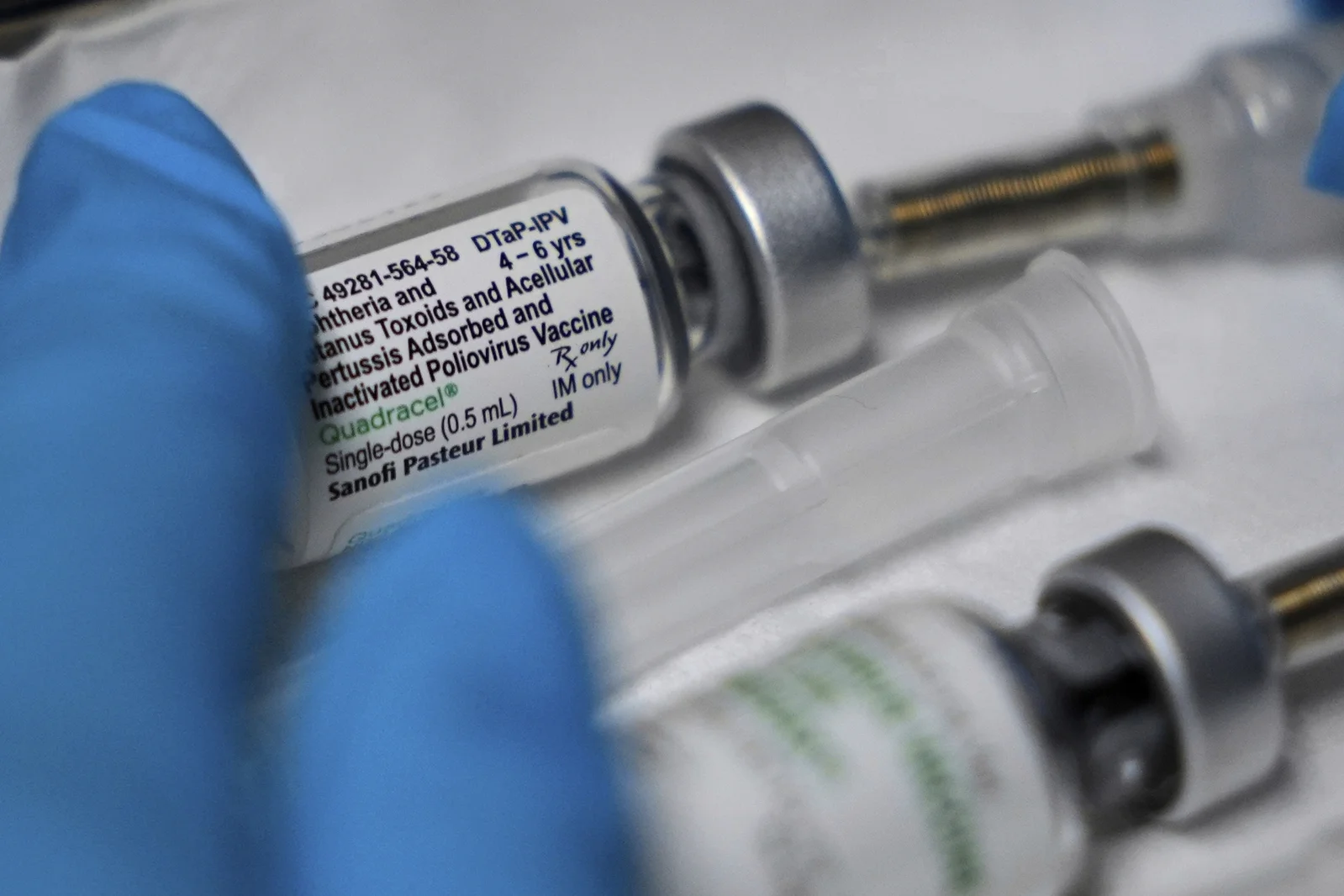
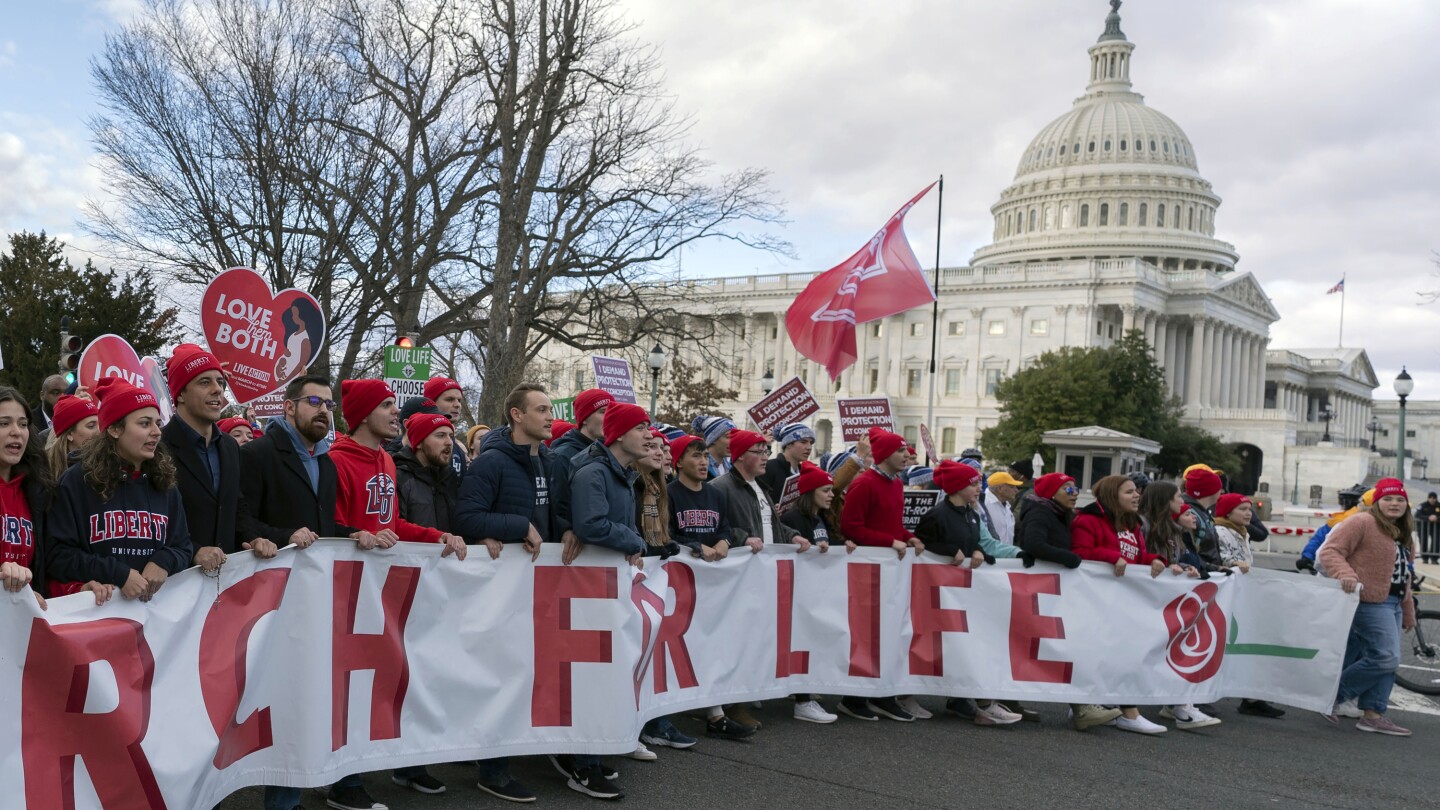
Three confirmed measles cases in the DC area have health officials warning of potential exposures at Reagan National Airport, Metro stations, Catholic University, Union Station, and the March for Life; individuals should verify vaccination status, monitor for symptoms for up to 21 days, and contact health authorities if exposed.
Pro-life health care workers are advocating for pro-family policies and programs to support mothers and families, in addition to legal battles against abortion. The American Association of Pro-Life Obstetricians and Gynecologists (AAPLOG) has seen a significant increase in membership since the Supreme Court's decision in Dobbs v. Jackson, with many health professionals feeling left behind by the pro-choice stances of major medical institutions. Concerns have been raised about the radical positions of these institutions, such as the American College of Obstetricians and Gynecologists (ACOG), which promotes abortion as health care. Pro-life advocates are also emphasizing the need to provide support and assistance to struggling pregnant women and mothers, and are urging pro-life politicians to address the extreme nature of abortion policies in debates.
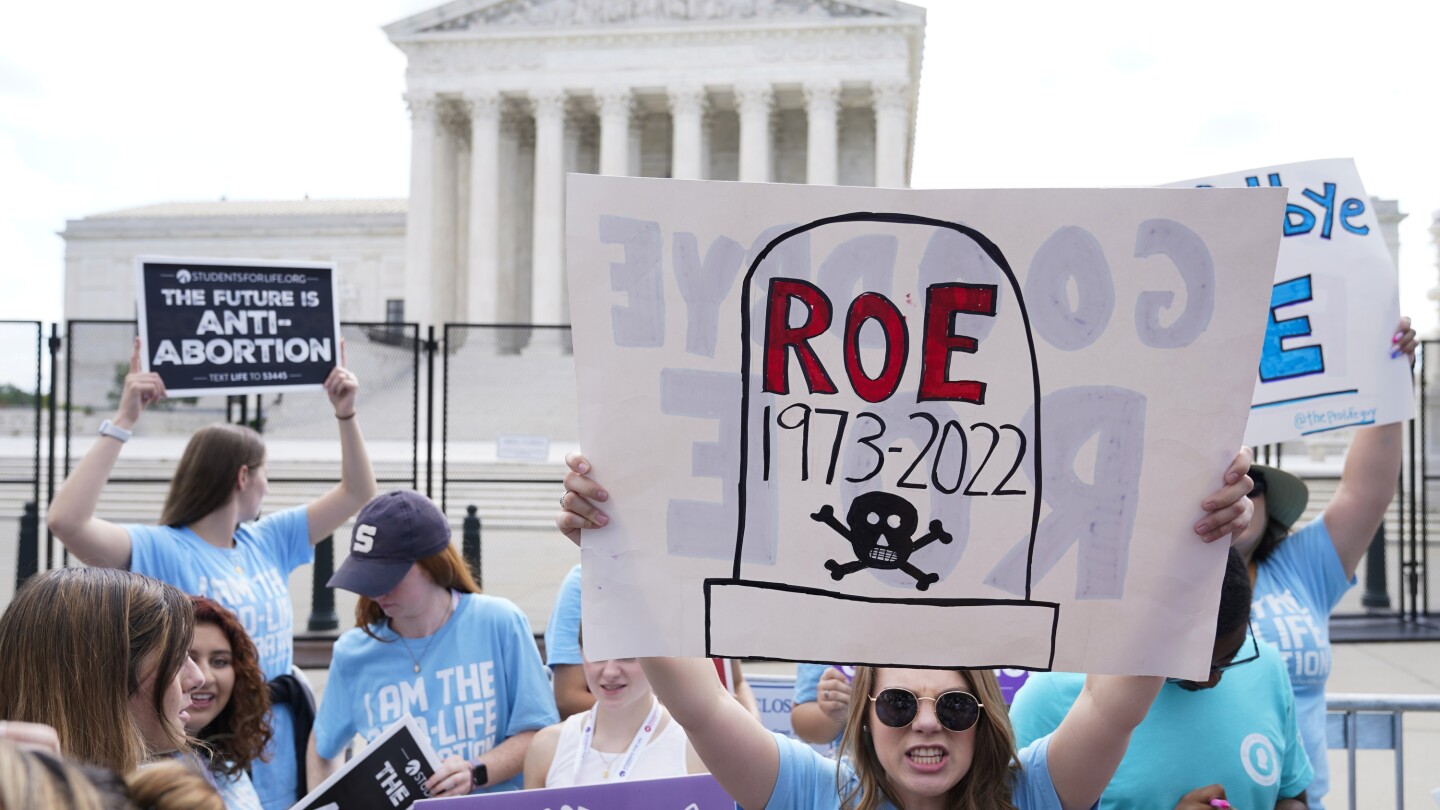
The annual March for Life in Washington D.C. drew pro-life supporters from around the nation, with speakers emphasizing the importance of the issue in the upcoming election. In Johnstown, pro-choice protesters gathered to voice their concerns following the overturning of Roe v. Wade, citing dangerous births and the impact on women's healthcare. Both sides are gearing up for the presidential election, urging people to get involved and pay attention to their rights.
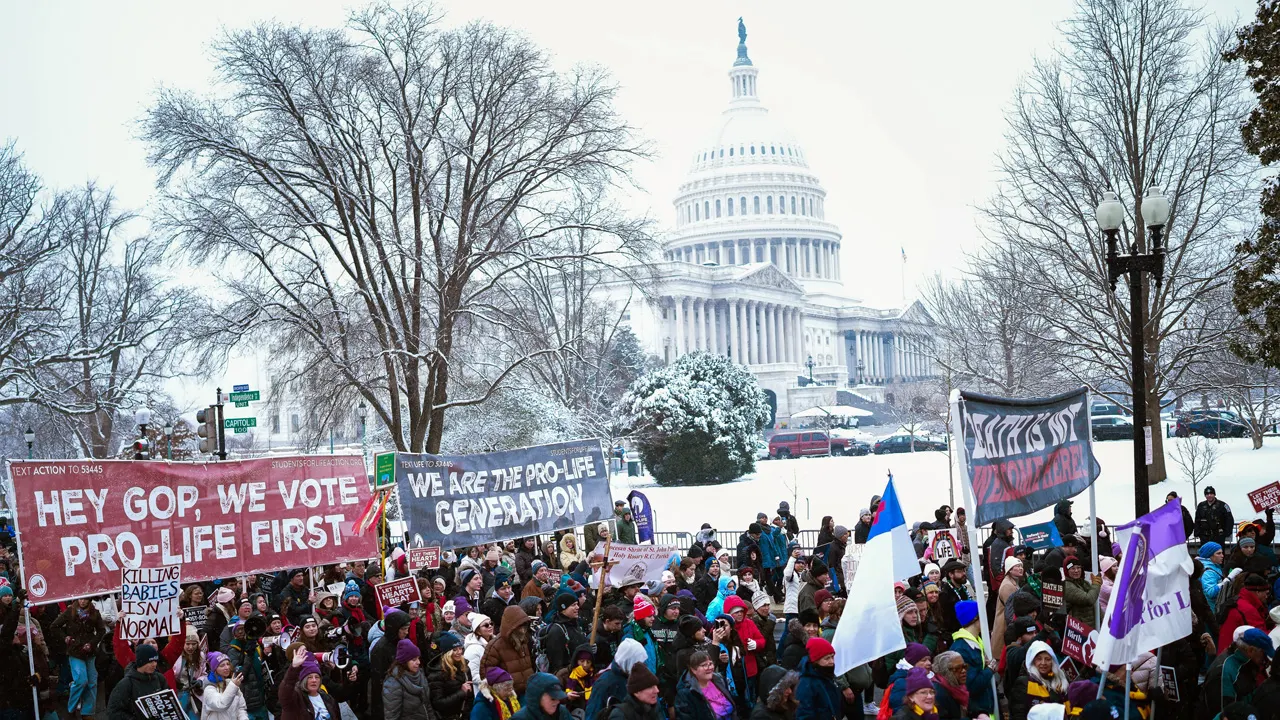
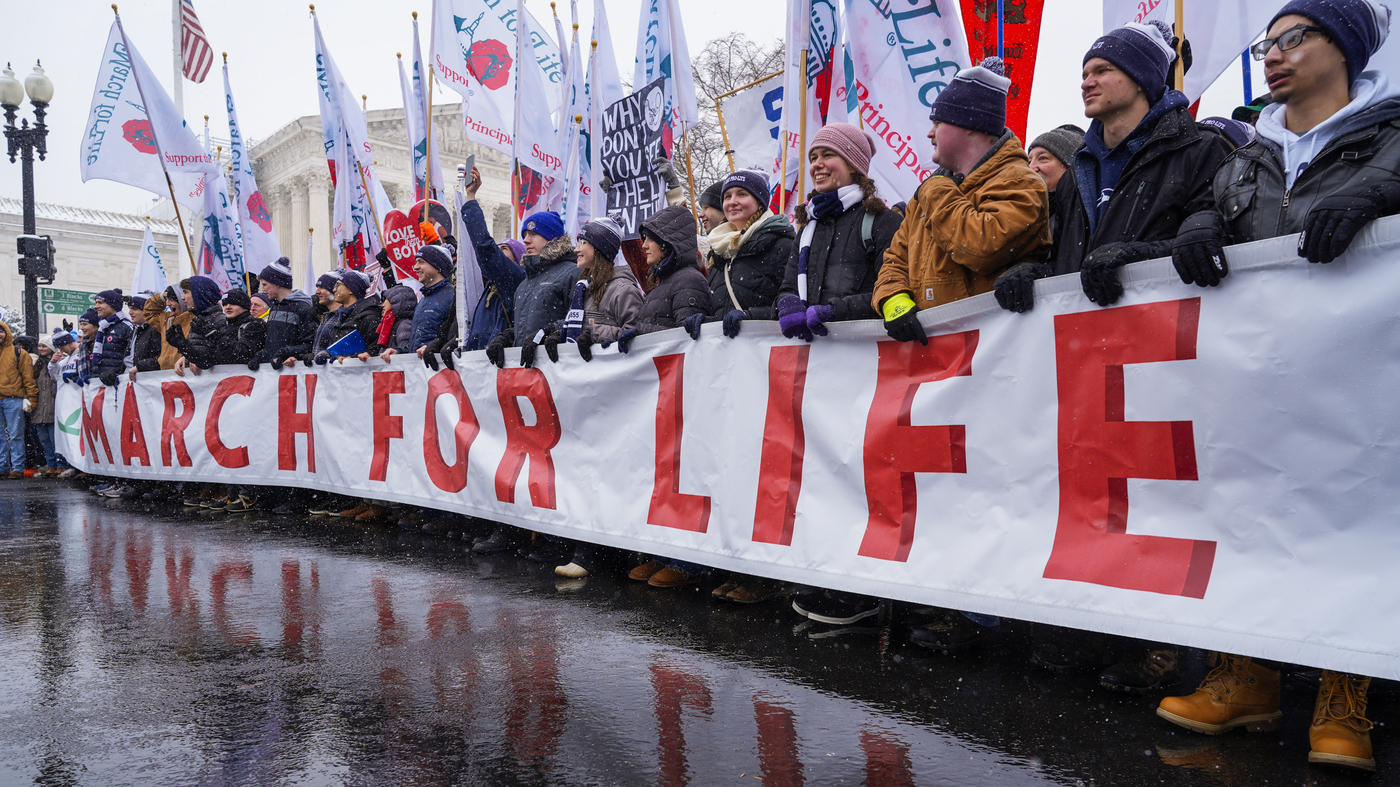
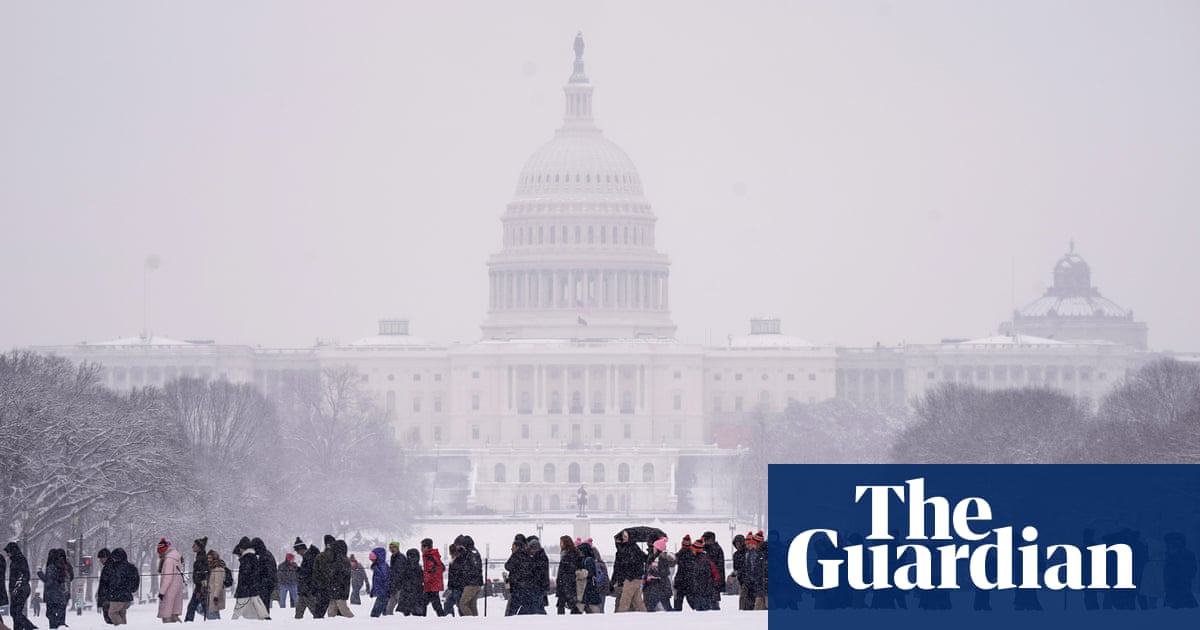
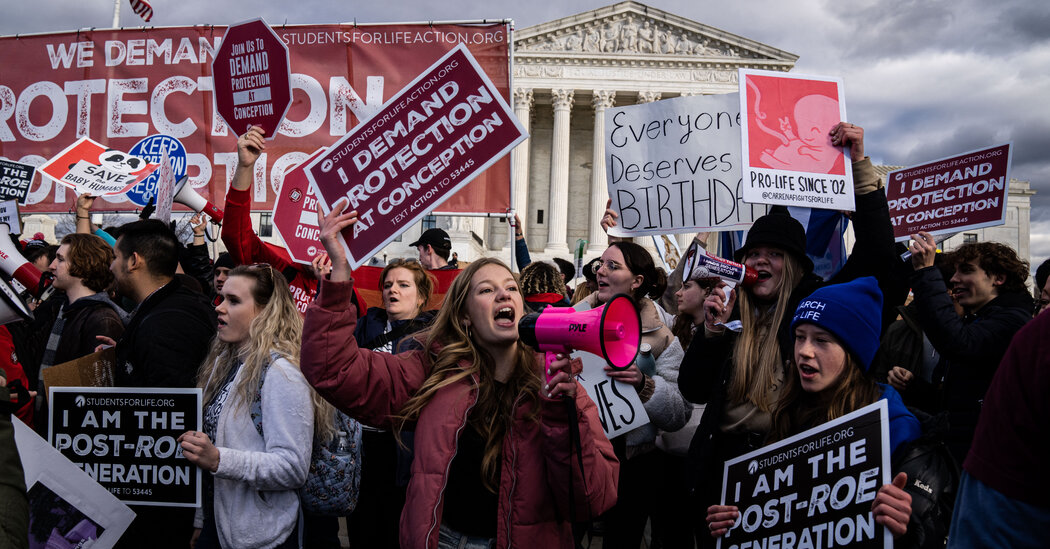
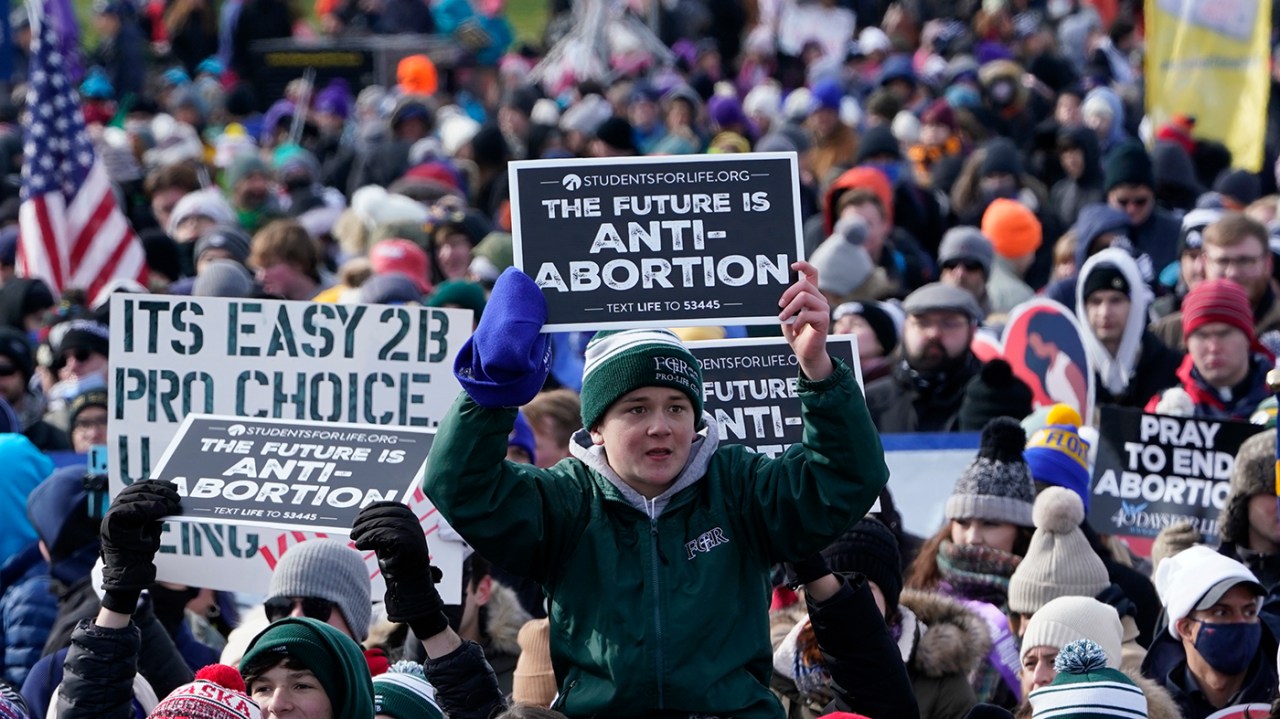
Thousands of anti-abortion activists gathered in Washington, D.C., for the 51st annual March for Life amid cold and snow, signaling a renewed focus on state-level efforts to restrict abortion access following the end of Roe v. Wade. With the decision now left to individual states, activists are gearing up for a prolonged battle, while some still hope for federal action to uniformly protect life.
Anti-abortion activists gathered in Washington DC for the March for Life, seeking to re-energize their movement post-Roe v Wade. Attendees emphasized the need to make abortion "unthinkable" rather than just illegal, with a focus on science and logic. The crowd was relatively sparse, and some expressed mixed views on Trump's stance on abortion. Meanwhile, Democrats are launching a media campaign to target women and swing voters in battleground states, hoping to capitalize on sustained outrage over Roe.
Thousands of anti-abortion activists gathered in Washington, D.C. for the annual March for Life, rallying against abortion and emphasizing the need to maintain pressure on lawmakers despite the recent Supreme Court ruling that overturned Roe v. Wade. Speakers praised the Dobbs decision and urged participants to continue fighting until abortion becomes "unthinkable." While the movement celebrated the ruling, it also acknowledged the ongoing challenges, including mixed results in state legislatures and the expectation of abortion rights becoming a major Democratic rallying cry in the upcoming presidential election.
The annual March for Life in Washington faces a different political climate after the reversal of Roe v. Wade, with the anti-abortion movement encountering setbacks in the court of public opinion and fewer powerful allies. The movement is now focused on state-by-state battles over politics and policy, as well as shifting its messaging to focus on the needs of pregnant women and their families. The Democratic Party is mobilizing in support of abortion rights, while the anti-abortion movement aims to expand its reach at the state level and transfer its persistence into local marches that push for state action.
Opponents of abortion rights gather in Washington, D.C. for the annual March for Life rally, coinciding with House Republican leaders' support for two anti-abortion bills that focus on pregnancy centers and unwanted pregnancies. The bills, passed by the House, align with the event's theme and reflect GOP leaders' avoidance of controversial abortion-limiting legislation. Speaker Mike Johnson and House Pro-Life Caucus Chair Chris Smith are scheduled to address the rally, which is the largest anti-abortion event in the country.
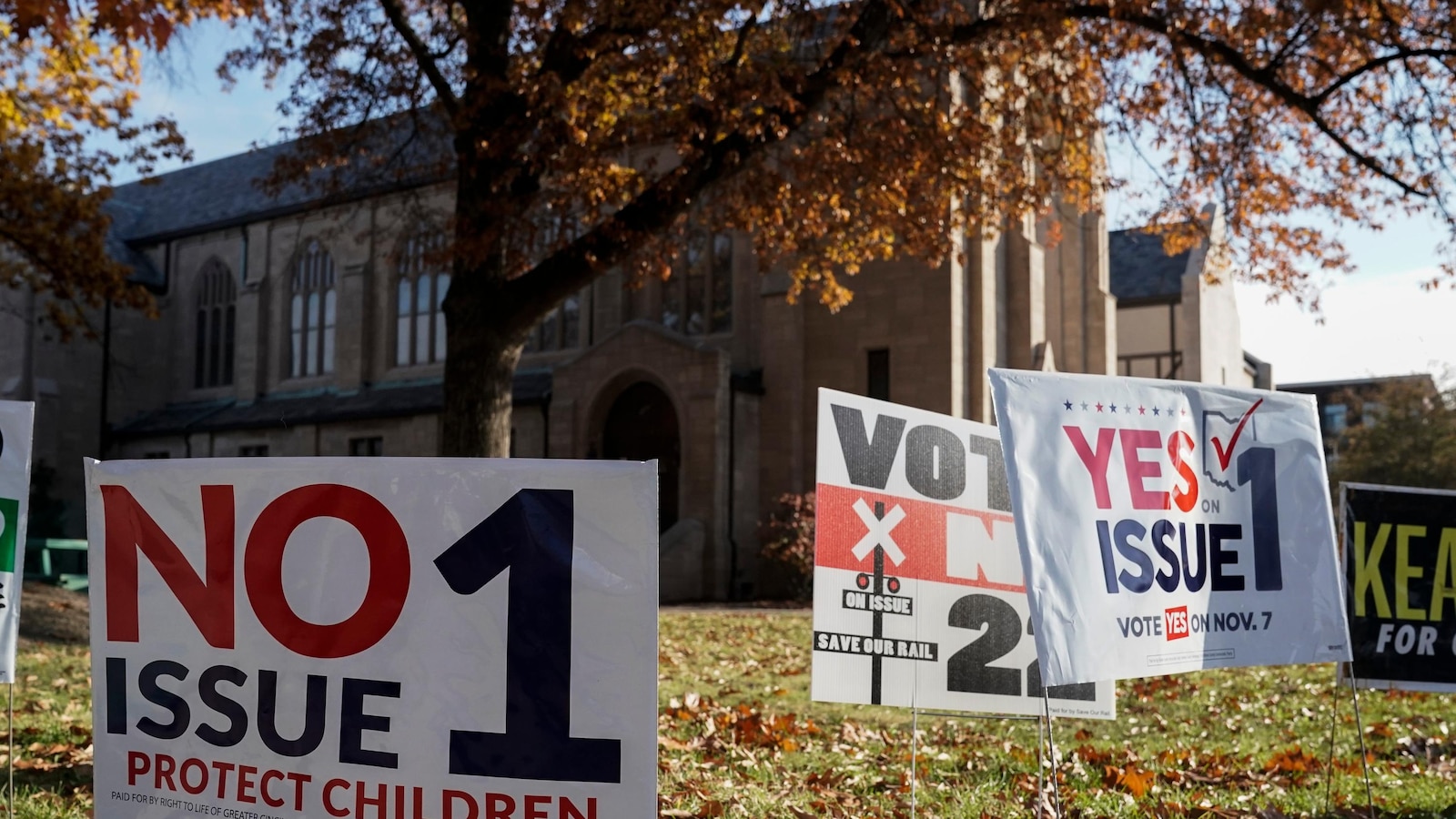
Anti-abortion activists are gathering for their annual March for Life amid challenges, including a seven-state losing streak in votes on abortion-related ballot measures and a shift in decision-making on abortion policy to individual states following the Supreme Court’s Dobbs v. Jackson Women’s Health Organization ruling. The theme of this year’s march is “Pro Life: With Every Woman, For Every Child,” aiming to convey support for women facing unexpected pregnancies. Both sides of the abortion debate are determined, with uncertainty surrounding the inconsistent adjudication of abortion-related cases in federal and state courts, and concerns about potential federal and state legislative actions.
Anti-abortion activists are preparing for a challenging year as they face a seven-state losing streak in votes on abortion-related ballot measures and the potential for more abortion-rights ballot measures in the upcoming election. The Supreme Court's Dobbs v. Jackson Women’s Health Organization ruling has returned decision-making on abortion policy to individual states, leading to a wave of state bans and restrictions. Both sides of the abortion debate are gearing up for a persevering battle, with uncertainty surrounding the potential impact of federal and state court decisions, as well as the possibility of federal legislation that could override state abortion bans.
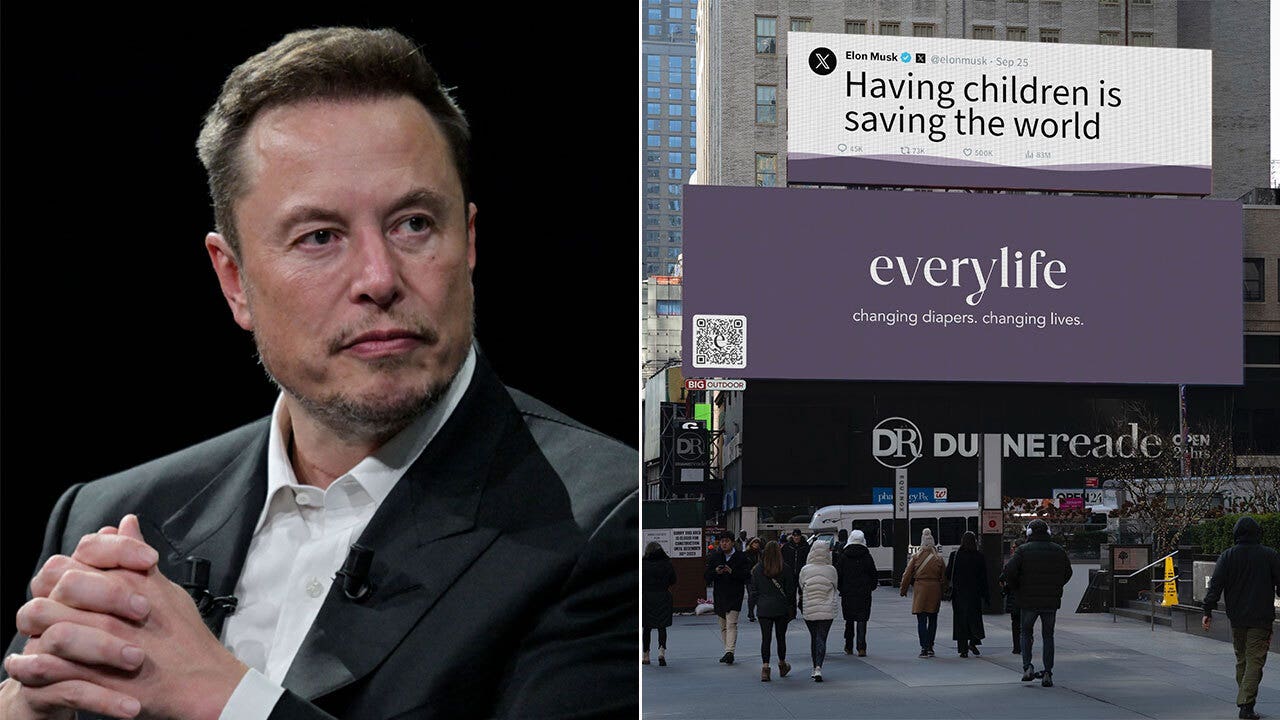
Pro-life diaper company EveryLife has launched its "Make More Babies" campaign with a Times Square billboard featuring a quote from Elon Musk stating, "Having children is saving the world." The campaign aims to combat "population control ideologies" and will coincide with the upcoming March for Life rally. EveryLife, a financial partner of the pro-life group Live Action, emphasizes its support for parenthood and offers discounts to pro-life organizations and nonprofits.