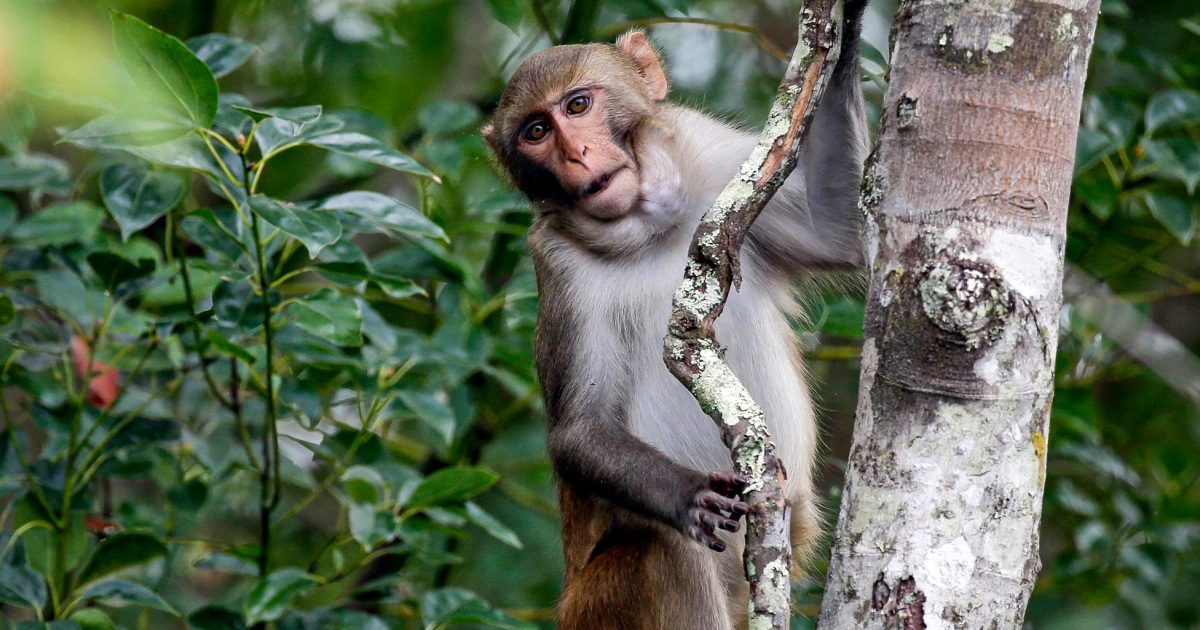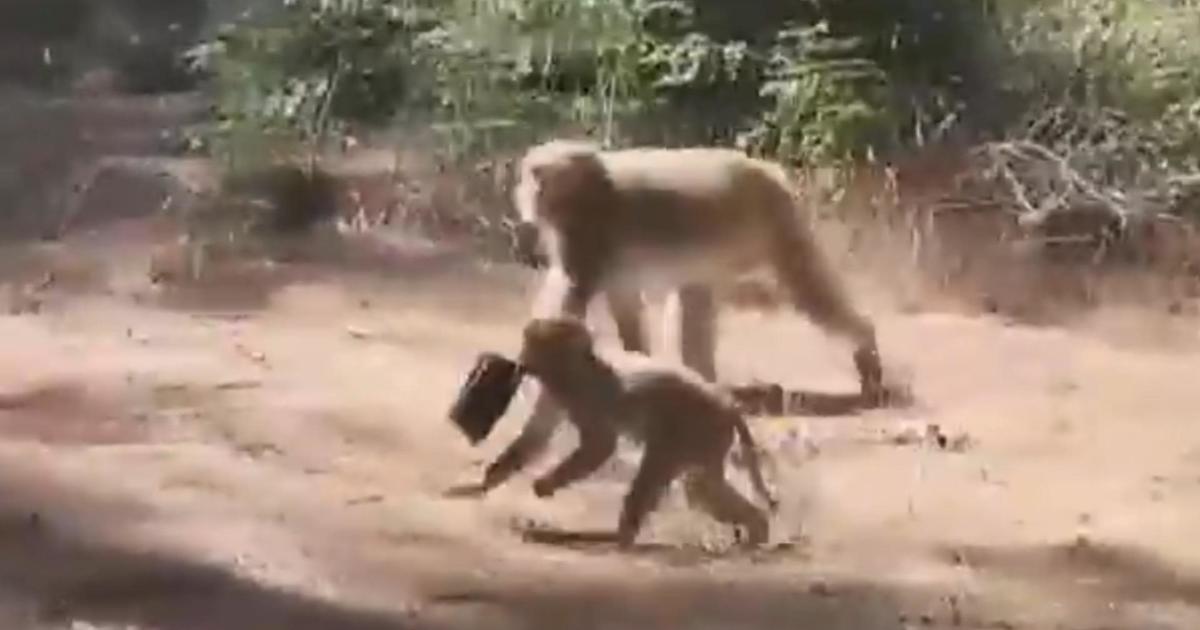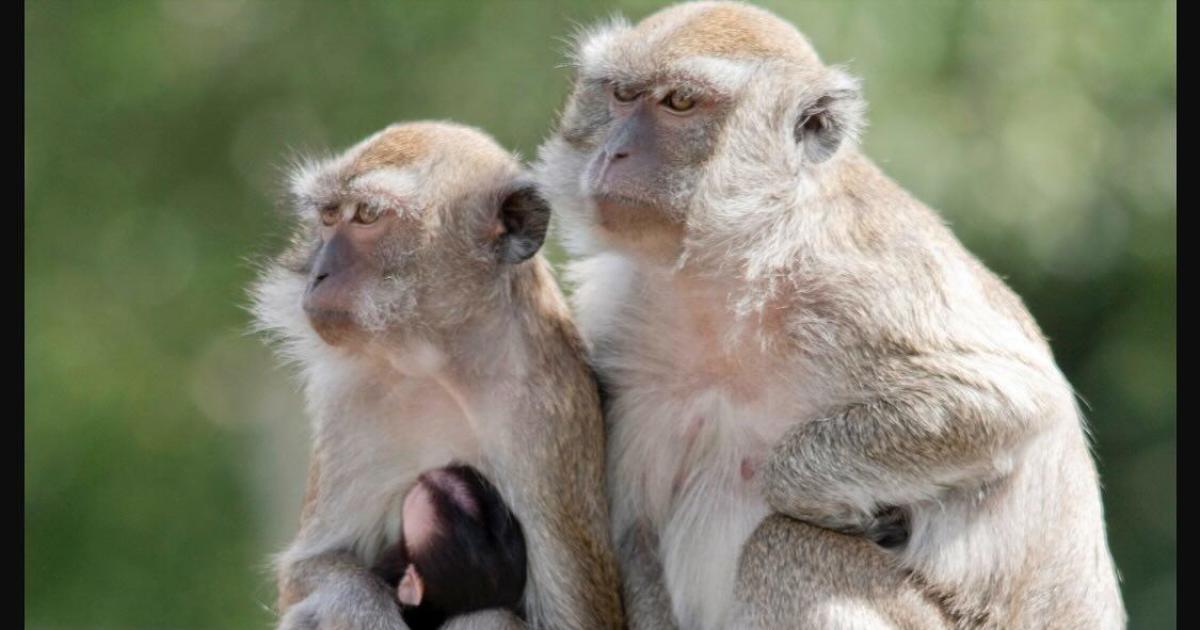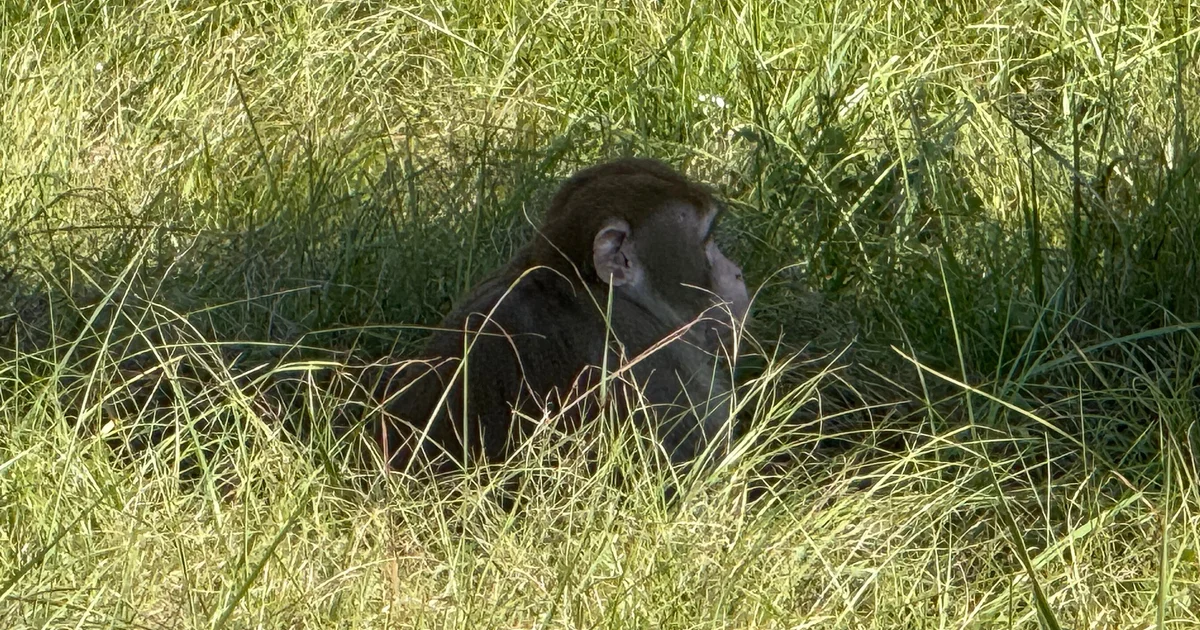
A woman in Mississippi shot and killed an escaped monkey out of fear for her children's safety after a truck carrying rhesus macaques overturned, releasing the primates into the wild. The monkeys, originally from a biomedical research facility, were mostly killed in the crash, with authorities confirming they were not infectious but still considered dangerous due to their aggressive nature.
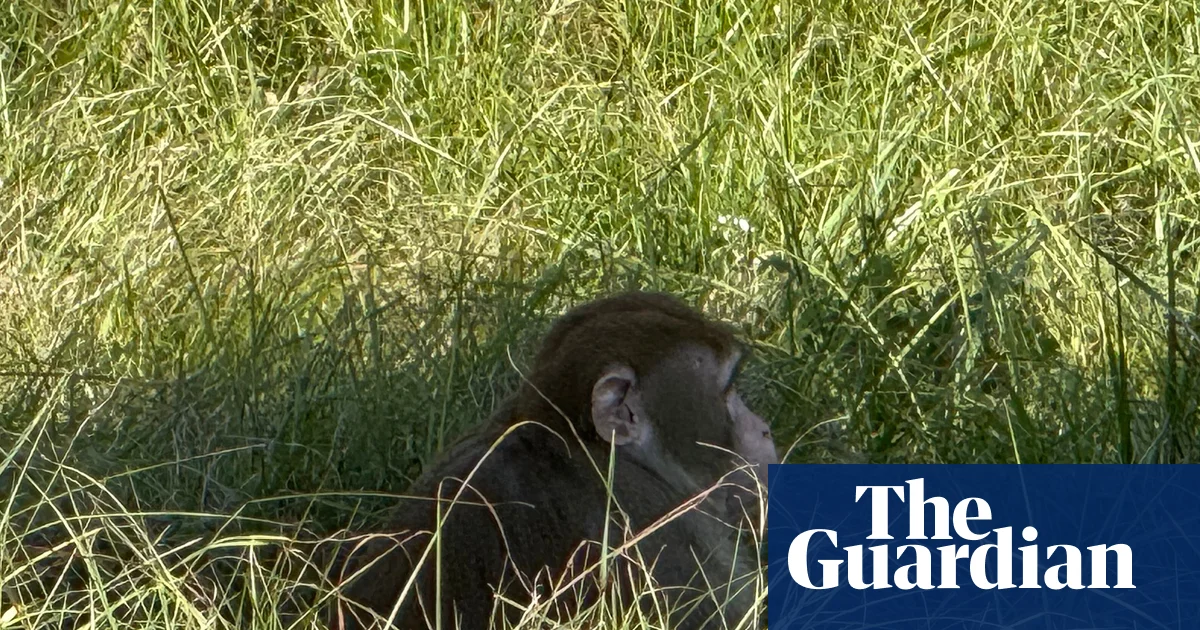
A woman in Mississippi shot and killed a monkey that escaped from an overturned truck, fearing for her children's safety and due to concerns about disease, while other monkeys remain at large and are being searched for by wildlife authorities.
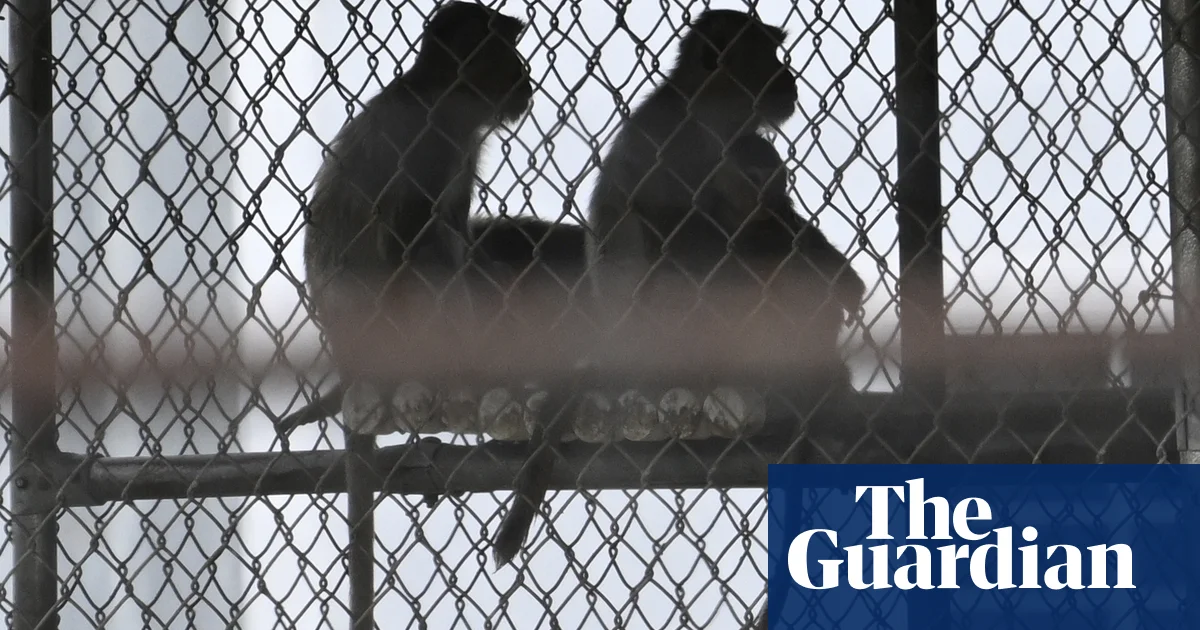
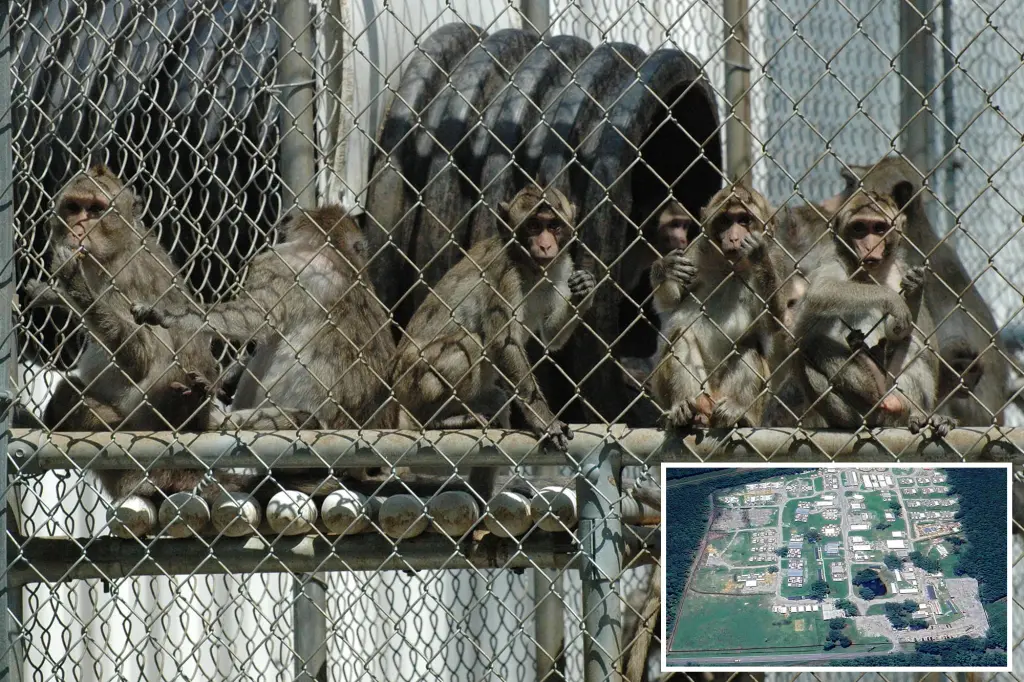
Eight monkeys remain at large after escaping from the Alpha Genesis research facility in South Carolina, with 35 recaptured. The escape has raised concerns about the facility's safety and animal welfare practices, as it is not the first incident of its kind. Local authorities and residents have been advised to avoid the area, and efforts to recapture the monkeys continue. The incident has drawn attention from Congresswoman Nancy Mace, who has called for an inquiry into the facility's operations and history of violations.
One of the 43 monkeys that escaped from the Alpha Genesis research facility in South Carolina has been found unharmed, while others remain nearby. The monkeys, all young female Rhesus macaques, escaped due to human error when a caretaker failed to secure enclosure doors. Efforts to recapture them continue, with police using thermal technology and traps, and staff enticing them with food. The public is advised to avoid the area to prevent startling the animals, and to report any sightings to authorities.
In Yemassee, South Carolina, 43 Rhesus macaque monkeys escaped from the Alpha Genesis research facility after a caretaker failed to secure a door. Efforts to recapture the primates are ongoing, with one monkey successfully recovered. The facility is using food and humane traps to lure the animals back, while urging the public to avoid the area and refrain from using drones, which can startle the monkeys. There is no public health risk, and the community is advised to report sightings to 911 without approaching the animals.
Forty-three Rhesus macaque monkeys escaped from the Alpha Genesis research facility in Yemassee, South Carolina, after a caretaker failed to secure a door. The facility and local authorities are using humane traps and thermal imaging to recapture the primates, which are young and pose no health risk. The public is advised to avoid the area to prevent startling the animals, and residents should keep doors and windows closed. Efforts to lure the monkeys back with food have seen some success, but none have been fully recaptured yet.
Forty-three Rhesus monkeys escaped from the Alpha Genesis Primate Research Center in Yemassee, South Carolina, after a worker left their enclosure door open. The monkeys, which are not carrying diseases, have been spotted in the area but remain uncaptured. Police have advised locals to avoid approaching the animals, which are described as harmless but easily startled. This incident follows a similar escape of 11 monkeys from the same facility in 2022.
Forty-three rhesus macaque monkeys escaped from the Alpha Genesis research facility in Yemassee, South Carolina, after a caretaker failed to secure an enclosure door. The monkeys, which are young females not yet used for testing, remain near the facility, evading capture despite baited traps and thermal imaging efforts. Residents have been advised to secure their homes and avoid contact with the monkeys. Alpha Genesis has a history of USDA violations, including previous monkey escapes.
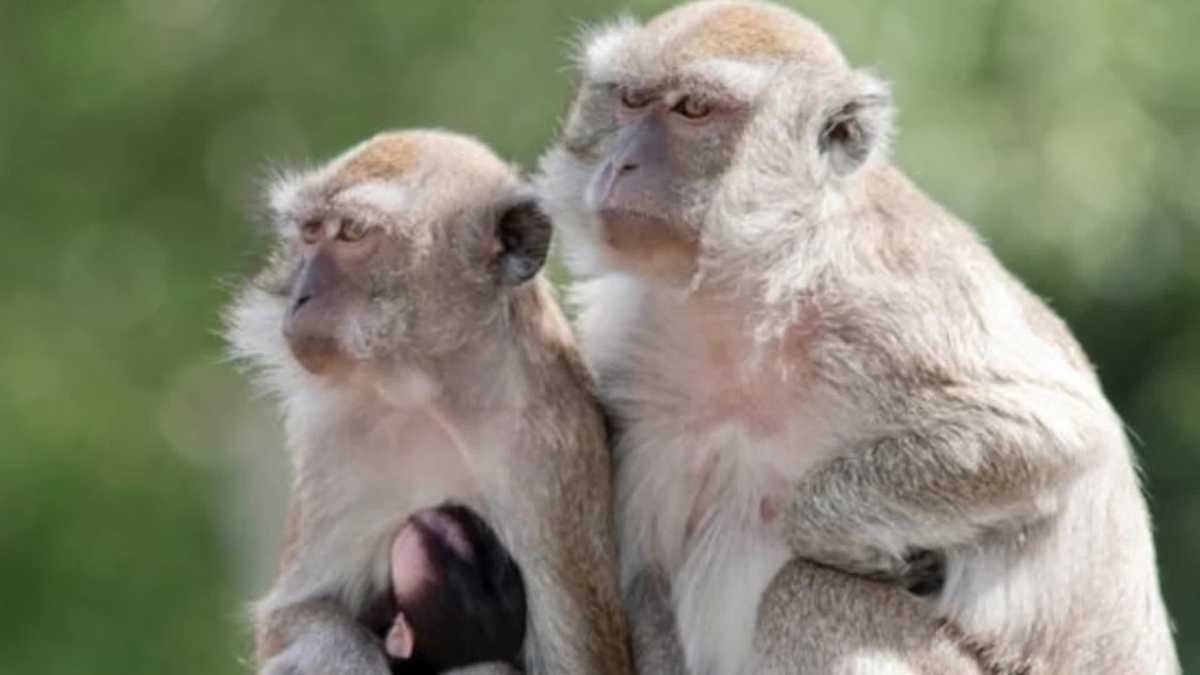
In South Carolina, 43 monkeys escaped from the Alpha Genesis research facility after a caretaker failed to secure two doors. The monkeys, young females weighing 6 to 7 lbs, are loose in a wooded area near Yemassee. Police urge locals to avoid the area and call 911 if they spot the primates. The facility is using food to lure the monkeys back. This incident raises concerns about the ethics of primate research, with animal rights groups advocating for non-animal research methods.
In Yemassee, South Carolina, 43 rhesus macaque monkeys escaped from the Alpha Genesis Primate Research Center due to human error. Residents are advised to secure their homes and avoid interacting with the monkeys, which are nonviolent but skittish. Efforts to recapture the primates include setting traps and using thermal imaging. This incident follows a similar escape in 2016 from the same facility.
Authorities in South Carolina have advised residents to secure their homes after 43 rhesus macaque monkeys escaped from the Alpha Genesis research facility in Beaufort County. The Yemassee Police Department is using traps and thermal imaging to locate the primates, and residents are urged to contact 911 if they spot any of the animals. Alpha Genesis, which breeds monkeys for research, has experienced similar escapes in the past, but assures there is no health risk from the current situation.
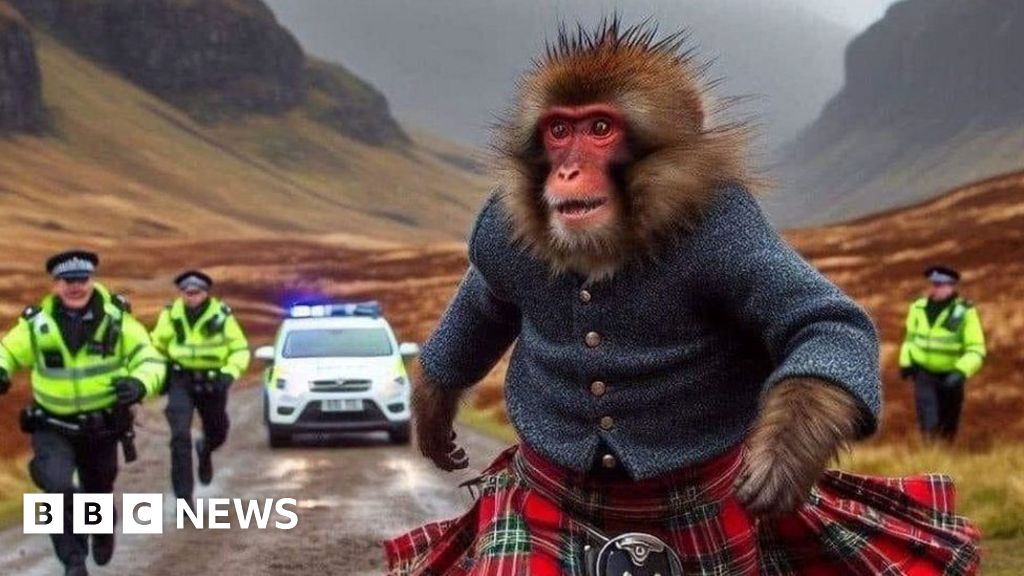
A Japanese macaque named Honshu escaped from a Scottish wildlife park, sparking a wave of online memes and AI-generated images, including ones depicting the monkey fleeing from police and as the new manager of Aberdeen FC. Dubbed "King-craig Kong" by some, Honshu was captured after five days on the run and is set to be reintroduced to his troop following a health check. Various businesses and social media users joined in on the fun, creating and sharing images of the escaped monkey.