Tag

Alma Telescope

All articles tagged with #alma telescope

astronomy1 year ago

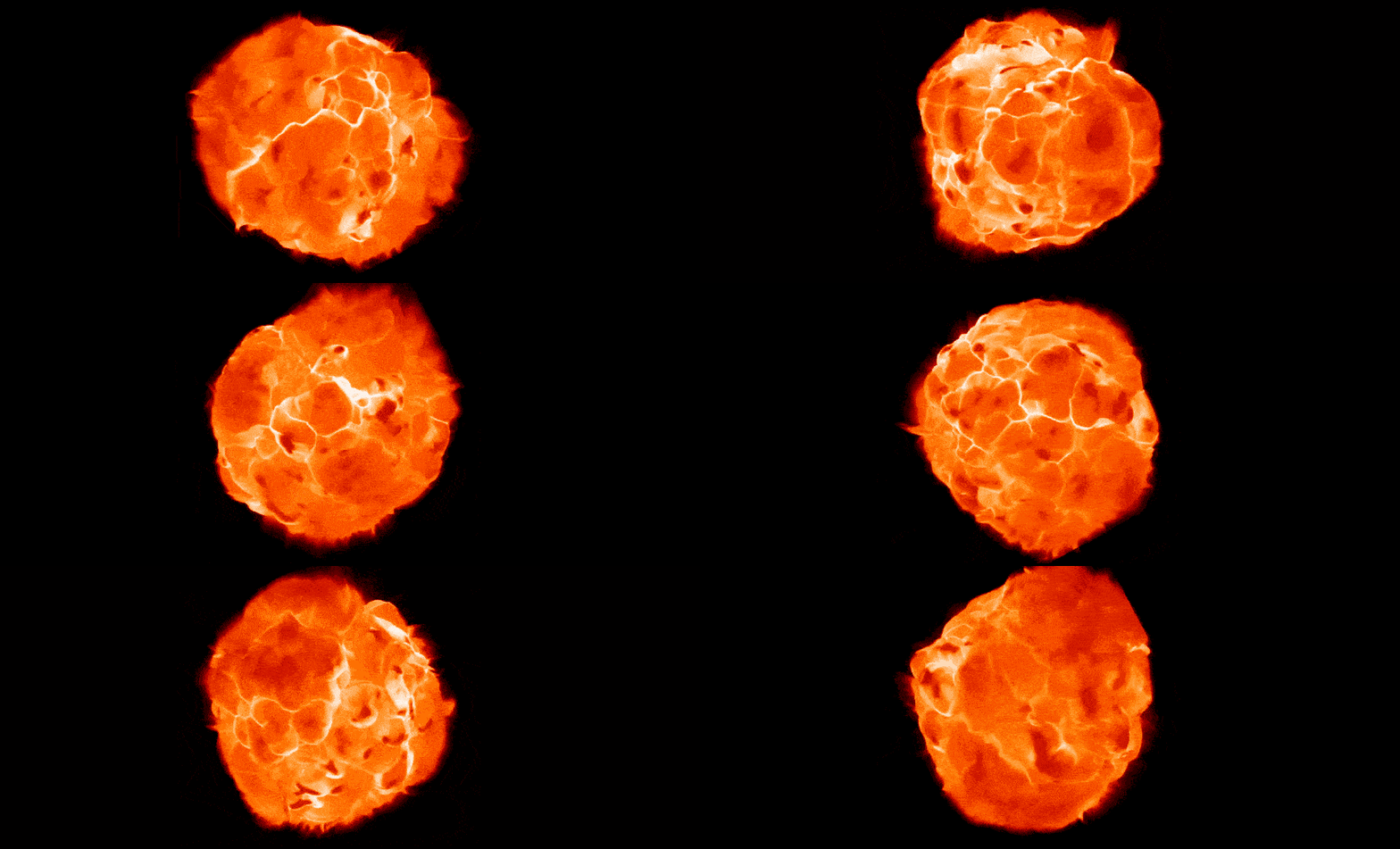
"Betelgeuse's Baffling Behavior: A Giant Star Defying Astrophysics"

New research suggests that Betelgeuse's apparent fast rotation may be an illusion caused by its turbulent, convective surface rather than actual rapid rotation. Observations from the ALMA telescope, which previously indicated high rotation speeds, may actually be detecting the effects of the star's violent convection. Further high-resolution observations are needed to clarify Betelgeuse's true rotation speed, which could provide insights into its evolution and behavior as a red supergiant star.

astronomy1 year ago

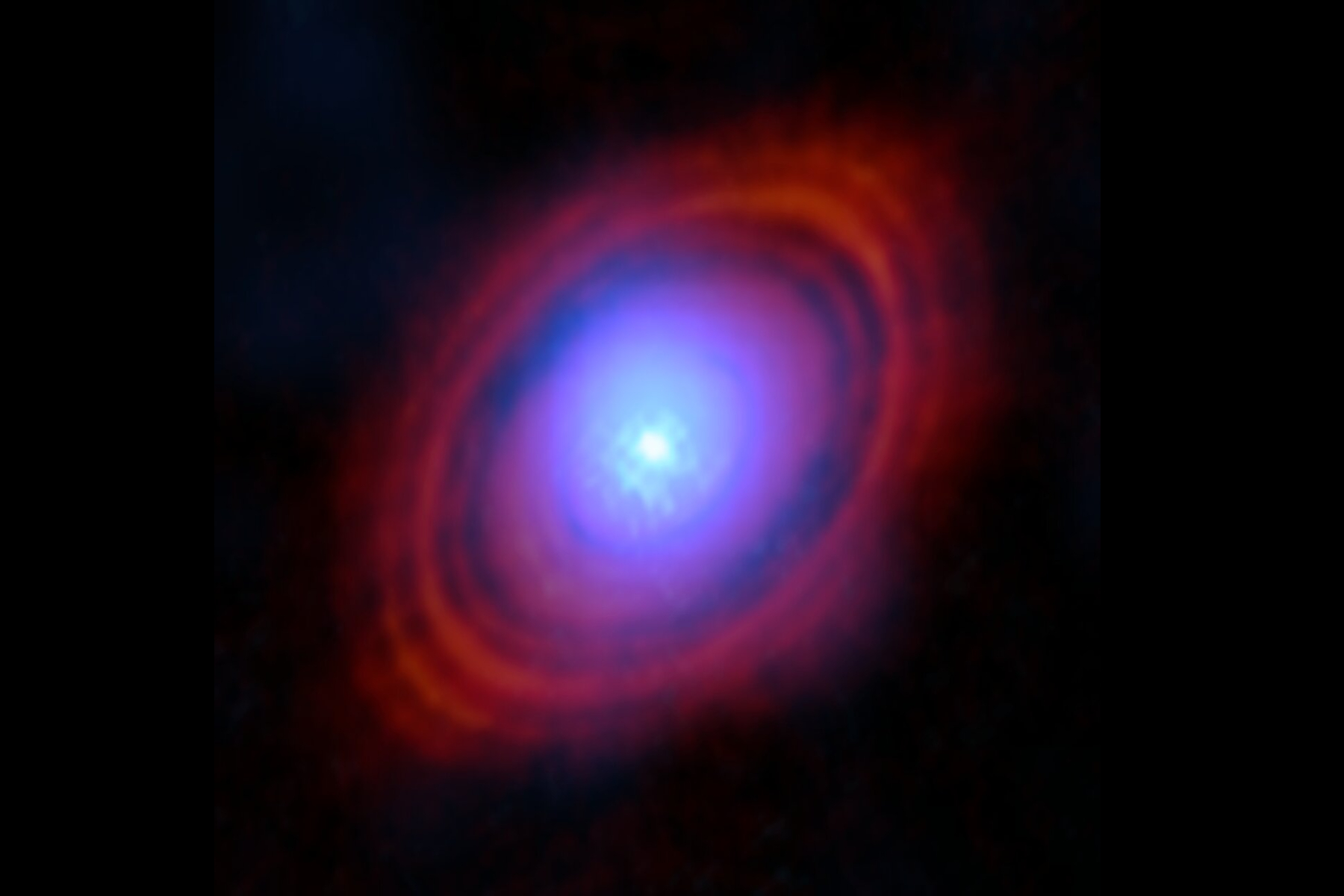
"Unprecedented Discovery: Baby Star's Planet-Forming Disk Holds Surprising Water Reserves"

Astronomers have made a groundbreaking discovery of water vapor in a protoplanetary disk around a young star, shedding light on the formation of planets. The observations, made using the ALMA telescope, suggest that water may play a crucial role in planet formation by freezing onto dust particles and aiding in the aggregation of planetary building blocks. This finding provides new insights into the early stages of planetary formation and may offer clues about Earth's own formation over 4 billion years ago.

astronomy1 year ago

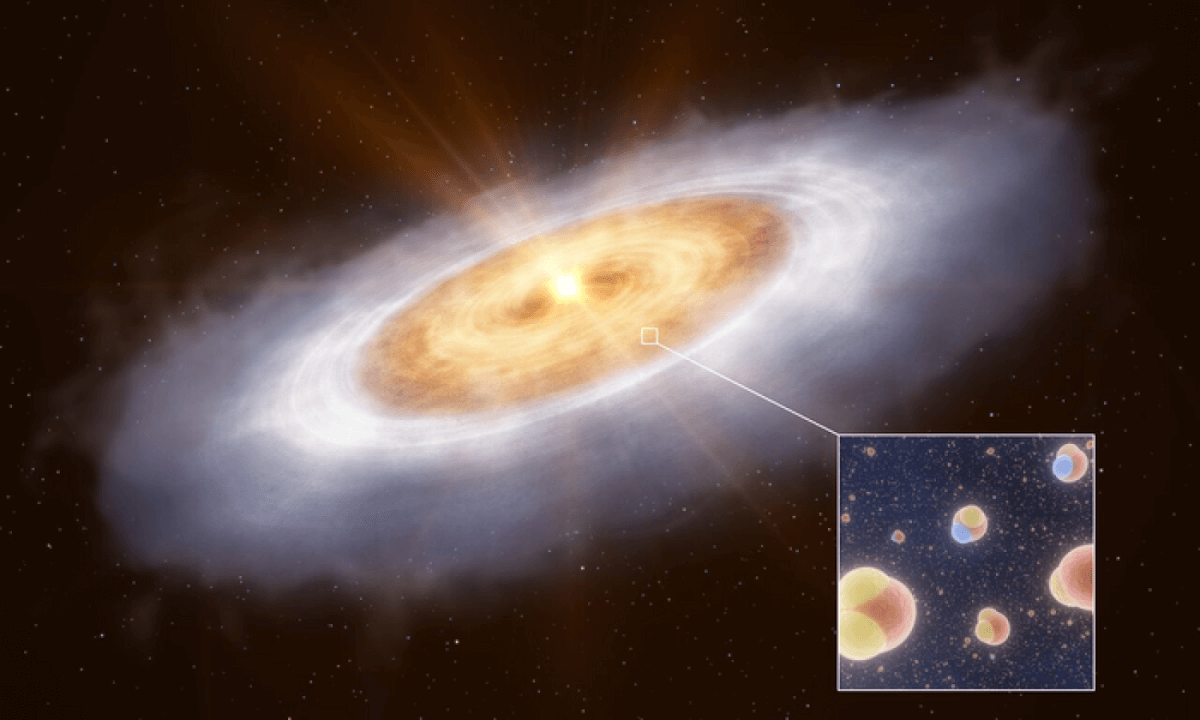
Discovery of the 'Missing Link' in Solar System Water Creation

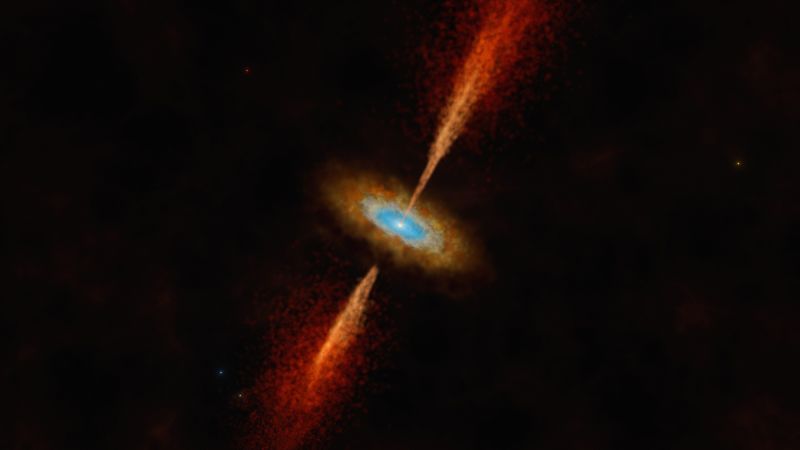
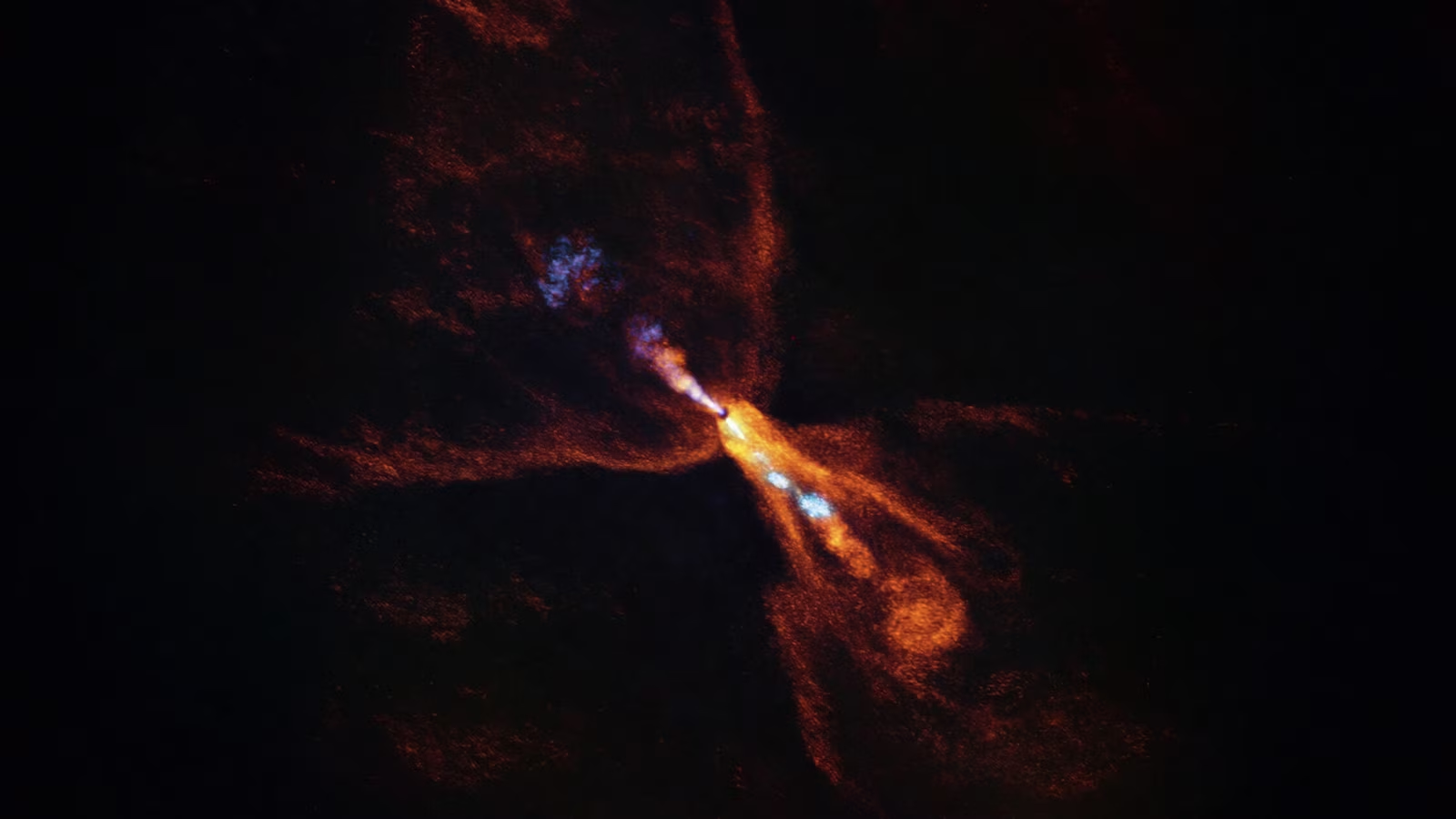
Astronomers have discovered gaseous water in a planet-forming disc around the star V883 Orionis, located 1,300 light years away, tracing the origins of Earth's water to before the formation of the Sun. This finding is considered the "missing link" in understanding the evolution of life. The discovery, made using the ALMA telescope in Chile, could aid in identifying planets or moons with potential for extraterrestrial life and confirms that water in planetary systems formed billions of years ago in interstellar space, inherited by both comets and Earth relatively unchanged.

astronomy2 years ago

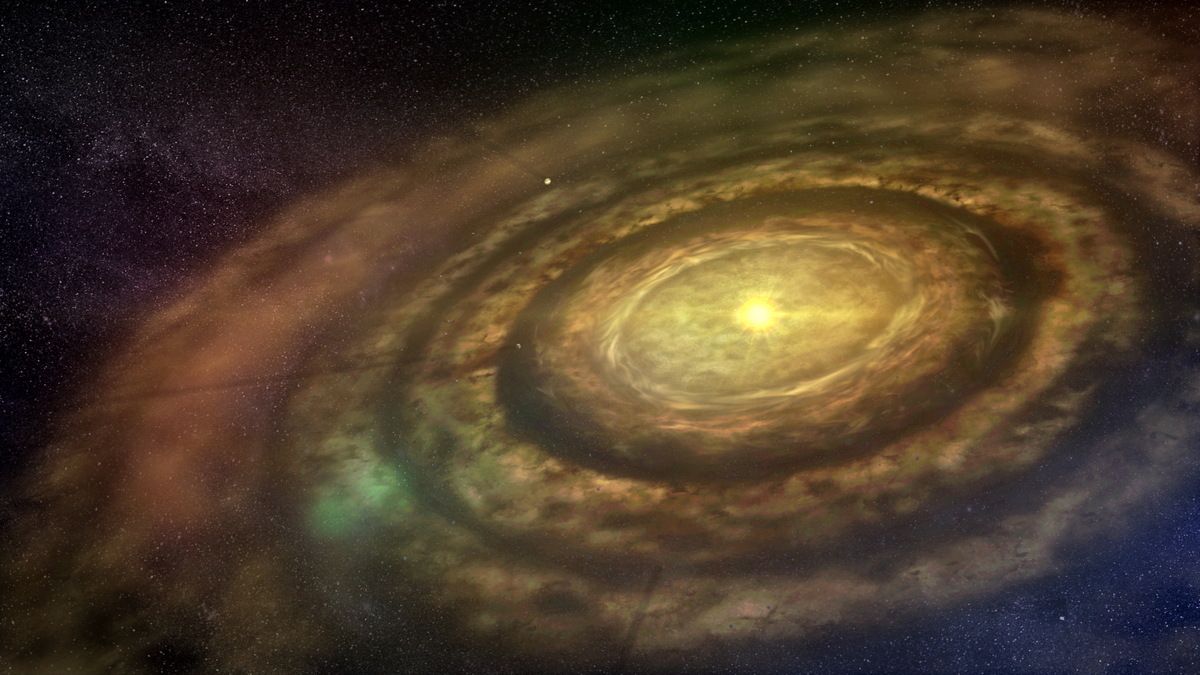
"ALMA Telescope Photos Reveal Rapid Planet Formation"

New photos from the ALMA telescope reveal dusty, gas-rich disks around young stars within 700 light-years of Earth, shedding light on the early stages of planet formation. These disks exhibit donut-shaped structures, multiple rings, and spiral patterns, challenging the belief that planet-forming disks need at least two million years to produce worlds like those in our solar system. The findings suggest that giant planet formation may begin much earlier than previously thought, and studying these protoplanetary disks could provide crucial insights into the early stages of planet formation and the evolution of planetary systems.

astronomy2 years ago

First-Ever Planet-Forming Disk Found Beyond the Milky Way

Astronomers have discovered a young star, HH 1177, outside the Milky Way galaxy that is surrounded by a dense disk where planets may form. This unprecedented find in the neighboring dwarf galaxy, the Large Magellanic Cloud, could provide valuable insights into star and planet formation. The star's disk was observed using the ALMA telescope, and its presence was confirmed by measuring the movement of dense gas around the star. This discovery marks the first direct evidence of an extragalactic accretion disk, shedding light on the formation of stars and planets in other galaxies.

astronomy2 years ago

"Revolutionary Discoveries Challenge High-Mass Star Formation Theories"

Astronomers using the ALMA telescope have discovered over 800 potential star seeds within 39 infrared dark clouds, suggesting that high-mass star formation differs fundamentally from low-mass star formation. The study indicates that denser cores, rather than simply more massive cores, may be the precursors to high-mass stars. This challenges our current understanding of star formation and highlights the need to broaden our knowledge of high-mass star creation.

astronomy2 years ago

Unveiling the Cosmic Journey: Galaxies' Formation and Growth in the Early Universe

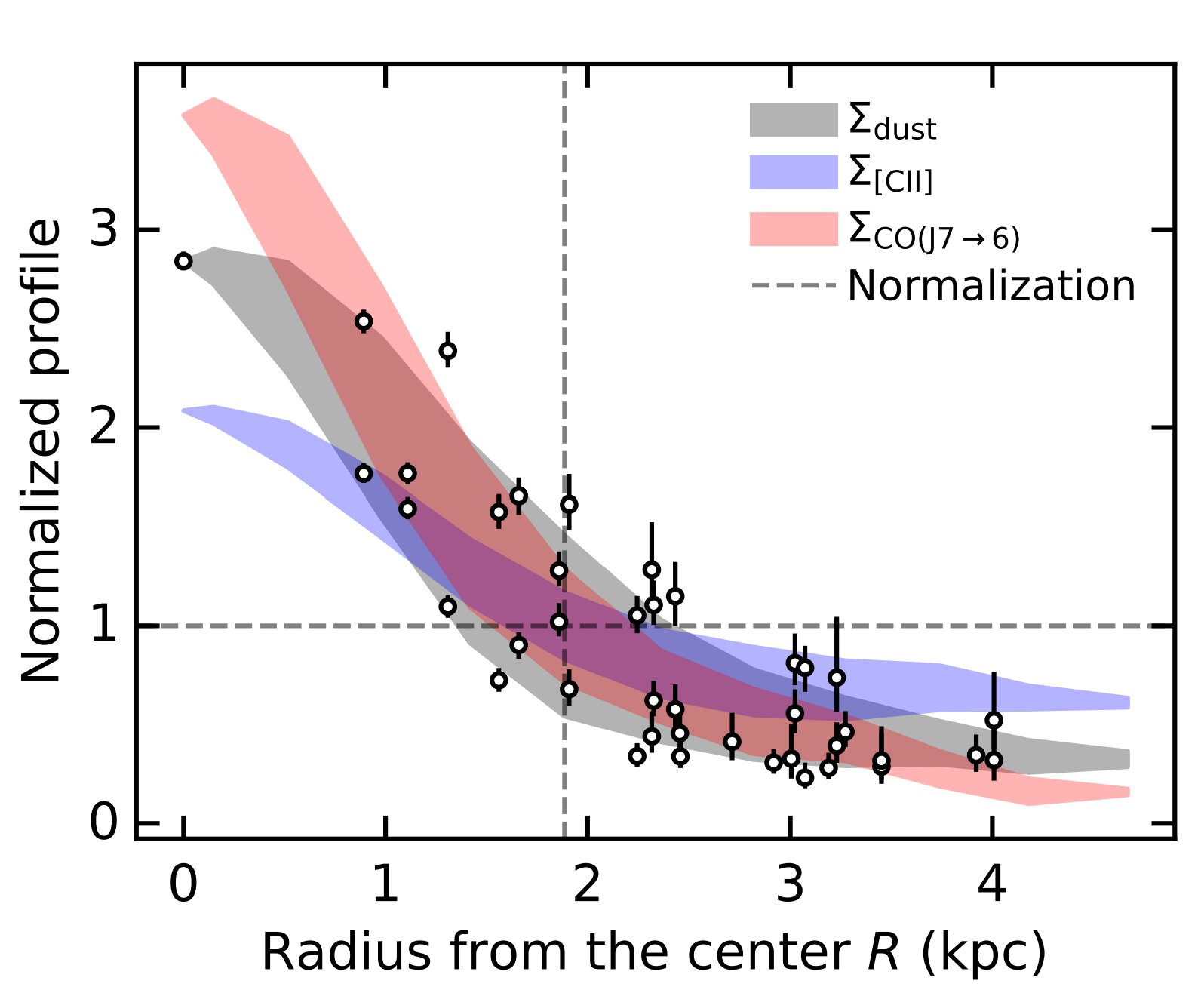
Astronomers have used the ALMA telescope to create a temperature map of an ancient galaxy's dust, revealing variations between the heat from a central supermassive black hole and the cooler regions heated by star formation. This detailed mapping provides insights into how galaxies and their central black holes grow in the early Universe. The study shows clear evidence of temperature variation within the galaxy, suggesting the existence of two distinct heat sources. The research highlights the importance of the ALMA telescope's capabilities in understanding the evolution of galaxies and their central black holes.

astronomy2 years ago

"Galactic Growth Rate Unveiled by Heat Spots from 12 Billion Years Ago"

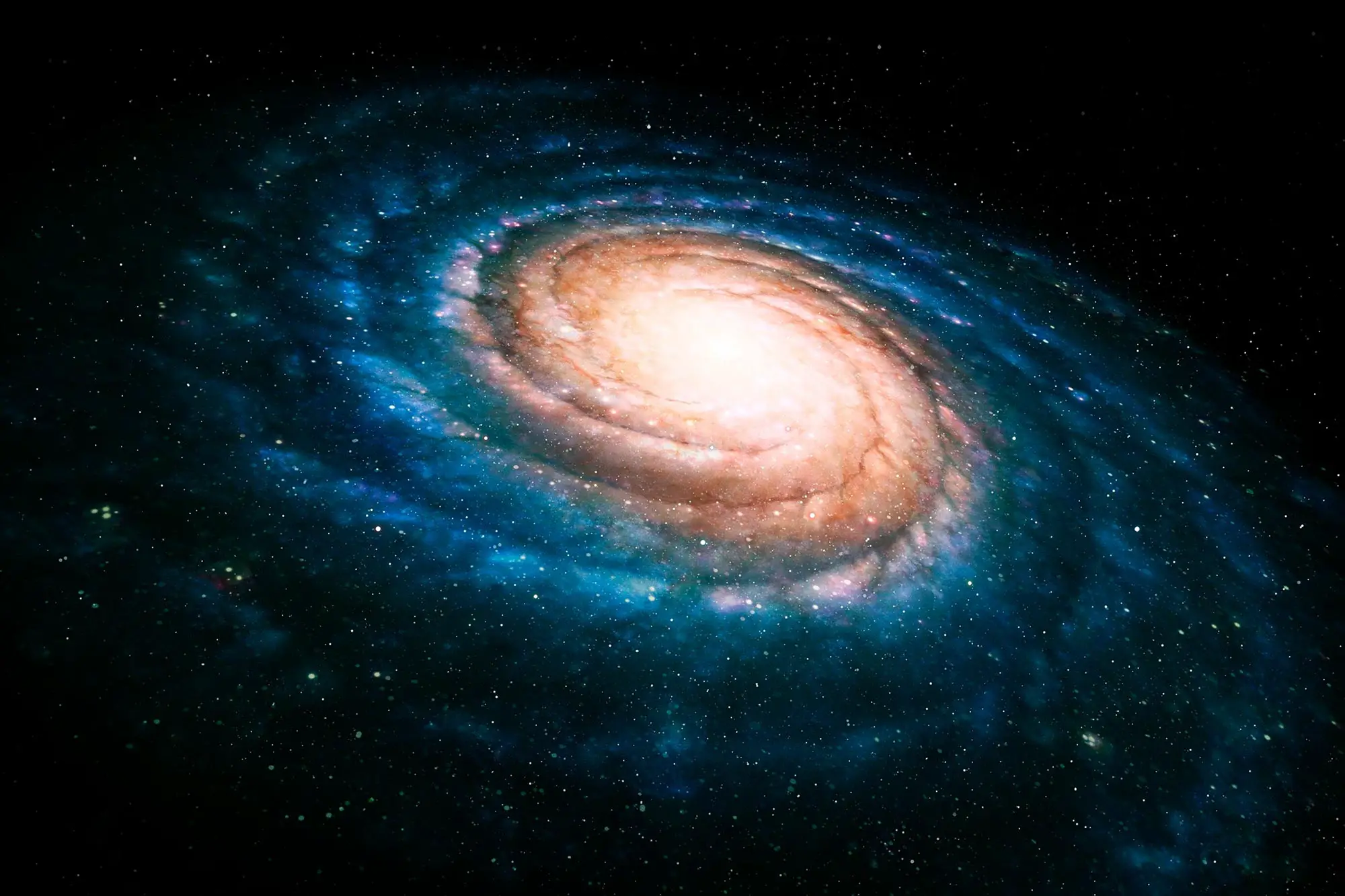
Astronomers have used the Atacama Large Millimeter/submillimeter Array (ALMA) telescope to draw a temperature map of the dust within one of the oldest spiral galaxies in the universe, revealing two distinct heat sources: a supermassive black hole at the center of the galaxy and the heat generated by newly-formed stars in the surrounding rotating disk. The research provides new insights into how fast the galaxy is growing and a clearer picture of how galaxies and central massive black holes form and grow in the early universe.

astronomy2 years ago

Dragon Cloud: Key to Understanding Massive Star Formation?

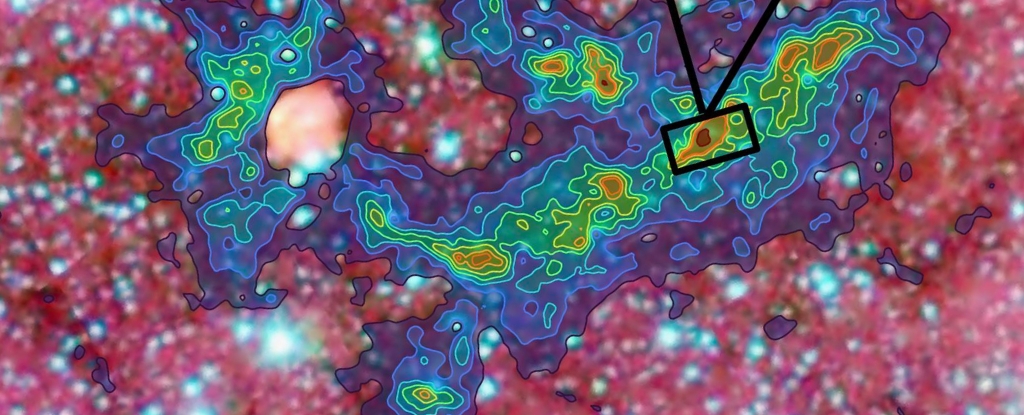
Astronomers using the ALMA telescope have observed the Dragon cloud, a dense cloud of molecular hydrogen that serves as the site of star formation throughout its complex. They found several regions of active star formation, but also a strange dense clump lacking any newborn stars at all. The clumps were very dense and actively collapsing, implying that those clumps were going to soon start forming stars. The observations support the "core accretion" model of star formation, where the most massive stars collapse from single units of gas clouds and start their lives already with incredibly high masses.