Modest global economic growth is expected in 2026, driven by policy support, AI capital expenditure, and resilient markets, with the US leading the recovery. Inflation remains sticky, and the dollar is projected to decline, while risks include policy uncertainties and geopolitical tensions.

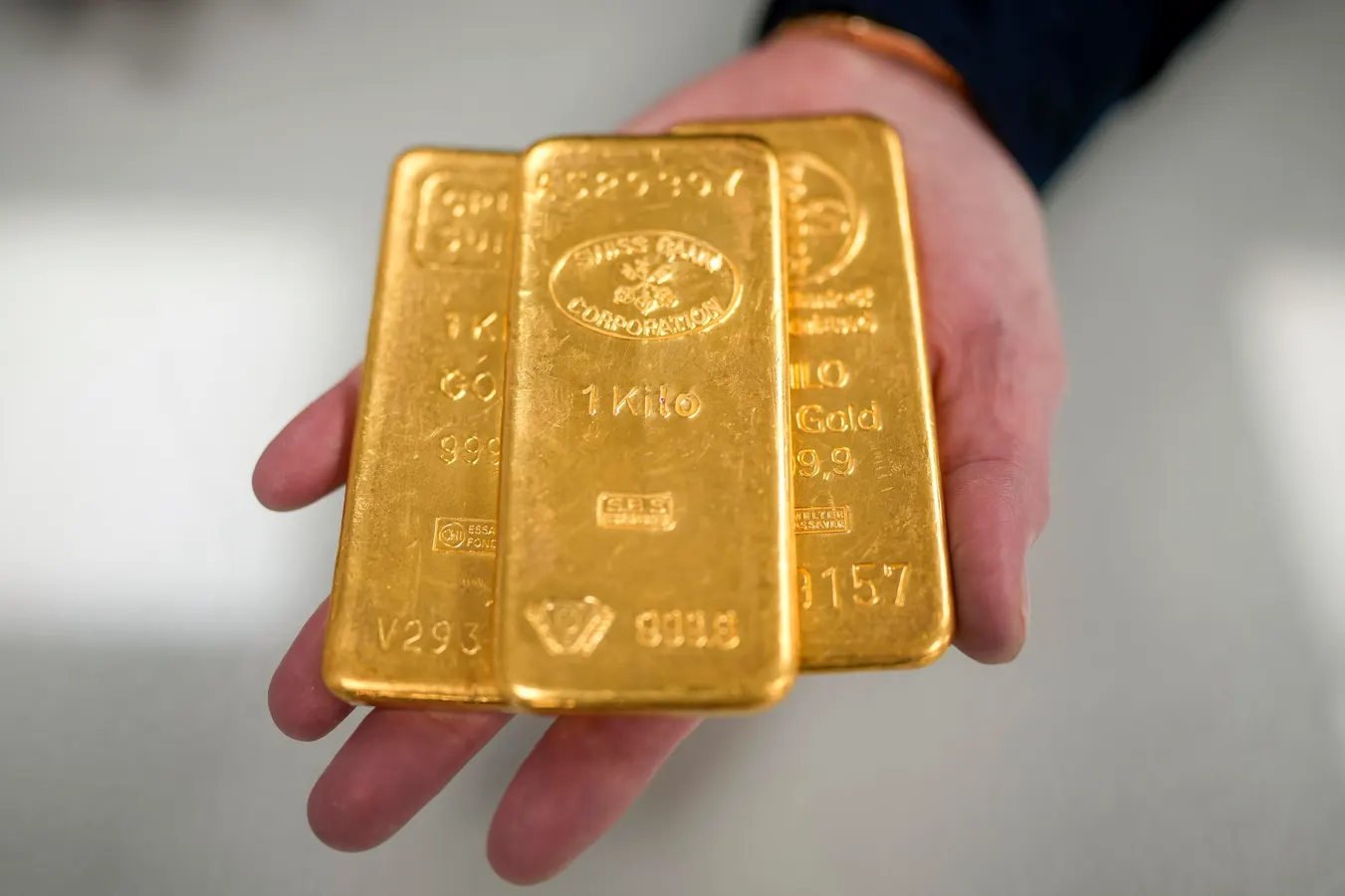
Gold reached a new record high near $4,500 per ounce, driven by a weaker dollar, geopolitical tensions, and dovish Fed expectations, while silver also hit an all-time peak, reflecting strong investor demand for safe-haven assets amid global uncertainties.
Gold and stocks are both reaching record highs simultaneously, a rare occurrence historically linked to a weakening dollar and uncertain economic conditions. The decline in the US dollar, driven by reduced fiscal dominance and global trade tensions, is supporting both asset classes, but this pattern may not last as economic conditions evolve.
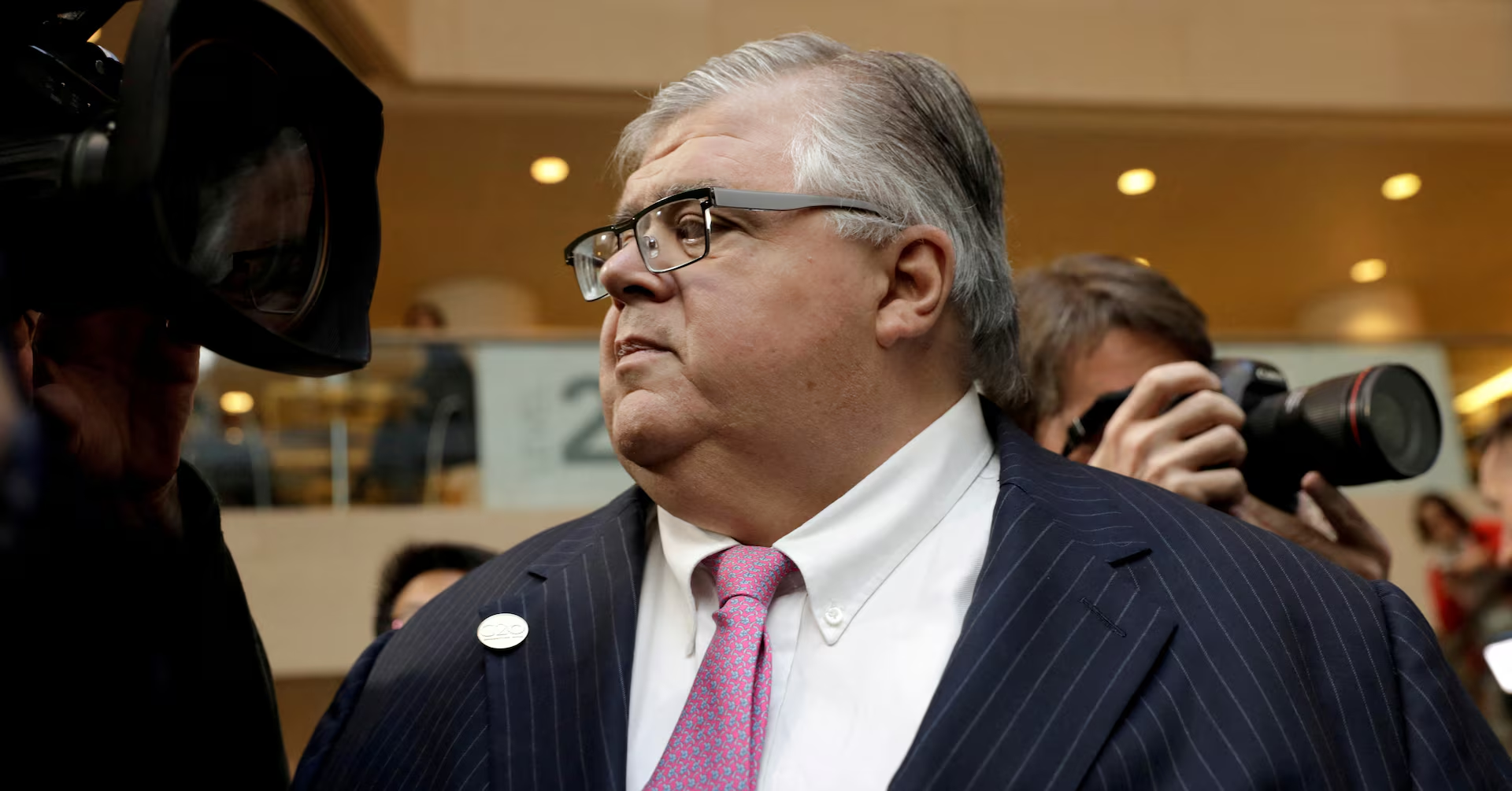
The Bank for International Settlements warns that the global economy is at a pivotal moment due to rising trade tensions, geopolitical issues, and increased debt levels, leading to heightened uncertainty and potential vulnerabilities in the financial system, with notable declines in the dollar and concerns over resilience to shocks.
US stocks rose with the S&P 500 nearing a record high, driven by positive economic data and easing Middle East tensions, despite ongoing trade policy uncertainties and a declining dollar influenced by potential Fed leadership changes. The market has recovered significantly from its April lows, with analysts divided on future prospects.
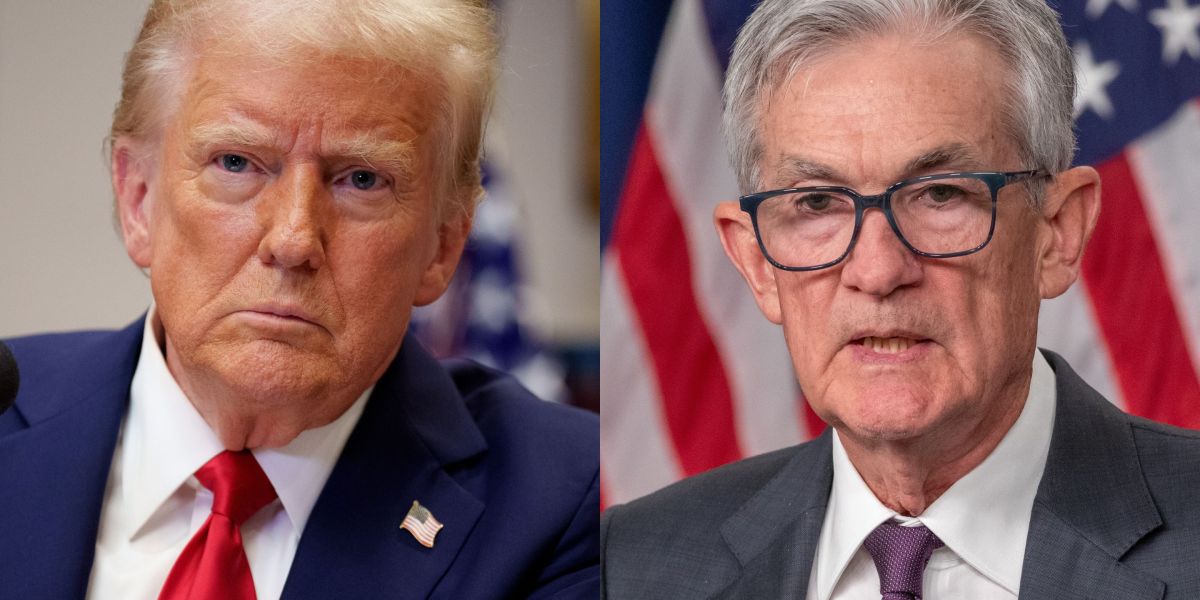
The U.S. dollar has significantly weakened this year, largely due to President Trump's attacks on Federal Reserve Chair Jerome Powell and potential plans to replace him, which undermine investor confidence and threaten monetary policy independence. Trump's influence, combined with concerns over inflation and rising U.S. debt, has led to a decline in bond markets and a volatile dollar, despite strong stock market performance.