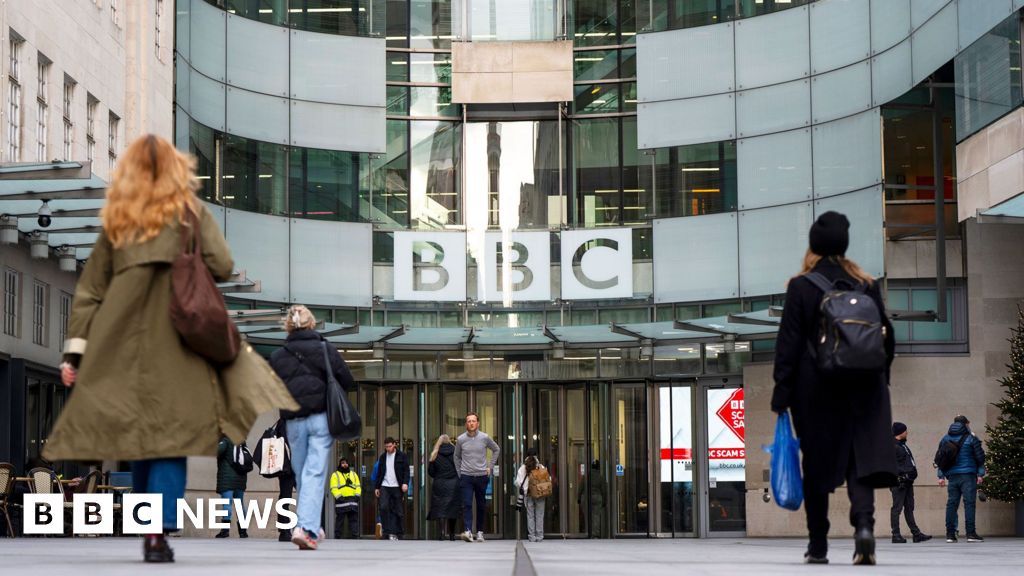
The BBC plans to fight Donald Trump's $5 billion defamation lawsuit over a Panorama documentary, citing legal grounds and the importance of defending its journalism, despite high costs and potential distractions. The case hinges on jurisdiction and malice claims, with the BBC asserting it did not broadcast in the US and that the edit was unintentional. The outcome could impact the BBC's reputation, legal strategy, and US audience engagement, amid broader concerns about media freedom and legal battles involving US outlets.
Axios CEO Jim VandeHei discusses how the traditional news ecosystem is broken and how the company aims to adapt in the post-news era by focusing on trustworthy reporting, navigating AI's influence, and expanding local coverage to help people better understand and navigate the rapidly changing information landscape.
The Wall Street Journal launched 'Free Expression,' a new opinion section focusing on culture, politics, and daily life, available for free initially and later as a paid add-on, with plans to expand its multimedia presence and reach a broader audience beyond traditional financial and business coverage.
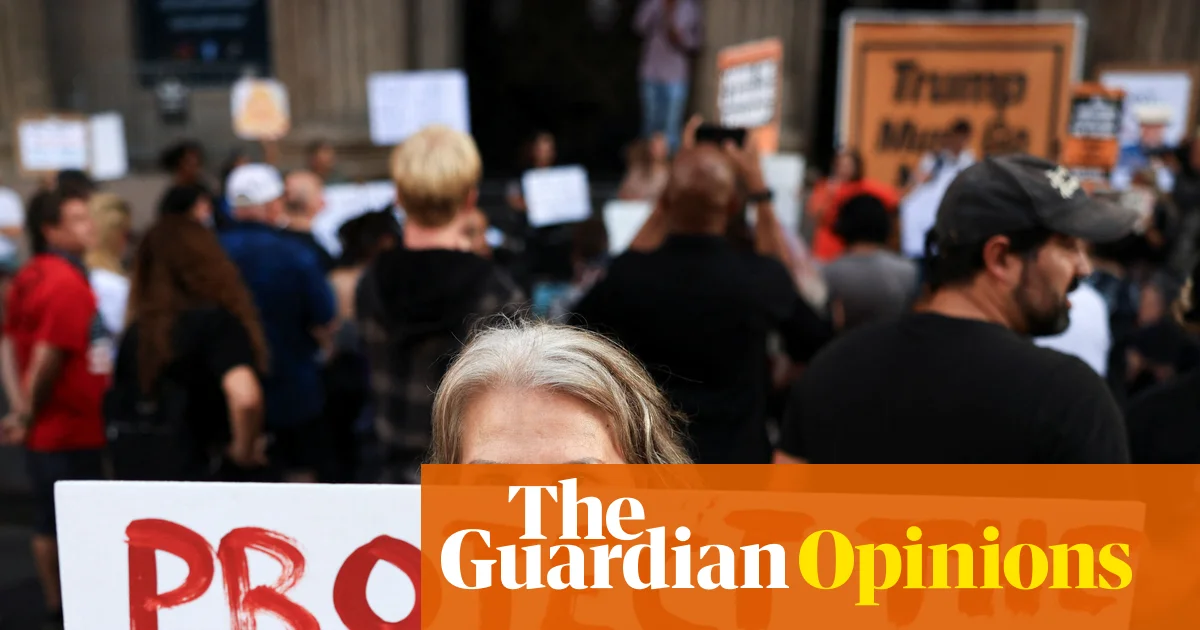
The article criticizes the blurring lines between advertising, public relations, and journalism, highlighting how media outlets are increasingly influenced by billionaires and political interests, which compromises their role in holding power to account. It emphasizes the importance of independent journalism, exemplified by the Guardian, in defending free speech and truth against corporate and political manipulation.
The BBC faces fallout including resignations over manipulated editing of a Trump documentary, echoing past controversies involving political figures and media outlets, highlighting ongoing challenges in journalistic integrity and the impact of political influence on news reporting.
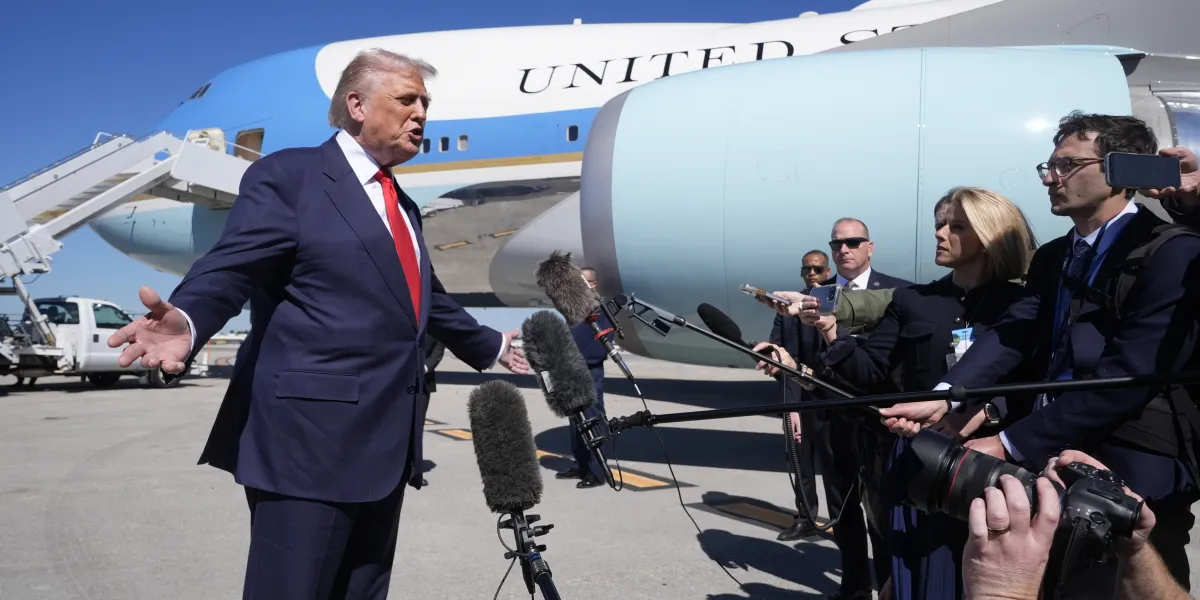
President Trump threatened to sue the BBC for $1 billion over a documentary, but legal experts suggest he would face significant hurdles in proving damages, making the success of such a lawsuit unlikely.
CBS released the full transcript and video of Donald Trump's '60 Minutes' interview online, revealing significant edits made for the televised segment, sparking debate over journalistic transparency and editing practices, especially in comparison to previous interviews like that with Kamala Harris.
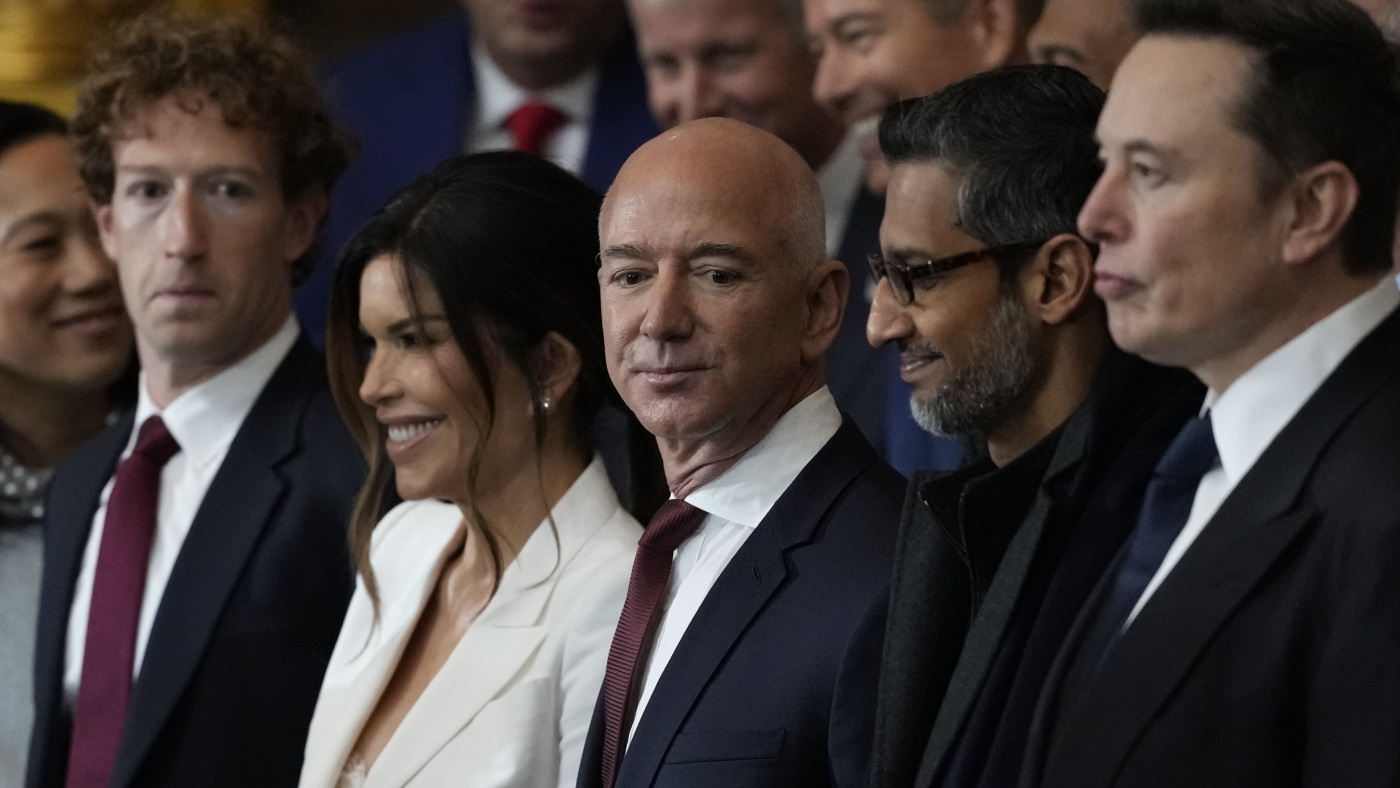
The Washington Post has published several editorials that did not disclose Jeff Bezos's financial interests, raising concerns about transparency and conflicts of interest, especially given Bezos's ownership of Amazon and its financial ties to the topics discussed.
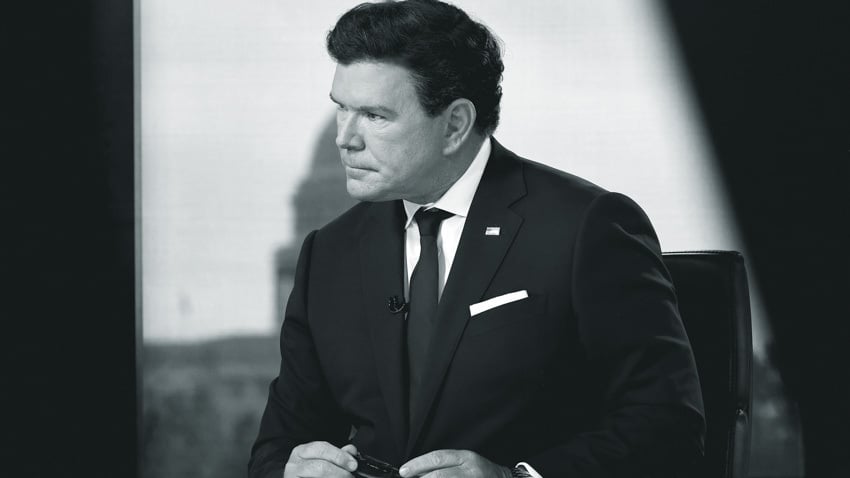
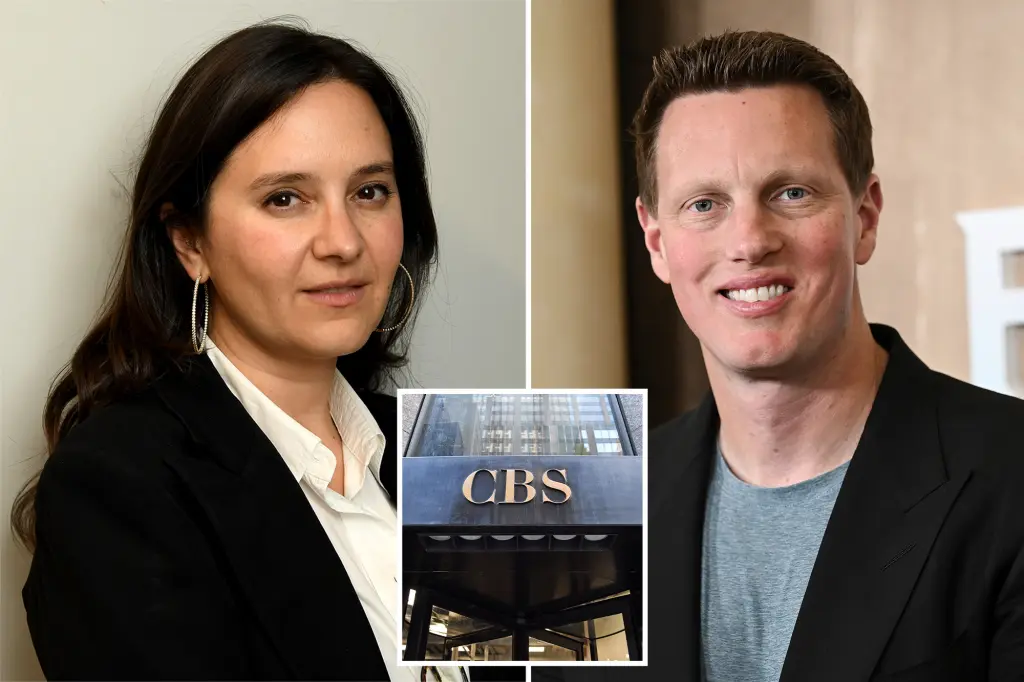
Bari Weiss, newly appointed editor in chief of CBS News, is actively reshaping the network by engaging top executives, recruiting allies, and considering both internal and external candidates—including Fox News anchor Bret Baier—for key roles, signaling a significant shift in the network's leadership and coverage strategy.
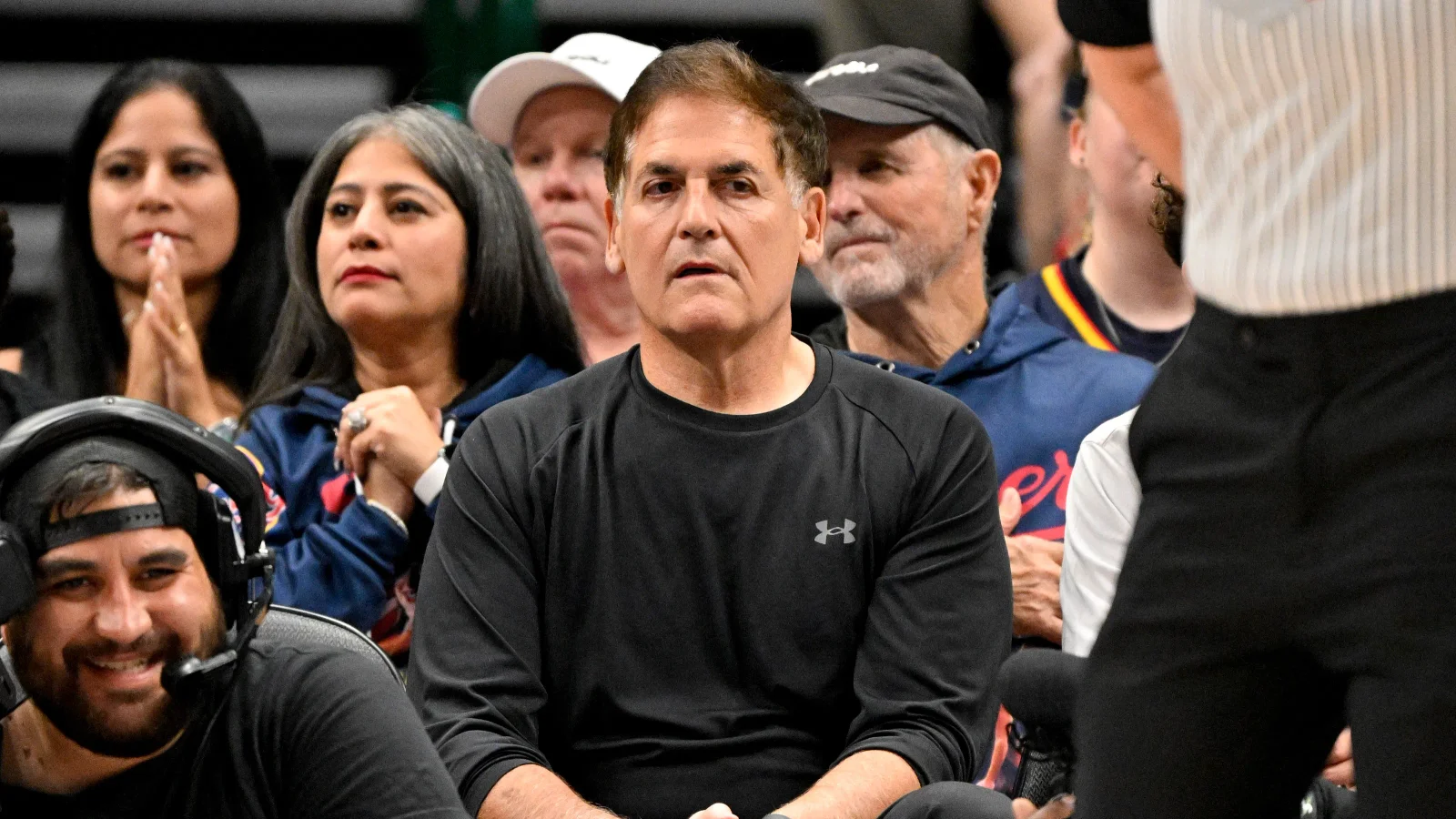
Indiana University alum Mark Cuban donated $250,000 to the student newspaper, the Indiana Daily Student, months before the university ordered a cease to print production citing financial challenges, sparking concerns over censorship and the newspaper's future.
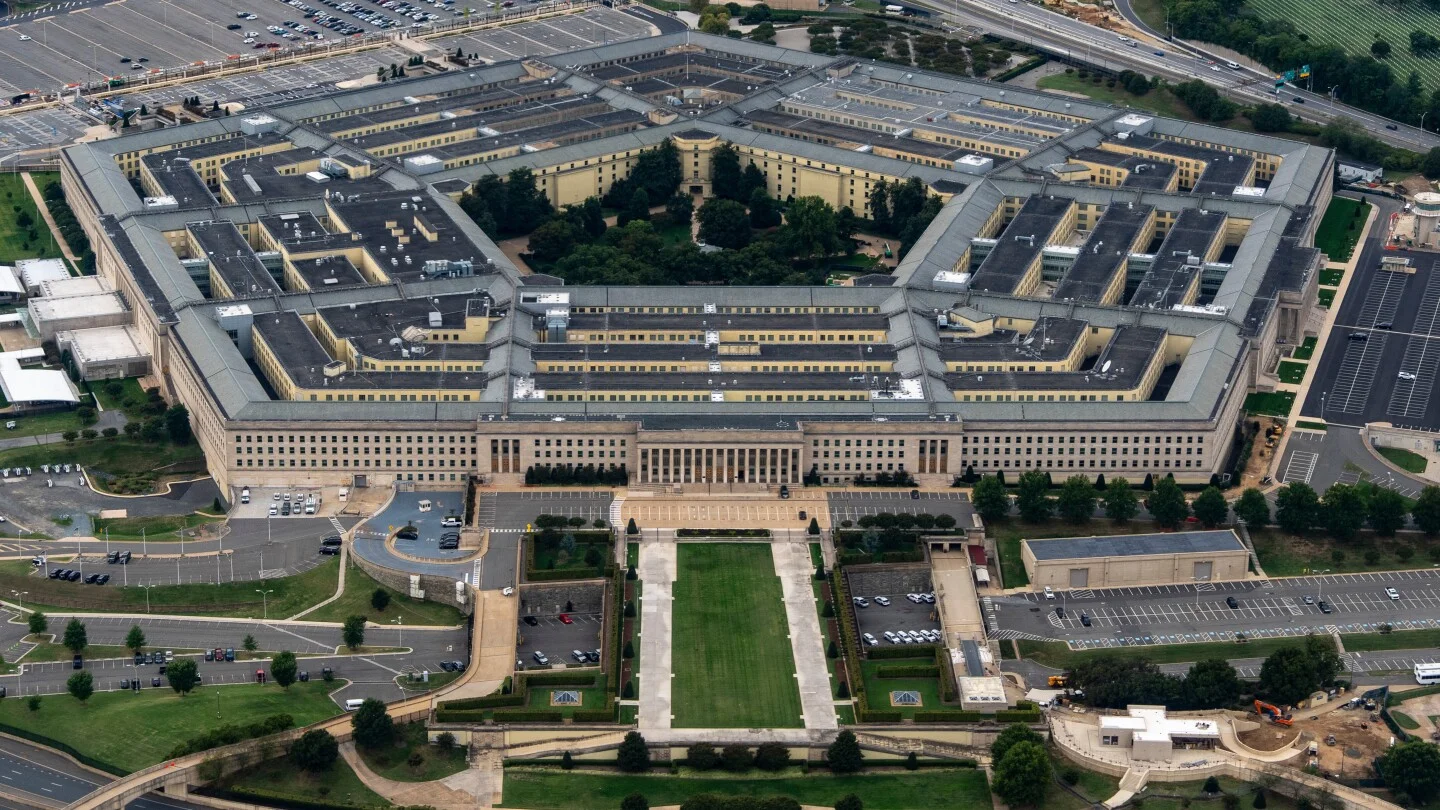
Major news outlets, including Fox News, ABC, CBS, NBC, and CNN, have rejected new Pentagon rules that restrict reporting and threaten journalistic protections, citing concerns over First Amendment rights and access to information. Only OANN has agreed to the rules. The dispute may lead to legal action, with critics arguing the policies undermine press independence and transparency.
Bari Weiss is expected to be appointed as CBS News' editor in chief, reporting directly to Paramount Skydance CEO David Ellison, in a major restructuring aimed at revamping the network's editorial direction and increasing conservative voices, amid ongoing tensions and controversies within CBS News.
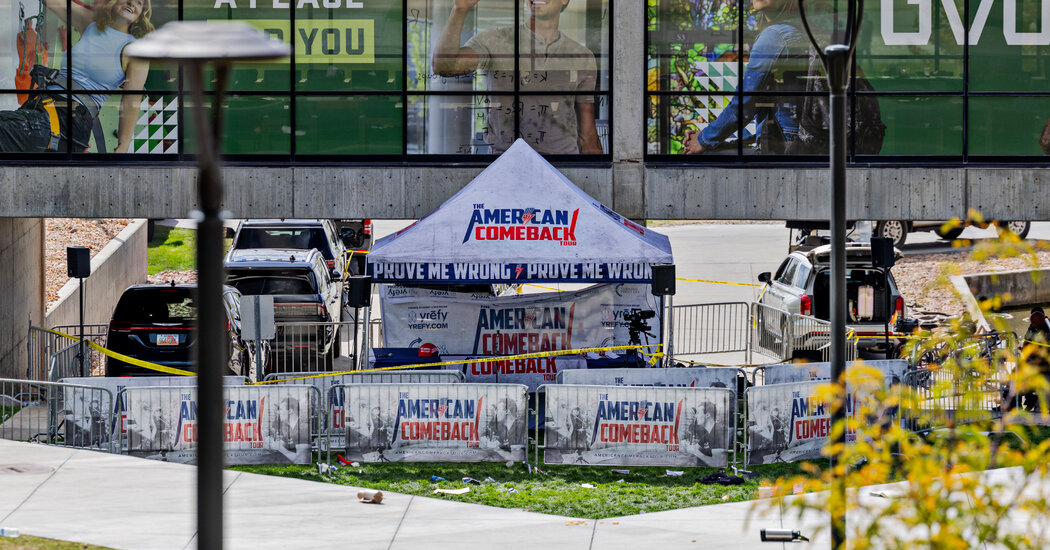
The New York Times detailed its internal decision-making process following the shooting and death of Charlie Kirk at Utah Valley University, including verification of facts, use of imagery, and language choices in coverage, highlighting the complexities of responsible journalism in a high-profile incident.
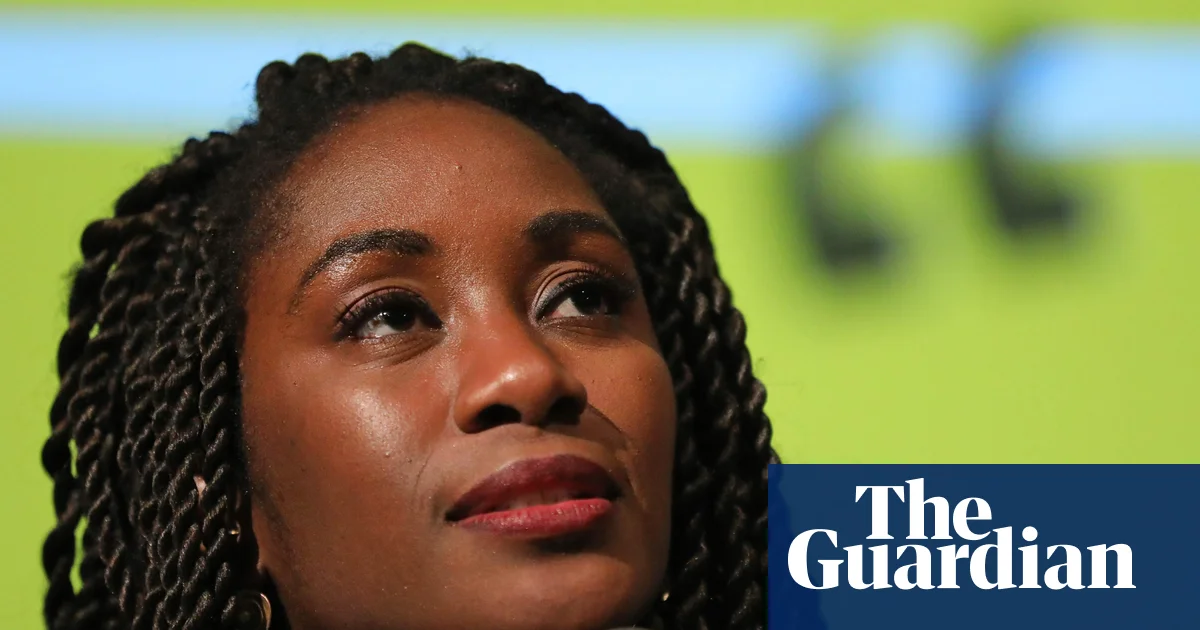
Washington Post columnist Karen Attiah claims she was fired after posting on social media about gun control and race, which the paper labeled as misconduct, amid broader concerns about diversity and editorial direction at the newspaper.
Washington Post columnist Karen Attiah claims she was fired for her social media comments following the killing of Charlie Kirk, criticizing the publication's handling of her posts and defending her views on gun violence and political discourse.