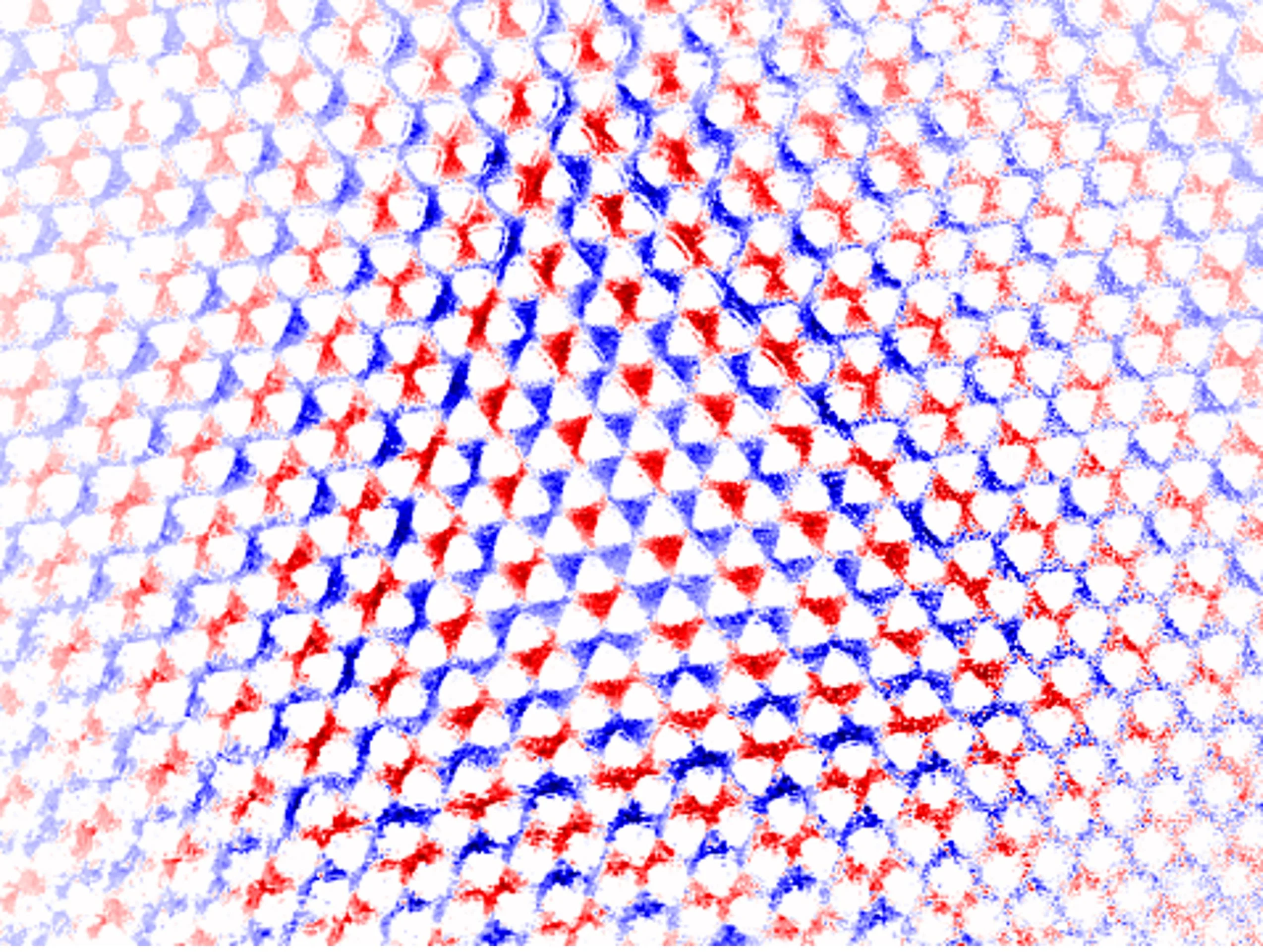
Recent research challenges the long-held view that unmyelinated axons are smooth tubes by revealing a natural pearl-and-connector pattern that influences signal speed, with membrane mechanics and activity-induced shape changes playing key roles in neural timing and plasticity.
Scientists at the Niels Bohr Institute have developed an ultra-thin membrane with tiny holes that allows sound vibrations (phonons) to travel with almost no energy loss, potentially revolutionizing sound and information transfer in quantum computing and sensors.
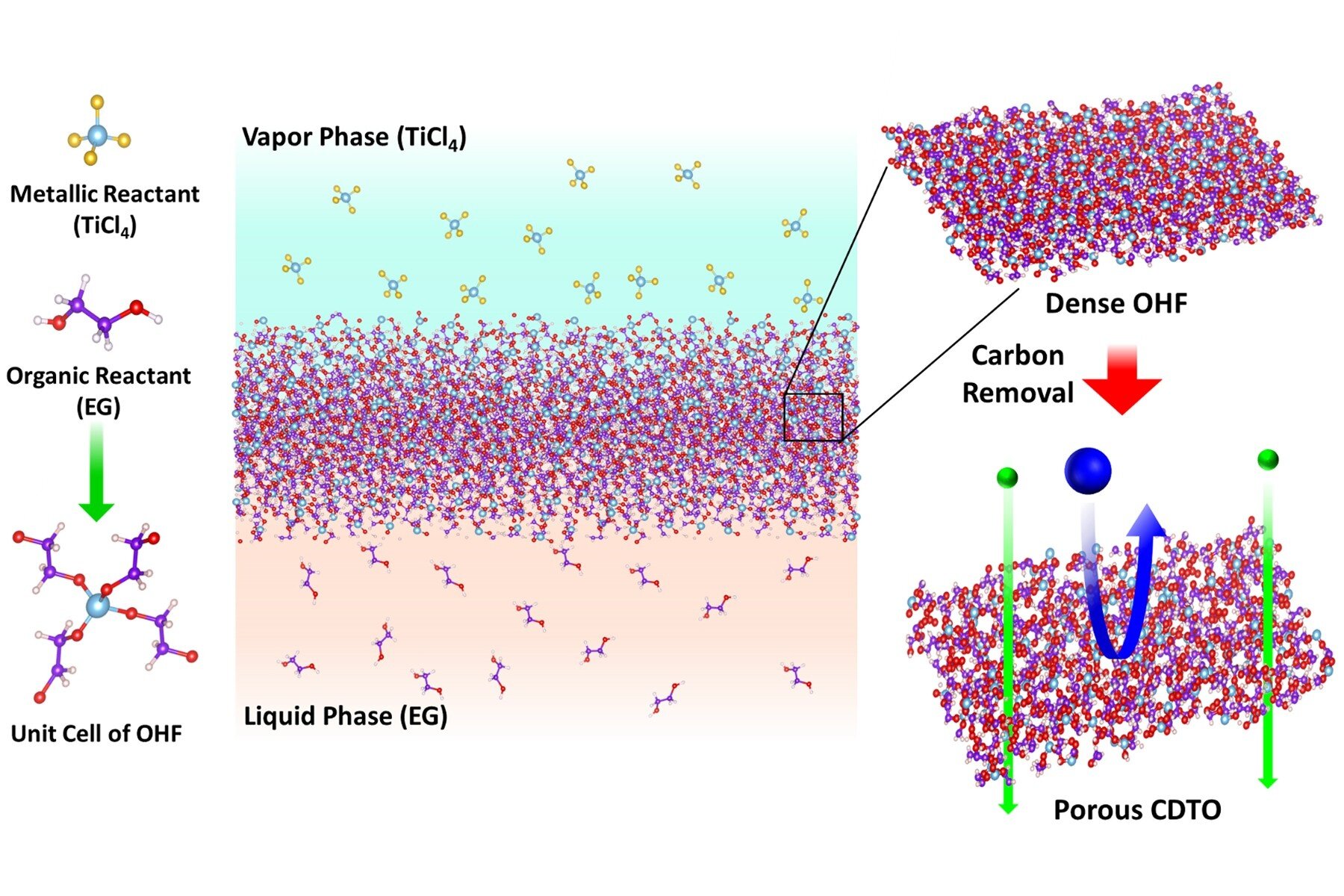
Researchers at the University at Buffalo have developed a nanoporous, heat-resistant membrane made from carbon-doped metal oxide that can withstand harsh industrial separation processes. The membrane has rigid nanopores that can be precisely controlled to allow different-sized molecules to pass through, potentially reducing the energy-intensive processes currently used for molecule separation. The membrane's ability to withstand high temperatures and pressures makes it more efficient than polymer-based membranes, and it has the potential to reduce the carbon footprint of various industrial processes. Further experiments are planned to scale up the membrane for commercial use, and the researchers are considering starting a company to advance the technology's commercial viability.
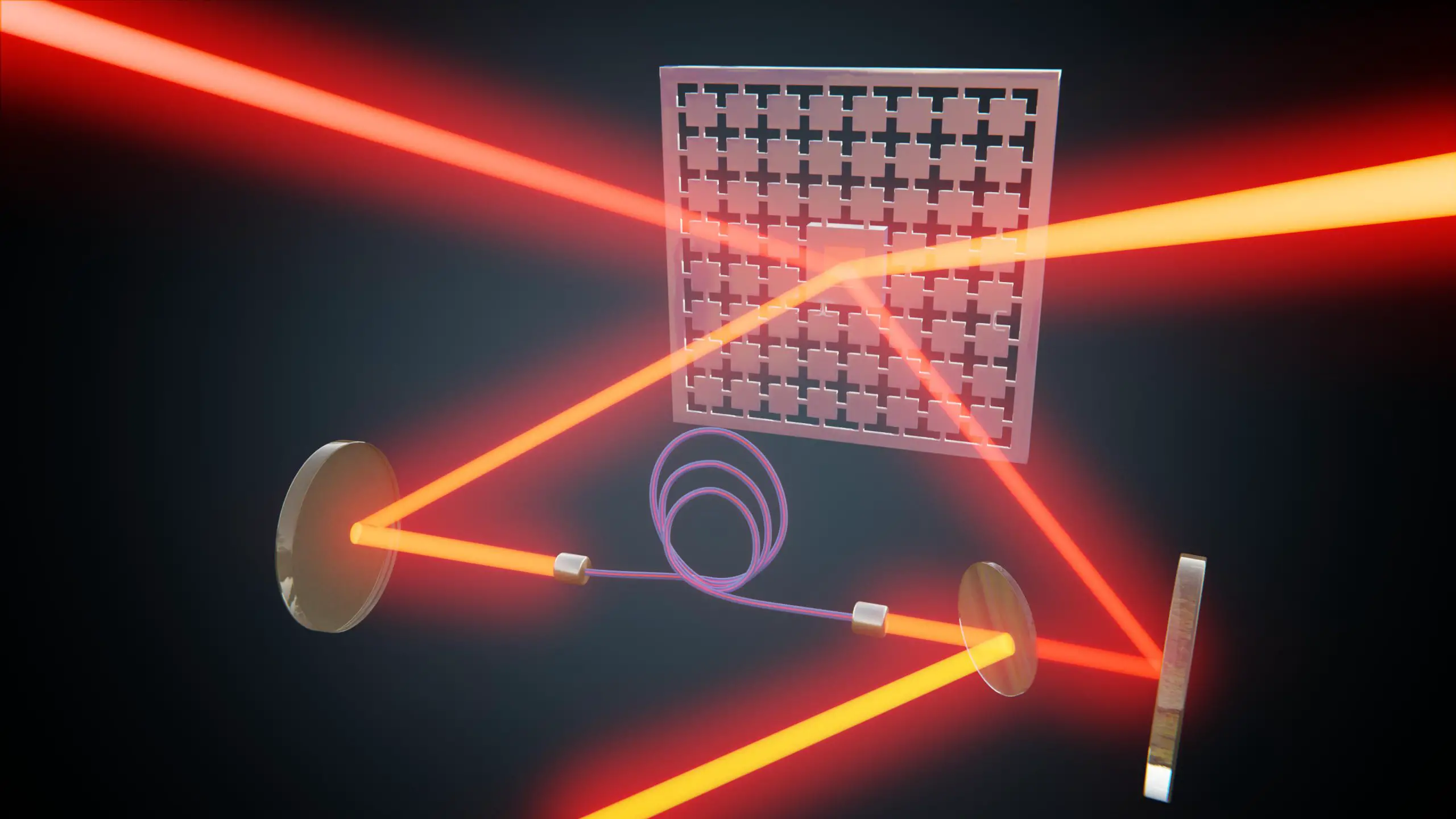
Scientists from the University of Basel have developed a technique to cool a small membrane to temperatures close to absolute zero using laser light. By using a coherent feedback loop, the researchers were able to dampen and cool the thermal vibrations of the membrane without making any measurements, avoiding disturbances caused by quantum state changes. The membrane was cooled to 480 micro-Kelvin, less than a thousandth of a degree above absolute zero. This breakthrough could have applications in highly sensitive sensors, such as atomic force microscopes, and pave the way for creating squeezed states of the membrane for even higher measurement accuracy.
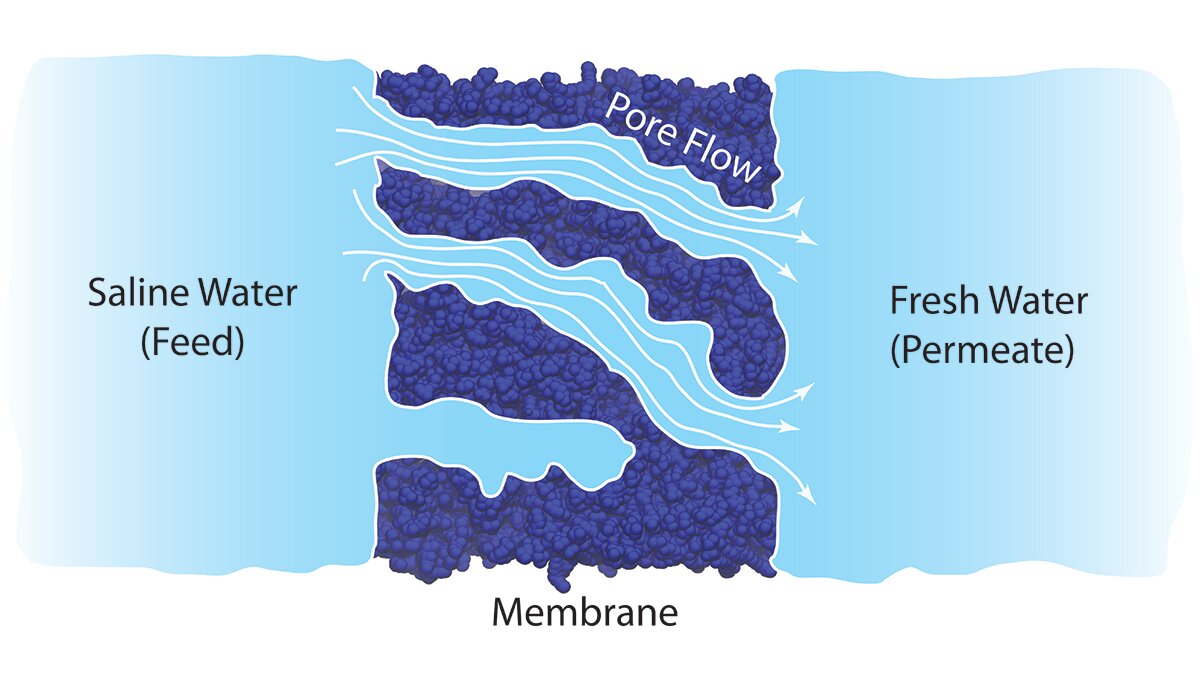
Researchers at Yale University have discovered that the standard explanation for how reverse osmosis works is fundamentally wrong. The widely accepted theory of solution-diffusion has been used for over 50 years to explain how reverse osmosis removes salt and impurities from water. However, the researchers found that water transport is driven by changes in pressure within the membranes, rather than the concentration of molecules. This discovery could lead to more effective uses of reverse osmosis and the development of more effective materials and techniques to improve the process.