Scientists are rethinking aging due to research on 'zombie' cells, which are linked to aging processes and DNA changes caused by stress, leading to new hypotheses on how the brain handles aging and potential scientific interventions.
New research suggests that viruses like COVID-19 can induce endothelial cells to become 'zombie' senescent cells, which contribute to long-lasting symptoms such as fatigue, brain fog, and blood flow issues in long-COVID and ME/CFS by promoting blood clots and immune dysfunction. The study aims to develop diagnostic tools and targeted therapies to eliminate these senescent cells and improve patient outcomes.
Scientists at the University of Cambridge and Early Cancer Institute have developed a pioneering urine test that could detect early signs of lung cancer by identifying proteins from "zombie" cells, which are damaged cells that promote cancer development. This test, which has been successful in mice and is set for human trials, uses an injectable sensor to release a detectable compound into urine, potentially allowing for earlier and more affordable cancer detection compared to traditional scans. Lung cancer is the leading cause of cancer deaths globally, making early detection crucial for improving survival rates.
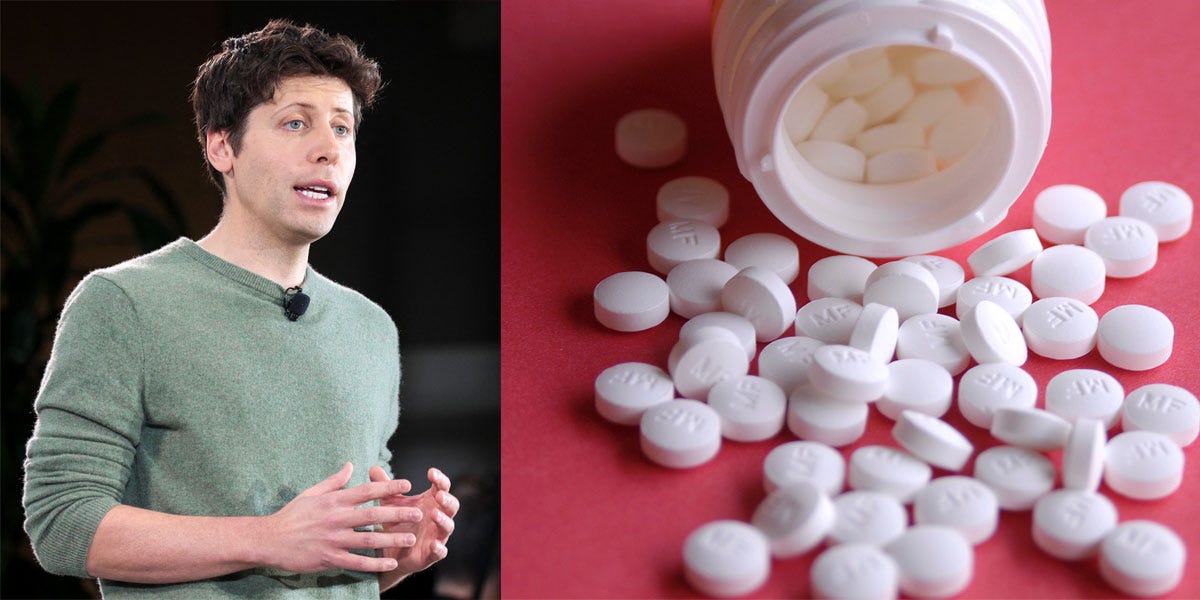
Tech executives like Sam Altman are taking prescription pills like metformin and rapamycin to slow aging by taming "zombie cells" that can contribute to age-related diseases. Researchers are also working on repurposing existing drugs into new drug combinations called "senolytics" to flush some zombie cells out of the body. However, these drugs need more testing before they can be considered safe for everyone, and lifestyle interventions like exercise and dieting can also reduce senescent cell burden.
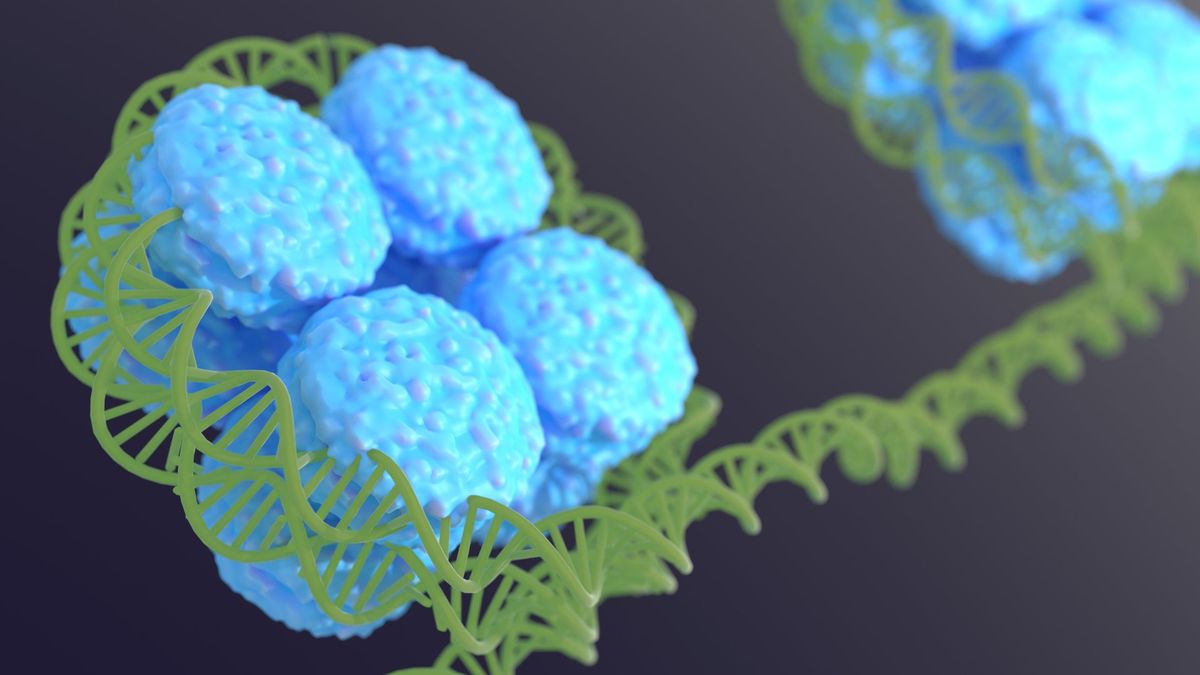
"Zombie cells" that contribute to age-related diseases make small, strange molecules not seen in normal cells. These "cryptic" molecules remain a mystery, but scientists think they may know why zombies build them in the first place. Senescent cells undergo a process called "cryptic transcription," where cells erroneously use supershort snippets of DNA to build tiny molecules of RNA. The exact function of these cryptic RNAs remains unknown, but scientists suspect that the production of these small molecules may sap the cell's resources, causing it to grow less and less efficient with age. Furthermore, the cell may use the instructions within the RNA to build tiny proteins that somehow interfere with the cell's normal functions.