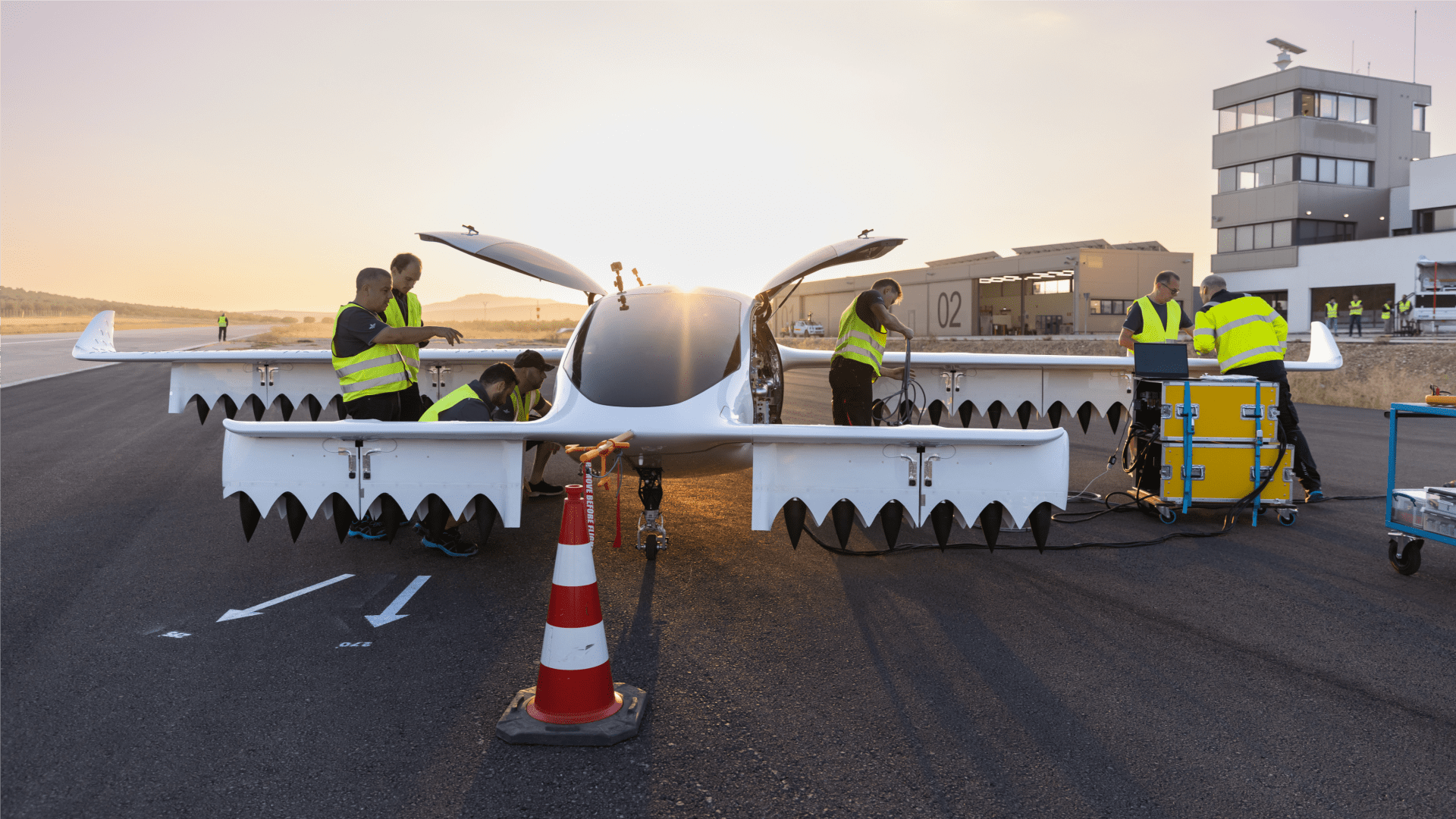
German aerospace company Lilium aims to revolutionize air travel with its electric vertical take-off and landing (eVTOL) jet, targeting zero emissions and a meaningful reduction in CO2 emissions. With a successful prototype test in 2022, the company plans to enter service by 2026 and has attracted investment from Tencent and Earlybird Venture Capital. Priced at $9 million for a premium market jet and $7 million for a six-seater version, Lilium differentiates itself from competitors by focusing on regional flights and utilizing jet technology for longer range.
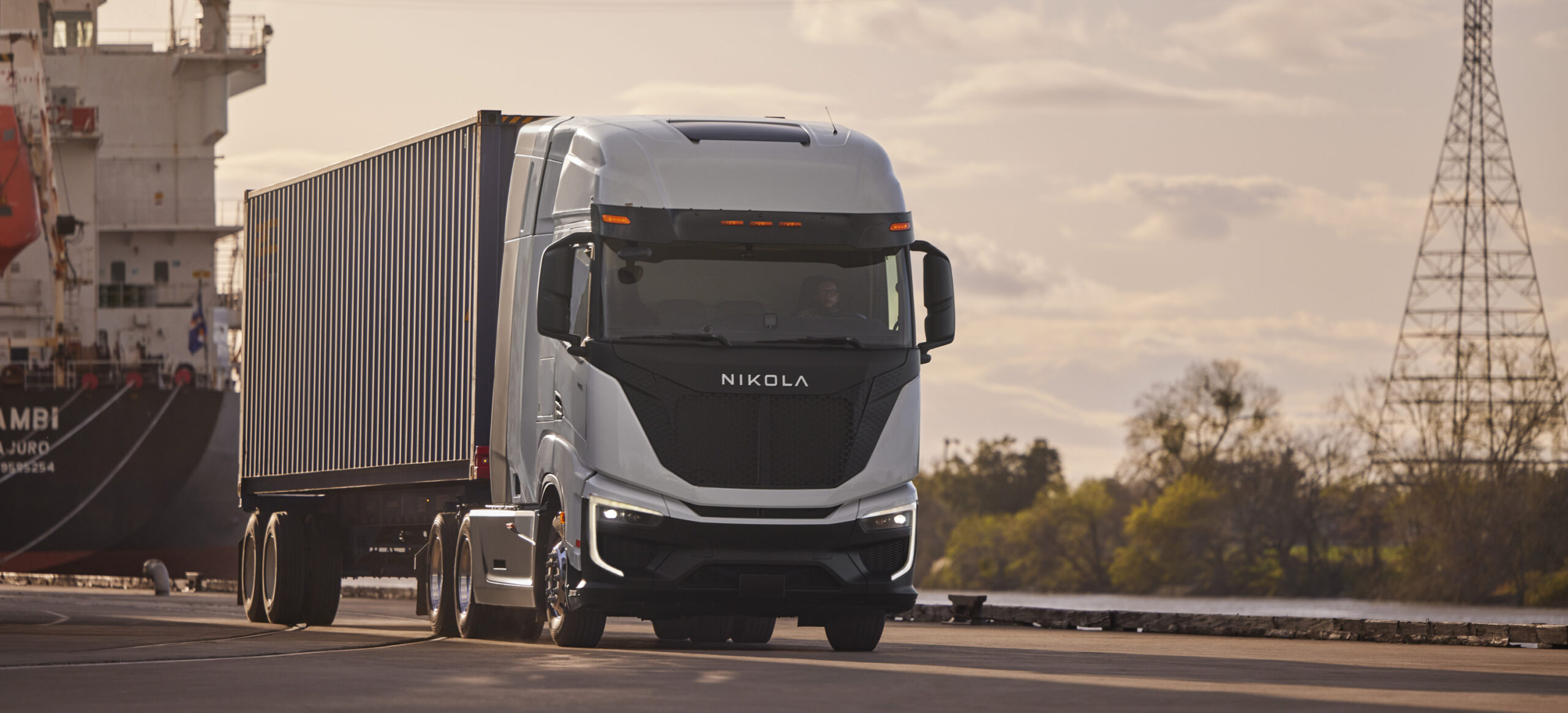
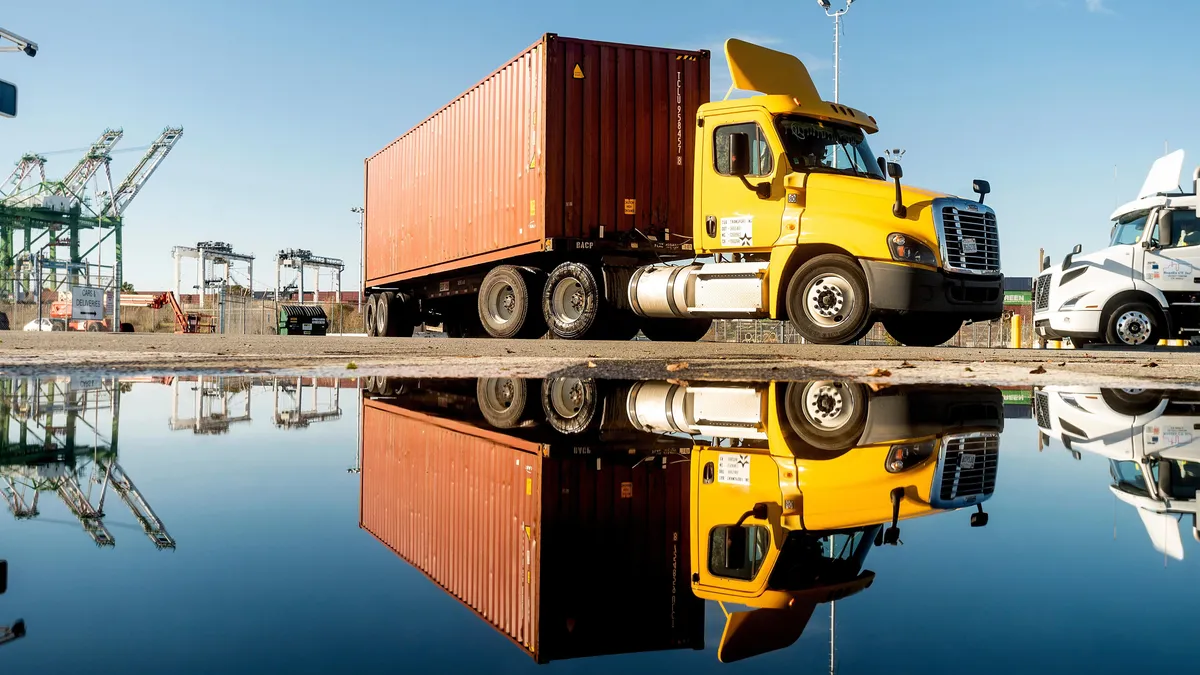
Nikola Corporation and BayoTech have entered into a strategic supply agreement to advance reliable hydrogen supply for zero-emission commercial fuel cell electric vehicle fleets. Under the agreement, BayoTech will purchase up to 50 Nikola Class 8 fuel cell electric vehicles over the next five years, while Nikola will acquire low-carbon hydrogen from BayoTech's hydrogen hubs in Missouri and California. Additionally, Nikola plans to purchase up to 10 BayoTech HyFill™ transport trailers for bulk hydrogen delivery to customer refueling stations. The partnership aims to support the adoption of Nikola's zero-emission trucks and accelerate the growth of the hydrogen ecosystem.
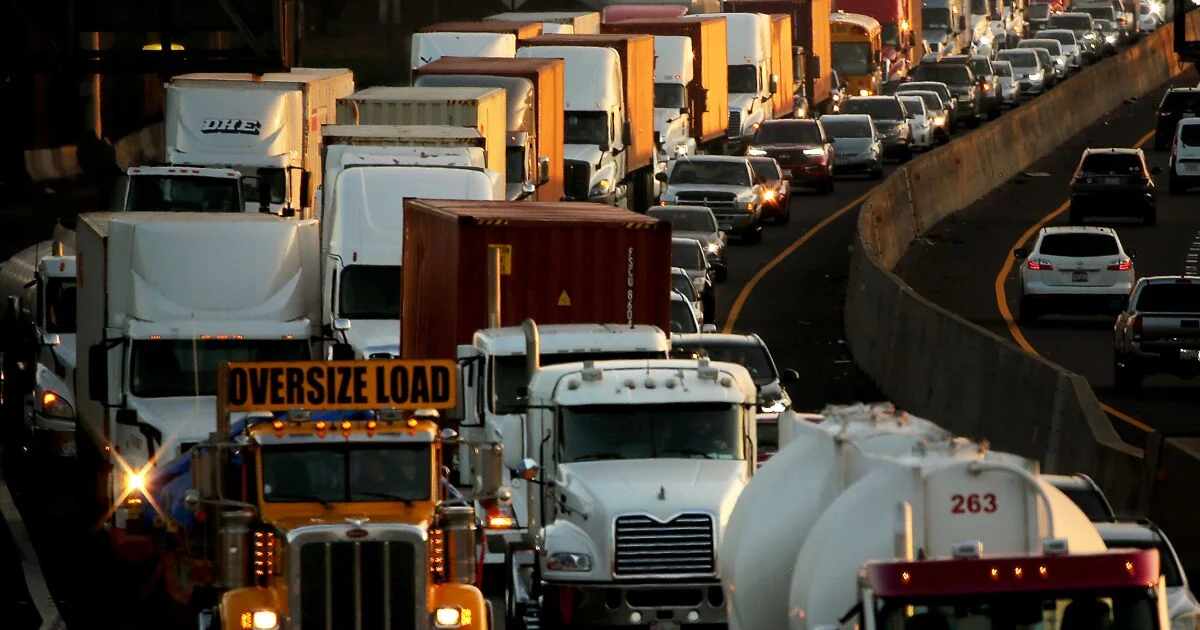
California Air Resources Board has unanimously approved the Advanced Clean Fleets rule, banning the sale of new diesel 18-wheelers by 2036 and requiring all trucks to be zero-emission by 2042. Short-haul big rigs, local delivery vehicles, and government fleets must be zero-emission by 2035, while garbage trucks and local buses will follow in 2039, and sleeper cab 18-wheelers and other specialty vehicles must be all-electric by 2042. The move is expected to result in $26.6 billion in health savings due to fewer asthma attacks, emergency room visits, and respiratory illnesses.
California Air Resources Board has passed two landmark rules that require fleets of heavier vehicles and locomotives to meet aggressive zero-emission requirements, which is expected to drastically cut pollution near ports and rail yards. The rules will require all cargo trucks entering California seaports and rail yards to be zero-emission by 2035. The rules are estimated to prevent more than 5,000 premature deaths by 2050, decrease cancer risk near rail yards by 90%, and bring nearly $60 billion in health benefits statewide.
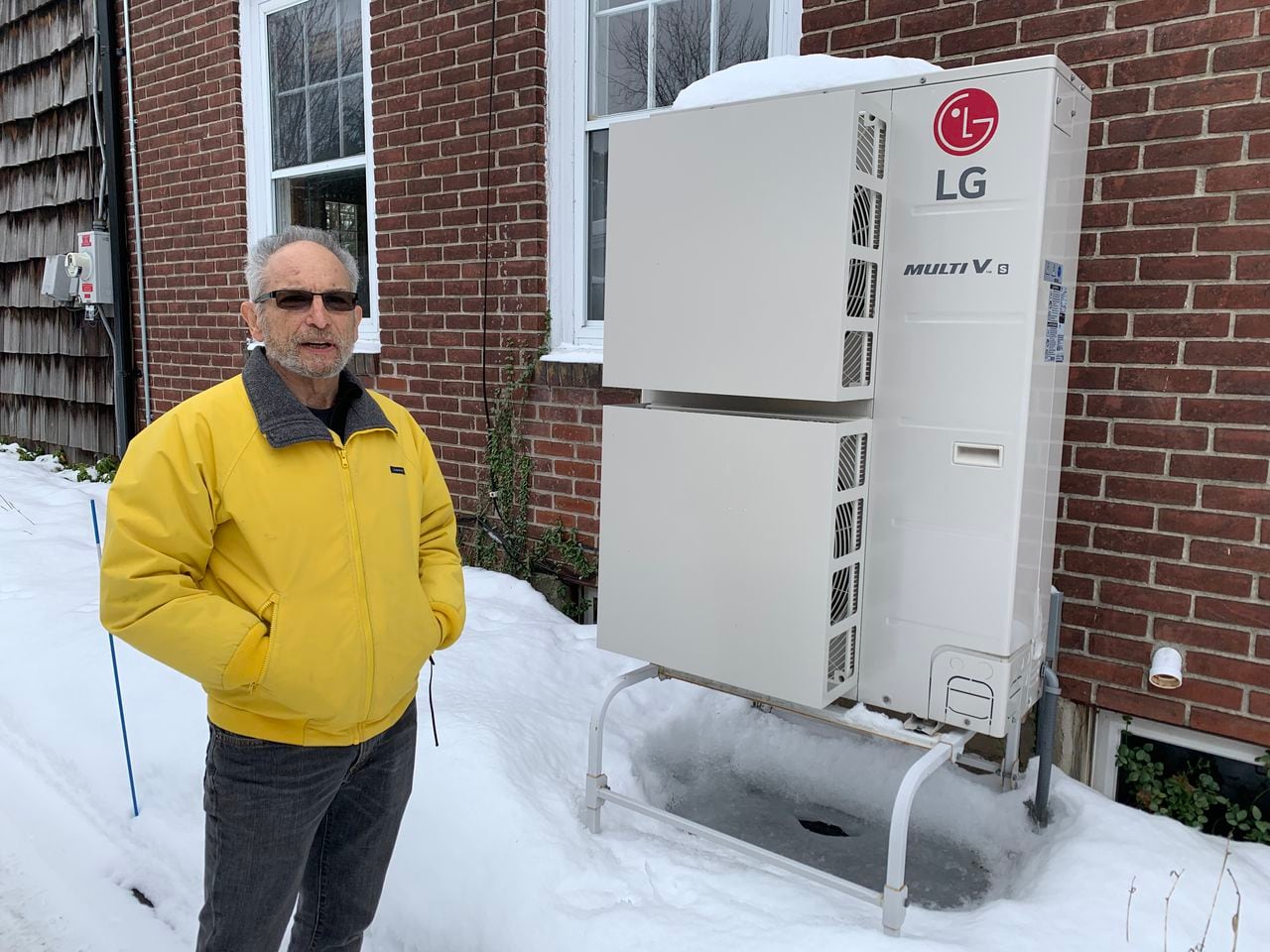
New York is set to become the first state in the US to mandate zero-emission appliances in new construction, requiring "zero-emission" appliances in new houses and buildings of seven stories or less, beginning in 2026. However, officials have dropped plans to prohibit the replacement of worn-out gas furnaces in existing structures. The legislation will only restrict new construction, but environmentalists are still cheering the move as a huge victory for the state's climate action efforts.
Sustainable maritime transportation start-up REGENT has revealed the full-scale prototype of its zero-emission 100% electric seaglider, set to take flight in 2024. The seaglider operates a few meters off the water’s surface, combining the high speeds of an aircraft with the low operating costs of a boat. With 40% of the world’s population living in coastal communities, REGENT’s electric seagliders can help provide an alternative zero-emission travel method to reduce congestion. REGENT has over $8 billion in commercial orders and plans to expand its manufacturing footprint at its Rhode Island headquarters by up to 600,000 square feet for building and testing its seagliders.
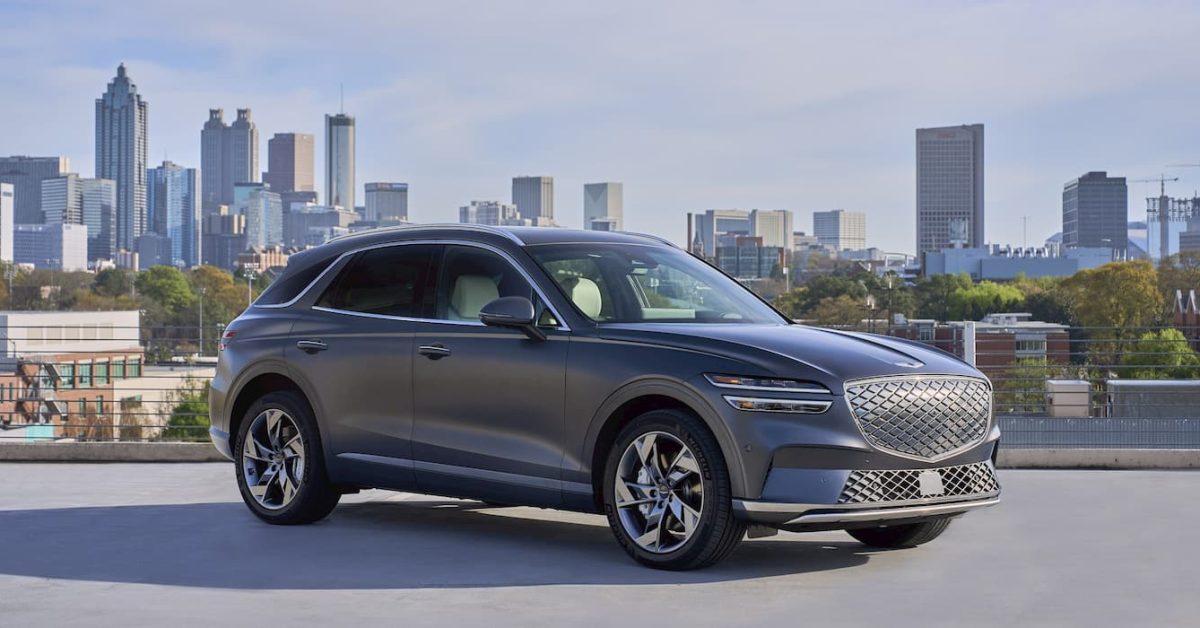
Genesis Motor's fully electric "Electrified GV70," assembled in the US at its Alabama facility, is now available to US buyers in 15 states. The luxury automaker aims to have a 100% zero-emission lineup by the end of the decade. The Electrified GV70 features dual 160 kW front and rear electric motors, a 77.4 kWh lithium-ion battery, a 400/800V multi-charging system, and 236 miles range.