aerospacetechnology1.74 min read
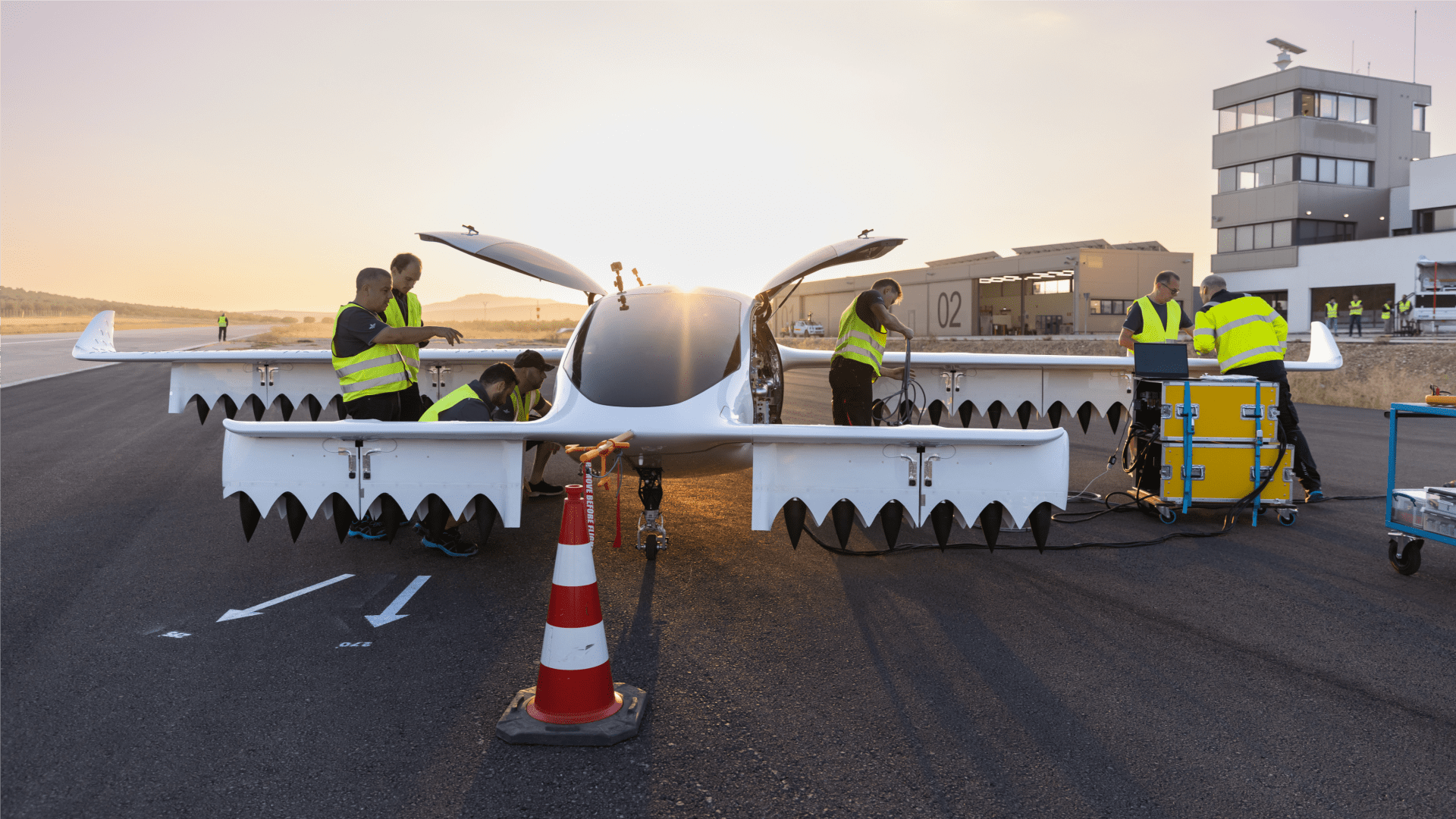
"Lilium: Revolutionizing Air Travel from the Inside Out"
1 year ago•Source: CNBC

The latest aerospacetechnology stories, summarized by AI
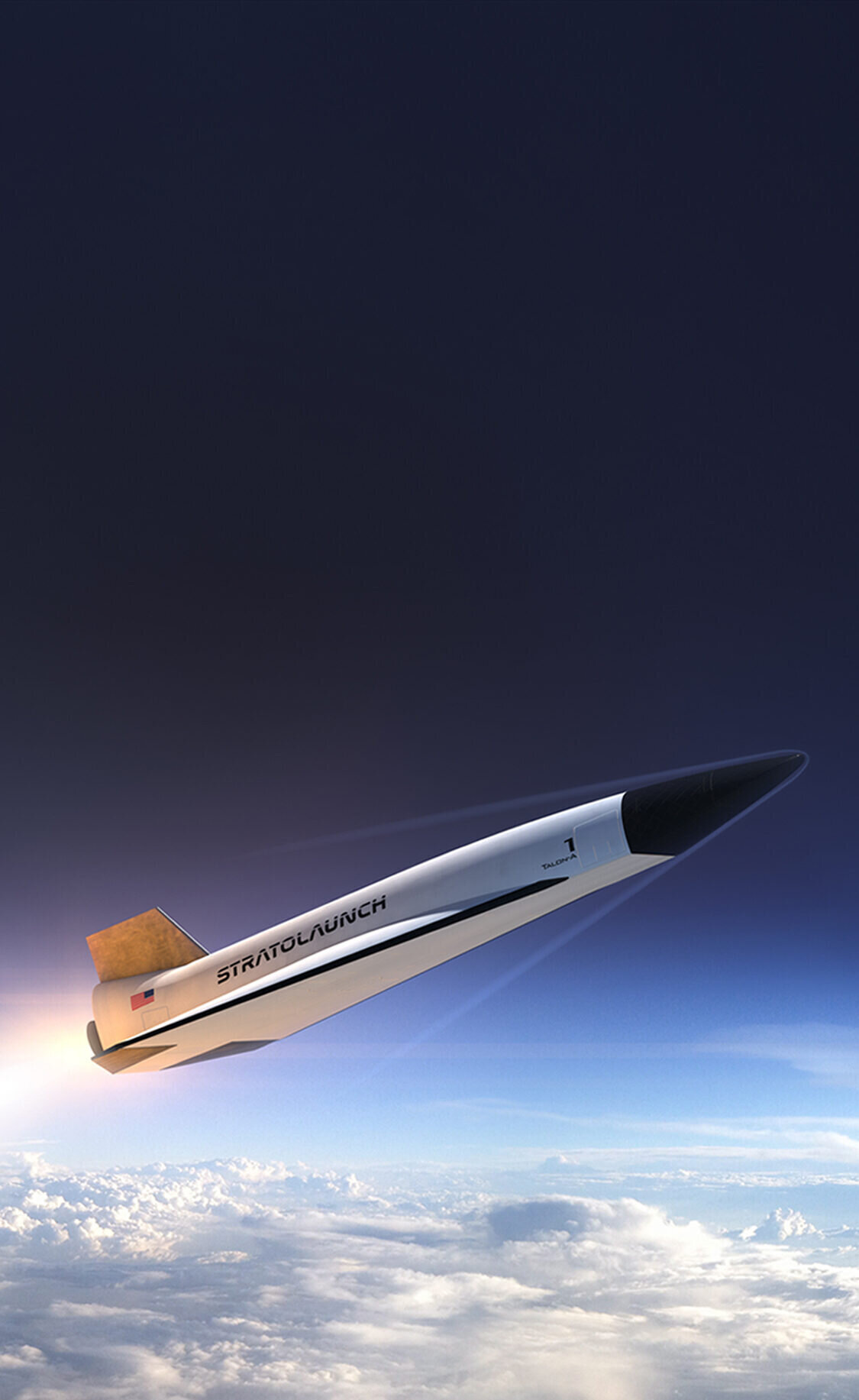
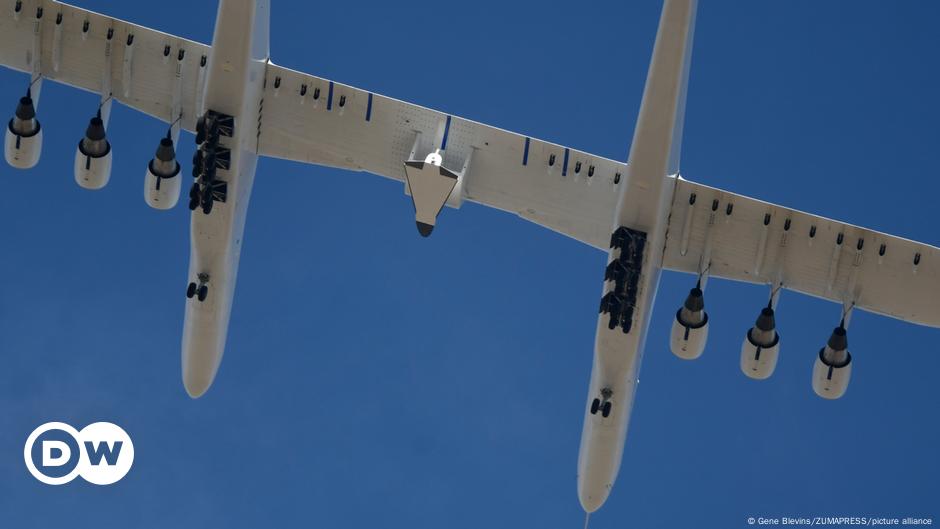
Stratolaunch successfully conducted the first powered test flight of a new unmanned hypersonic research craft, the Talon-A-1, off the coast of California. The vehicle reached high supersonic speeds approaching Mach 5 and collected valuable data, marking a major milestone in the development of privately funded, reusable hypersonic test capability. The massive carrier aircraft, Roc, released the Talon, which was powered by a liquid-fuel rocket engine and ended its flight with a controlled descent into the ocean. Stratolaunch aims to develop a reusable version capable of landing on a runway for future use in hypersonic research.
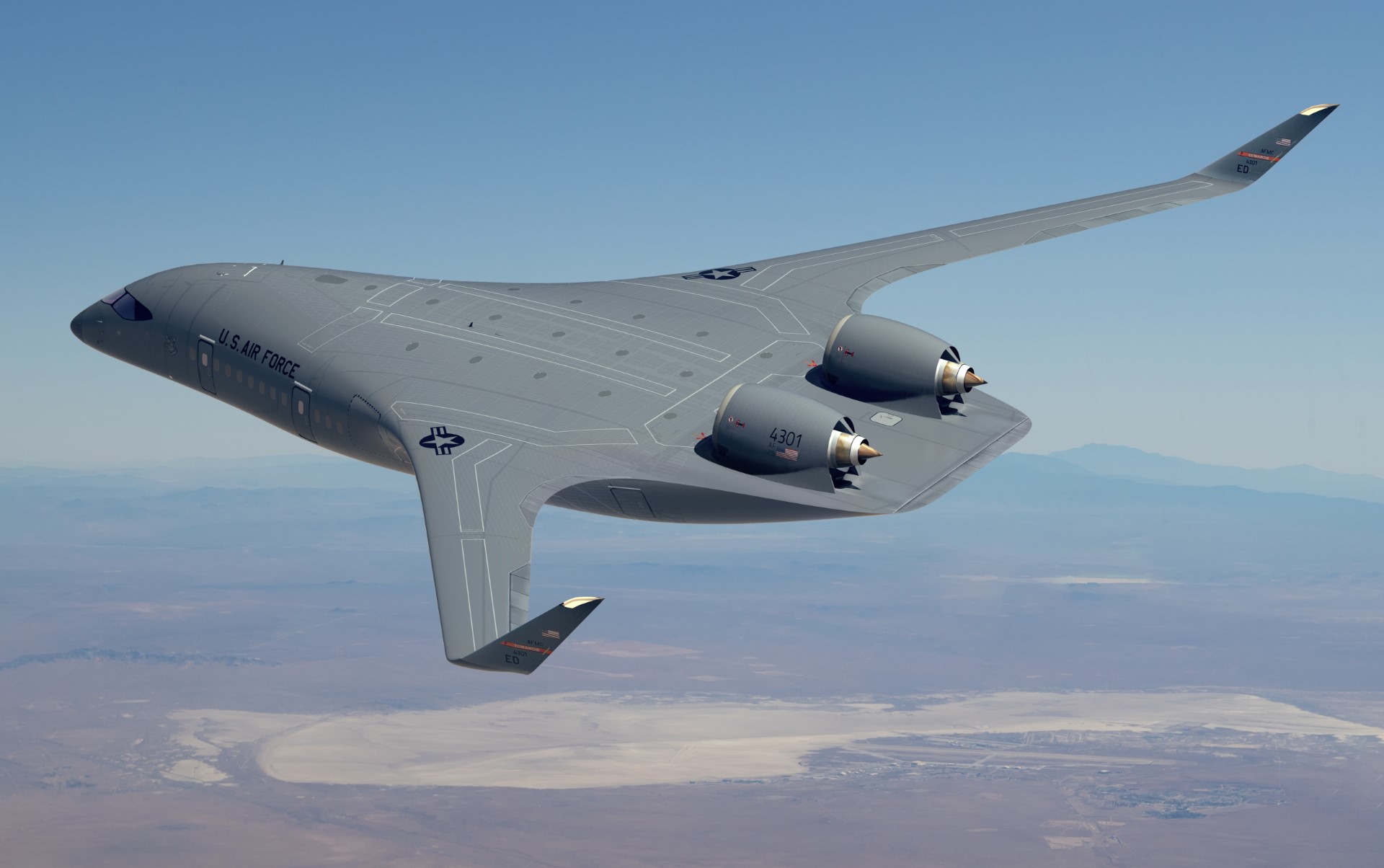
The US Air Force has selected aerospace startup JetZero to build a prototype Blended-Wing Body (BWB) aircraft, which aims to test and demonstrate new technologies. The BWB design, departing from traditional tube-and-wing aircraft, is expected to reduce drag by 30% and provide additional lift, potentially leading to extended range, increased payload delivery efficiencies, and reduced fuel consumption. The project, led by the Air Force Operational Energy Office, has the potential to significantly reduce fuel demand and carbon emissions. The BWB concept is applicable to theater lift and air refueling, which collectively account for 60% of the Air Force's annual fuel consumption. The technology is also expected to have commercial applications, offering benefits to passenger and air freight companies by increasing interior space and decreasing operational fuel costs.