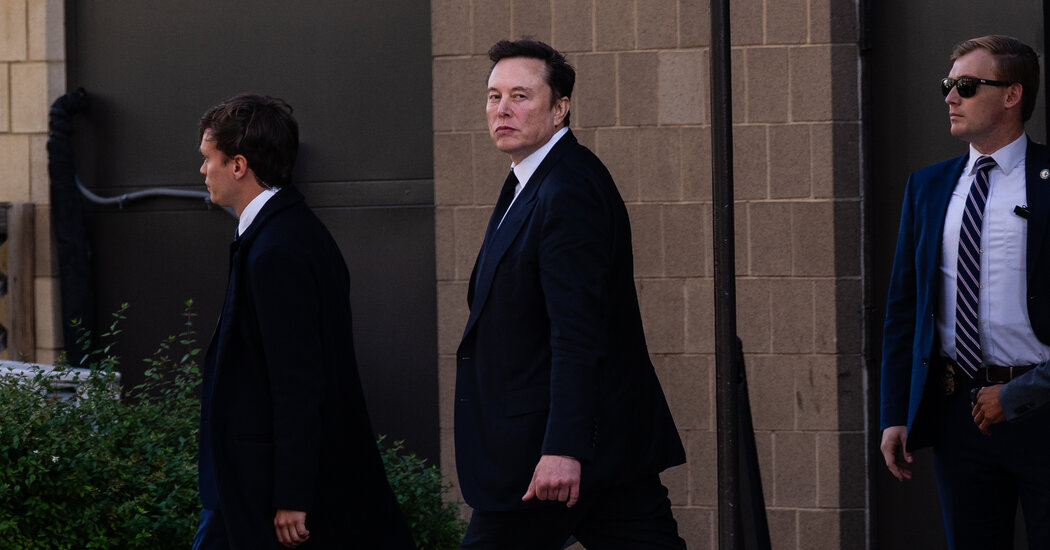
Elon Musk and Vivek Ramaswamy have advocated for a return to five-day workweeks for federal employees, suggesting that this change could improve efficiency and productivity within government operations.
A KPMG survey reveals that 30% of CEOs at major US companies are considering implementing a shorter workweek, such as four or four-and-a-half days, to combat employee burnout amid the ongoing labor shortage. Other popular initiatives to address burnout include mental well-being programs, use of AI tools to lighten workloads, strengthening personal relationships among colleagues, and training for managers to effectively address burnout.
A KPMG survey reveals that 30% of large US companies are considering implementing four-day or four-and-a-half-day workweeks to address employee burnout and attract talent. While many workers express a preference for a shorter workweek, the approach is still in the experimental phase, with CEOs exploring its impact on employee health, productivity, and cost. Some companies that have trialed shorter workweeks are continuing with the approach, and AI may play a role in making it more feasible. Additionally, CEOs are increasingly embracing workplace flexibility, with a shift towards hybrid and remote work arrangements.
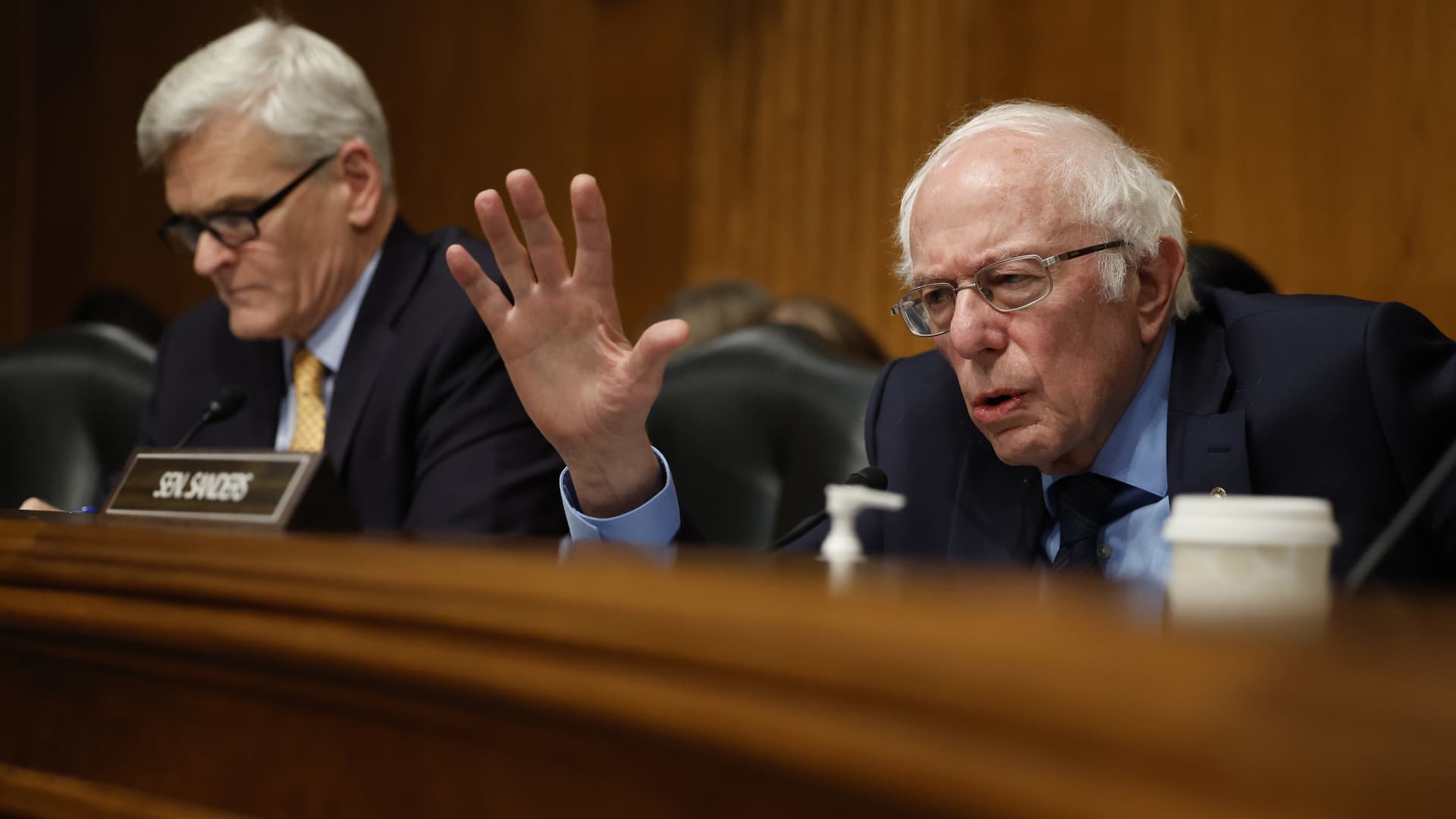
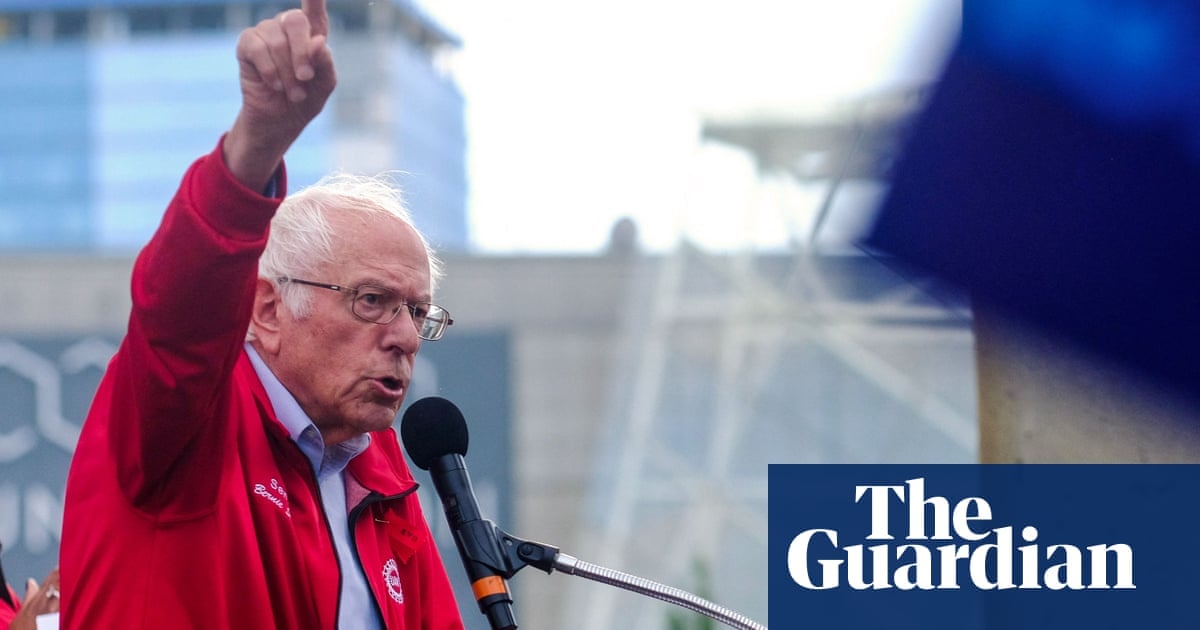
Senate Democrats, led by Sen. Bernie Sanders, are pushing for a bill to mandate a 32-hour federal workweek, citing AI and automation advancements. The proposed legislation aims to reduce the standard workweek from 40 to 32 hours over four years, with provisions for overtime compensation and protection of total weekly wages. Supporters argue that this change would improve work-life balance, while opponents, particularly Republicans, express concerns about its impact on small businesses and industries like retail. Testimonies presented varying perspectives on the productivity and well-being effects of a shorter workweek, with discussions also touching on the potential influence of AI on the economy.
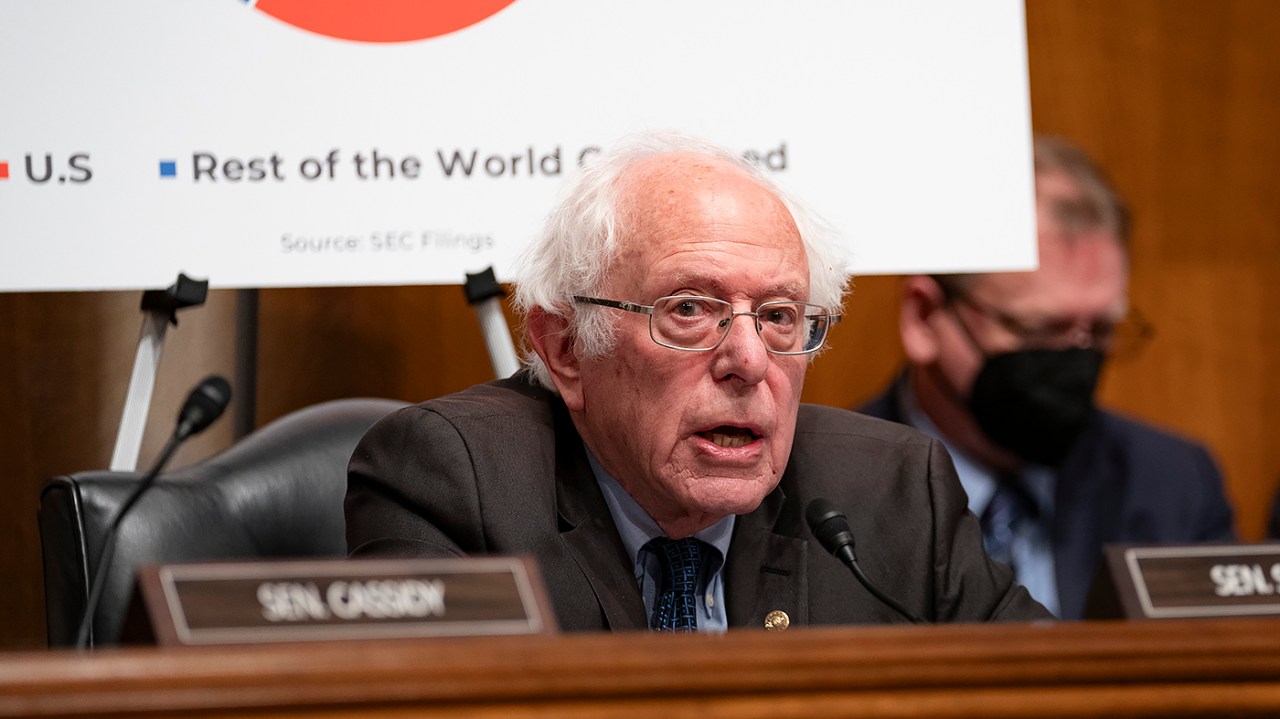
Senator Bernie Sanders has introduced a bill to establish a standard four-day workweek in the United States without reducing pay, gradually lowering the overtime threshold to 32 hours and ensuring overtime pay at 1.5 times the regular salary for workdays longer than 8 hours. The legislation aims to address the disparity between increased worker productivity and stagnant wages, with Sanders emphasizing the need for workers to benefit from technological advancements. The bill has been introduced in both the Senate and the House, with proponents highlighting the potential for improved work-life balance and workplace productivity.
Despite a booming labor market, the highest-earning, young, and female workers are putting in fewer hours than before the pandemic, with the average workweek hitting a five-year low. This trend is not necessarily negative, as some workers are seeing their incomes rise while working less, possibly due to increased flexibility and higher wages. Economists suggest that companies may be hoarding workers and working them less intensively rather than laying them off, reflecting a shift in attitudes towards work-life balance and a potential normalization of the "work to live" perspective.
Despite a booming job market, the highest-earning, young, and female workers are putting in fewer hours than before the pandemic, leading to the average workweek dropping to pre-pandemic levels. This trend, observed by ADP, suggests a shift in work patterns, with some workers experiencing higher incomes while working less. Economists speculate that companies may be retaining workers but reducing their hours due to softening demand, a change in talent management, and a growing emphasis on work-life balance. This reflects a broader historical trend of workers seeking higher pay and less work, and raises questions about the potential for Americans to work fewer hours compared to other developed nations.
Nobel Prize-winning economist Christopher Pissarides, who previously predicted that generative AI like ChatGPT could lead to a four-day workweek, now feels even more certain about his prediction. Pissarides believes that tools like ChatGPT will improve the quality of work and productivity, allowing employees to accomplish in four days what they currently do in five. While the possibility of a shorter workweek is gaining traction, the impact of AI on pay remains uncertain. Pissarides argues that pay will not necessarily decrease as productivity improves. However, the future of AI and its potential impact on jobs and society still holds many unknowns.
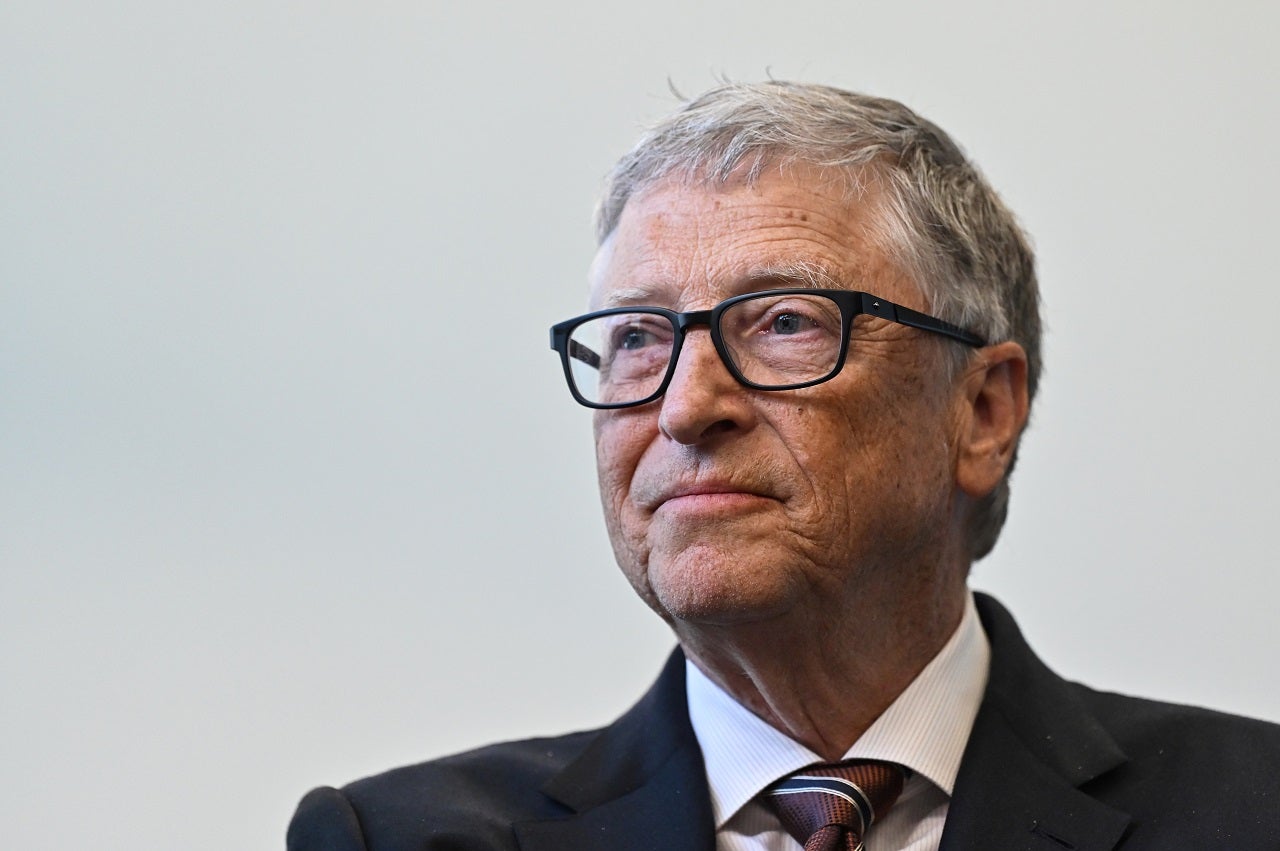
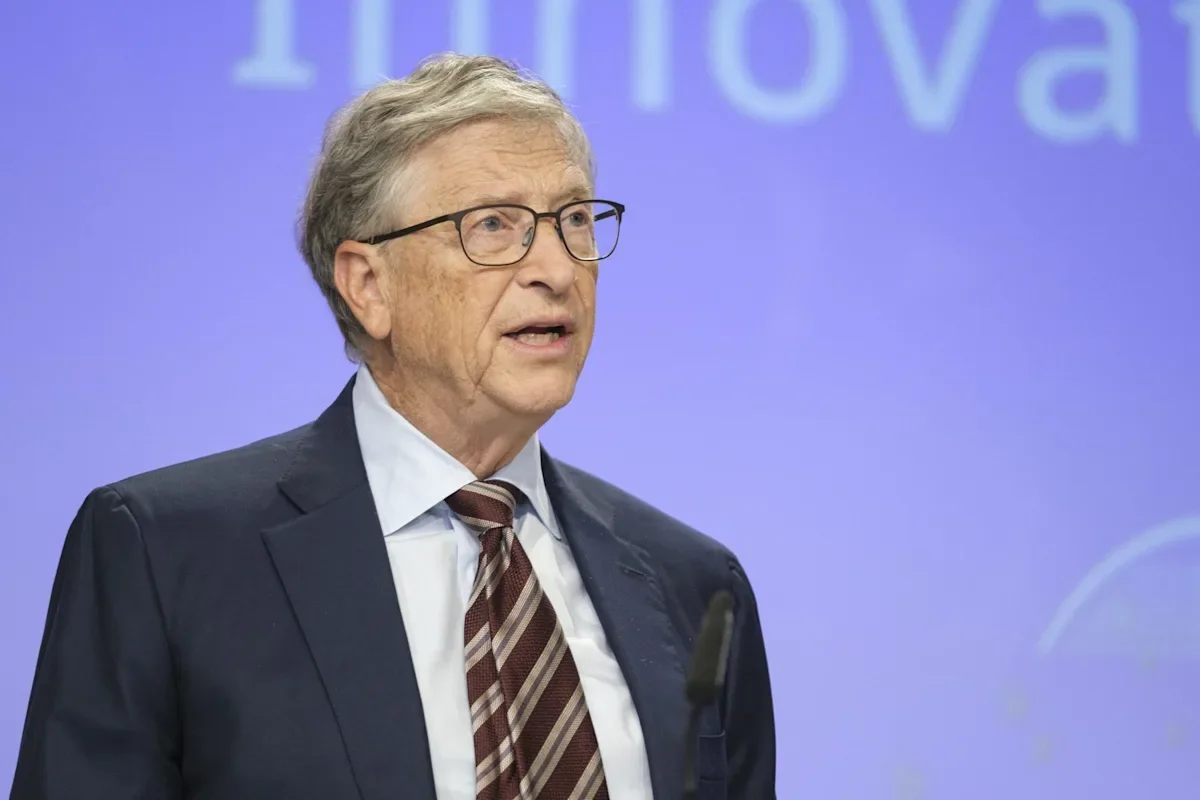
Bill Gates discussed the potential of artificial intelligence (AI) on Trevor Noah's podcast, suggesting that AI could lead to a three-day work week as machines take over tasks and increase productivity. Gates emphasized that the purpose of life is not solely to work and that leisure time could be beneficial if matched with the right skills and government support for retraining. He acknowledged the potential job displacement caused by AI but believes that if the transition is gradual and assistance is provided, it can be managed effectively. Gates has previously highlighted the benefits of AI in various sectors and called for establishing guidelines to mitigate any downsides. The adoption of AI by companies is increasing, with many expecting it to create job growth rather than cuts.
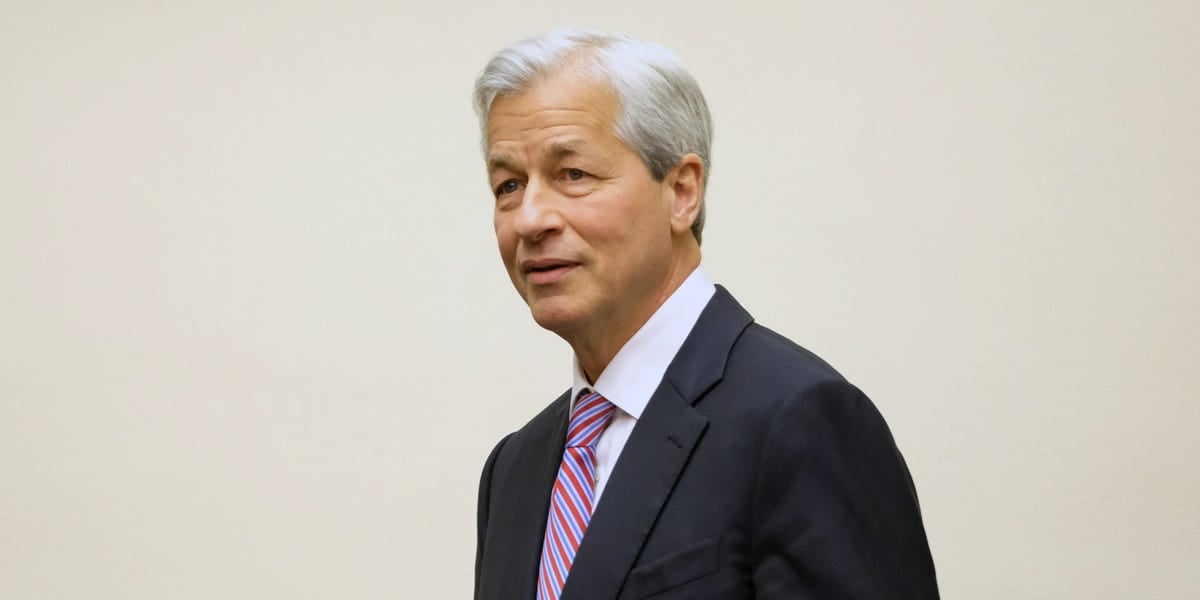
Bill Gates believes that the rapid advancement of artificial intelligence (AI) could lead to a future where humans only need to work three days a week, as machines would be capable of producing everything. Gates predicts that AI will change the way people work, learn, travel, receive healthcare, and communicate. JPMorgan Chase CEO Jamie Dimon also shares this view, stating that AI could allow people to work as little as three-and-a-half days a week. However, analysts at Goldman Sachs have warned that generative AI could potentially result in the loss of 300 million jobs. Despite concerns, Dimon believes that the fear of AI is unfounded, as technology has historically replaced jobs while also bringing significant benefits to society.
Microsoft founder Bill Gates envisions a future where artificial intelligence (AI) enables a three-day work week, with machines handling tasks like food production. Gates believes that AI's productivity gains can free up human labor for more meaningful pursuits, such as caring for the elderly and reducing class sizes. Other tech leaders, including JPMorgan's CEO Jamie Dimon and Tesla's Elon Musk, have also predicted shorter workweeks due to AI advancements. However, concerns remain about the potential displacement of jobs, with estimates suggesting that AI could replace millions of full-time positions globally.
Germany's finance minister, Christian Lindner, has expressed his opposition to the idea of a four-day workweek, stating that no society has ever increased its prosperity by working less. However, a survey shows that 73% of Germans support the switch to a four-day workweek, assuming they receive the same pay. Some German companies have already begun experimenting with longer workdays in exchange for an extra day off, citing potential benefits such as increased motivation and fewer sick days. The upcoming round of collective bargaining talks in Germany will include discussions on a 32-hour workweek with full pay. Meanwhile, corporate owners in other parts of the world, such as Narayana Murthy and Elon Musk, have expressed opposition to working less or working from home.
JPMorgan CEO Jamie Dimon predicts that artificial intelligence (AI) will eventually lead to a 3.5-day workweek, as AI technology eliminates tedious tasks and potentially replaces some jobs. Dimon believes that AI will improve the quality of life for future workers, allowing for more leisure time. While economists and companies have seen positive results from testing a four-day workweek, concerns about job displacement due to AI remain. However, AI is also creating new job opportunities, and Dimon is working on developing a tool similar to ChatGPT to assist investors.
Bernie Sanders advocates for a serious discussion on substantially lowering the workweek in response to the increasing productivity brought about by artificial intelligence and robotics. He argues that the benefits of technological advancements should be shared with workers, allowing them to have more paid time off for personal and family activities. Sanders supports the United Auto Workers' demand for a four-day work week, along with better wages, retirement benefits, and job security protections. He criticizes the excessive salaries of car manufacturers' executives and highlights the disparity between their earnings and those of their workers. The strike by the UAW against major carmakers could have implications for the US economy and potentially lead to higher car prices.
The Navy is facing a recruiting struggle and as a result, its recruiters will be working six-day workweeks and longer tours of duty. The move comes as the Navy is struggling to meet its recruiting goals for the year, with a projected shortfall of 6,000 sailors. The service is considering additional measures such as early transfers and extensions to address the recruiting shortfalls. The Navy has also been offering large bonuses to attract recruits. Despite the challenges, Navy leaders emphasize the importance of bringing in the best and most qualified recruits.