
Tag

Workforce Shortage

All articles tagged with #workforce shortage

US Tech Sector Faces Challenges Amid H-1B Visa Fee Increase

Originally Published 3 months ago — by BBC

Featured image for US Tech Sector Faces Challenges Amid H-1B Visa Fee Increase
Source: BBC

The US government's plan to impose a $100,000 fee on H-1B visa applications is causing concern among small firms, startups, and sectors like healthcare and education, as it could hinder their ability to hire skilled foreign workers, potentially impacting innovation and economic growth. While large tech companies may absorb the cost, smaller firms and nonprofits face significant challenges, leading to fears of offshoring and workforce shortages.
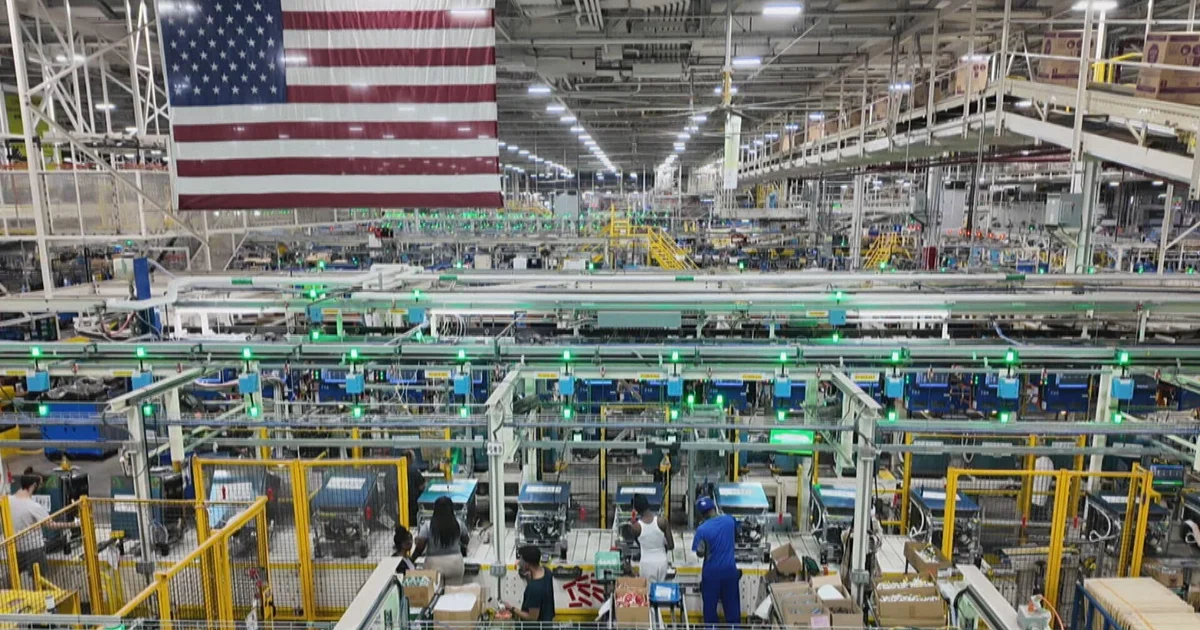

Louisville Factory Lays Off Immigrants Following Immigration Status Revocation

Originally Published 3 months ago — by CBS News

Featured image for Louisville Factory Lays Off Immigrants Following Immigration Status Revocation
Source: CBS News

A Louisville-based GE Appliances plant laid off nearly 150 immigrant workers, mostly Cubans, after their legal immigration status was revoked due to the termination of the Biden-era parole program CHNV by the Trump administration, causing workforce shortages and concern among remaining immigrant employees about their future legal status.

Immigration raids resume amid industry concerns and conflicting policies

Originally Published 6 months ago — by Axios

Featured image for Immigration raids resume amid industry concerns and conflicting policies
Source: Axios

The White House immigration crackdown is leading to the deportation of foreign-born healthcare workers, particularly in the long-term care industry, exacerbating staff shortages and threatening the quality of care for the elderly and disabled in the U.S., with advocates warning of significant negative impacts on vulnerable populations.

"Child Care Crisis Strains Military Families"

Originally Published 1 year ago — by NBC News

Featured image for "Child Care Crisis Strains Military Families"
Source: NBC News

Military families are facing severe child care shortages, exacerbated by frequent relocations, unconventional work hours, and a lack of available child care workers. This crisis is causing significant stress and financial strain, leading some service members to consider leaving the military. Despite efforts by the military to improve the situation, including offering bonuses and increasing wages for child care workers, the problem persists, threatening mission readiness and recruitment. Legislative proposals aim to address these challenges, but many military spouses continue to struggle with balancing child care and career aspirations.

"Long-Term Care Demand Soars Amid Worker Shortage"

Originally Published 1 year ago — by The Associated Press

Featured image for "Long-Term Care Demand Soars Amid Worker Shortage"
Source: The Associated Press

Despite increasing demand for long-term care due to an aging population, providers are struggling to find workers due to low wages, high turnover, and insufficient Medicaid reimbursement rates. The COVID-19 pandemic exacerbated these issues, leading to severe staff shortages and overworked remaining employees. Efforts to improve wages and recruitment are ongoing, but the industry faces significant challenges in meeting future demand.

"Rising Costs and Workforce Shortage: Alzheimer's Impact on Caregivers and Communities"

Originally Published 1 year ago — by KSTP

Featured image for "Rising Costs and Workforce Shortage: Alzheimer's Impact on Caregivers and Communities"
Source: KSTP

The 2024 Facts and Figures Report from the Alzheimer’s Association reveals a rising prevalence of dementia in the U.S., leading to increased costs for families managing care. The report estimates the lifetime cost of dementia care to be nearly $400,000, primarily covered by family caregivers, and projects a $15 million increase in care spending this year. Additionally, a workforce shortage of 1 million direct care workers by 2031 is predicted, highlighting the need for improved care navigation and support systems.

"Science Chief Warns of Shrinking Talent Pool Threatening Health Progress"

Originally Published 1 year ago — by Financial Times

The shrinking talent pool in the healthcare sector is posing a threat to the progress of public health, as warned by a science chief. The shortage of skilled workers in the healthcare industry could hinder advancements in medical research and the delivery of essential services, potentially impacting the overall well-being of the population.

"Vermont Embraces Remote Work as a Post-Pandemic Norm"

Originally Published 2 years ago — by WCAX

Featured image for "Vermont Embraces Remote Work as a Post-Pandemic Norm"
Source: WCAX

Remote work continues to be a popular option in Vermont even after the pandemic, with many companies allowing employees to work remotely or in hybrid setups. Coworking spaces like Do North Coworking in Lyndon have seen an increase in demand for office space, with more people looking for a desk outside their homes. While remote work offers benefits such as a broader talent pool and aligning with the state's population goals, it also presents challenges for businesses in terms of competing on wages and benefits. The future of empty building spaces belonging to former in-person companies remains uncertain as leases begin to turn.

Labor Shortage Threatens Chipmakers' Plans for New US Factories

Originally Published 2 years ago — by Yahoo Finance

Chipmakers such as Intel and TSMC have invested $231 billion in new US factories, but they are facing a shortage of skilled workers to operate them. Labor shortages have already impacted the construction of a major project in Phoenix, and a national shortfall could complicate efforts by other chipmakers in Ohio, New York, Texas, and Utah. The workforce issue poses a challenge to the US semiconductor industry's efforts to reverse its decline and could complicate President Biden's case for re-election. The Biden administration has allocated $200 million for workforce development, but estimates suggest a shortfall of hundreds of thousands of semiconductor workers by 2030. The possibility of a labor shortage may prompt discussions on immigration and policies that place more responsibility on companies for training.

Ukrainian Refugees Fill North Dakota Oil Field Jobs Amid Labor Shortage

Originally Published 2 years ago — by New York Post

Featured image for Ukrainian Refugees Fill North Dakota Oil Field Jobs Amid Labor Shortage
Source: New York Post

Thousands of Ukrainians are finding refuge in North Dakota as they fill oil field jobs amid a labor shortage. Through programs like Uniting for Ukraine and the Bakken Global Recruitment of Oilfield Workers, Ukrainians are being recruited to work in North Dakota's oil industry. The program aims to recruit 100 workers by the end of 2023 and 400 after one year. The workers start in construction and other basic jobs, with the opportunity for advancement and higher wages. The arrival of Ukrainians is expected to make a significant difference to the local economy and schools in cities like Minot and Dickinson.

Ukrainians Seek Oil Field Jobs in North Dakota to Support War-Torn Families

Originally Published 2 years ago — by POLITICO

Featured image for Ukrainians Seek Oil Field Jobs in North Dakota to Support War-Torn Families
Source: POLITICO

Thousands of Ukrainians are moving to North Dakota to work in the oil fields, seeking high-wage jobs to support their families back home amid the ongoing war in Ukraine. A pilot effort by the Uniting for Ukraine humanitarian program and the North Dakota Petroleum Council's Bakken Global Recruitment of Oilfield Workers program aims to recruit refugees and migrants to address the workforce shortage. The program provides support for finding work, healthcare, schools, and housing for Ukrainian workers and their families. The goal is to recruit 100 workers by the end of 2023 and 400 workers after one year.

Ukrainians Seek Oil Field Jobs in North Dakota to Support War-Torn Families

Originally Published 2 years ago — by Yahoo News

Featured image for Ukrainians Seek Oil Field Jobs in North Dakota to Support War-Torn Families
Source: Yahoo News

Thousands of Ukrainians are moving to North Dakota to work in the oil fields, seeking high-wage jobs to support their families back home amid the ongoing war in Ukraine. Through programs like Uniting for Ukraine and the Bakken Global Recruitment of Oilfield Workers, Ukrainians are being recruited to fill the workforce shortage in North Dakota. The program sponsors provide assistance in finding work, healthcare, schools, and housing for the new arrivals. While the number of Ukrainian workers may seem small, their presence is making a significant impact on cities like Minot and Dickinson. The program aims to recruit 100 workers by the end of 2023 and 400 after one year.

Ukrainians Seek Oil Field Jobs in North Dakota to Support War-Torn Families

Originally Published 2 years ago — by The Associated Press

Featured image for Ukrainians Seek Oil Field Jobs in North Dakota to Support War-Torn Families
Source: The Associated Press

Thousands of Ukrainians are moving to North Dakota to work in the oil fields, seeking high-wage jobs to support their families back home amid the ongoing war in Ukraine. A trade group's pilot effort, the Uniting for Ukraine humanitarian program, is recruiting refugees and migrants to address the workforce shortage. The program aims to help Ukrainians find work, healthcare, schools for their children, and safe housing. About 160 Ukrainians have already arrived in North Dakota, with more expected to join. The workers have experience in various industries and are willing to take on basic jobs starting at $20 an hour, with the opportunity for advancement.

"Projected Labor Shortage: US Chip Industry Faces 67,000 Worker Deficit by 2030"

Originally Published 2 years ago — by Reuters

Featured image for "Projected Labor Shortage: US Chip Industry Faces 67,000 Worker Deficit by 2030"
Source: Reuters

The U.S. semiconductor industry is expected to face a shortage of approximately 67,000 workers by 2030, according to a study by the Semiconductor Industry Association (SIA) and Oxford Economics. Despite the projected growth of the industry's workforce to 460,000 by the end of the decade, the current rate of graduates from schools will not be sufficient to fill the increase. The study highlights the need to strengthen the domestic chip sector, with the recently signed CHIPS Act providing funding for new manufacturing sites and research and development. The shortage of skilled chip workers is part of a larger shortfall of science, technology, engineering, and math (STEM) graduates in the U.S.

Wisconsin considers allowing 14-year-olds to serve alcohol

Originally Published 2 years ago — by The Associated Press

Featured image for Wisconsin considers allowing 14-year-olds to serve alcohol
Source: The Associated Press

Two Republican lawmakers in Wisconsin have circulated a bill that would allow 14-year-olds to serve alcohol to seated customers in bars and restaurants. Currently, only workers aged 18 and above can serve alcohol to customers in the state. The bill aims to address workforce shortage problems in the food and beverage industry. The proposal must pass the Senate and Assembly, both controlled by Republicans, and be signed by Democratic Gov. Tony Evers to become law.