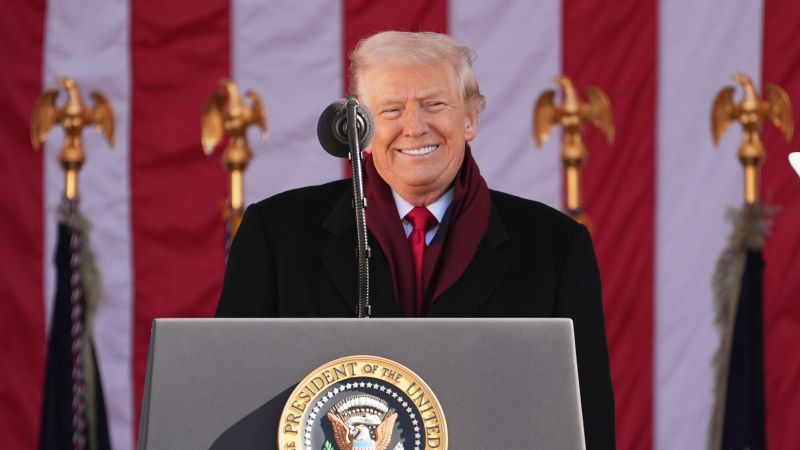
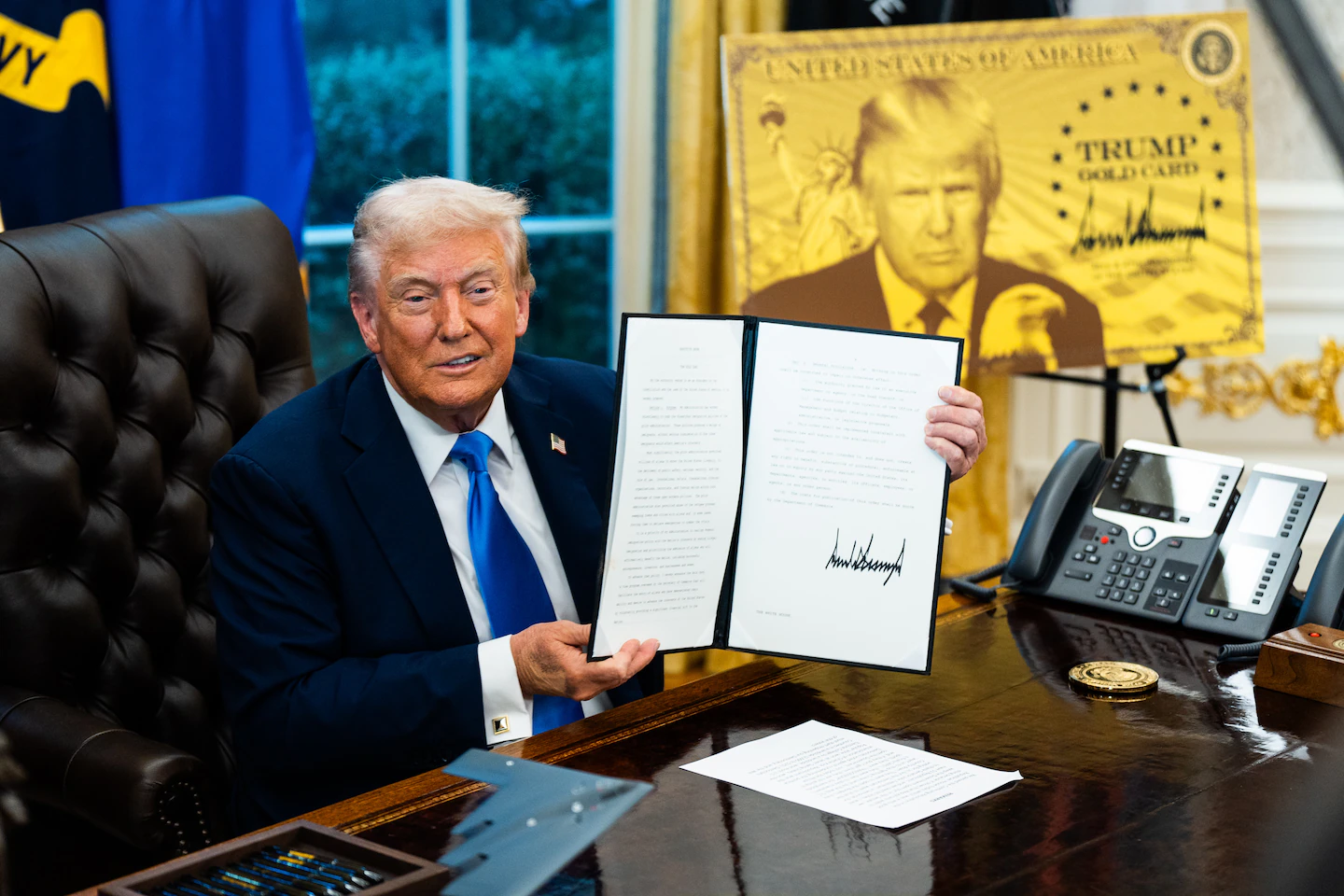
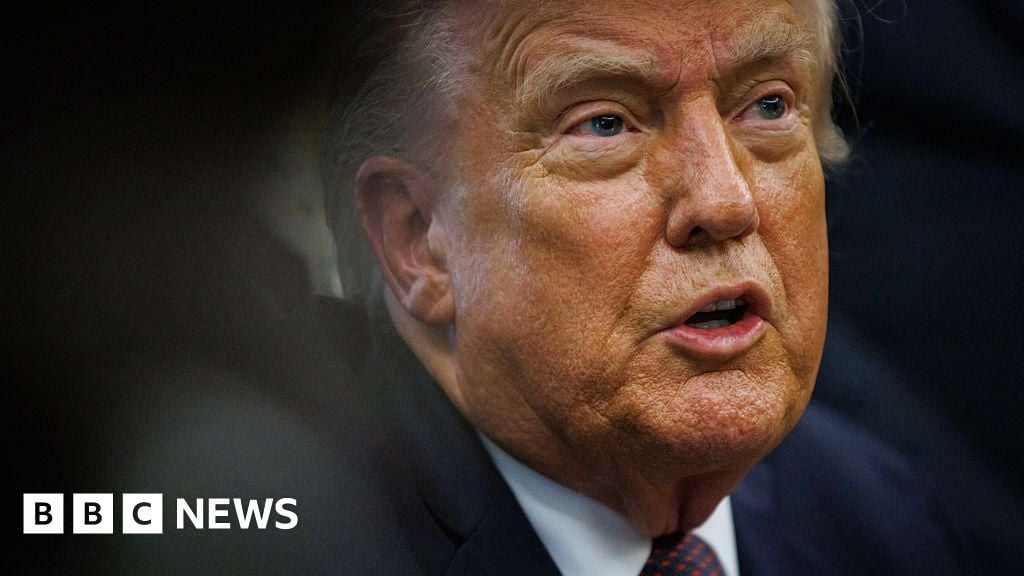
President Trump expressed skepticism about the US having enough talented domestic workers to fill certain jobs, emphasizing the need for skilled foreign workers and defending the H1-B visa program amid ongoing immigration crackdowns and efforts to limit foreign labor.
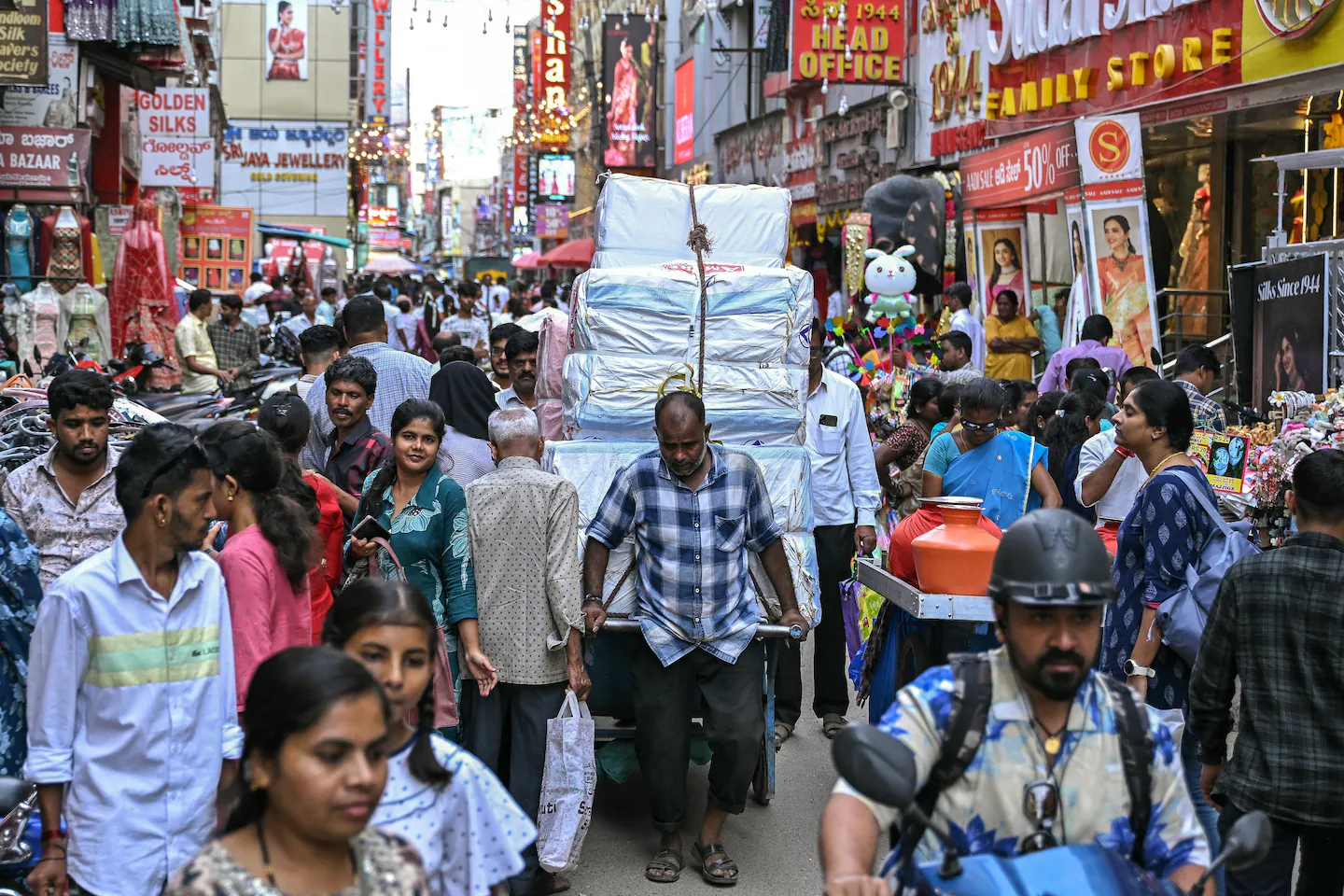
The article discusses the potential impact of former President Trump's targeting of H-1B visas on India's ability to attract back skilled workers, amid ongoing debates on immigration policies.
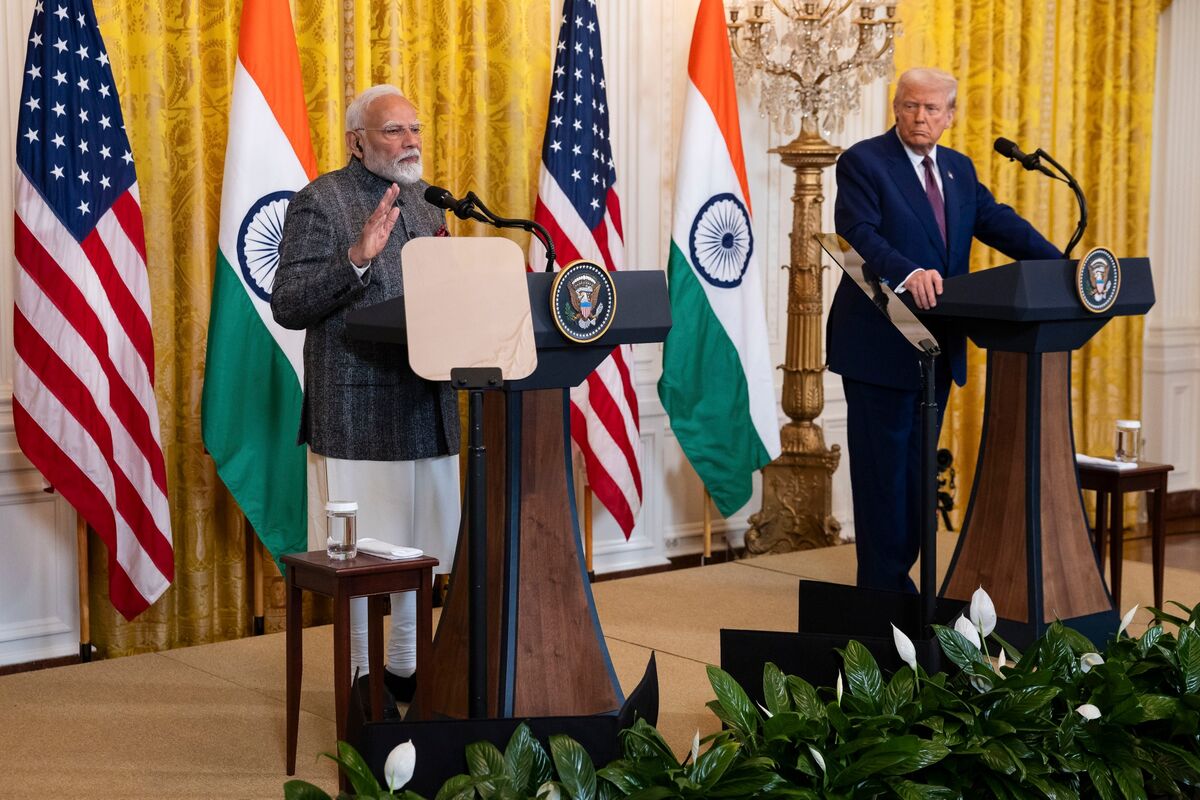
India is seeking to ease access for skilled workers, including IT professionals, in US trade negotiations amid US restrictions on H-1B visas, as part of efforts to reach a bilateral trade deal and protect India's services exports.
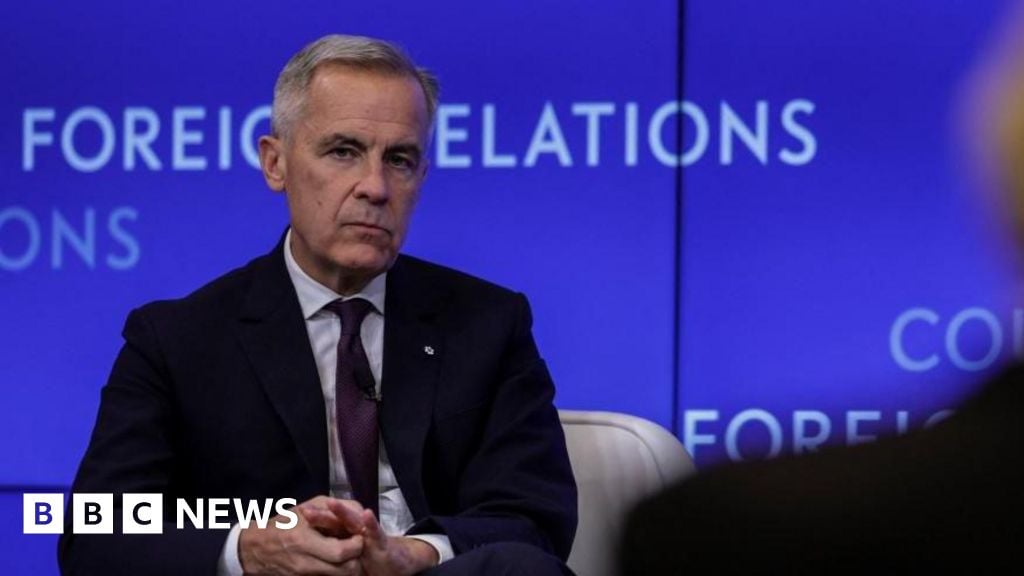
As the US increases fees and restrictions on the H-1B visa program, Canada sees an opportunity to attract highly skilled foreign workers, but faces its own challenges in immigration policy and attracting talent. Experts suggest Canada could benefit from this shift, but must address systemic issues to fully capitalize on the opportunity.
President Trump announced a new $100,000 fee for H1-B visa applicants, causing confusion and concern among companies and potential workers, with the new rules taking effect soon.
President Trump plans to implement a $100,000 fee for H-1B visa applicants, citing abuse of the program, which is used to bring skilled foreign workers to the US. The move aims to restrict entry and address concerns about program misuse, while the debate over its impact on American workers continues. The number of applications has recently hit a four-year low, with major tech companies being significant beneficiaries of the program.
New Zealand is tightening its visa rules for migrants in response to "unsustainable" levels of immigration, with changes to the Accredited Employer Work Visa program aimed at reducing vulnerability to exploitation while still attracting skilled workers. The government aims to prioritize New Zealanders for jobs and has introduced English language requirements for low-skilled roles, set minimum skills and work experience thresholds, and reduced the maximum continuous stay for most low-skilled positions. Some roles in the transport and care sectors will be exempt from these requirements.
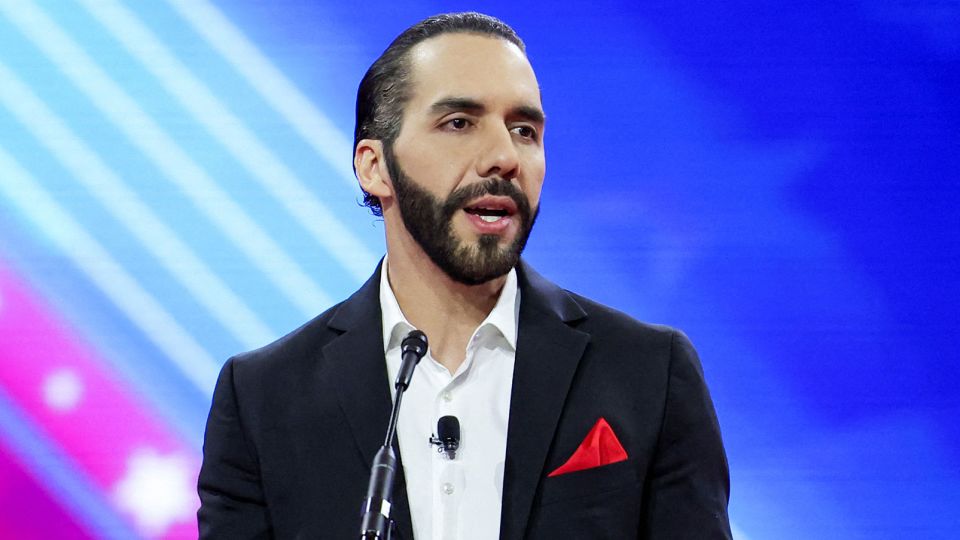
El Salvador's President Nayib Bukele has announced the offer of 5,000 "free passports" to highly skilled workers from abroad, granting them full citizen status and voting rights in an effort to boost the country's economy with foreign investment. The offer includes assistance with relocation and the elimination of taxes and tariffs on moving families and assets. This move is part of a series of radical reforms under Bukele's leadership, including adopting Bitcoin as legal tender and a crackdown on crime that has drawn criticism for alleged human rights abuses.
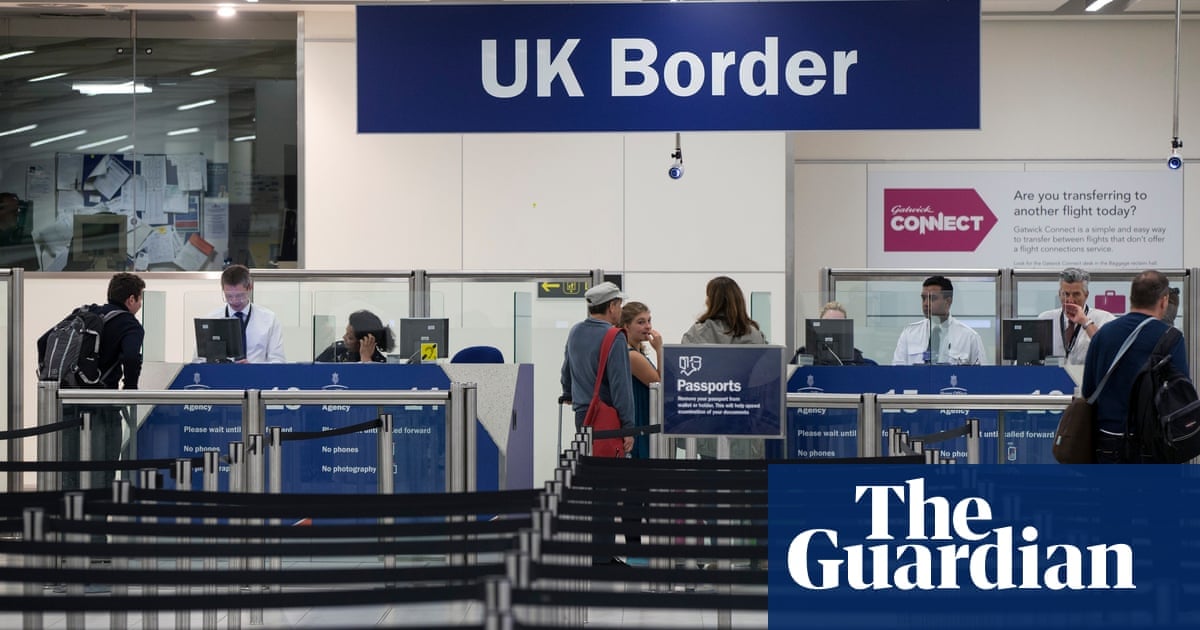
Thousands of couples, skilled workers, international students, and health and care workers in the UK are facing separation and financial uncertainty due to the government's overhaul of immigration rules. The new rules, set to take effect next spring, increase the minimum income requirement for bringing family members or partners from abroad to £38,700, up from £18,700. This change will make it difficult for many to renew visas or bring loved ones to the UK. The new policies have left individuals feeling stressed, demoralized, and considering leaving the country. The rules also impact international students' career prospects and could lead to a lack of trust in the UK's invitation to legal immigrants.
UK Home Secretary James Cleverly is set to announce a package of measures aimed at reducing net migration after figures reached a record high. The minimum salary requirement for skilled workers from overseas is expected to be increased to around £38,000, lower than the £40,000 reportedly agreed upon by Chancellor Rishi Sunak and former Home Secretary Suella Braverman. The package may also include a reduction in the number of dependents allowed for social care workers. The government aims to strike a balance between addressing abuse in the system and ensuring key roles can still be filled.
Germany's Cabinet has approved legislation to ease citizenship rules, aiming to enhance immigrant integration and address the country's shortage of skilled workers. The proposed changes include reducing the residency requirement for citizenship from eight to five years, or three years for those with "special integration accomplishments." German-born children would automatically become citizens if one parent has been a legal resident for five years. Restrictions on dual citizenship will also be lifted. The government believes these reforms will attract skilled workers and promote a diverse society, while critics argue it could hinder integration efforts and exacerbate irregular immigration.
The construction industry in the United States is facing the highest level of unfilled job openings ever recorded, with a shortage of approximately 650,000 workers. The labor challenges are exacerbated by rising material prices and supply chain disruptions. Despite higher pay and incentives, the industry struggles to attract younger workers due to safety concerns and a cultural bias towards four-year college degrees. Construction firms are working to build relationships with schools and increase diversity in the workforce, while immigration policy and training programs are seen as potential solutions to alleviate the labor shortage. The recent infrastructure bill has allocated funds for infrastructure updates but not for attracting and training new workers, further exacerbating the shortage.
The U.S. semiconductor industry is expected to face a shortage of approximately 67,000 workers by 2030, according to a study by the Semiconductor Industry Association (SIA) and Oxford Economics. Despite the projected growth of the industry's workforce to 460,000 by the end of the decade, the current rate of graduates from schools will not be sufficient to fill the increase. The study highlights the need to strengthen the domestic chip sector, with the recently signed CHIPS Act providing funding for new manufacturing sites and research and development. The shortage of skilled chip workers is part of a larger shortfall of science, technology, engineering, and math (STEM) graduates in the U.S.
Taiwan Semiconductor (TSMC) has announced a delay in the start of chip production at its Arizona factory, dealing a blow to President Biden's efforts to bring more chip manufacturing to the US. The delay is attributed to a shortage of skilled workers with the necessary expertise for equipment installation in a semiconductor-grade facility. TSMC now plans to begin production in 2025 instead of next year. The company also forecasted a 10% drop in sales this year due to slower demand for semiconductors. The US has been investing billions of dollars to boost its semiconductor industry amid an ongoing trade dispute with China.
Taiwan Semiconductor Manufacturing Co. (TSMC) has announced a delay in the start of mass production at its Arizona plant until 2025 due to a shortage of skilled workers and technicians needed to move equipment into the facility. The world's largest contract chipmaker cited the critical phase of handling and installing advanced equipment as the reason for the delay. Mass production was originally scheduled to begin in late 2024.