Emma Grede, a successful entrepreneur, argues that true work-life balance is a myth and emphasizes the importance of hard work and honesty about the effort required to achieve success. She advocates for a 'social contract' with employees, where companies provide a supportive environment, but individuals are responsible for managing their personal and professional lives, especially if they aim for high achievement.
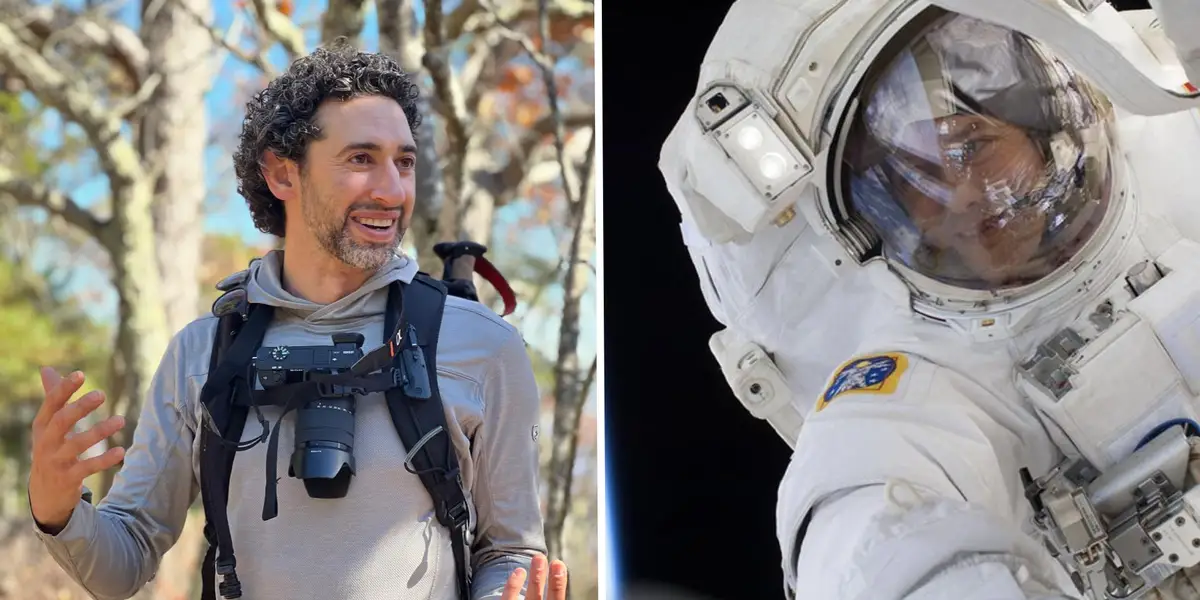
The article shares stories of seven individuals who transitioned to new careers in their 30s to 60s, driven by personal fulfillment, work-life balance, and passion, including shifts from finance, law, tech, and space exploration to roles like children's author, hiking guide, and AI specialist.
Chelsea Hirschhorn, CEO of Frida, advocates for a measured, thoughtful approach to business, bucking traditional startup trends of rapid growth and risk-taking. Her leadership style has evolved to emphasize empathy and understanding, influenced by her experiences as a working mother, and she prioritizes well-being and practical growth over venture capital funding.
A growing number of white-collar workers are voluntarily working on Sundays to better integrate work into their personal lives, challenging traditional boundaries and driven by remote work, digital connectivity, and a desire for flexibility, with some viewing Sunday work as a form of liberation and control over their schedules.
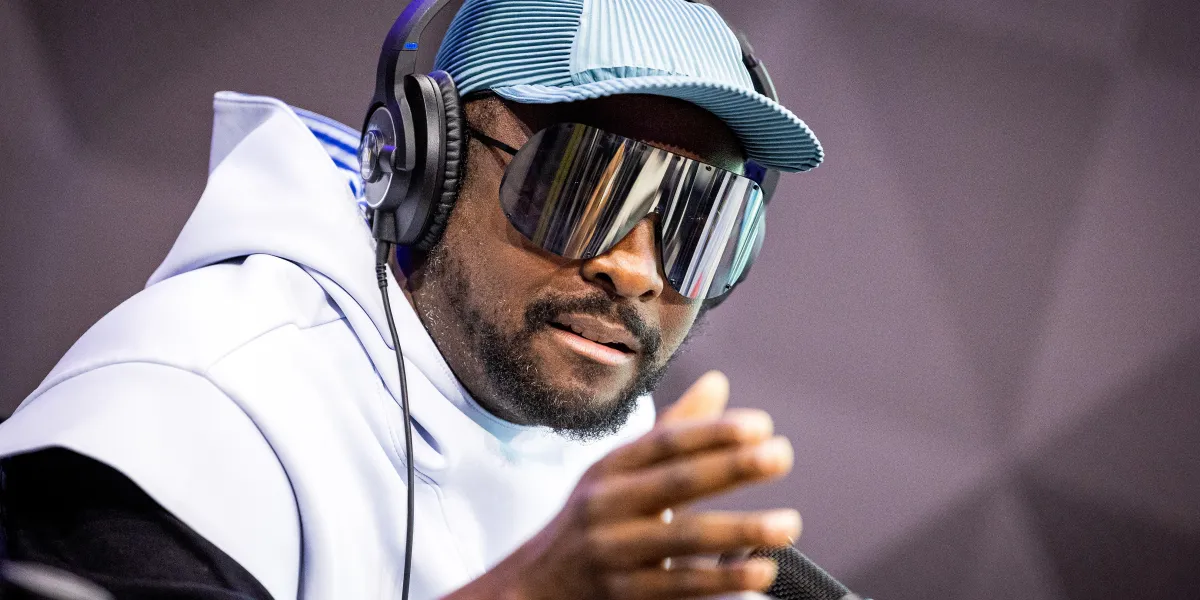
Will.i.am advocates for a 'dream-reality balance' over traditional work-life balance, emphasizing relentless pursuit of personal visions through extended work hours, even sacrificing celebrations, to materialize innovative ideas and success.
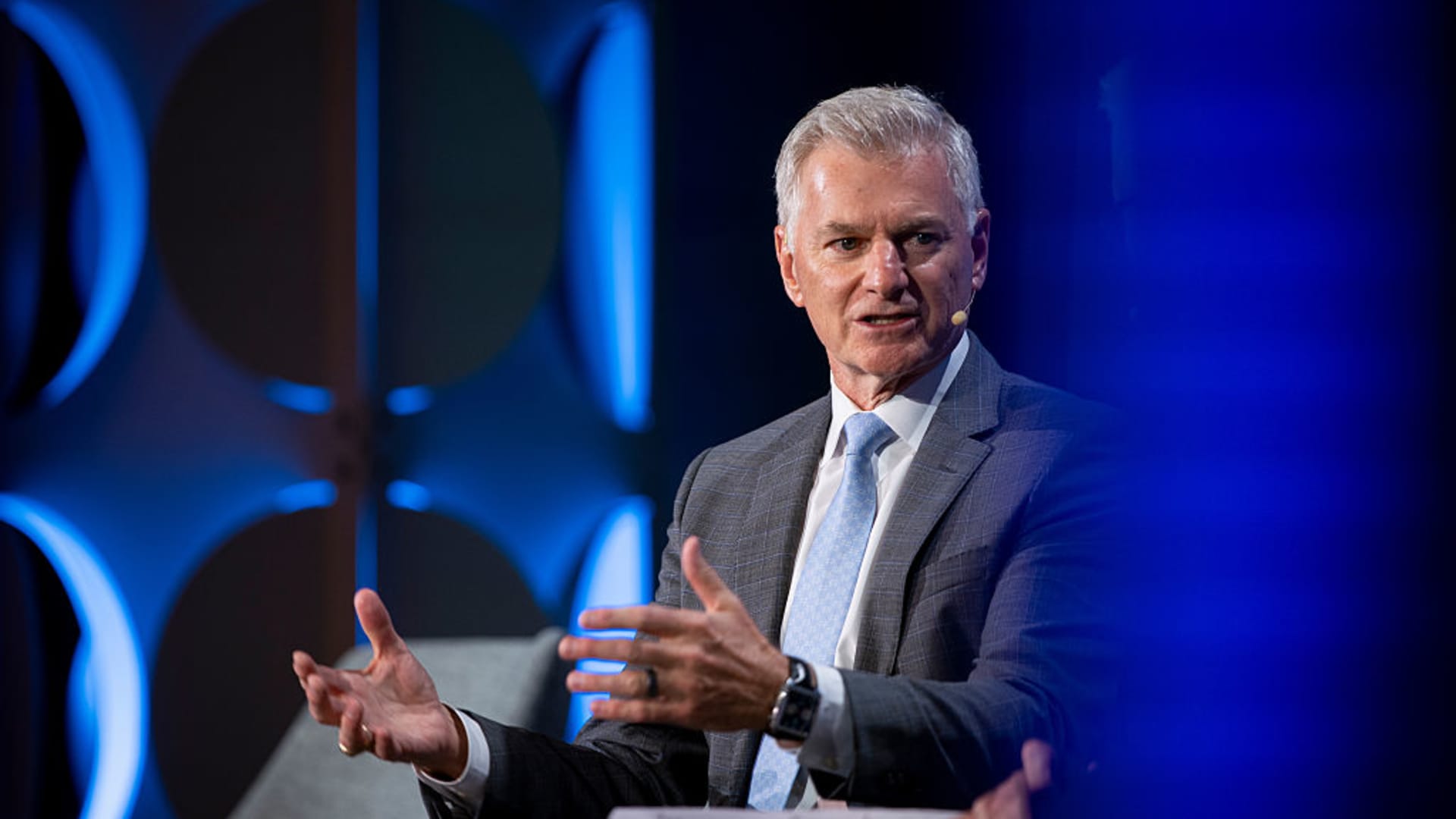
Southwest Airlines CEO Bob Jordan plans to block off Wednesday to Friday afternoons for focused work without meetings in 2026, aiming to combat meeting bloat and create protected time for important tasks, emphasizing the importance of saying no and prioritizing deep work for better leadership and productivity.
Andrew Rendon, a DevOps engineer, endured a 2.5-hour weekly supercommute from North Carolina to New Jersey for nearly a year due to job constraints and high living costs, but ultimately accepted a lower-paying in-office job in North Carolina, significantly reducing his commute and improving his quality of life.
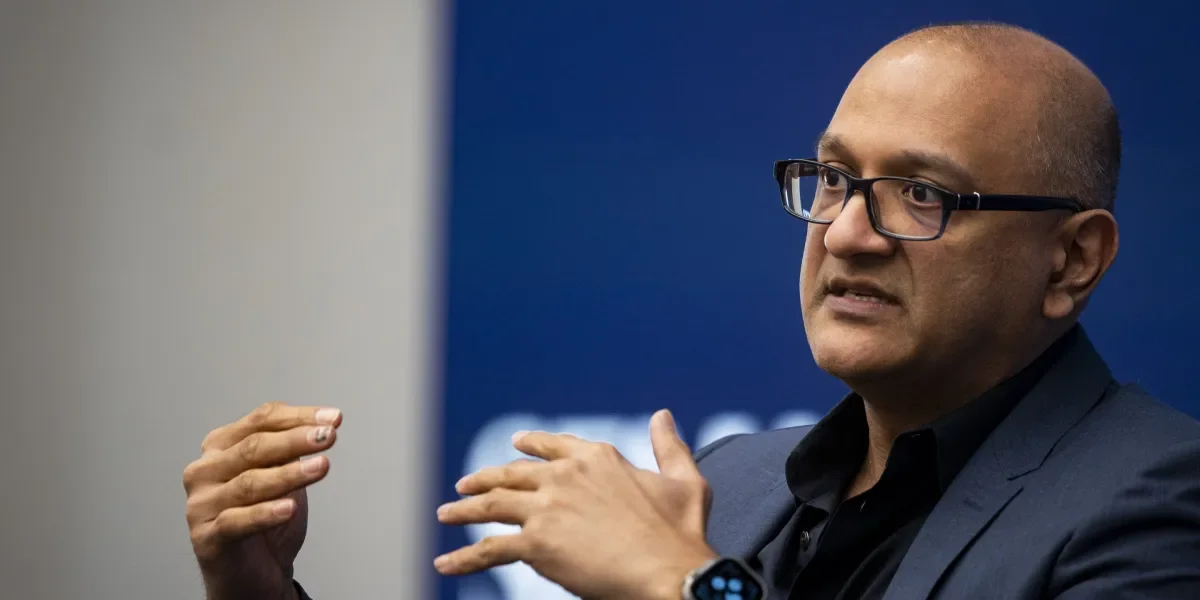
Jeetu Patel, Cisco's chief product officer, works extremely long hours, including seven-day weeks and 18-hour days, but maintains a strict set of non-negotiables like no meetings before 9 a.m. and prioritizing health and family, especially his daughter. Despite the demanding schedule, he emphasizes the importance of setting personal boundaries and adjusting routines to maintain quality of life, acknowledging that work-life balance is challenging in the tech industry and varies for each individual.
The article discusses the resurgence of extreme work hours, particularly the 996 schedule (9 a.m. to 9 p.m., six days a week), in the tech industry as companies compete in AI development, with some AI researchers working up to 100 hours a week, raising concerns about burnout and the decline of work-life balance.
The '996' work schedule, originating from China's tech industry, involves 12-hour shifts six days a week and is now emerging in some Silicon Valley companies, reflecting a shift towards more intense work cultures and raising concerns about work-life balance and industry homogeneity.
Many billionaire CEOs like Jeff Bezos and Satya Nadella reject the traditional concept of work-life balance, favoring ideas like 'harmony' or 'fluidity' to integrate work and personal life, while others like Andrew Feldman emphasize relentless work as essential for building billion-dollar companies. The debate highlights differing philosophies on achieving success and personal fulfillment.
Many billionaire CEOs and entrepreneurs, including Jeff Bezos and Reid Hoffman, challenge traditional notions of work-life balance, emphasizing instead concepts like work harmony and relentless dedication, with some arguing that achieving success requires working long hours and full commitment.
The CEO of Cerebras argues that achieving greatness in business requires working beyond the traditional 38-hour workweek, emphasizing dedication and passion over work-life balance, and highlighting that top entrepreneurs often work 60 hours or more to succeed.
The article discusses how small, AI-powered startups with fewer than 10 employees are thriving by leveraging AI to boost productivity, reduce costs, and scale quickly, despite challenges like work-life balance and high expectations. Founders and employees share their experiences of working in tiny teams, highlighting AI's role as a 'superpower' that enhances their capabilities and transforms traditional business models.
Emma Watson, after experiencing burnout from demanding Hollywood schedules, took a career break in 2019, and now focuses on learning and activism, highlighting a broader trend among younger generations prioritizing mental health and work-life balance.