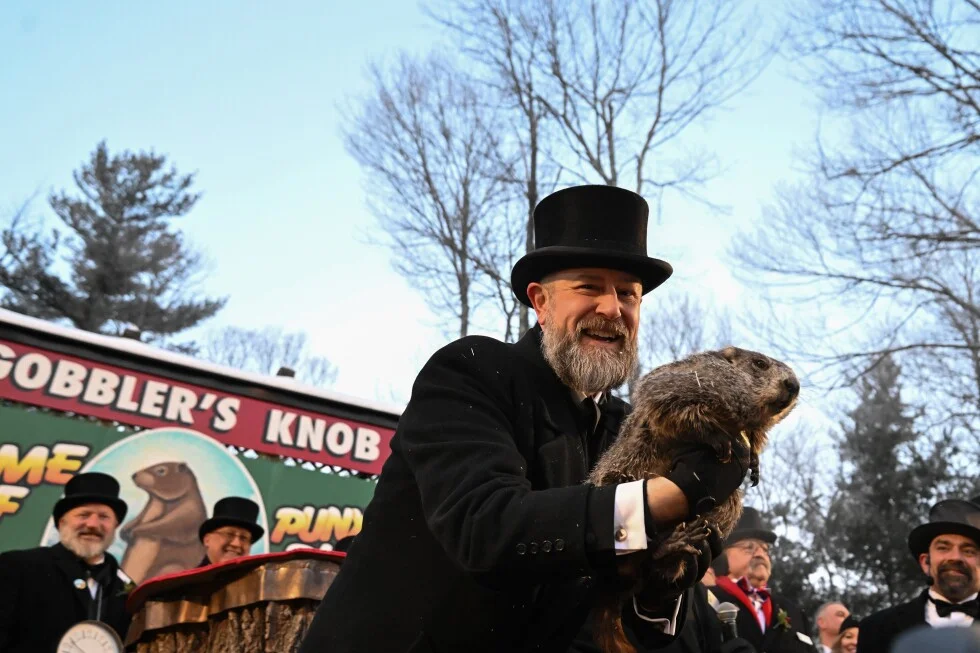
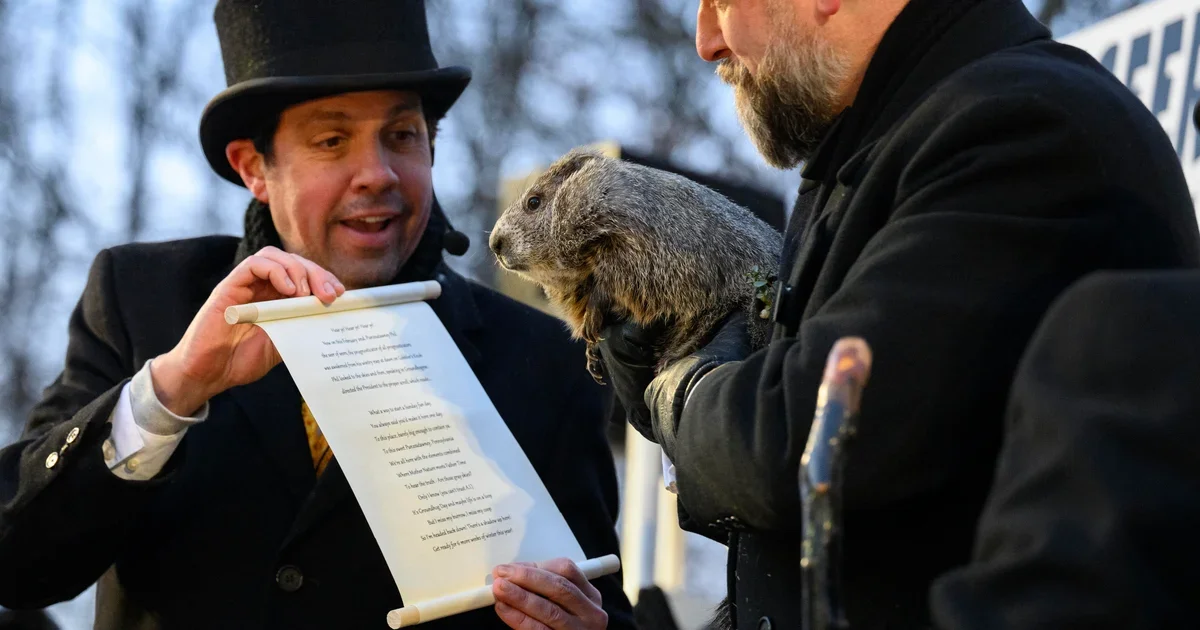
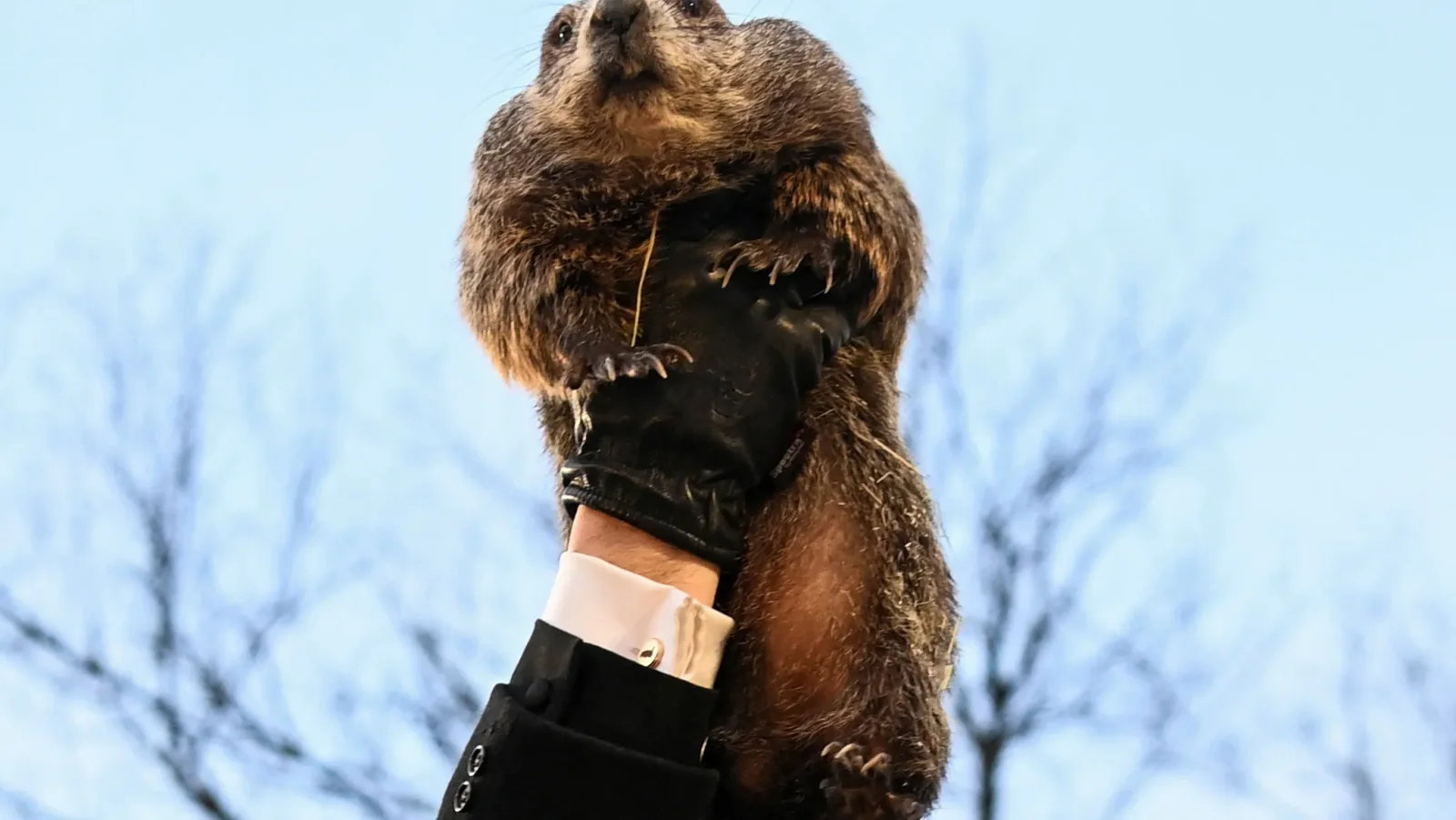
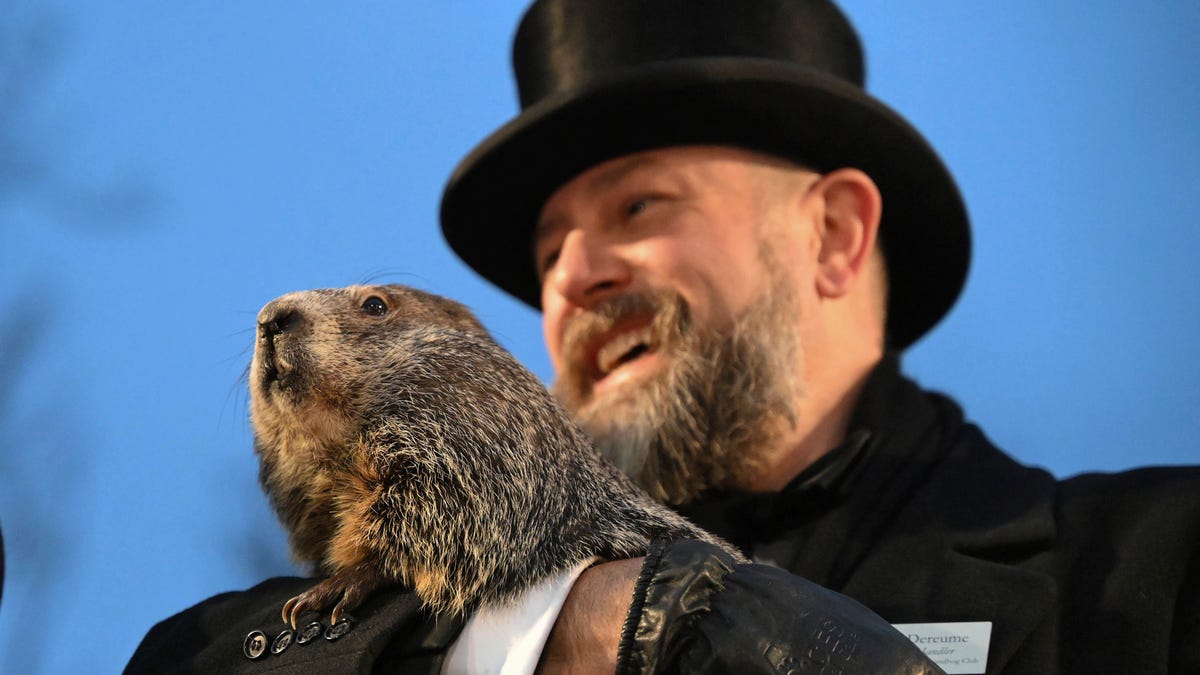
Punxsutawney Phil, the weather-predicting groundhog, forecast six more weeks of winter during the 140th Groundhog Day ceremony at Gobbler’s Knob in Punxsutawney, Pennsylvania, continuing a long-running tradition.
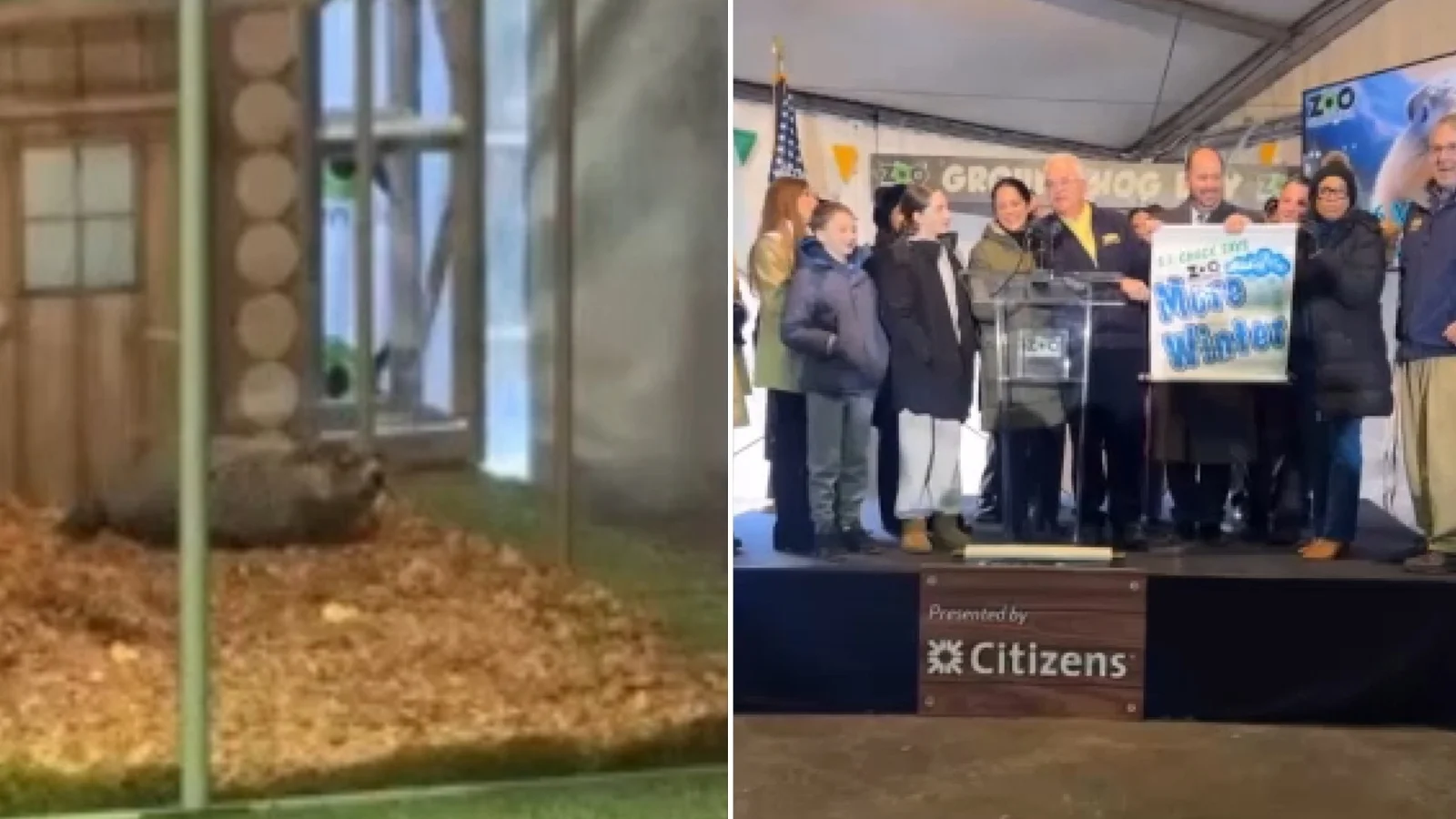
Staten Island Chuck saw his shadow on Groundhog Day, predicting six more weeks of winter, a forecast echoed by Punxsutawney Phil; Chuck’s accuracy at the Staten Island Zoo is reportedly about 80%.
Punxsutawney Phil saw his shadow on Groundhog Day 2026, signaling six more weeks of winter per the tradition; crowds gathered at Gobbler's Knob, while NOAA notes Phil is correct about roughly 30% of the time and other prognosticators often rank higher.
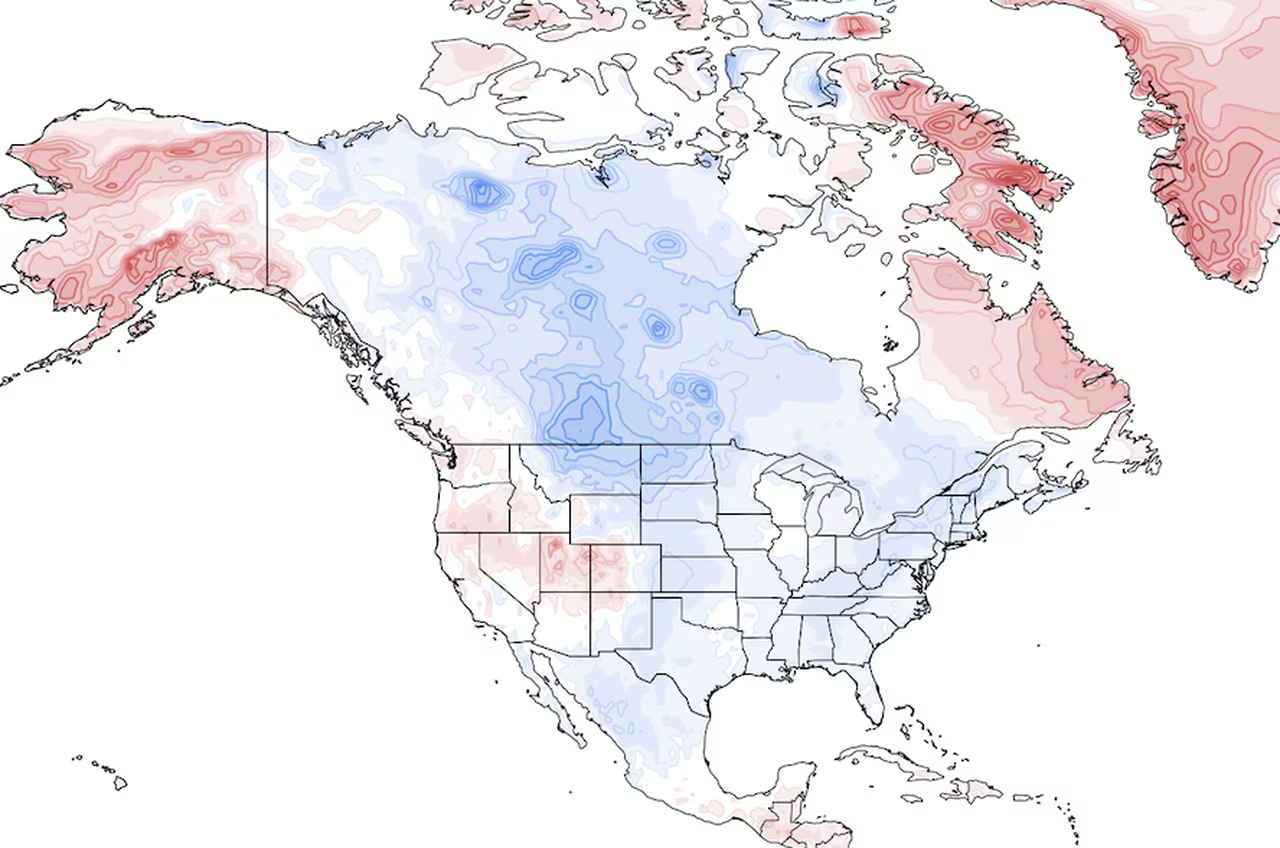
Punxsutawney Phil saw his shadow on Groundhog Day 2026, signaling six more weeks of winter, even as other forecasters warn of a frigid February in the eastern half of the U.S. and milder, West-leaning conditions overall; Buckeye Chuck predicts an early spring for Ohio with no shadow, Georgia’s General Beauregard Lee sees a shadow indicating longer winter there, and NOAA emphasizes winter isn’t over yet.
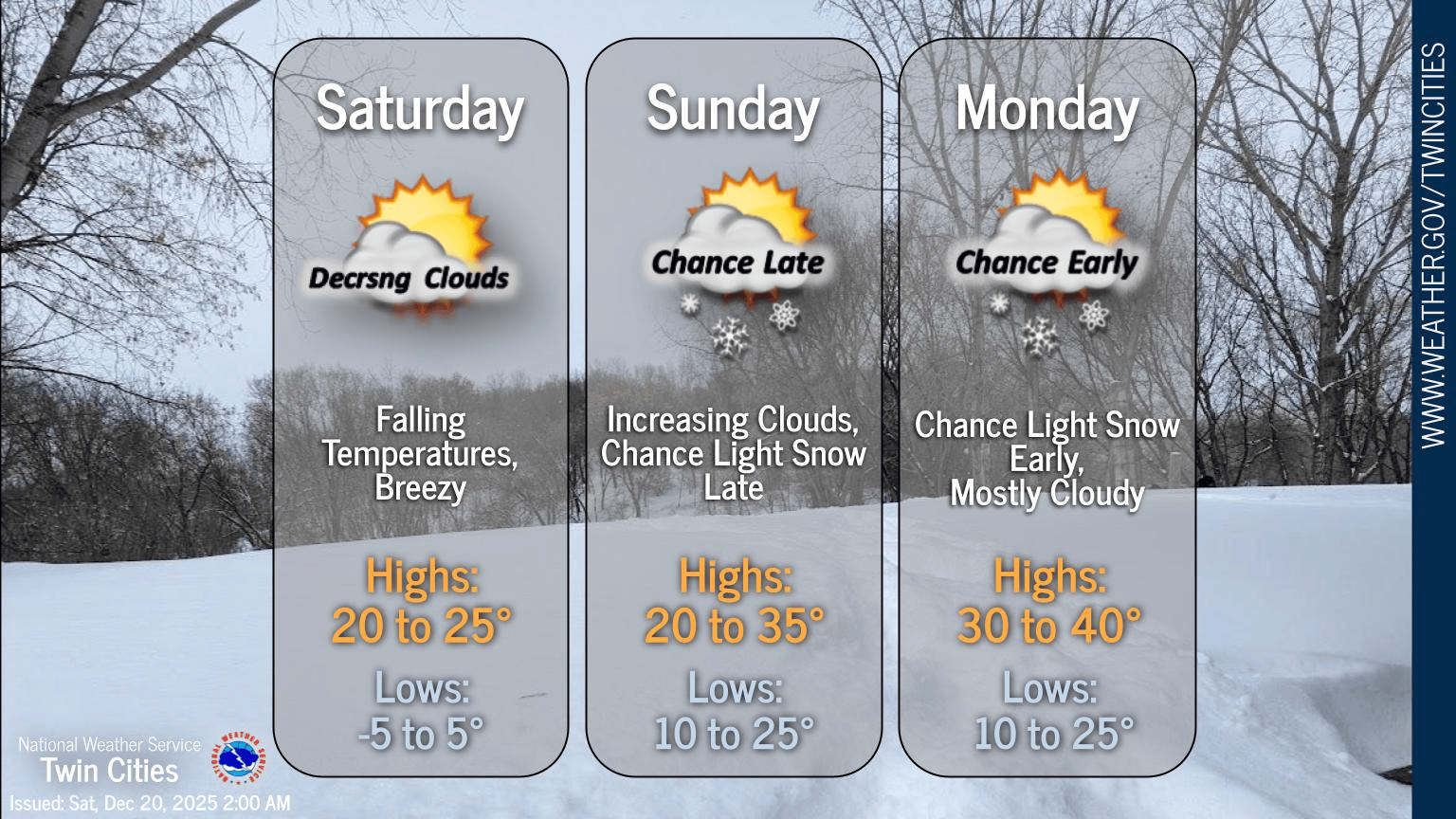
A cold front brings early flurries and breezy, chilly conditions to Minnesota, with temperatures dropping into the single digits and wind chills into the teens and 20s below zero, followed by a warming trend and milder weather approaching Christmas week.
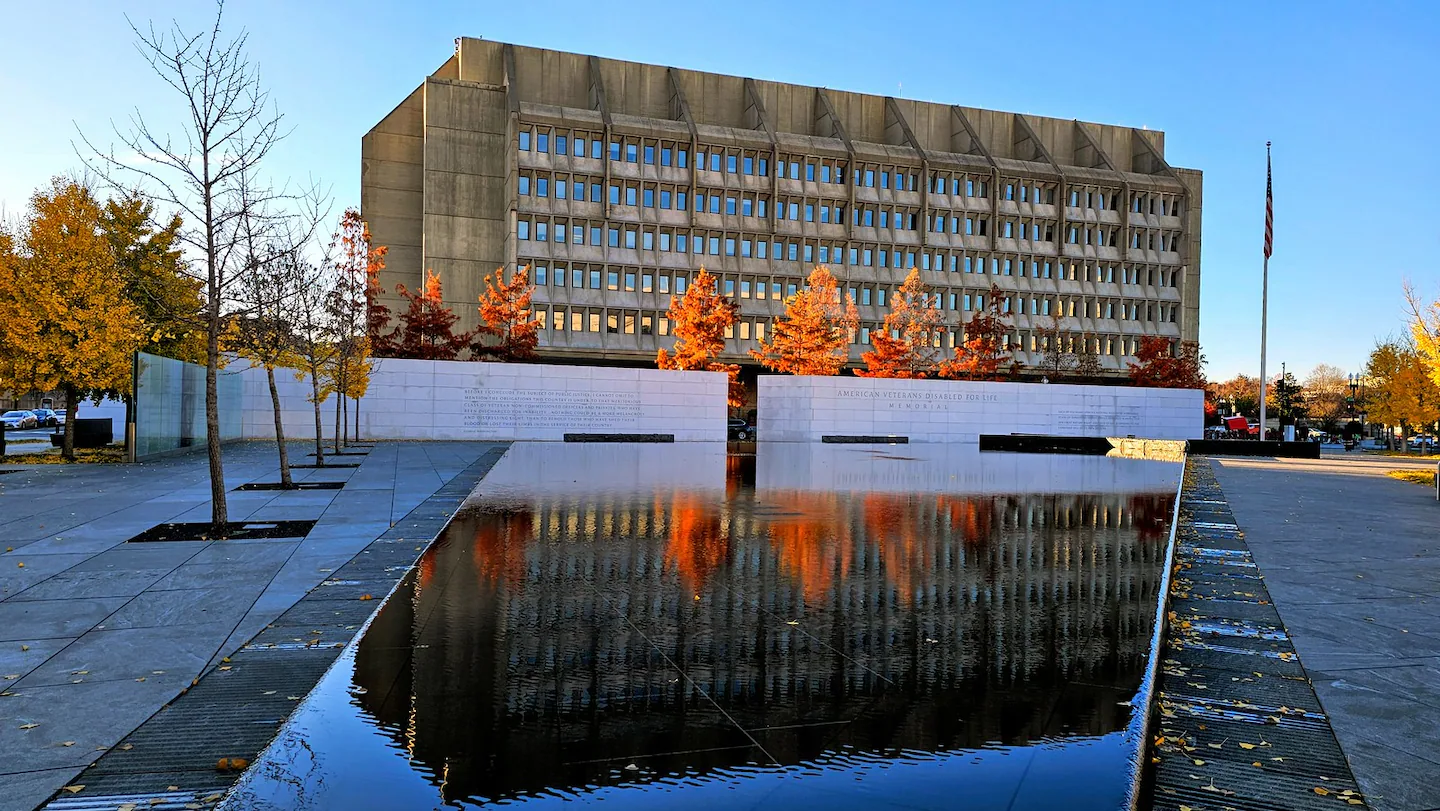
The D.C. area is experiencing a cold snap with temperatures struggling to rise above the 30s today, making it feel like January. The chilly weather is expected to persist into next week, with a chance of rain or snow showers tomorrow as winter officially begins according to the climatological calendar.
Weather forecasters have issued early predictions for the 2024-2025 winter season in New Jersey, with most expecting warmer than average temperatures and varying snowfall levels. AccuWeather and the Climate Prediction Center anticipate less snow and warmer conditions, while NY NJ PA Weather suggests near-normal temperatures and snowfall, with potential for significant snow in some areas. The Farmers' Almanac predicts above-normal precipitation, while the Old Farmer’s Almanac forecasts a milder winter with less snow. A weak La Niña and warm ocean waters are influencing these forecasts.
NOAA has issued an update indicating that a weak La Niña is expected to develop in the coming months, but it is likely to be short-lived and have less impact on global weather patterns, including winter weather in the U.S. Current neutral conditions in the Pacific Ocean suggest that while a La Niña watch remains in effect, the event's influence on typical winter temperature and precipitation patterns may be less pronounced. The likelihood of La Niña forming by the end of December has decreased to 57%.
Researcher Judah Cohen, who studies the polar vortex, predicts a "polar vortex disruption" around mid-February, potentially leading to a return of cold air to the eastern U.S., including Michigan. His forecast suggests below-normal temperatures for the second half of February, possibly extending into the first two weeks of March. This pattern of a mild winter followed by wintry conditions in March has been common in the past decade, but the increasing heating power of the sun indicates that spring will eventually prevail.
Punxsutawney Phil did not see his shadow, predicting an early spring for 2024, marking the 21st time since records were kept. While his accuracy is questionable, the tradition of Groundhog Day, originating from Candlemas, continues to draw crowds to Punxsutawney, Pennsylvania, where Phil makes his annual forecast. Other groundhogs across the U.S. also made their predictions, but Phil remains the most famous.
Punxsutawney Phil did not see his shadow, predicting above-average temperatures for the next six weeks; however, his accuracy has been questioned, with data showing he has been correct only 30% of the time over the last 10 years. Other groundhogs across the country, such as Octoraro Orphie and Staten Island Chuck, also make weather predictions, with varying degrees of accuracy. The tradition of Groundhog Day dates back to German folklore and has gained popularity since the release of the film "Groundhog Day" in 1993.
U.S. Natural Gas futures have surged due to speculative buying and short-covering, driven by immediate weather conditions rather than long-term economic indicators. Winter weather impacts the market, with varying regional effects on heating and cooling demand. Traders are cautioned against following the current bullish trend and advised to wait for selling opportunities, considering the potential for a market reversal due to milder temperature forecasts. Strategic trading recommendations emphasize the need for caution and long-term market focus amidst the volatility of the weather-driven natural gas market.
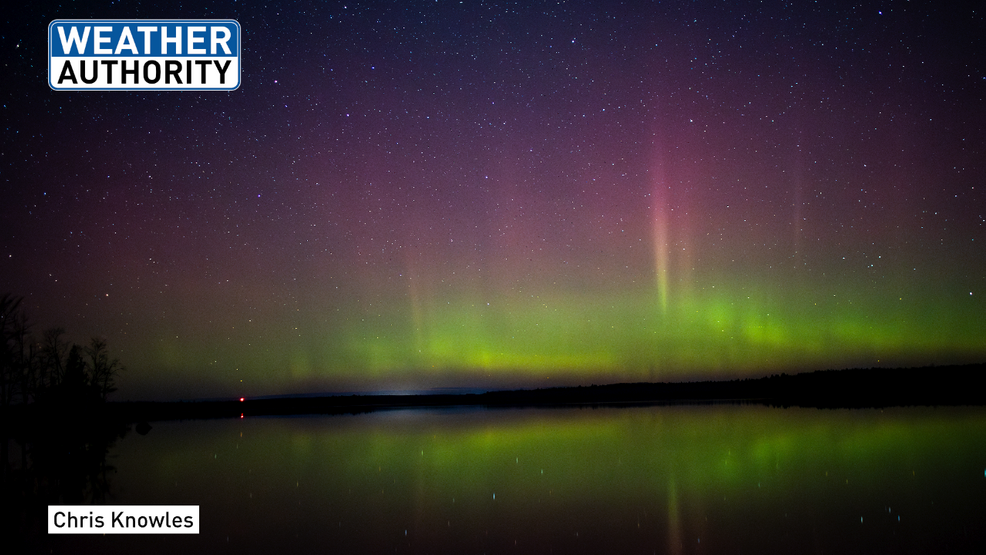
Mainers in the northern United States were treated to sightings of the Northern Lights over the weekend, with more expected throughout the winter season. The Kp index, which characterizes the size of geomagnetic storms, forecasted a 6.3 for Saturday's storm, indicating aurora activity. The Northern Lights, created when charged particles from the sun interact with Earth's atmosphere, can be seen between 9 p.m. and 3 a.m. during clear, dark skies. The ongoing solar cycle is expected to peak in 2024, making the 2023-2024 winter season a prime time for colorful displays.
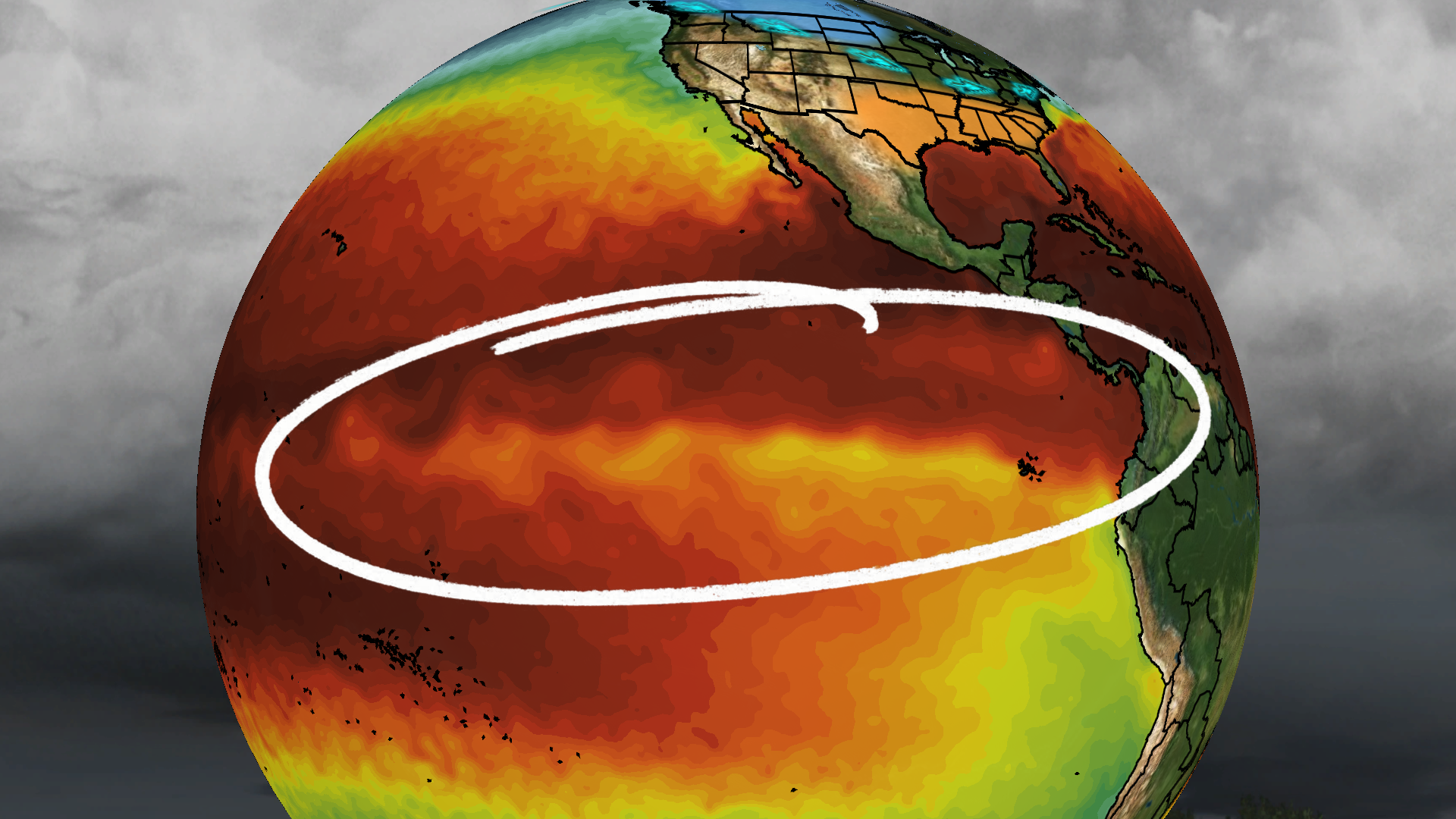
The National Oceanic and Atmospheric Administration's Climate Prediction Center forecasts that Connecticut will experience a warmer and wetter winter due to the presence of a strong El Niño. However, the impact of El Niño on the Northeast's weather is difficult to predict, as other factors also influence the region's climate. While there may be fewer big storms, the ones that do occur could be intense. The forecast is an average, so extreme weather conditions are still possible. Connecticut's Emergency Management Division is preparing for all possibilities, including significant snowstorms.
The National Oceanic and Atmospheric Administration (NOAA) has released an outlook stating that El Niño will likely bring a warmer or wetter winter to parts of the US this year. While above-average temperatures are expected across much of the northern US, the Northwest, Great Lakes, and Northeast have the highest likelihood of above-average temperatures. The southern US, including areas battling drought, is expected to see above-average precipitation. El Niño's winter signature of shifting the jet stream south over the US increases the chances of storms and precipitation in the South, while the Northeast may experience snowy nor'easters. Overall, this winter's El Niño is forecasted to be strong and could result in higher snow chances in some areas.