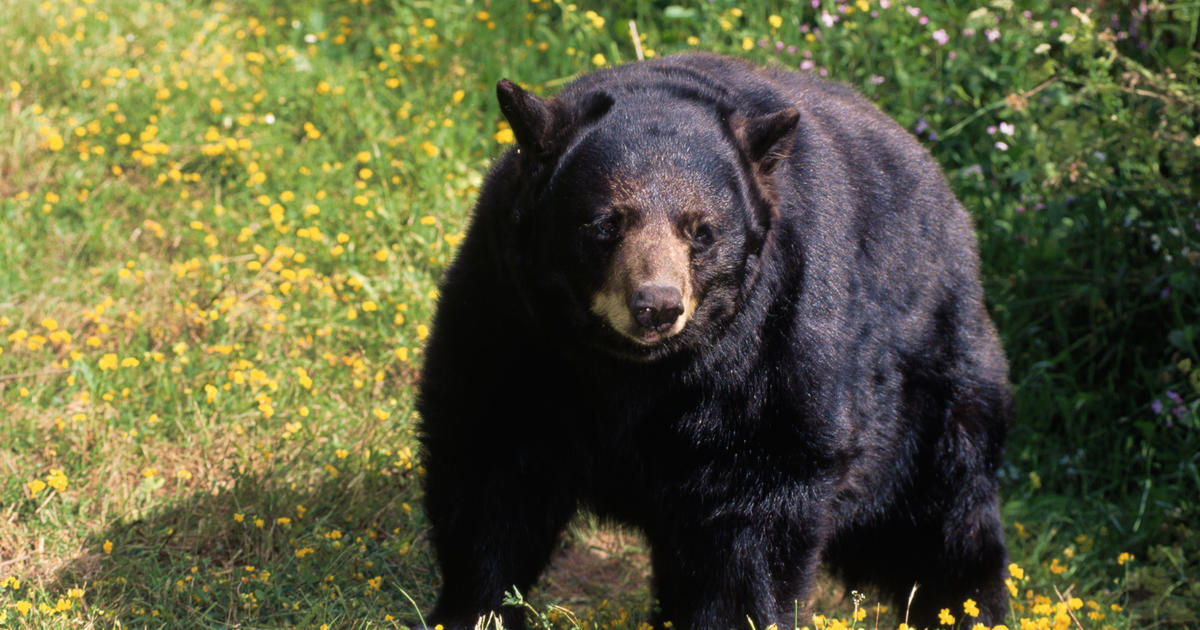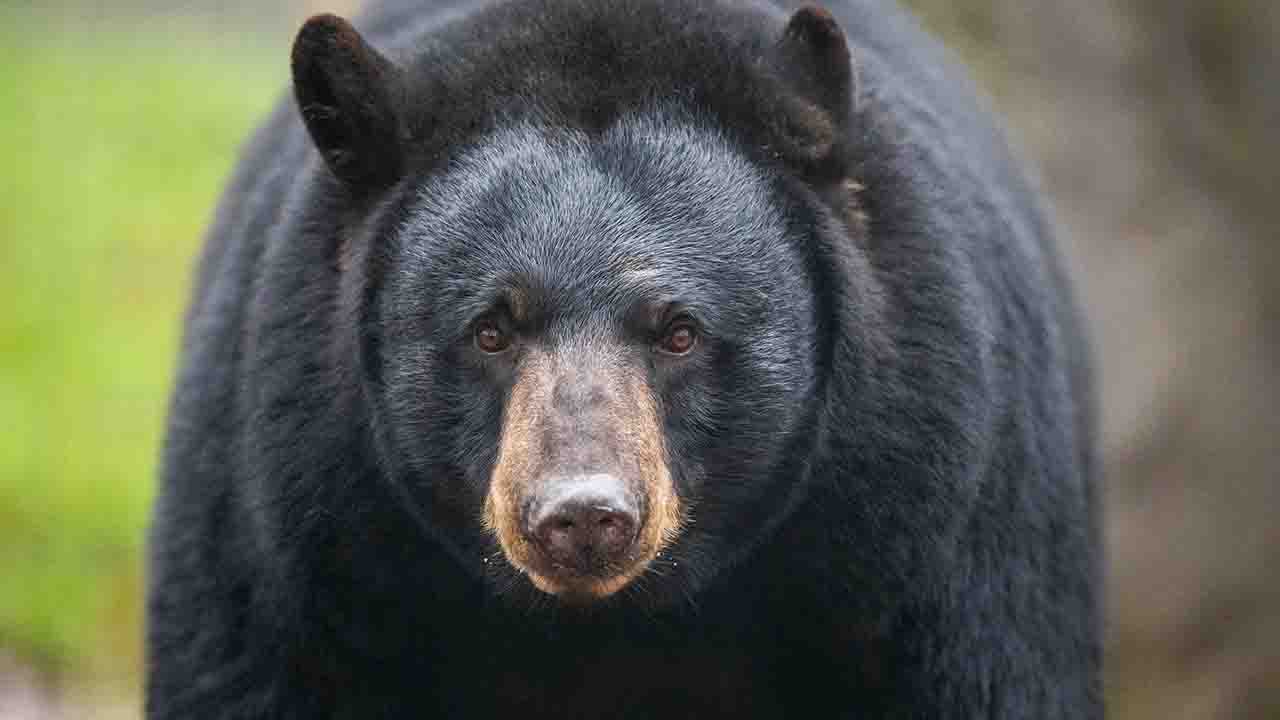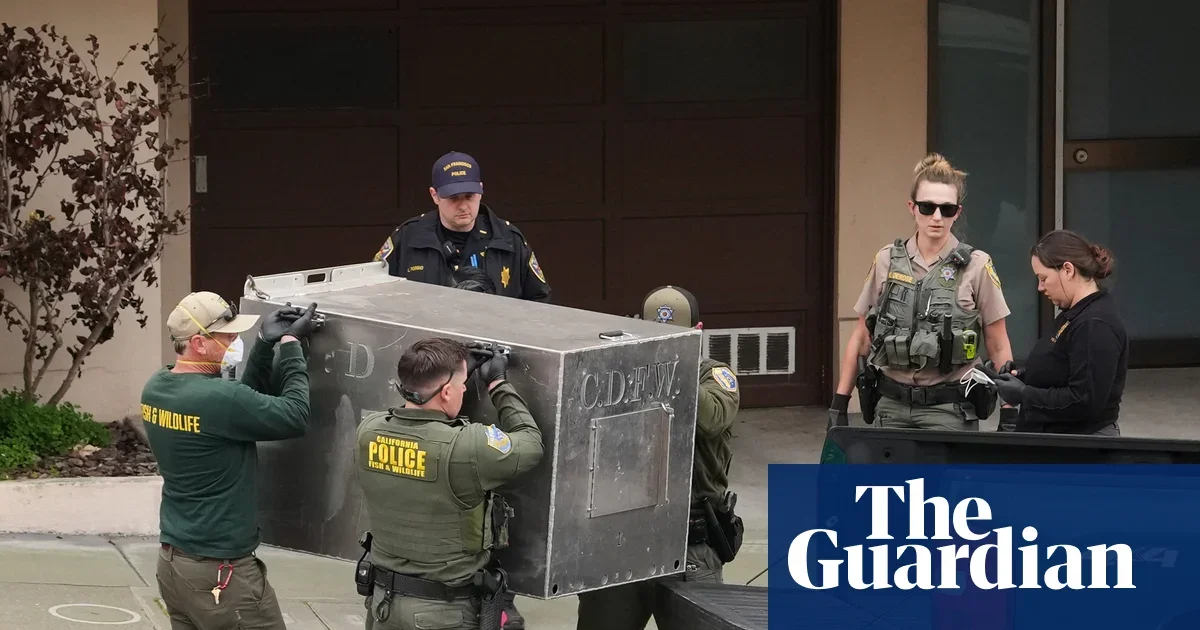
A young black bear that wandered into a suburban neighborhood in Camp Hill, Pennsylvania, was tranquilized and safely caught by wildlife and rescue officials using a large tarp. The bear, which appeared not to be fully grown, will likely be relocated to state land in central Pennsylvania.
A black bear was shot and killed by Arizona wildlife officials after it entered a home and attacked 15-year-old Brigham Hawkins, who sustained injuries to his face and arm. The bear, which re-entered the home before fleeing, was later found and killed. The teen is recovering and has started the rabies vaccine as a precaution. This incident marks the 16th bear attack on people in Arizona since 1990.
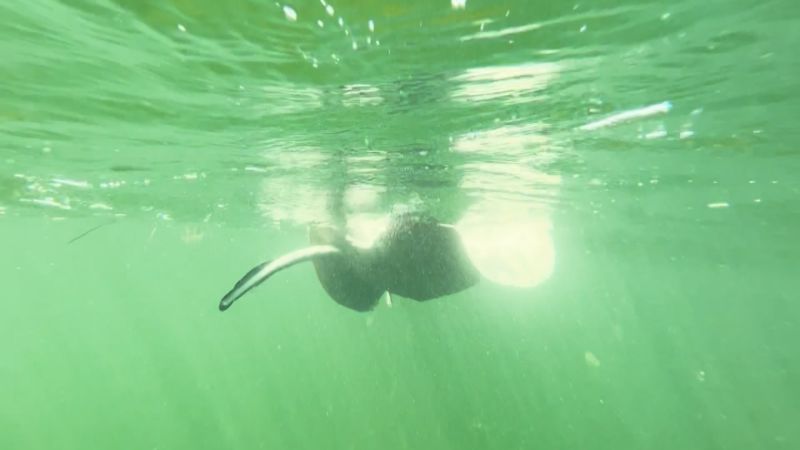
A lifelong diver in the Florida Keys has witnessed a disturbing phenomenon involving fish exhibiting bizarre behaviors such as spinning upside-down and then dying, with nearly 200 incidents logged by wildlife officials across over 30 species. Marine scientists are urgently working to determine the cause of this mysterious and concerning occurrence.
A mountain lion killed a 21-year-old man and injured his younger brother while they were hunting for shed antlers in a remote wooded area of northern California. This marks the state's first fatal mountain lion attack in about 20 years. The younger brother called authorities after being separated from his sibling and sustaining traumatic injuries to his face. Deputies found the deceased man next to the mountain lion and euthanized the animal. Wildlife officials are now focusing on understanding the rare and tragic attack.
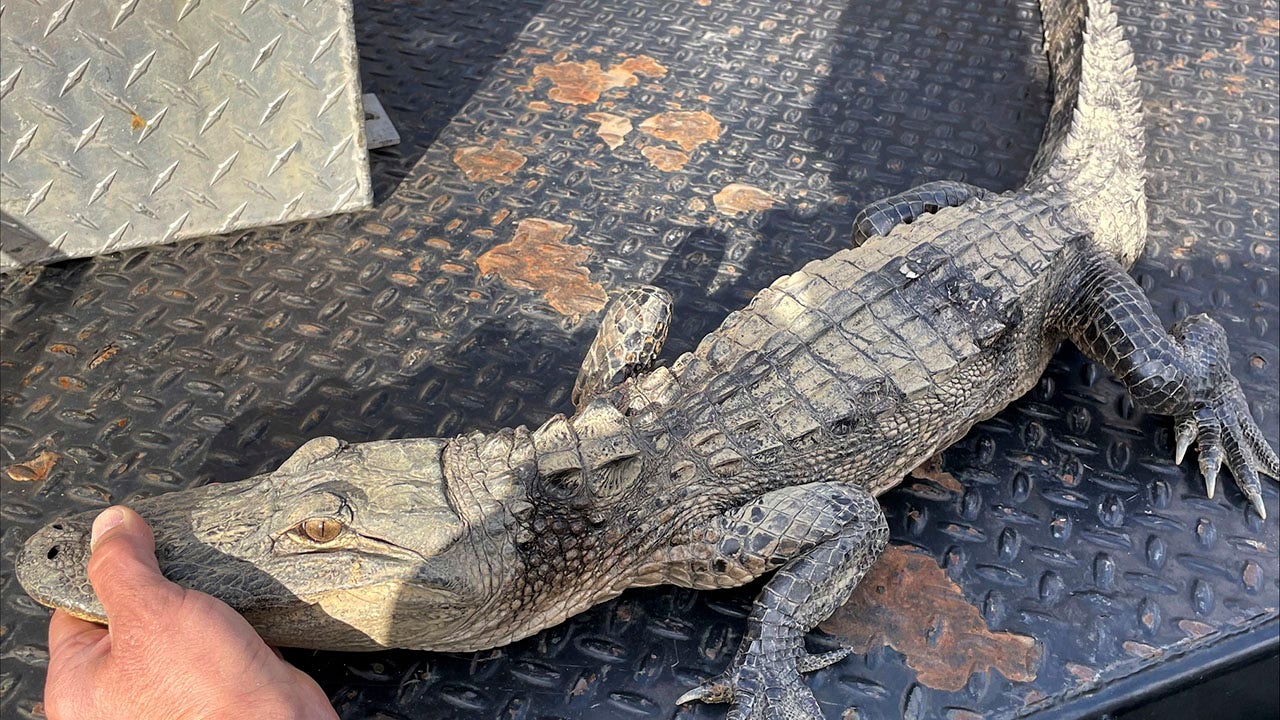
A fisherman in Tennessee reeled in a 3- to 4-foot-long alligator from Norris Lake, suspected to have been illegally held in captivity and released. State wildlife officials say alligators are expanding their range into Tennessee from southern border states, with recent sightings in various parts of the state. The Tennessee Wildlife Resources Agency warns that possessing or releasing alligators in Tennessee is illegal and poses safety and ecological risks, as alligators are a protected species. Wildlife officials describe alligators as opportunistic feeders and remind the public to leave them alone if encountered in the outdoors.
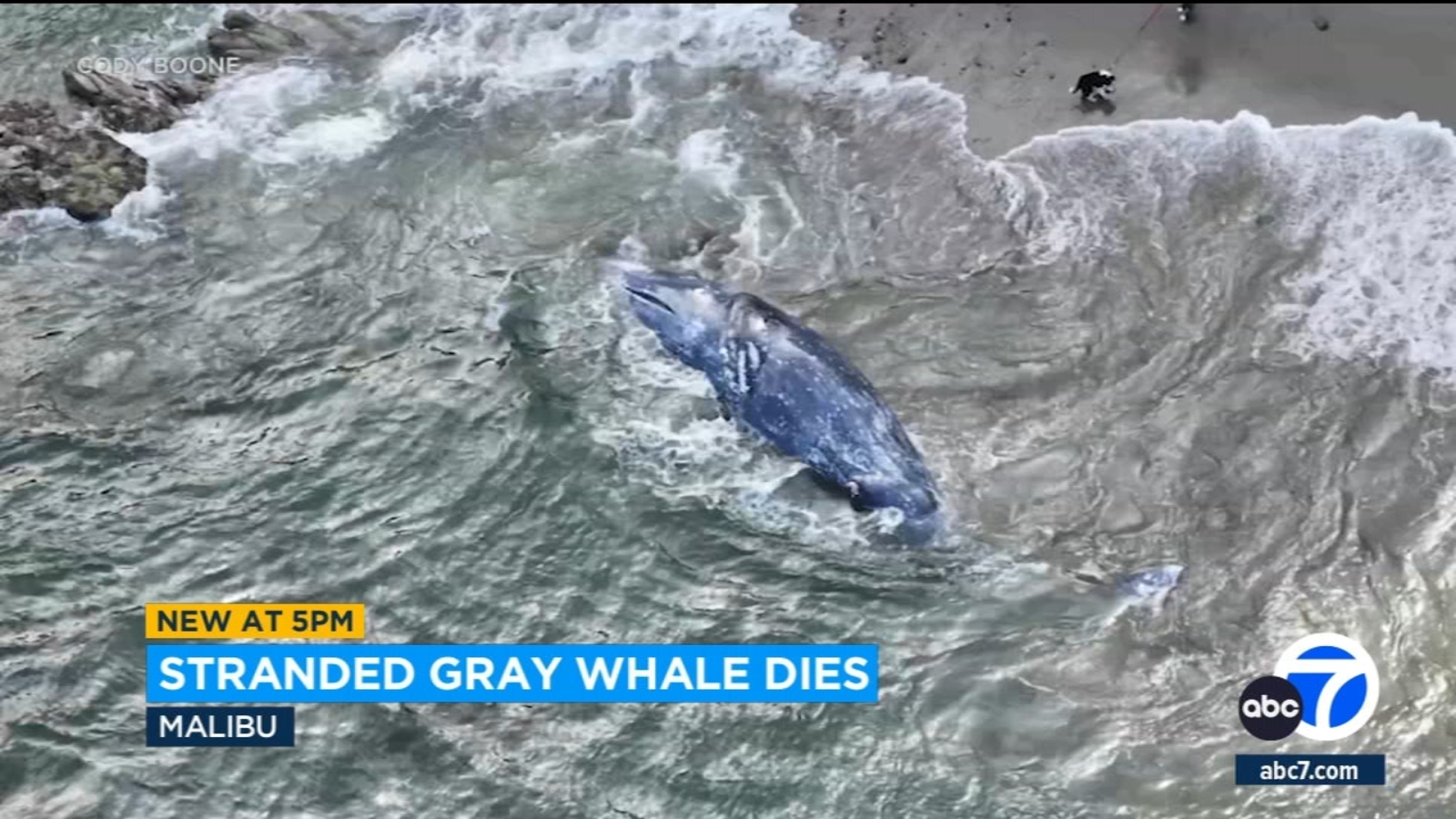
A gray whale that washed ashore in Malibu has died after being spotted alive on Saturday, rocking back and forth as waves crashed down. Wildlife officials are working to determine the cause of death by taking samples from the whale's body in collaboration with the National Oceanic and Atmospheric Administration.
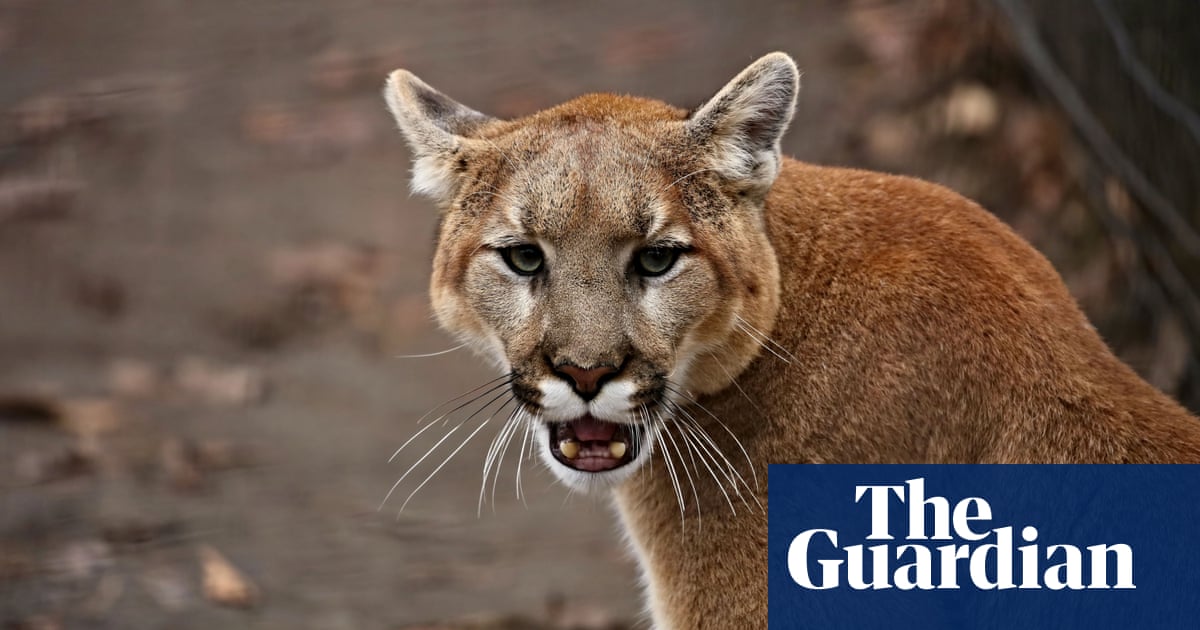
At least one cougar attacked a group of mountain bikers in Washington, injuring one cyclist before being killed by a wildlife officer, while another cougar fled. The injured woman was hospitalized with non-life-threatening injuries, and authorities are still searching for the second cougar. Cougar attacks on humans are rare, with only two fatal attacks and around 20 other recorded encounters resulting in human injury in the last 100 years in Washington state.
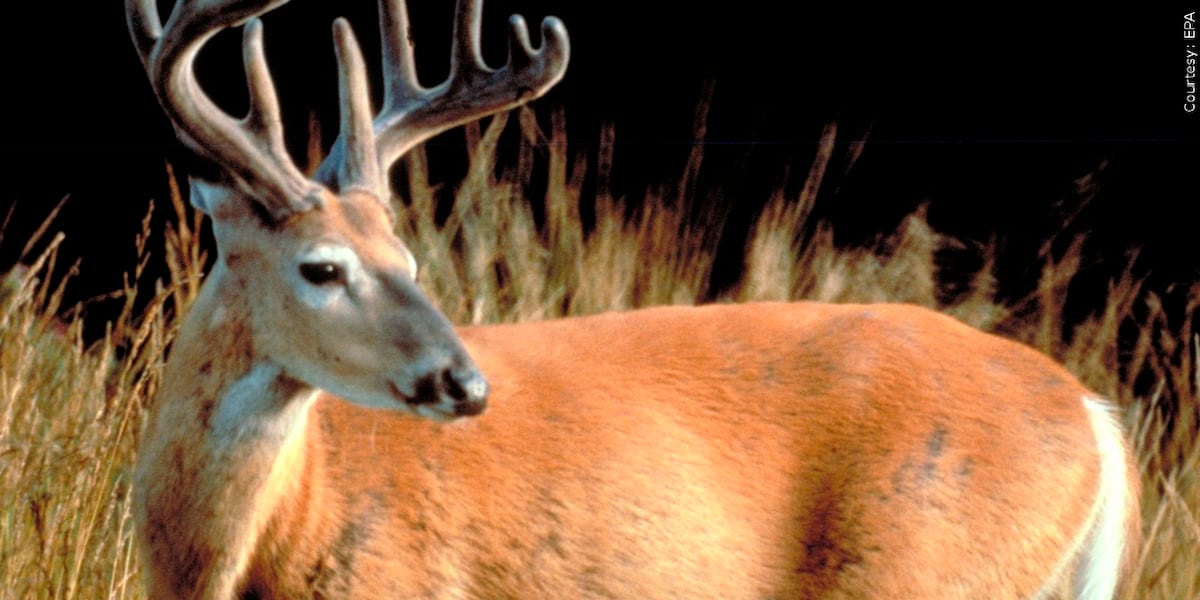
Kentucky wildlife officials are assessing the situation after the first confirmed case of Chronic Wasting Disease (CWD), a contagious neurological illness, was found in a white-tailed deer in Ballard County. While there won't be immediate changes to deer season, the Kentucky Fish and Wildlife Commission is awaiting test results from additional deer samples and neighboring states. No decisions on herd culling or other measures will be made until more data is available. CWD has spread to over half of the U.S. states, and officials are urging hunters to report sick or abnormal deer behavior to prevent further spread.
A deer in Kentucky has tested positive for Chronic Wasting Disease (CWD) for the first time ever. The 2 ½-year-old male white-tailed deer was harvested by a hunter in Ballard County. CWD is a fatal neurological disease that affects deer and other species in the deer family and can easily spread through deer populations. Kentucky wildlife officials are working with local and state partners to discuss next steps for detection and mitigation of the disease. The public is encouraged to report sick deer and donate the heads of legally harvested deer for CWD testing.
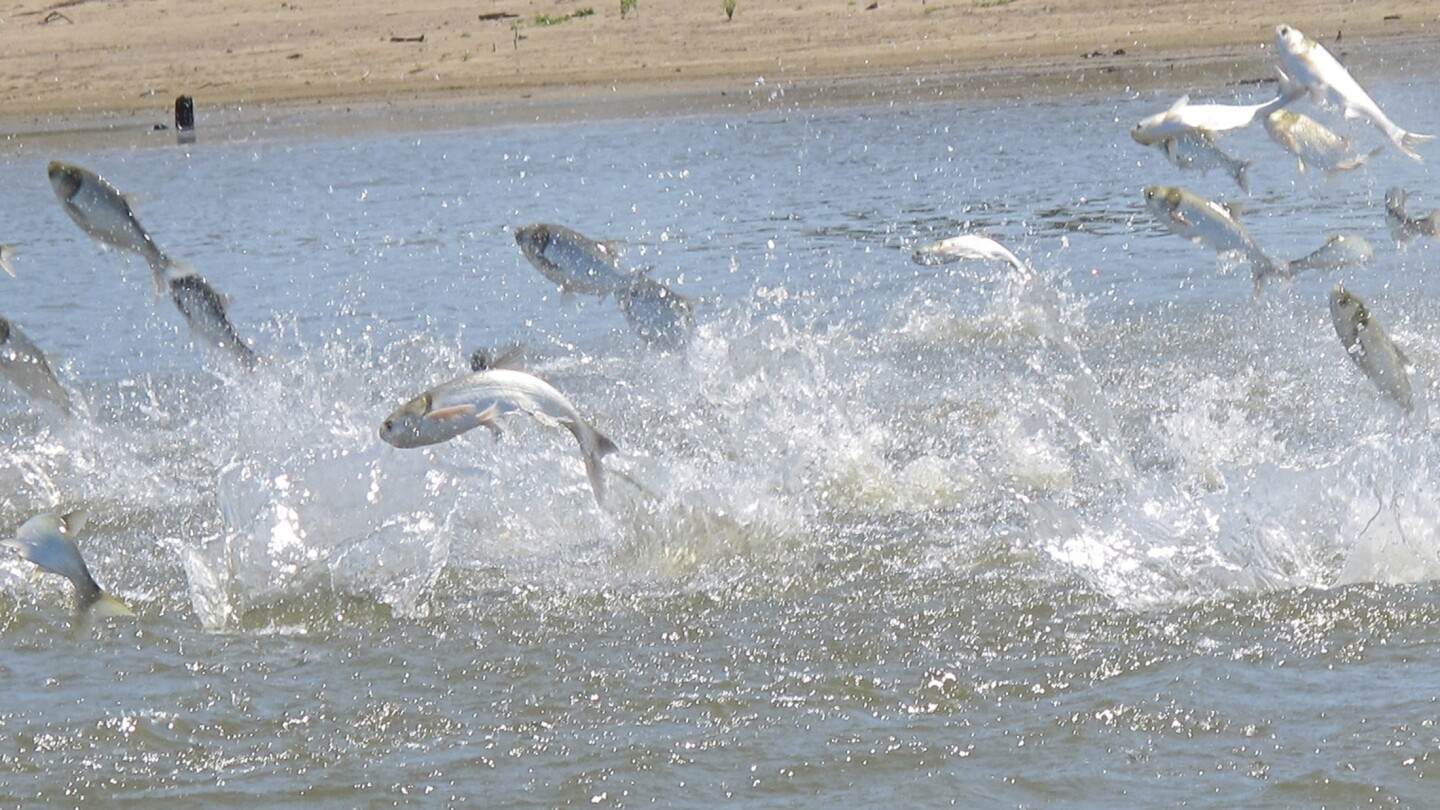
Wildlife officials from the Minnesota Department of Natural Resources have captured 323 invasive carp, including silver carp, grass carp, and bighead carp, from the Mississippi River near Trempealeau, Wisconsin. This is the largest single capture of invasive carp in Minnesota to date. The carp, which were imported to the U.S. in the 1960s and 1970s, have spread north through the Mississippi River, posing a threat to native species and aquatic ecosystems. Efforts are being made to prevent their entry into the Great Lakes and protect the fishing industry.
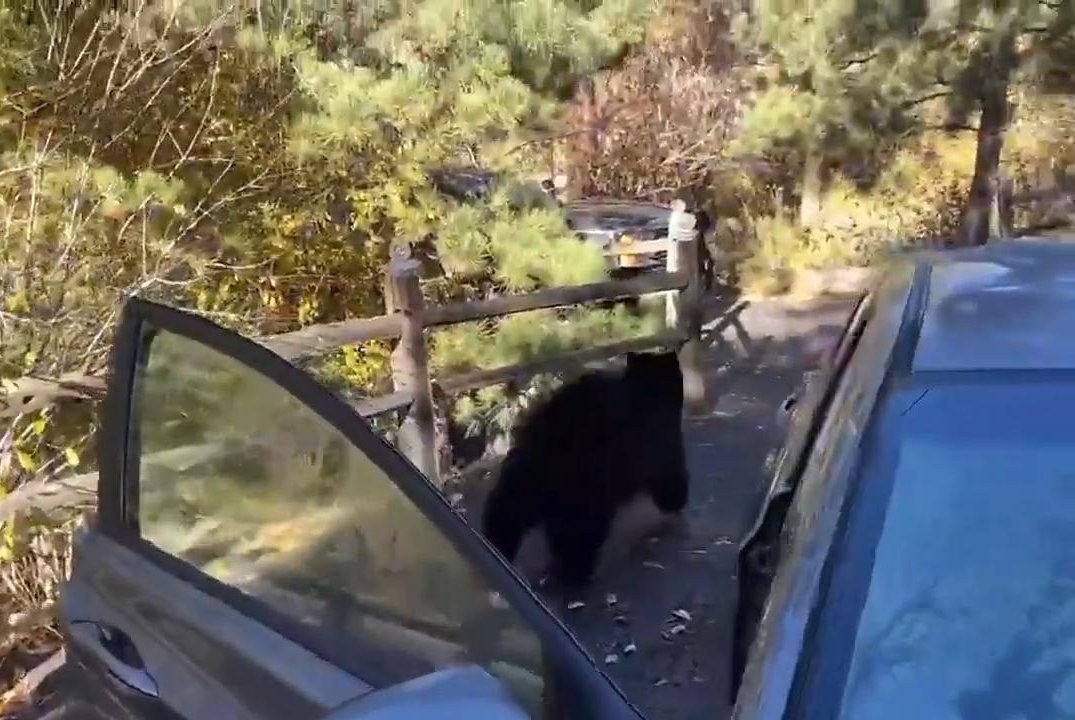
A bear in Colorado broke into a parked car to steal a bag of peanut M&M's, leaving behind a messy scene and a pile of poop in the back seat. Wildlife officials had to intervene and release the bear from the vehicle.
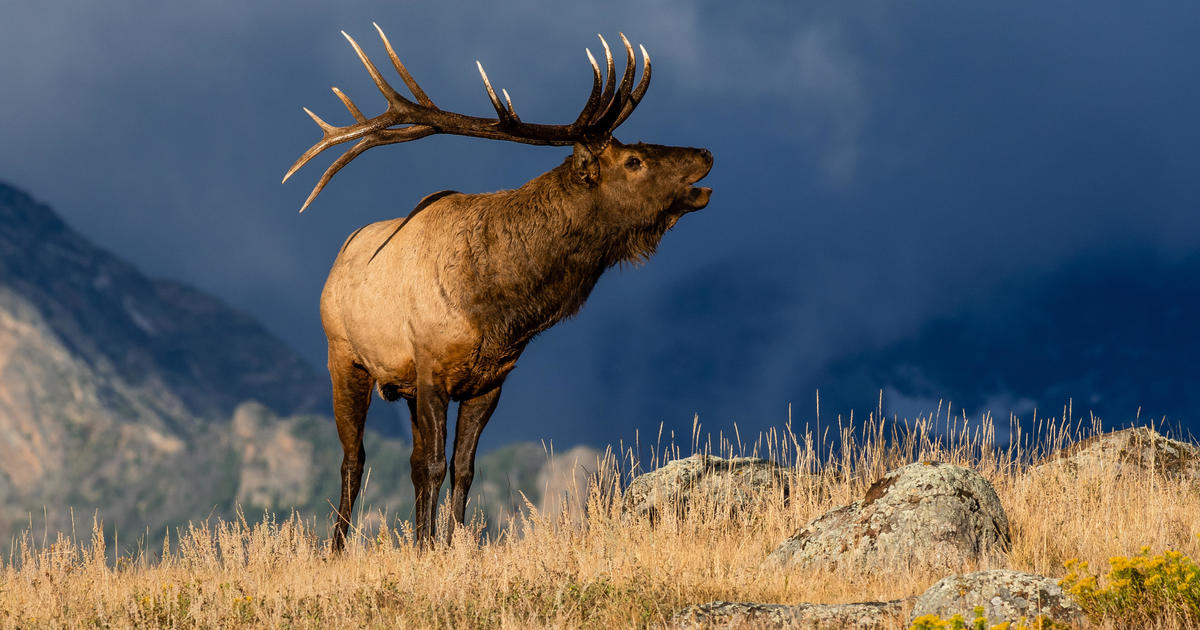
An Arizona woman has died after being critically injured in what is believed to be the first deadly elk attack in the state. The woman's husband found her in their backyard with injuries consistent with being trampled by an elk. Wildlife officials have reported five elk attacks in Arizona in the past five years and are warning against approaching or feeding elk.
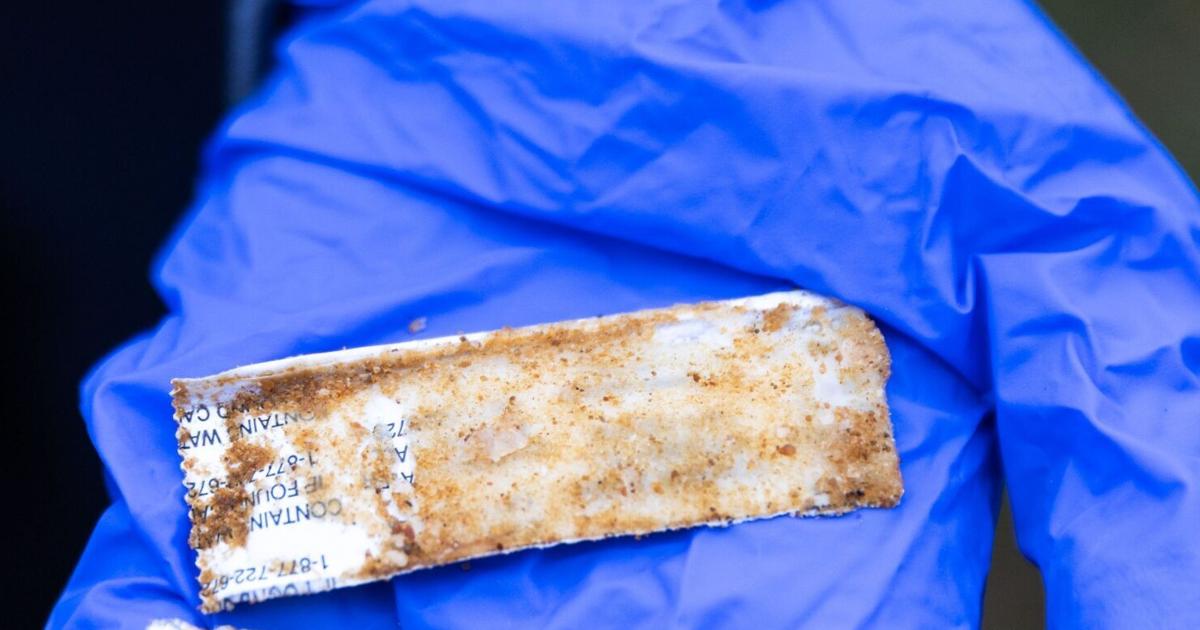
Wildlife and health officials in Omaha are distributing 18,000 sachets of oral rabies vaccine to raccoons in an effort to create herd immunity and prevent the spread of a raccoon variant of rabies. The vaccine packets, coated with a pungent fishmeal, are designed to attract raccoons. The distribution area covers a 62-square-mile radius centered on where a stray kitten was found with the raccoon variant of rabies. The ongoing initiative also involves trapping, vaccinating, and releasing raccoons. The goal is to vaccinate about 1,000 animals. The raccoon rabies variant has not been detected in the 130 deceased animals tested so far.
A bear broke into a hotel kitchen in Aspen, Colorado, and attacked a security guard who was investigating reports of the bear's presence. The guard suffered scratches on his back but managed to escape and call for help. Wildlife officials arrived at the scene and began searching for the bear, which had entered the hotel through a series of doors near the courtyard. Although they located the bear near the hotel, they were unable to safely tranquilize and capture it. The public is advised to be "bear aware" as bears are still active in the area preparing for hibernation.
A security guard at the St. Regis Aspen Resort in Colorado was attacked by a bear that had entered the hotel's kitchen. The guard surprised the bear, which swiped at him and knocked him down before he managed to escape and call for help. The guard was treated for scratches and released from the hospital. Wildlife officials responded to the scene but were unable to capture the bear. The incident serves as a reminder to give wildlife space and be "bear aware." The luxury resort has been closed for renovations.