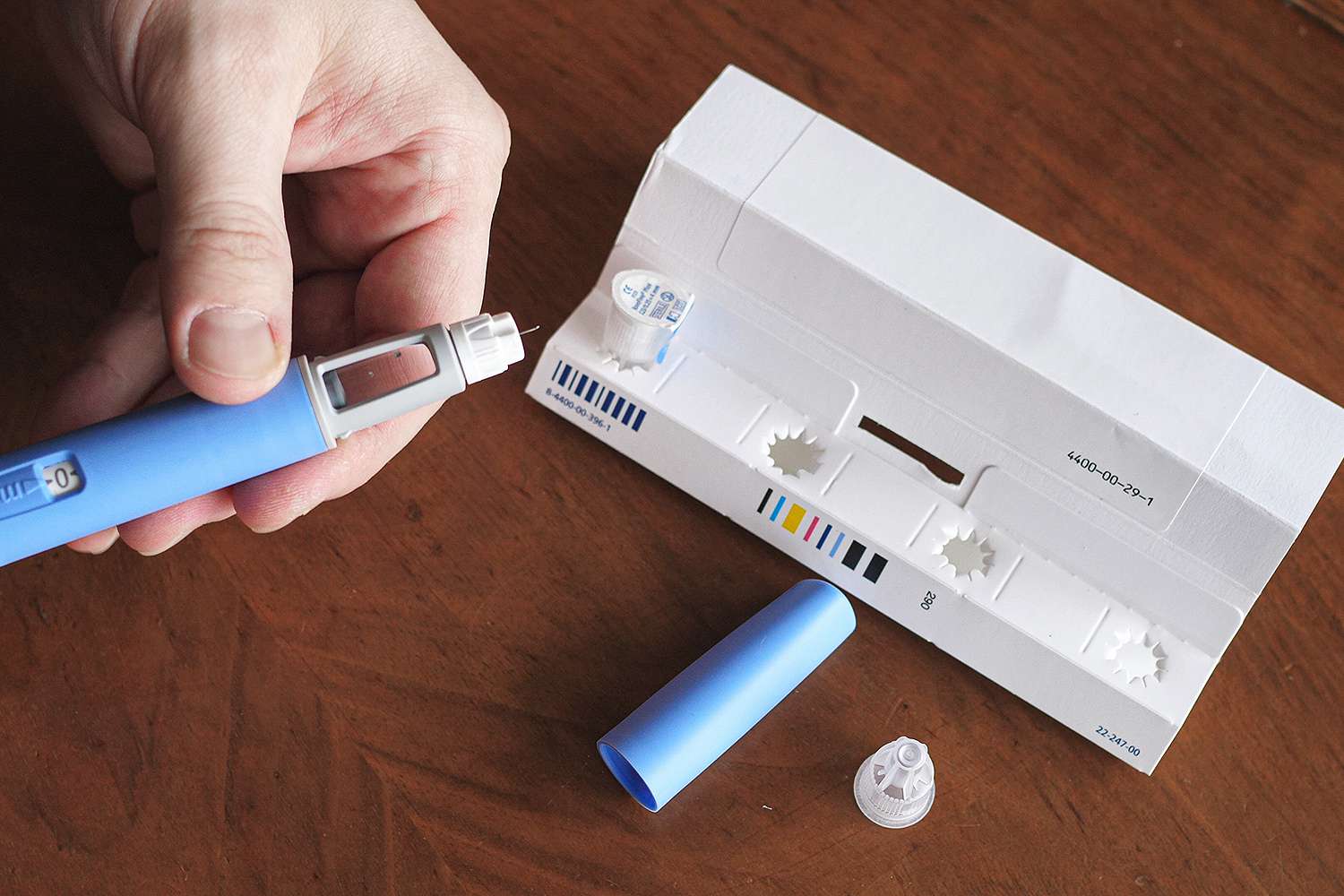
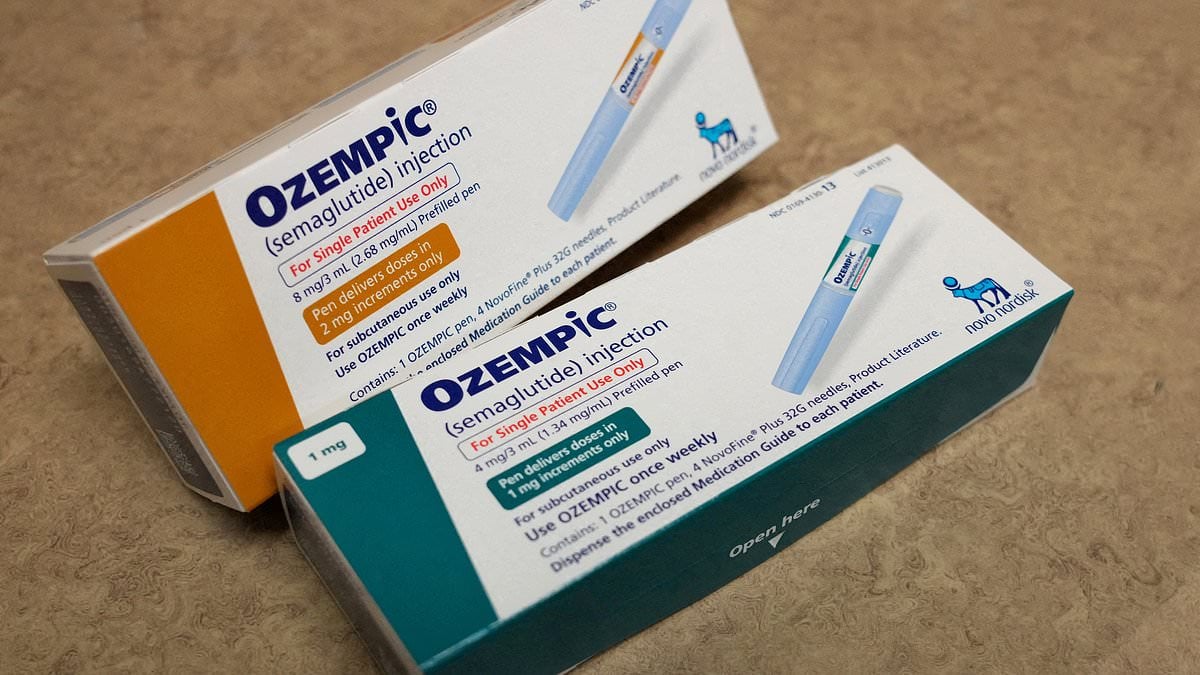
Emergency hospital cases linked to weight-loss injections like Ozempic, Wegovy, and Mounjaro have surged by 60% in 2025, with three deaths reported, raising concerns over safety and regulation of the booming market.
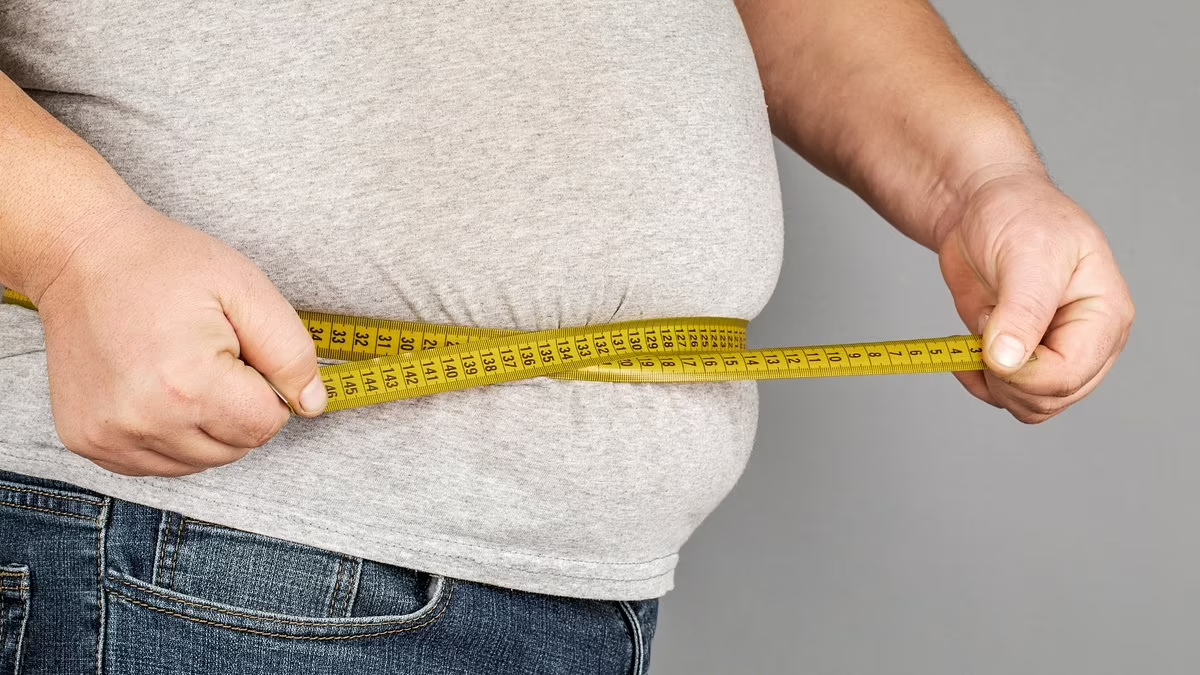
India's surge in weight loss injections like Mounjaro and Ozempic has raised concerns among doctors about unregulated use and long-term health risks, despite their popularity in addressing the country's growing obesity and diabetes epidemic. Experts warn that without proper regulation and lifestyle changes, the widespread use of these drugs could lead to serious health complications, even as the market for weight loss drugs in India is projected to reach $150 billion by 2030.
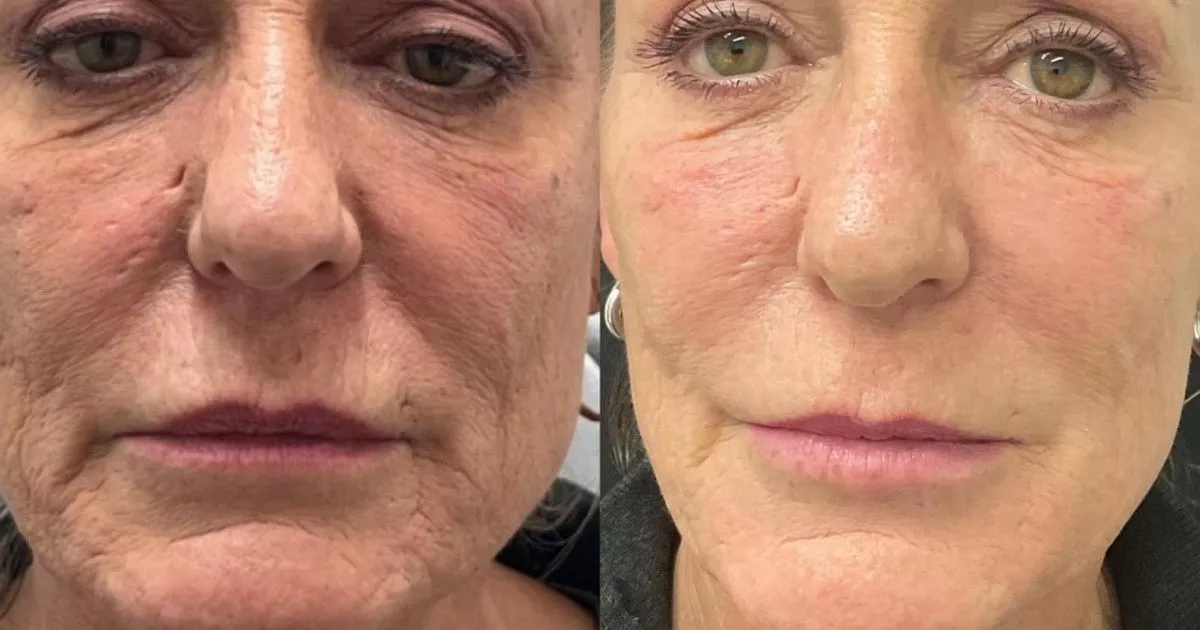
The rise of celebrity use of weight-loss injections like Ozempic has led to visible side effects such as 'Ozempic face', characterized by hollowed cheeks and sagging skin, prompting experts to warn about the long-term aesthetic and health impacts of rapid weight loss and the importance of gradual, healthy weight management.
The article discusses how weight-loss injections like Ozempic, Wegovy, and Mounjaro are becoming popular among celebrities and private users, but access through the NHS is limited and varies by region, creating a potential two-tier system that favors the wealthy. This raises concerns about increasing health inequalities, the rising costs of these drugs, and the broader social and economic implications of medicalizing obesity.
Many individuals who lose significant weight through injections like Wegovy and Mounjaro experience loose skin, which can affect their confidence and lead to considerations of costly surgical procedures, often unavailable on the NHS, with some opting to go abroad for treatment. While weight loss benefits health, the cosmetic aftermath poses challenges, and surgery remains the primary solution for excess skin, though it is expensive and carries risks.
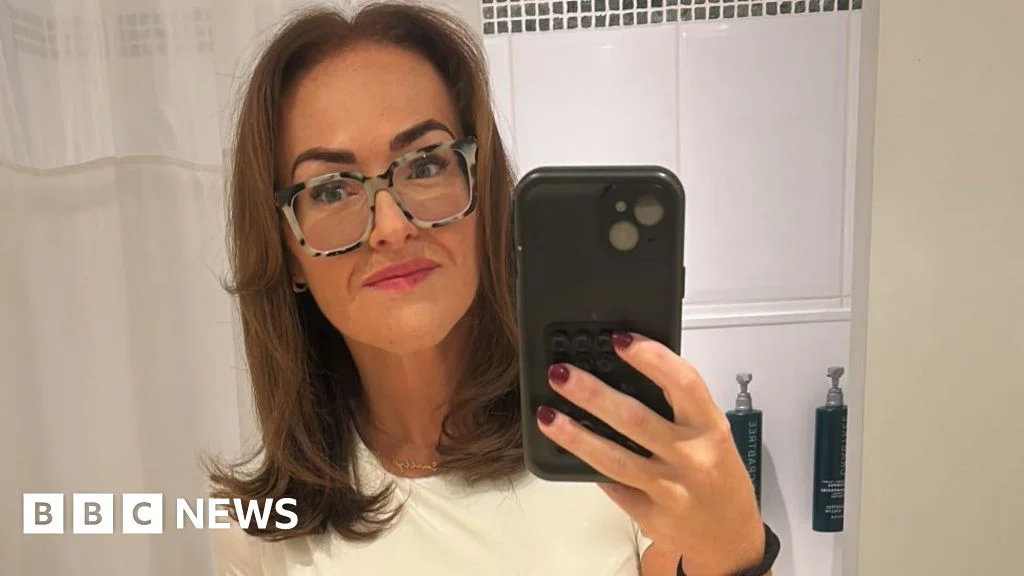
A woman misattributed her worsening heartburn to diet and weight-loss injections, but it was diagnosed as an aggressive stomach cancer (signet ring cell adenocarcinoma) after a series of medical examinations, highlighting the importance of seeking medical advice for persistent symptoms.
King Charles' doctor, Dr. Michael Dixon, has raised concerns about the increasing use of weight-loss injections like Ozempic, originally intended for diabetics, among the general public. He warns that this trend poses a significant health risk and criticizes the ease of access to such medications. Dr. Dixon, who supports alternative medicine, emphasizes the need for self-reliance in health management and criticizes the over-reliance on medications like antidepressants, which he attributes to the pressures faced by GPs.
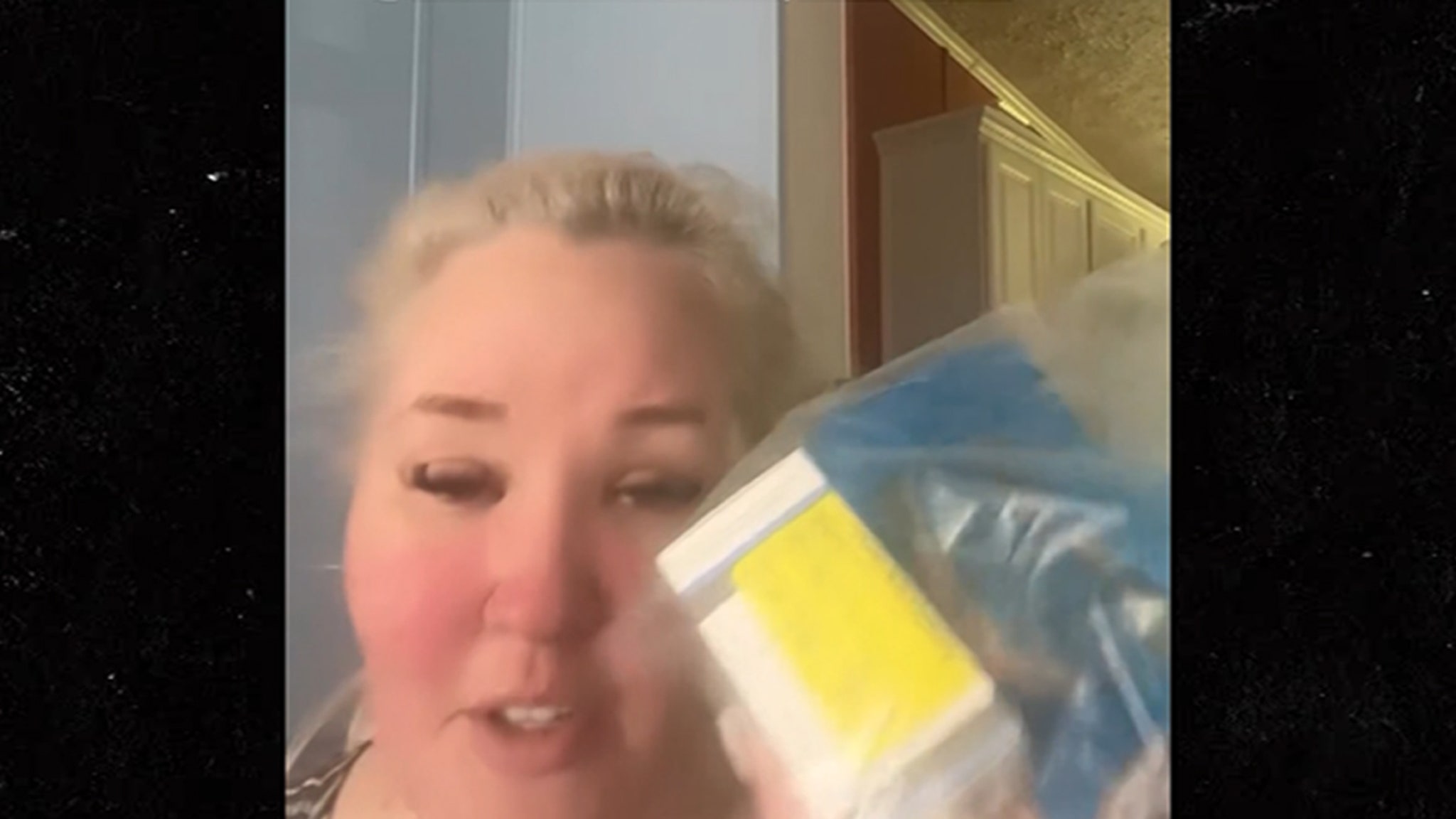
Mama June, after struggling with weight gain, has turned to weight loss injections after gaining 130 pounds. She shared a video of herself receiving semaglutide injections, previously used for diabetes and obesity treatment, as a last resort after her previous weight loss efforts failed. June's weight had fluctuated due to stress from being a caregiver to her daughter during her cancer battle, leading to the weight gain. She warns others about the potential risks of diving into the world of weight loss medications.
Reports of unexpected pregnancies in women using weight loss injections like Ozempic and Wegovy have sparked speculation about a potential link to fertility, but experts caution that the pregnancies are likely due to the significant weight loss caused by the injections rather than a direct fertility-boosting effect. The weight loss from these injections may indirectly address fertility issues related to obesity, insulin resistance, and hormone imbalances. However, these medications are not recommended for women who are not overweight and struggling to conceive, as they could lead to malnutrition and are not considered safe during pregnancy. Women who become pregnant while using these injections should stop immediately and seek medical advice for evaluating the impact on the pregnancy and fetus.
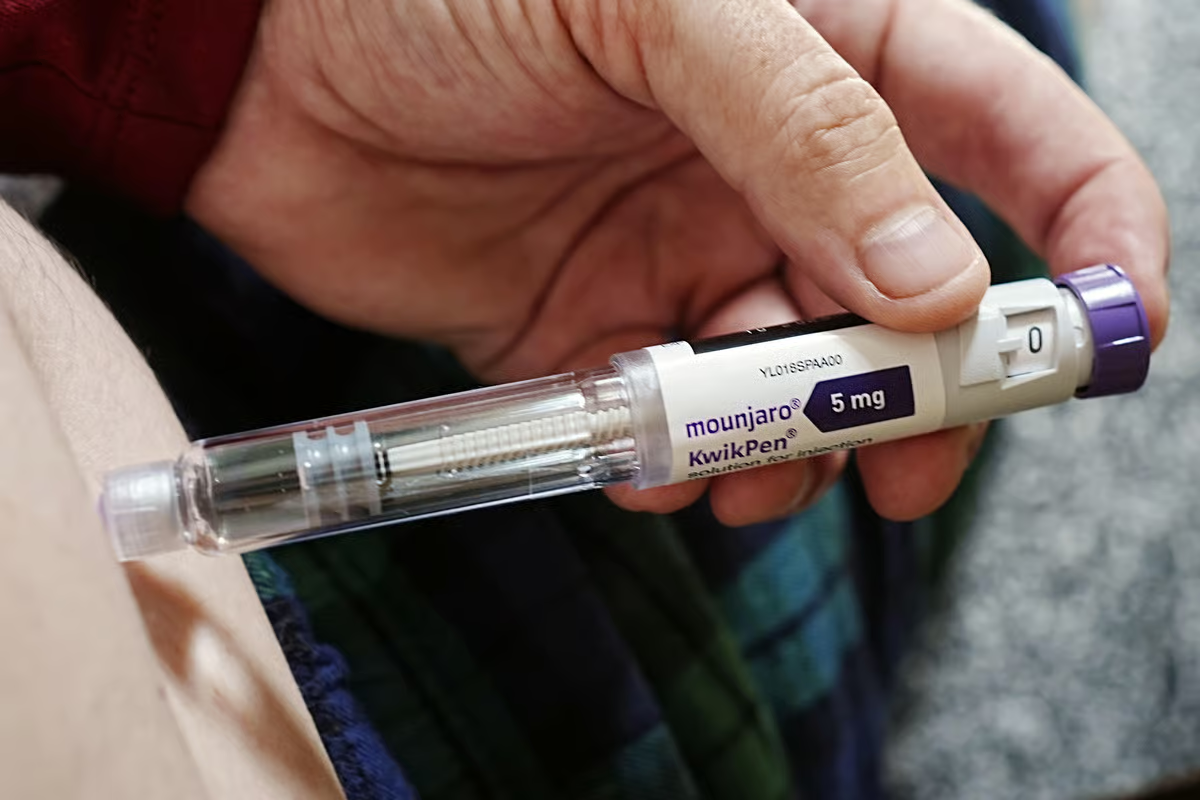
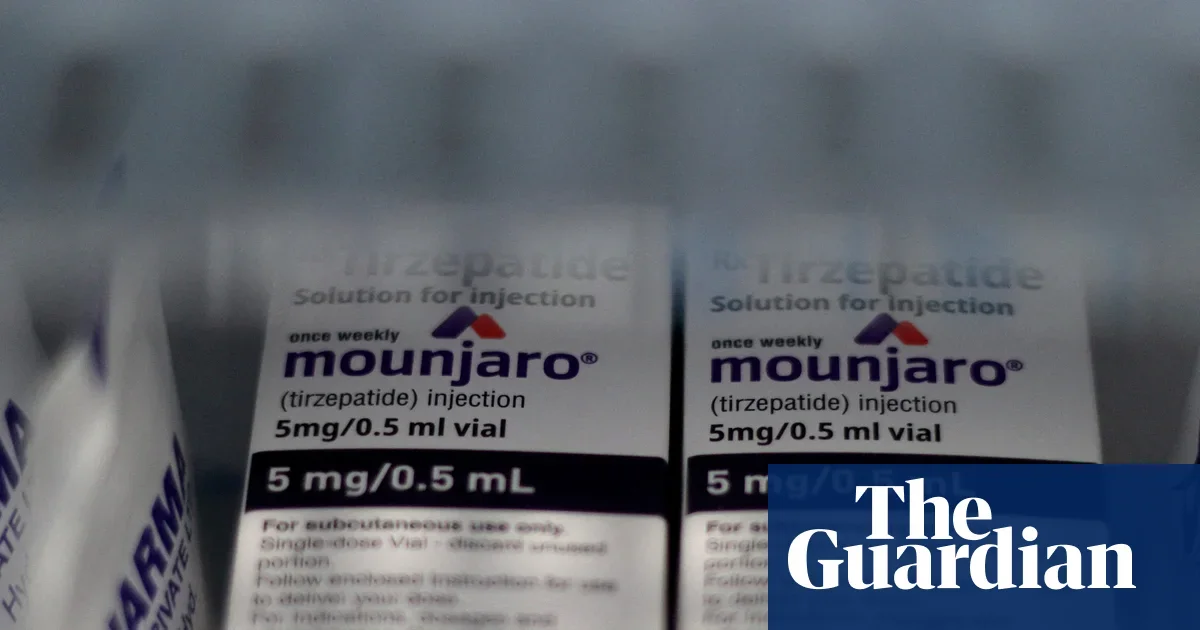
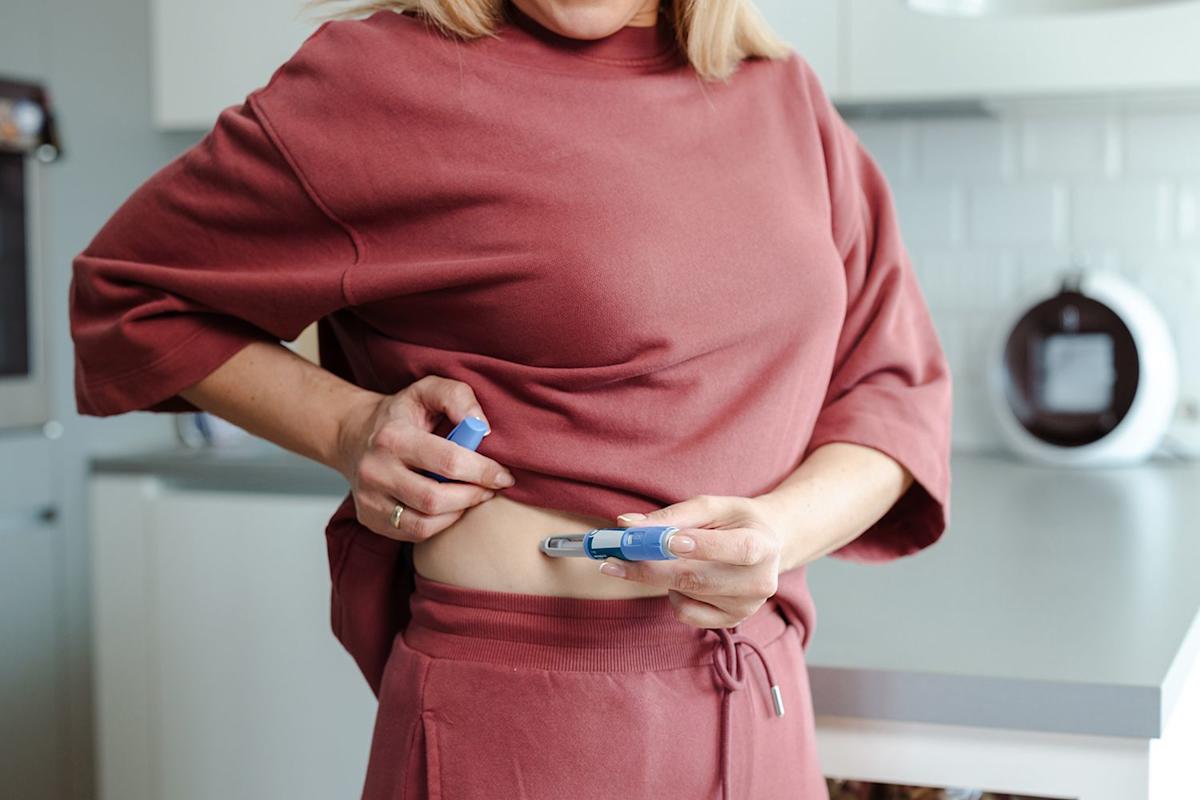
Mounjaro, a new weight loss injection, has garnered attention for its promising results in clinical trials, showing a 25% average weight loss after one year compared to Wegovy's 16%. However, experts emphasize that weight loss injections are not a cure-all for obesity and should be used in conjunction with healthy lifestyle changes. Both Mounjaro and Wegovy mimic hunger-suppressing hormones in the body, but Mounjaro also mimics GIP, leading to better weight loss results. Common side effects include nausea, constipation, vomiting, and tiredness. Eligibility criteria are strict, and while these injections can be obtained through the NHS in specific cases, purchasing online requires caution and consideration of accompanying lifestyle change programs.
As the use of weight loss injections like Ozempic continues to rise, some patients are seeking plastic surgery to combat the side effect known as "Ozempic face," which can result in a gaunt appearance due to fat loss. Patients are turning to procedures such as dermal fillers, face lifts, and fat transfers to restore volume in their faces, with some spending significant amounts on noninvasive treatments. Plastic surgeons are reporting an increase in patients seeking procedures to address the effects of weight loss injections, highlighting the impact of these medications on both weight loss and appearance.
Actor Rob Lowe expresses concern about the trend of using prescribed injections for weight loss, emphasizing the importance of a sustainable and healthy lifestyle. Lowe, known for advocating the Atkins diet, questions the longevity of the weight-loss trend and stresses the need for a balanced approach to health and wellness. Other celebrities, such as Mark Wahlberg, have also shared similar sentiments, promoting the importance of prevention and a healthy lifestyle over quick fixes.
The rising popularity of weight-loss injections that suppress appetite, such as Wegovy and Ozempic, is causing concern among snack food companies as investors question whether these drugs will reduce the American appetite for snacking. Shares of major snack food makers like Kraft Heinz, Kellanova, PepsiCo, and Mondelez International have all seen their stock prices drop. Some companies, like Conagra Brands, are already considering adjusting portion sizes and ingredients in response to potential changes in consumer habits. The adoption of weight-loss drugs could force food companies to reconsider their revenue and profit forecasts and change recipes. However, the drug manufacturers, such as Novo Nordisk, are experiencing financial success, and there could be unexpected winners like airlines, which could save on fuel costs if passengers shed weight.