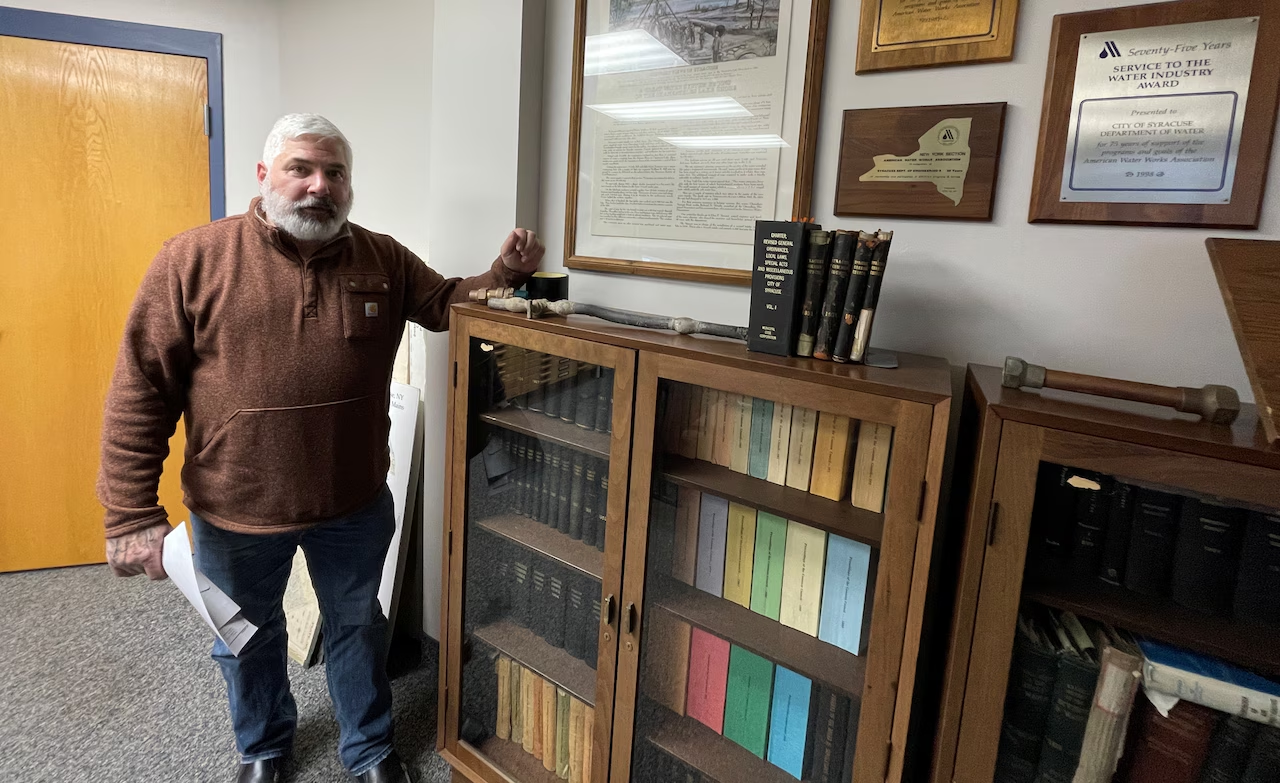
During a water main break affecting six towns, Syracuse has increased its water supply to DeWitt by 800,000 gallons daily and coordinated with OCWA to maintain pressure and supply, exemplifying regional cooperation during a crisis.
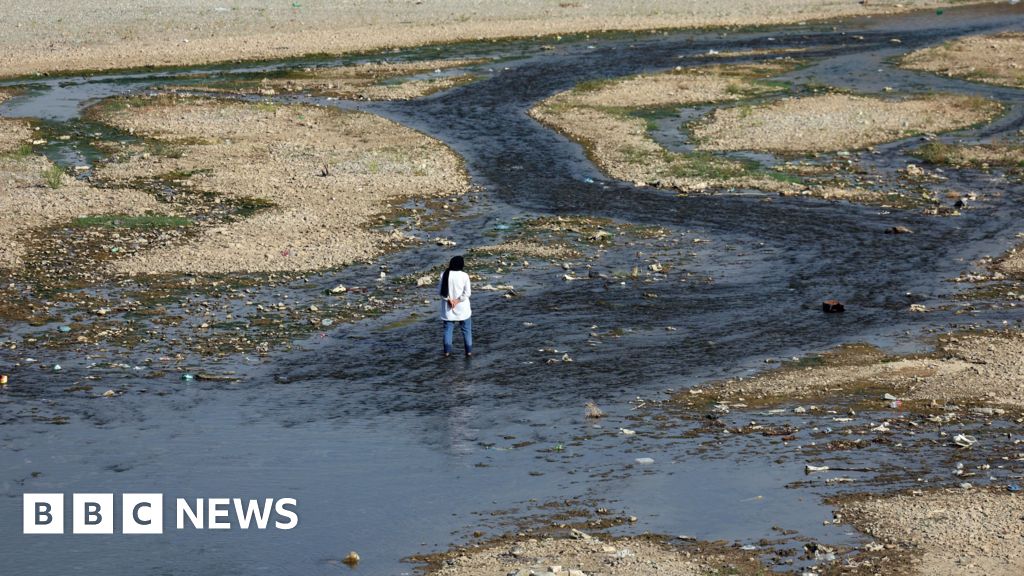
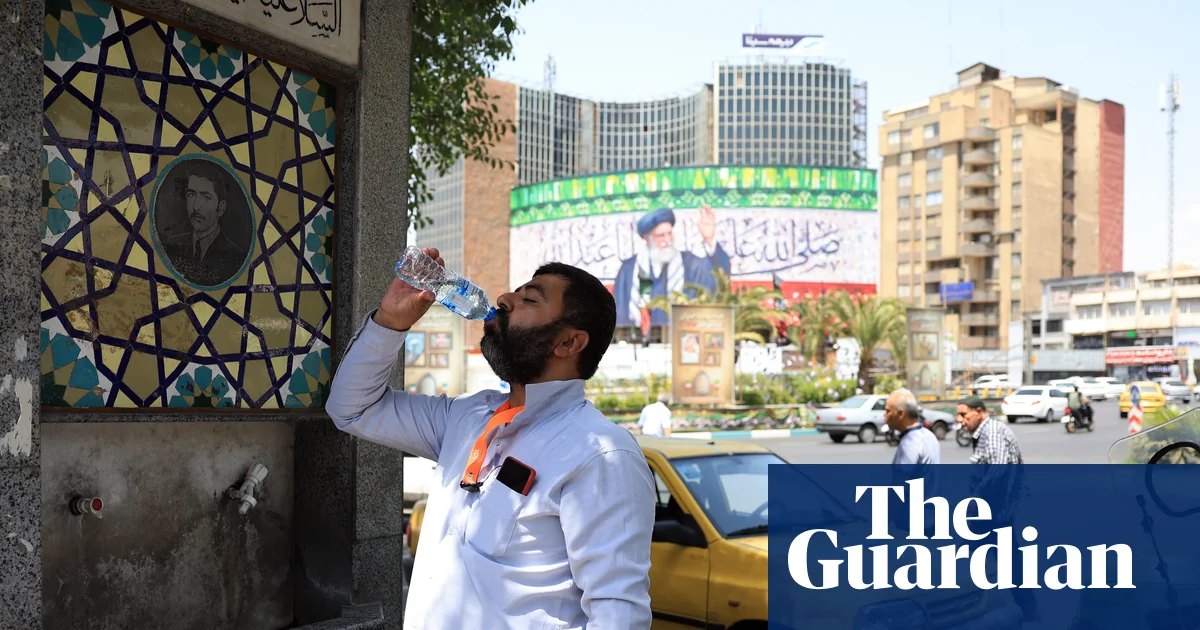
Iran's capital Tehran faces an unprecedented water crisis due to a sixth consecutive year of drought, with fears of evacuation for its 15 million residents amid severe water shortages, worsened by overextraction, climate change, and systemic mismanagement.
The Colorado River water dispute among seven states, including swing states Arizona and Nevada and conservative states Utah and Wyoming, is escalating, risking a water crisis for 40 million people amid drought and political tensions, with federal intervention efforts hampered by political deadlock and upcoming elections.
Western states are engaged in a high-stakes dispute over the shrinking Colorado River, involving political, economic, and environmental tensions among states, industries, and tribes, with potential federal intervention to manage water allocations amid severe drought and legal conflicts.
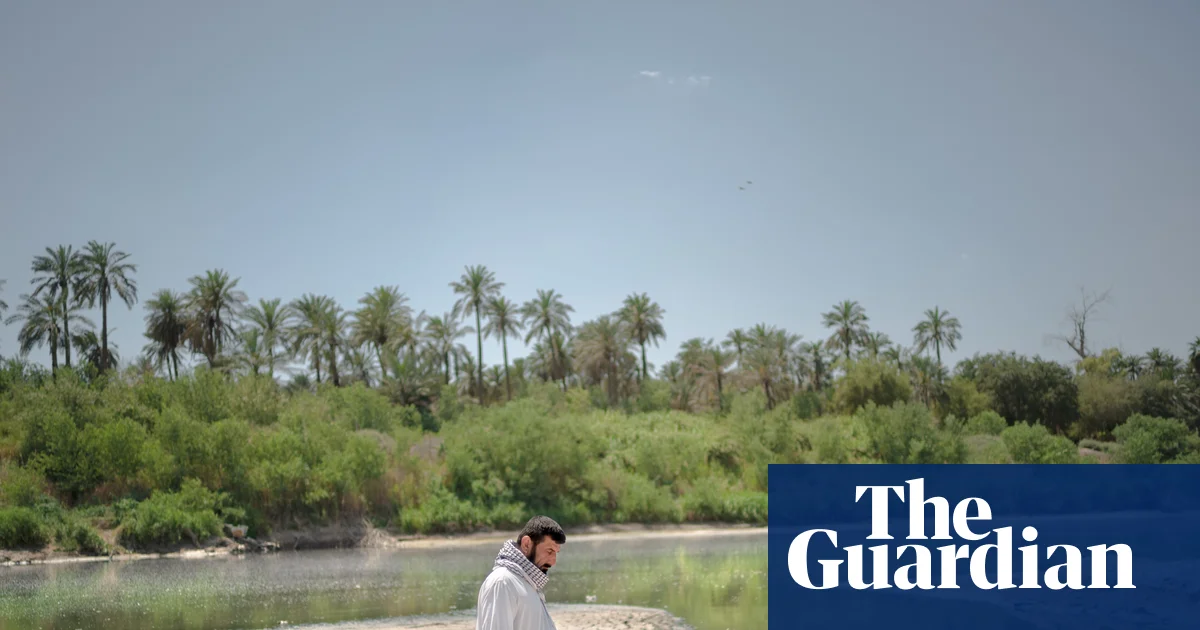
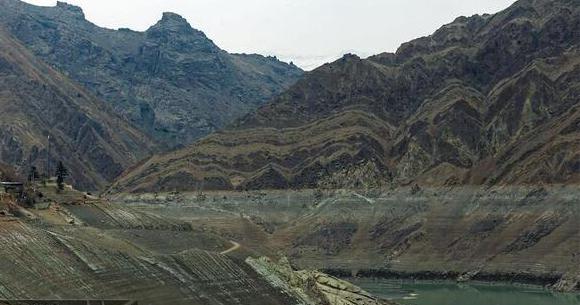
The Tigris River in Iraq, vital for the country's ecology, culture, and history, is facing severe pollution, overuse, and shrinking due to dam construction, climate change, and mismanagement, threatening the survival of local communities and their ancient way of life.
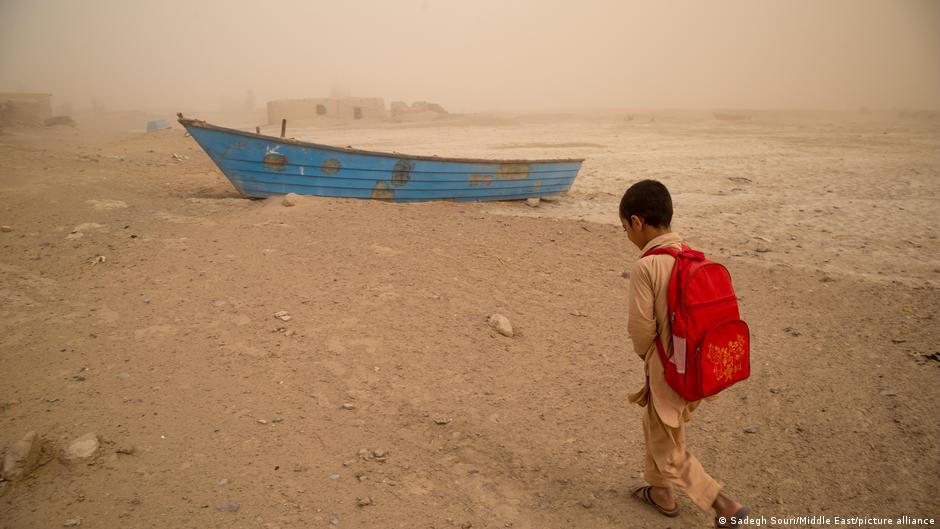
Iran is experiencing an unprecedented drought with half the country not receiving rain since summer, leading to water rationing, infrastructure issues, and concerns over sustainable water management amid climate change and overuse, especially in agriculture. Experts suggest urgent measures like prioritizing urban water supply and improving irrigation, but political and institutional challenges remain.
Iran, especially Tehran, is experiencing an unprecedented drought with record-low rainfall and nearly empty reservoirs, prompting warnings of potential water rationing and evacuation plans, while officials and residents struggle with severe water shortages amid bleak weather forecasts and infrastructure issues.
Water levels in Mashhad's dams have fallen below 3% due to severe drought, prompting calls for reduced water consumption and raising concerns about potential water shortages in Iran's capital, Tehran, amid the country's worst drought in decades.
Iran faces a severe water crisis as the Karaj Dam, supplying water to Tehran and nearby areas, is projected to run dry within 15 days due to dwindling storage and insufficient inflow, amid ongoing droughts and mismanagement.
The Trump administration has largely avoided direct intervention in the escalating Colorado River water crisis, which threatens water supplies and hydropower for 40 million people due to climate change and drought, with negotiations among states ongoing and federal officials taking a cautious, incremental approach to avoid political conflicts and legal battles.
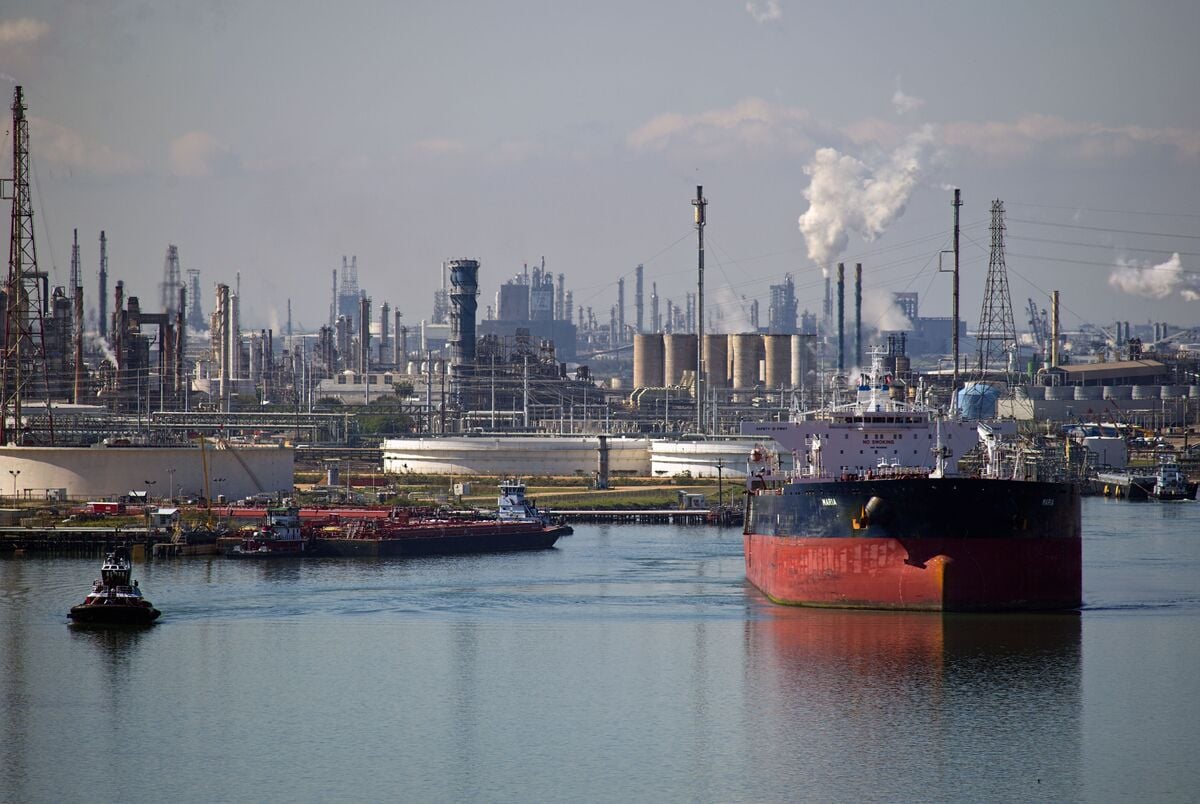
South Texas's water shortages due to a severe drought threaten Corpus Christi's booming industrial sector, including major companies like Exxon and Koch, leading to conflicts over water use and plans for a costly desalination plant that faces political and public opposition amid ongoing water scarcity.
Iran's president has proposed moving the capital from Tehran to the south due to severe water shortages, over-expansion, and land subsidence, highlighting the country's worsening environmental and resource crises.
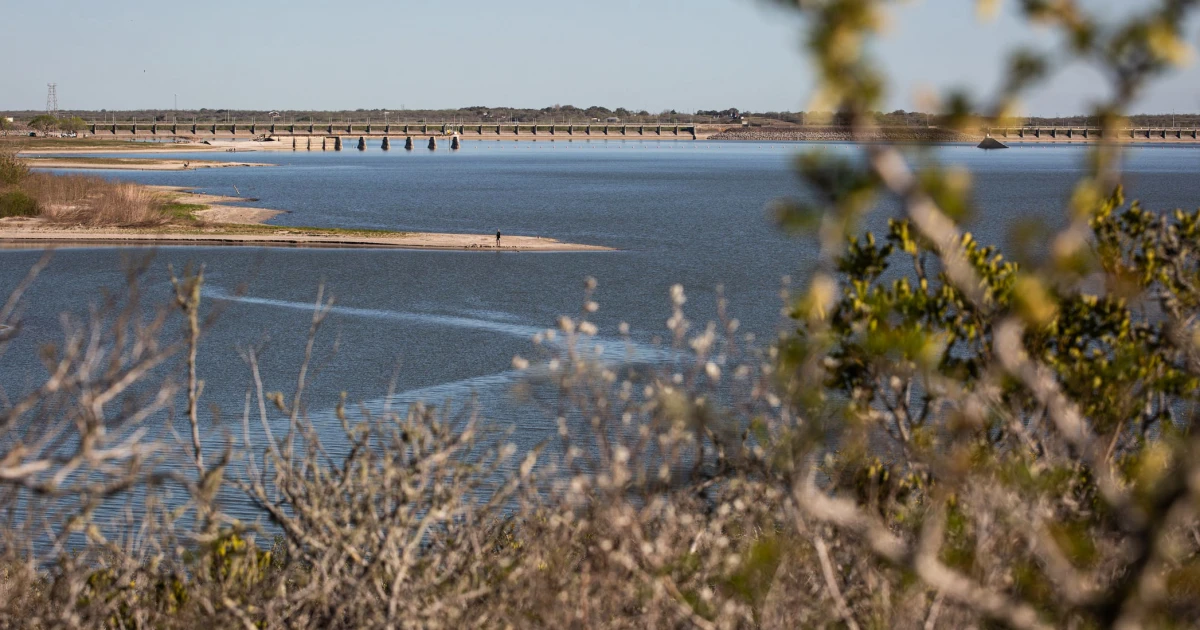
A small town in South Texas, Mathis, is facing a severe water shortage due to prolonged drought and declining lake levels, prompting emergency measures such as drilling new wells and considering desalination and wastewater reuse to secure its water supply amid broader climate change impacts.
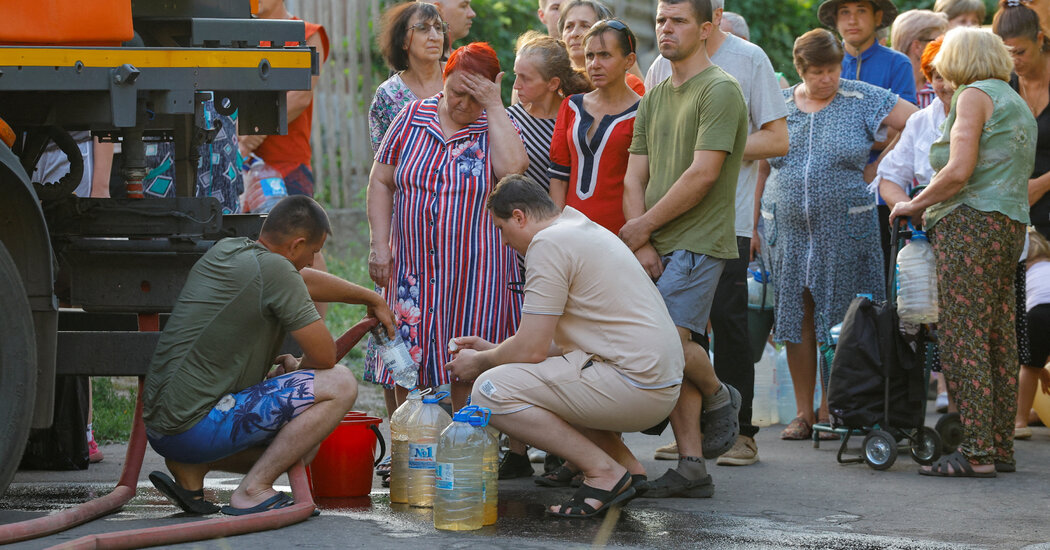
Donetsk, a city in eastern Ukraine under Russian control, faces a severe water crisis due to destroyed canals, damaged infrastructure, and neglect, with residents resorting to alternative water sources. Russia claims that taking more of the region would help restore water supply, but the ongoing conflict and damage have made recovery difficult, highlighting the neglect of occupied territories.
The Colorado River faces severe drought conditions with declining reservoir levels, prompting urgent negotiations among seven U.S. states and Mexico over water sharing. Federal officials warn of potential federal intervention if states cannot reach a consensus by November, as climate change exacerbates water shortages, threatening the river's future and the water supply for millions.