The U.S. Marine Corps is undergoing a continuous modernization process called Force Design to adapt to evolving warfare, emphasizing advanced technology, flexible MAGTF formations, and maintaining core Marine values to ensure readiness and dominance against peer adversaries.
In September 2025, several major movies are streaming, including Disney's live-action 'Lilo & Stitch,' A24's 'Friendship,' 'Warfare,' and 'Highest 2 Lowest,' along with other titles like 'Dangerous Animals,' 'The Wedding Banquet,' and documentaries on Netflix. These films span genres from family animation to indie comedy, war thrillers, horror, and romantic dramas, offering a diverse lineup for viewers.
The National Guard troops deployed in Washington D.C. are primarily engaged in landscaping and beautification duties, with weapons authorized only in response to imminent threats, which has raised concerns about the impact on military morale and the focus on combat readiness.
A study by archaeologist Prof. Andrzej Kokowski and colleagues suggests that Germanic warriors during the Roman period used stimulants in battle, as evidenced by small, spoon-shaped objects found at archaeological sites in northern Europe. These objects, likely used to measure doses of substances like poppy, hemp, and various fungi, indicate that stimulants were used to enhance performance and reduce stress in warfare. The research highlights the potential widespread use of such substances for military, medicinal, and ritual purposes among Germanic tribes.
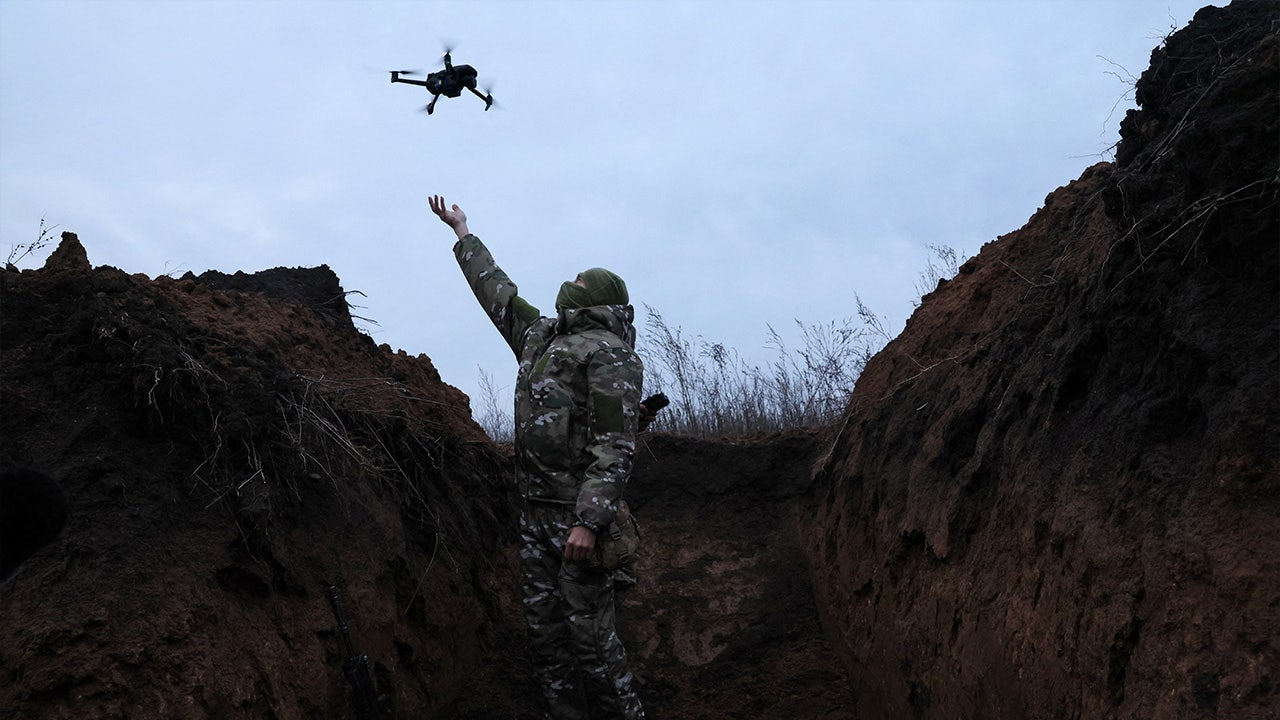
The use of drones in the Ukraine conflict has significantly altered warfare dynamics, as illustrated by the experience of Mykyta Luchok, a Ukrainian soldier who survived a Russian missile strike. Despite suffering injuries and developing epilepsy, Luchok contributed to the war effort by training new drone pilots before his discharge. The incident highlights the evolving role of drone technology in modern military strategies.
Modern warfare is shifting towards a static, attritional style due to the dominance of accurate and lethal weapons, particularly in conflicts like the Ukraine war. The future of warfare may involve protective "bubbles" to defend against drones and missiles, hindering rapid battlefield maneuvers. This shift poses challenges for Western armies, as combat becomes more about attrition and resource management rather than seizing territory. Coordinating various defense systems and maintaining a protective bubble requires extensive training and skilled staff work, raising concerns about the West's preparedness for this new mode of warfare.
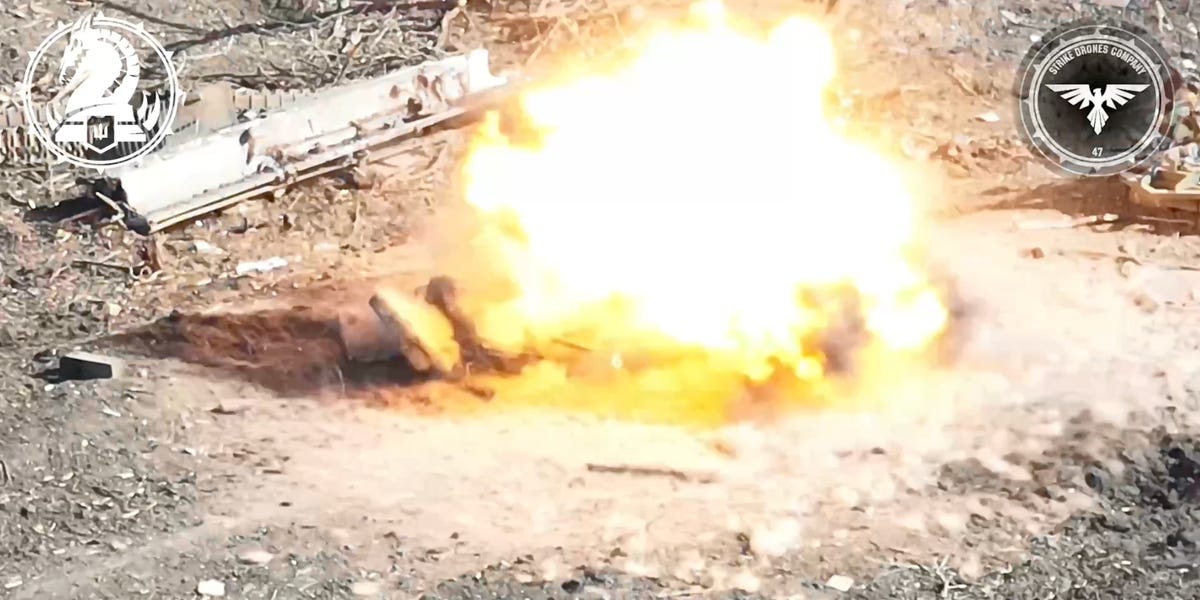
Ukrainian quadcopter drones equipped with explosives destroyed two Russian ground robots near Avdiivka in eastern Ukraine, showcasing a rare instance of unmanned systems engaging in combat. The use of small drones rigged with explosives has been prevalent in the Ukraine war, with both sides employing them for one-way attacks. The incident highlights the emerging role of unmanned ground vehicles in warfare, with experts noting the rapid proliferation of such systems in Ukraine and the need for developing tactics for integrating them into battlefield operations. Additionally, Ukraine has utilized unmanned surface vehicles to target Russia's Black Sea Fleet, demonstrating an asymmetrical style of warfare.
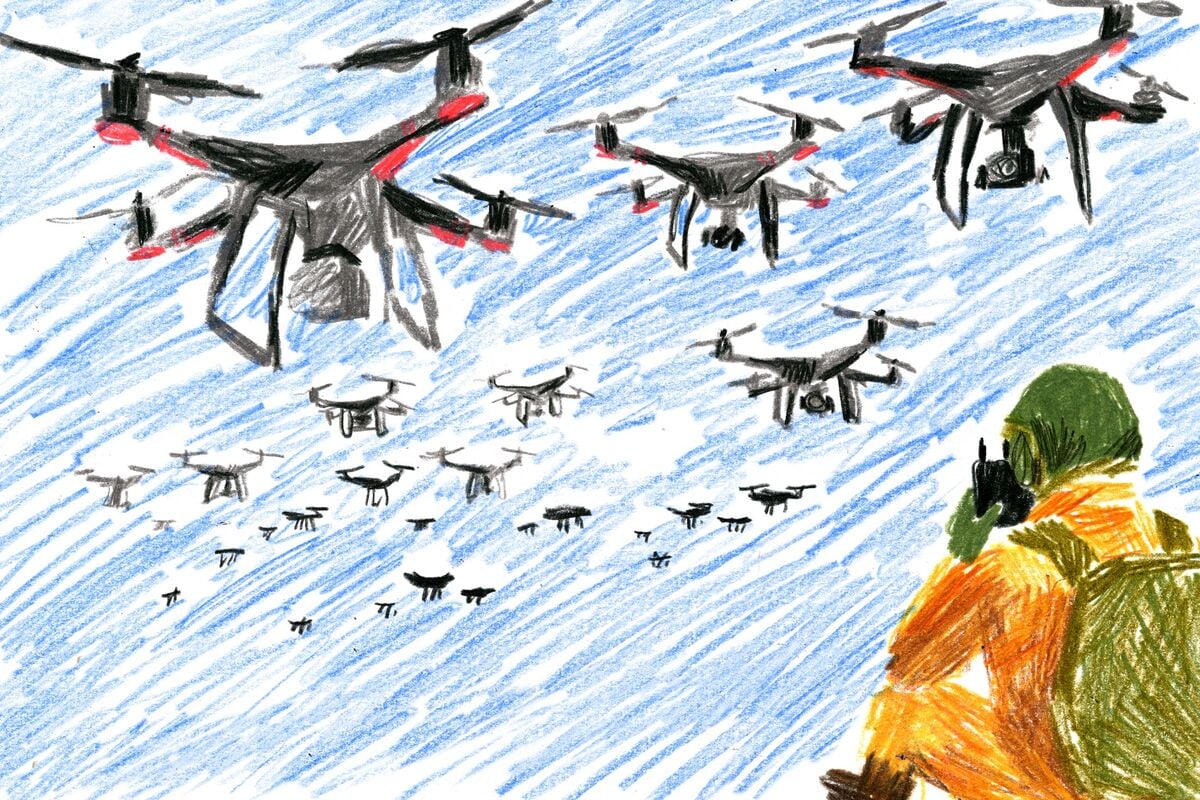
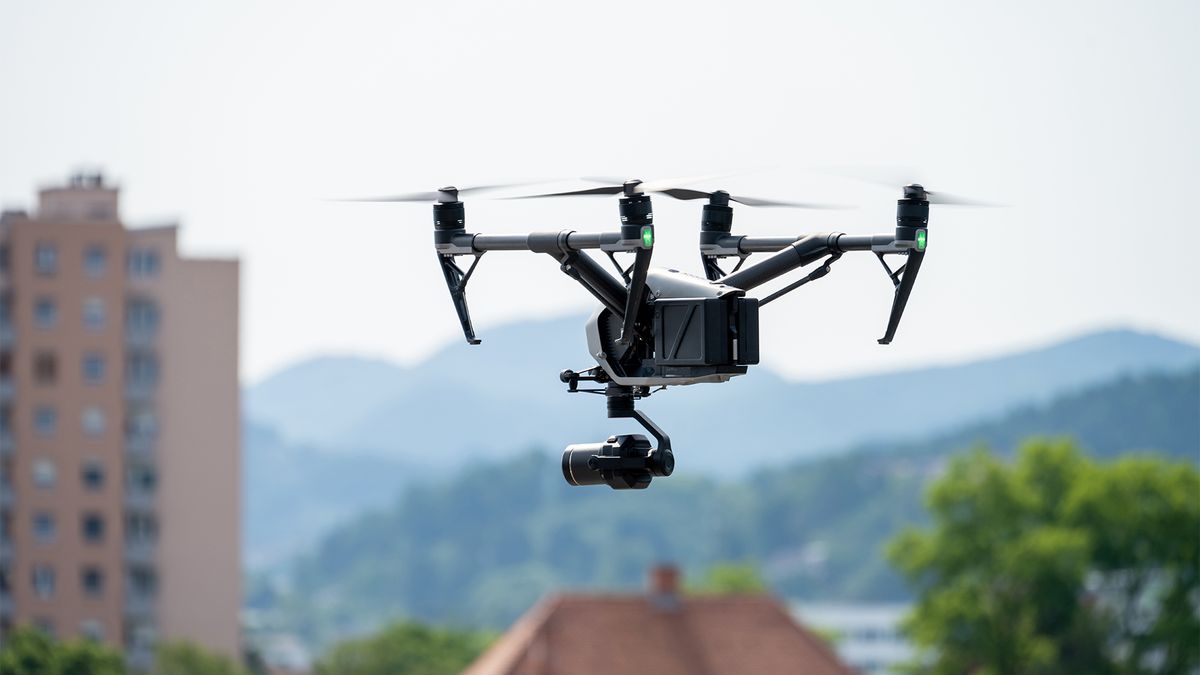
The ongoing war between Ukraine and Russia has sparked an AI arms race, with both sides utilizing drones and artificial intelligence for battlefield intelligence and reconnaissance. The use of AI-enabled autonomous weapons is becoming increasingly prevalent, changing the dynamics of modern warfare and posing challenges for military strategists. The proliferation of cheap quadcopter drones has shifted the fundamentals of wartime principles, making tactical surprise and maneuver extremely difficult. The integration of AI technology in drones could further enhance their capabilities, posing a significant challenge for military units on the front lines.
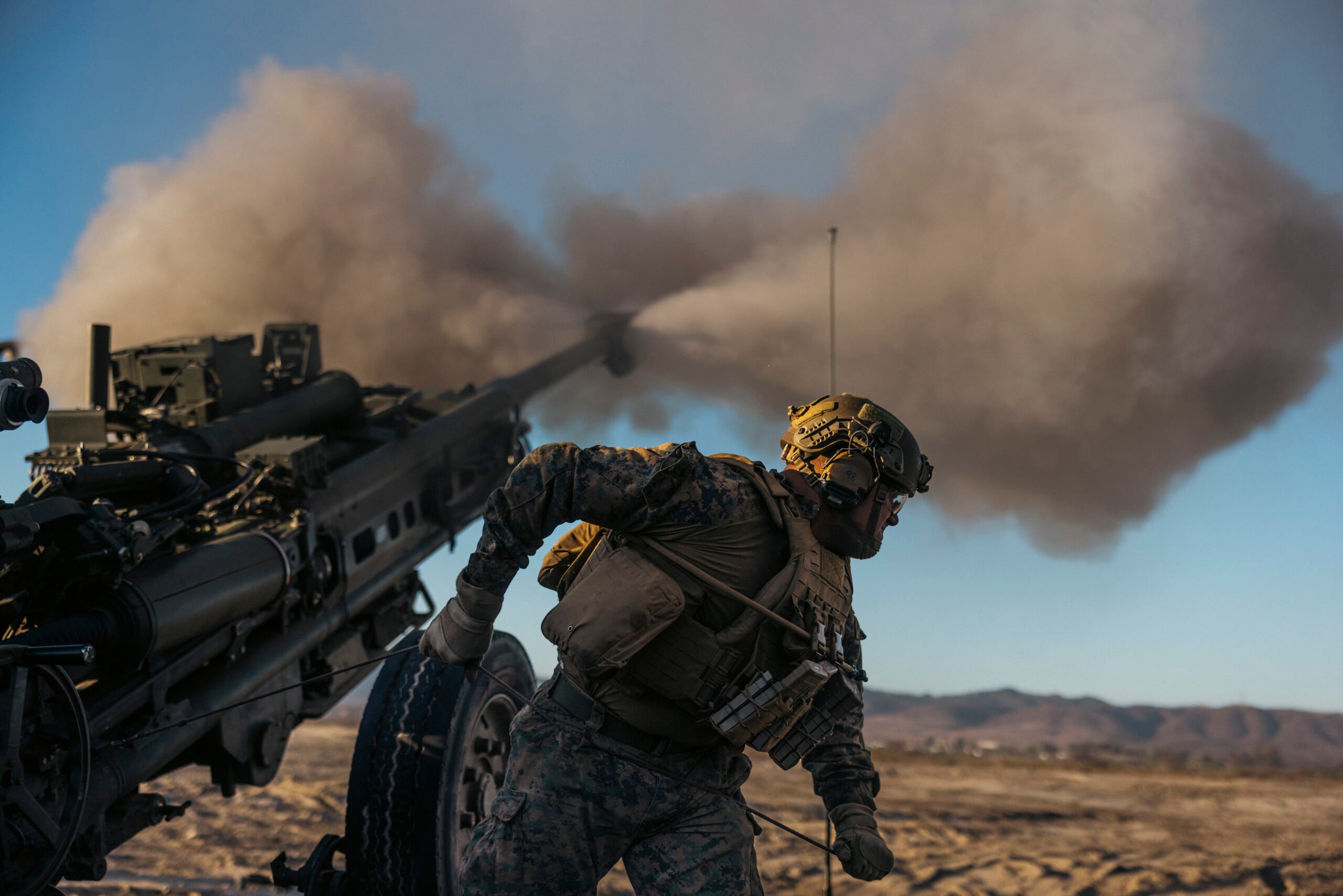
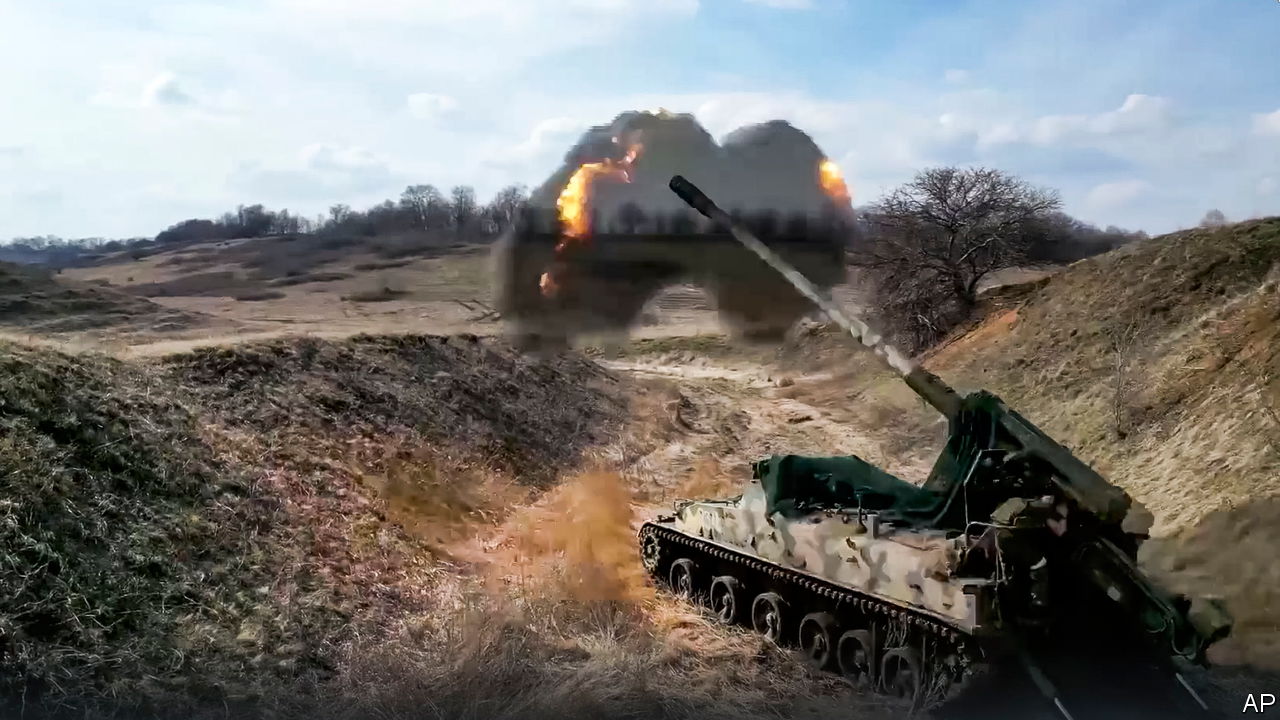
Russia's artillery is out-shelling Ukraine's, but the intense fighting is wearing out their guns, leading to concerns about whether Russia has enough artillery to sustain its firepower. With around 5,000 artillery pieces in the field and limited production capacity, Russia may face a shortage of gun barrels by 2025. Ukraine has improved its ability to destroy Russian artillery, posing a significant challenge to Russia's military strategy.
Russia has significantly increased its air power effectiveness in the Ukraine war by using Soviet-era glide bombs fitted with wings and guidance systems, contributing to recent battlefield successes such as the capture of Avdiivka. These bombs have added destructive firepower to Russia’s campaign, posing a significant challenge for Ukrainian forces. The most effective counter, according to Ukrainians, would be the acquisition of U.S.-made F-16 fighter planes. Despite claims of downing Russian aircraft, the use of glide bombs continues to pose a threat, with Russian forces increasing their use in the Kharkiv region.
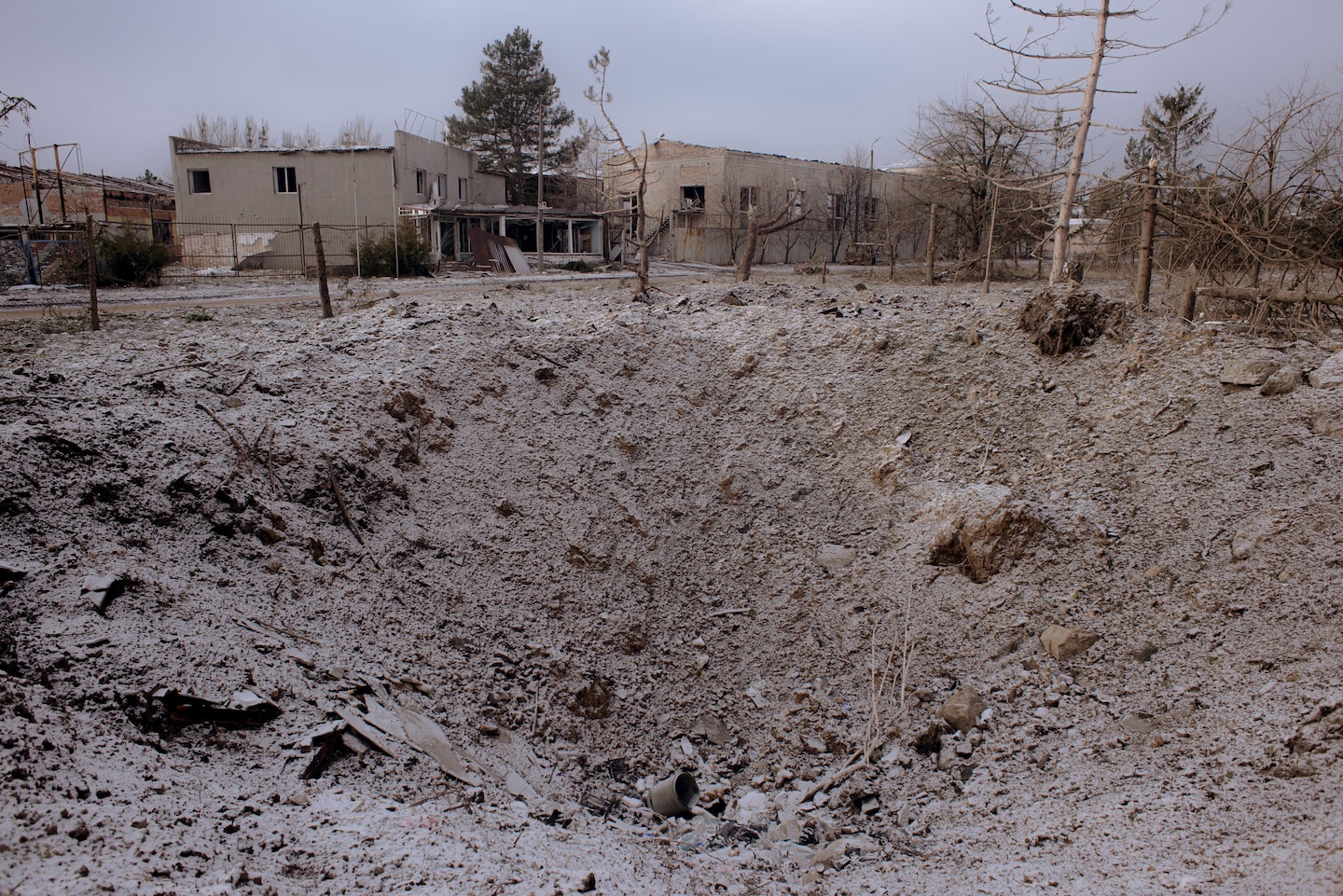
Russia has deployed the FAB-1500, a powerful aerial bomb, in its offensive in Ukraine, causing devastation and heavy casualties on the front lines. The bomb, converted from a basic Soviet-era weapon, is delivered by fighter jets from a distance, out of range of many Ukrainian air defenses. The use of these bombs has significantly impacted Ukrainian defenses, leading to increased casualties and pressure on soldiers' morale. The Ukrainian air force is seeking longer-range air defense weapons to counter the Russian aerial threat, as the relentless airstrikes continue to target Ukrainian forces.
Entrepreneur and engineer Luis Wenus incorporated AI and facial recognition into a small drone, warning that it could be configured to hunt and attack people. He emphasized the urgent need for anti-drone systems in civilian spaces and highlighted the potential for terror attacks using such technology. While countermeasures like cameras and radar exist, disrupting drones may require advanced technologies. The U.S. military is also working on controlling swarms of small drones for attack purposes.
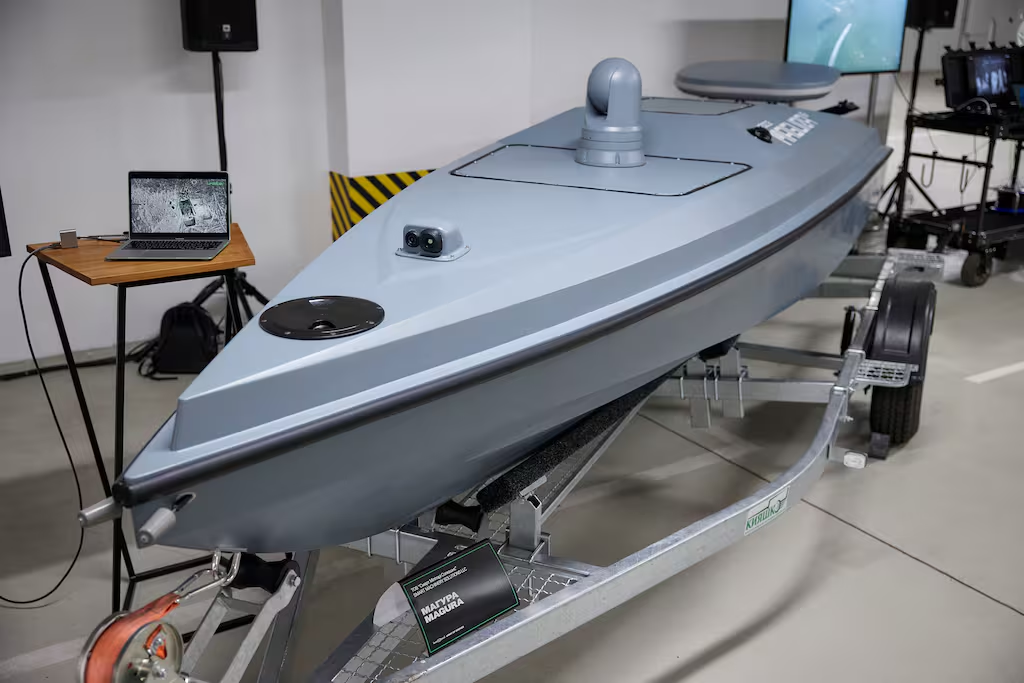
Ukraine has developed and deployed advanced sea drones in its conflict with Russia, using them to target Russian ships and infrastructure in the Black Sea. These unmanned vessels, equipped with explosives and advanced technology, have been successful in sinking and damaging Russian ships, helping Ukraine to resume some grain exports. The sea drones are locally designed and tested, with some components sourced abroad, and are funded through a government crowdfunding organization. These drones have become a crucial part of Ukraine's combat toolbox, providing a morale boost in their war against Russia.
The UK Ministry of Defence estimates that over 355,000 Russian personnel have been killed and wounded in the Ukraine war, attributing the high casualties to Moscow's commitment to "attritional warfare." Both Russia and Ukraine keep their casualty counts secret, and the UK's figures have not been independently verified. Ukrainian President Zelenskyy confirmed that 31,000 Ukrainian soldiers have been killed in action, the first time Ukraine has disclosed its losses, while Russia has provided few official casualty figures.
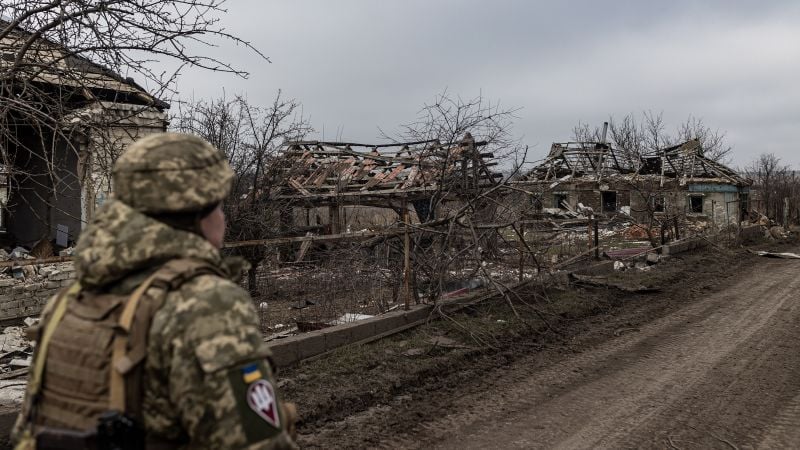
Avdiivka, a strategic city in Ukraine's eastern Donbas region, is on the verge of being lost to Russian forces, marking a significant battlefield victory for Moscow. The city's defense is becoming increasingly difficult for Ukrainian troops, who are facing shortages of soldiers, weapons, ammunition, morale, and money. The Ukrainian military is considering a partial withdrawal, and the situation poses a critical test for Ukraine's new commander in chief. Both sides are using drones and engaging in street fighting, with the Russians exerting pressure on the city's defenses.