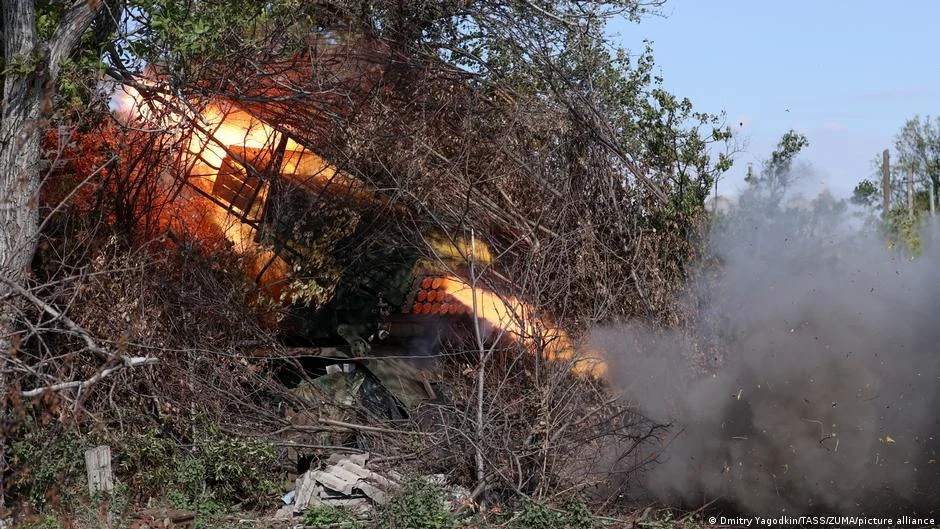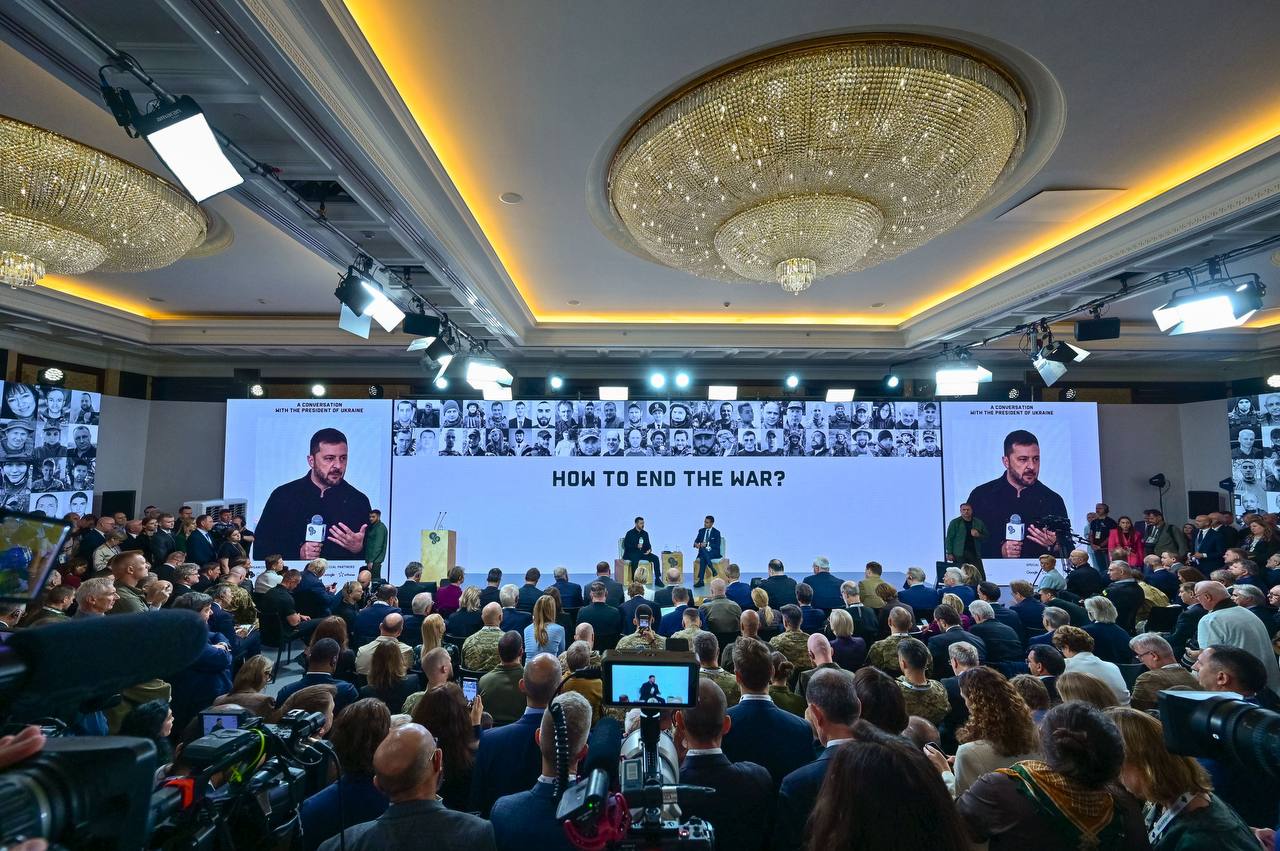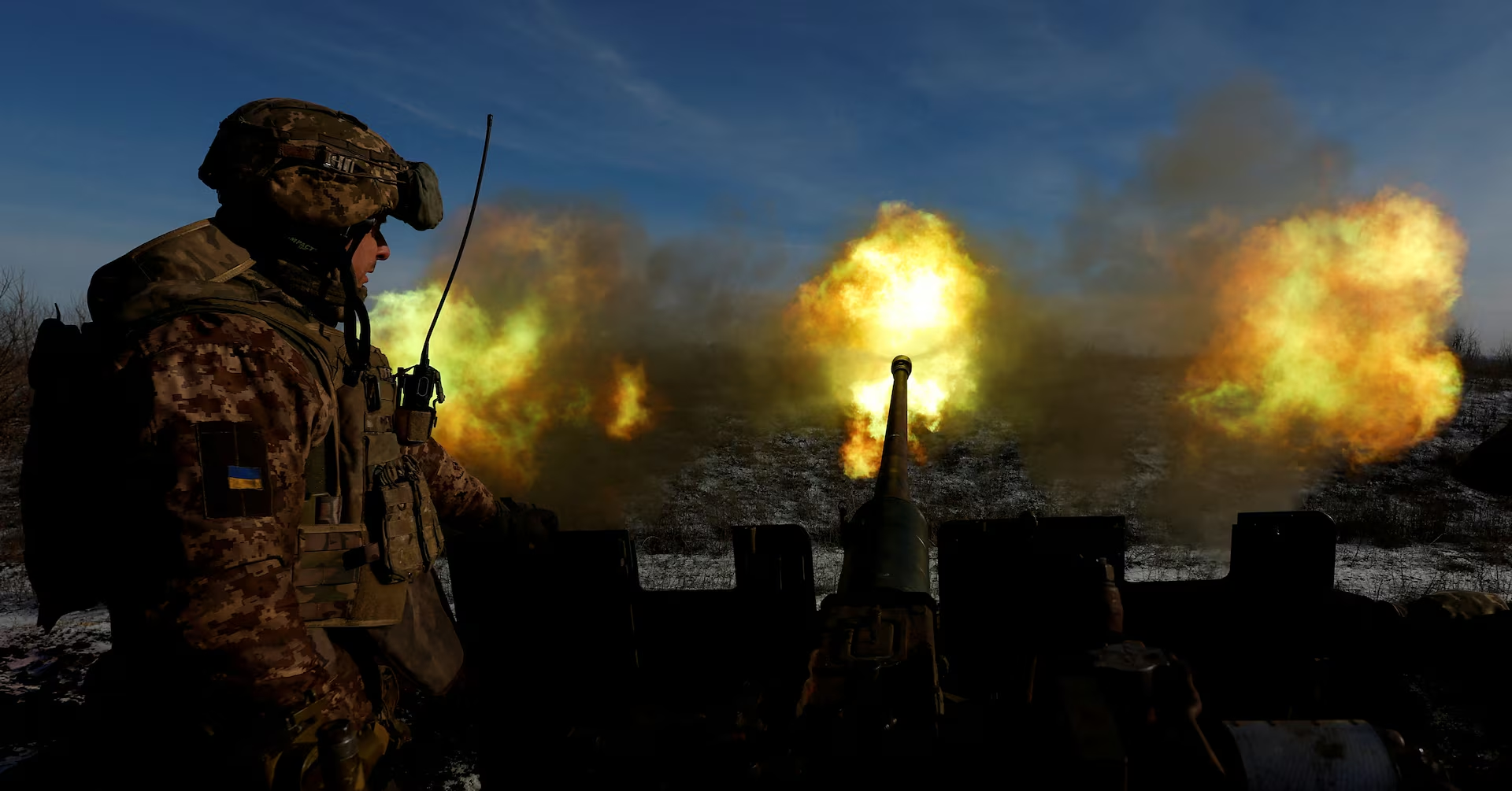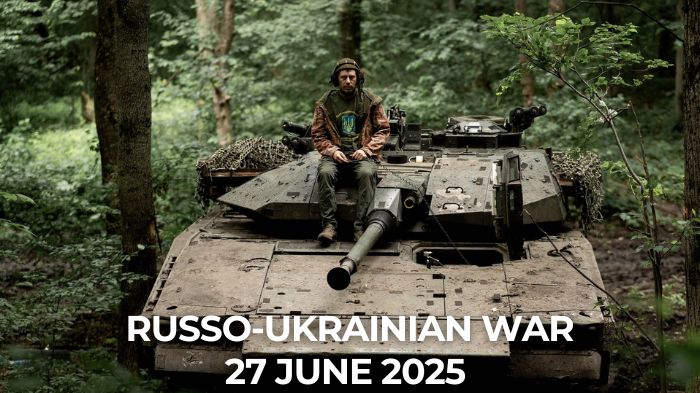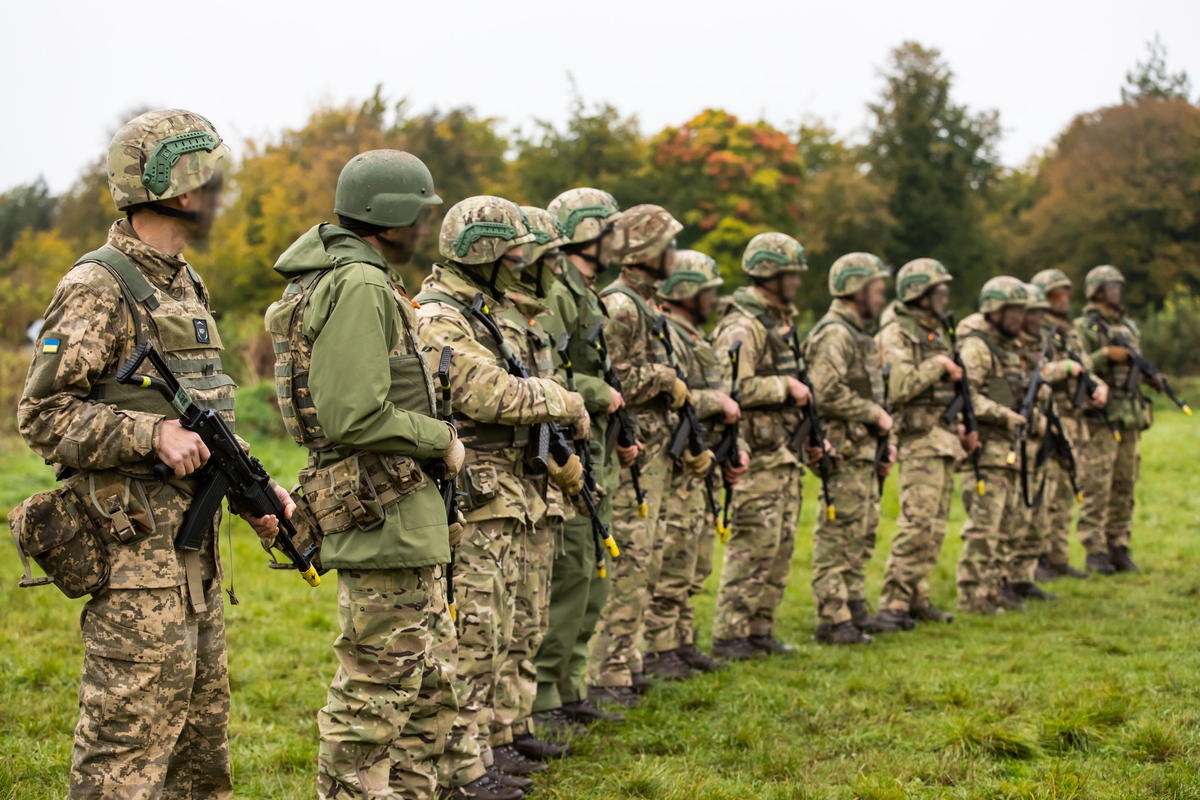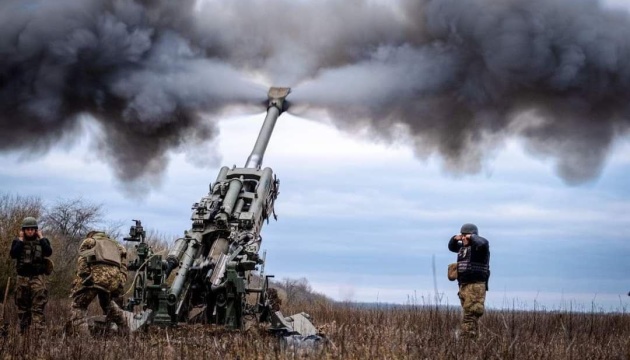
Ukraine is fiercely defending the strategic town of Pokrovsk amid ongoing battles with Russian forces, with Ukrainian President Zelenskyy visiting troops near the front lines. Russia aims to capture Pokrovsk to improve its logistical position, but Ukrainian forces maintain control of parts of the town. The conflict continues with heavy fighting, and international support, including Germany's additional aid, is ongoing.
The Ukrainian front line has expanded to nearly 1,250 km as Russia shifts to a new 'thousand cuts' tactic involving small assault groups, while Ukraine counters with advanced drone strikes and improved air defenses, aiming to regain lost territory amid ongoing conflict.
Ukrainian President Zelenskyy stated that Ukraine controls the battlefield but the situation remains complex due to Russian forces and evolving technology, dismissing claims of major Russian advances and emphasizing the need for better Western-Ukrainian intelligence coordination.
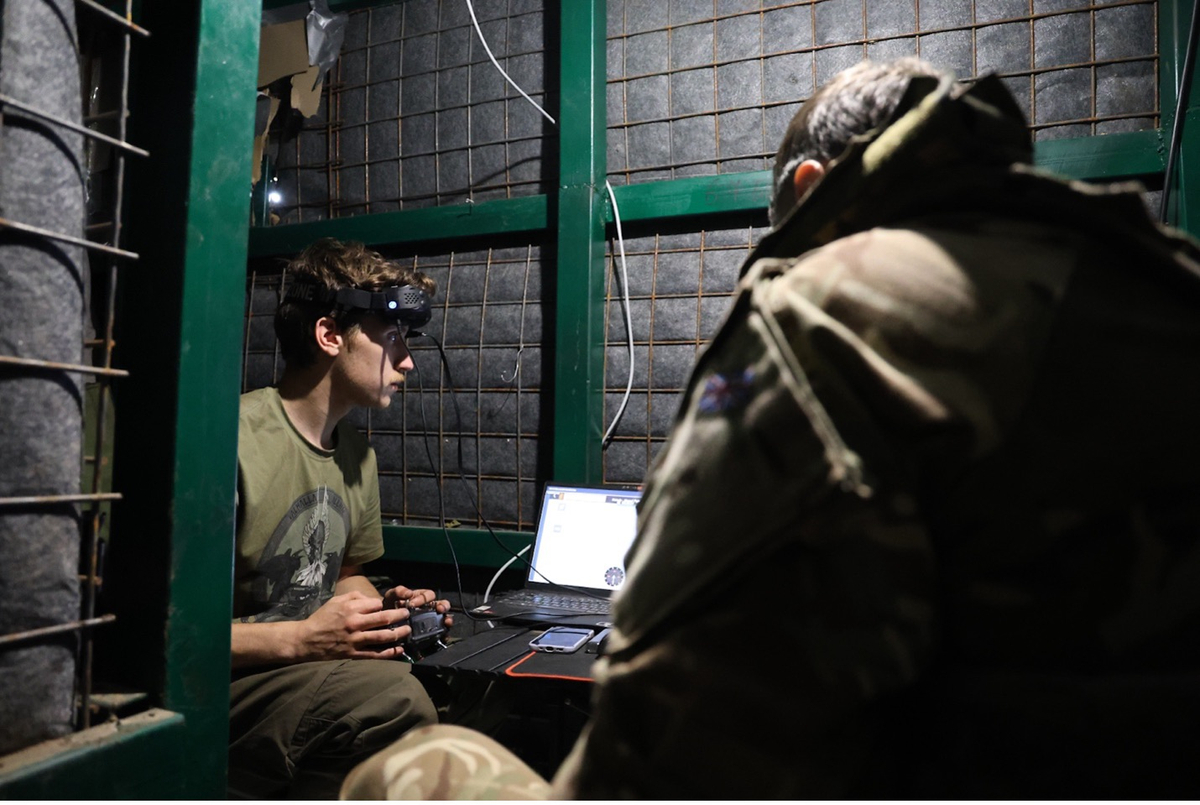
Ukrainian drone units are actively using FPV drones to defend against Russian advances in Donetsk and Dnipropetrovsk, conducting reconnaissance, strikes, and supporting artillery, as they face relentless Russian assaults including motorcycle attacks and drone ambushes, with drone operators risking their lives to maintain defensive lines.
Russian forces are advancing around Pokrovsk in Donetsk, attempting to encircle the city and cut Ukrainian supply lines, raising concerns about Ukraine's defensive stability and potential fall of key territories, with analysts warning of broader risks along the front and the need for strategic countermeasures.
Ukraine is offering its front line as a testing ground for foreign arms companies to evaluate their latest weapons, aiming to enhance its defense capabilities amid ongoing Russian attacks, with a focus on technologies like air defense, drones, and AI-guided systems.
Russia is massing 111,000 troops on the Pokrovsk front as Ukraine employs advanced drone technology and deep strikes against Russian positions, including targeting Crimea and Russian airbases. The conflict involves intense combat, technological innovations like high-altitude Ukrainian drones, and international responses, with ongoing political and humanitarian developments amid the prolonged war.
Ukraine is preparing for a critical winter phase in its conflict with Russia, expecting the front line to shift 30-35 km westward by December. The country plans to call up 160,000 additional troops amid manpower shortages and intensified Russian offensives. Ukraine aims to stabilize its defenses to strengthen its negotiating position before US President-elect Donald Trump takes office, as he has questioned ongoing US military aid. Meanwhile, Russia is bolstering its forces, including potential North Korean support, to reclaim territory in the Kursk region.
The Ukrainian Armed Forces report 132 battles along the frontlines, with the most intense fighting occurring in the Kurakhove and Lyman sectors. Russian forces have been particularly active, launching numerous assaults across various regions, including Kharkiv, Kupiansk, and Lyman. Ukrainian forces have repelled several attacks, with ongoing battles in multiple sectors. Artillery shelling from Russian territory continues to affect the Sumy and Kharkiv regions, while aerial bombs have been dropped in other areas.
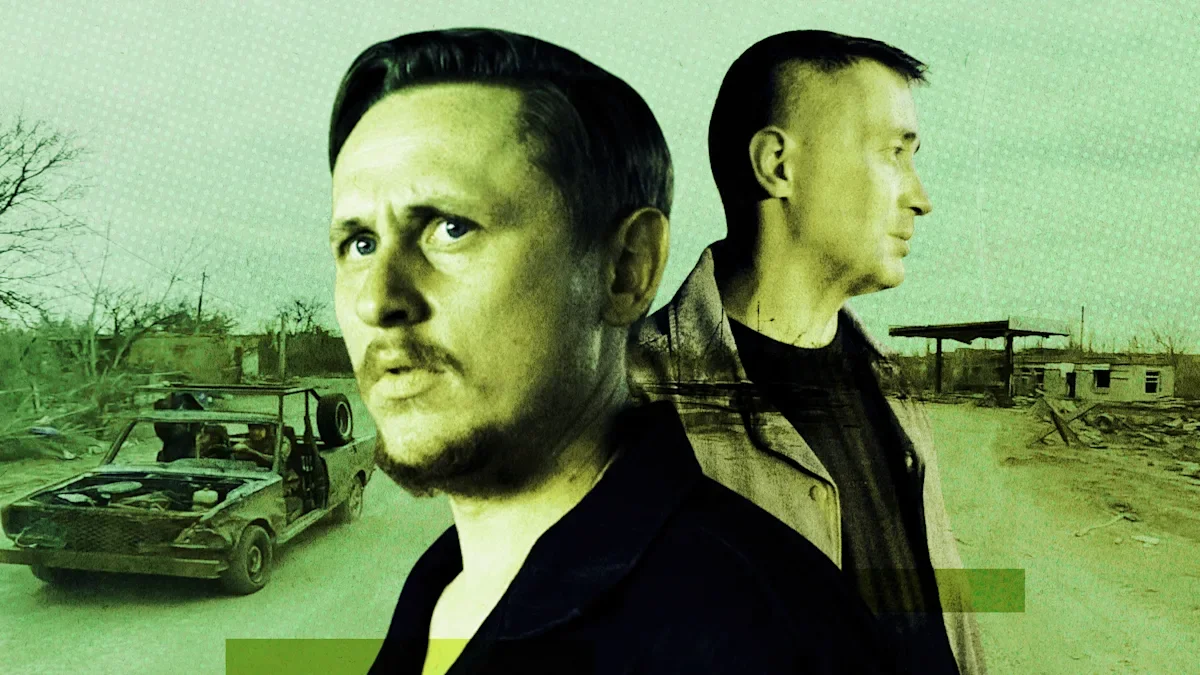
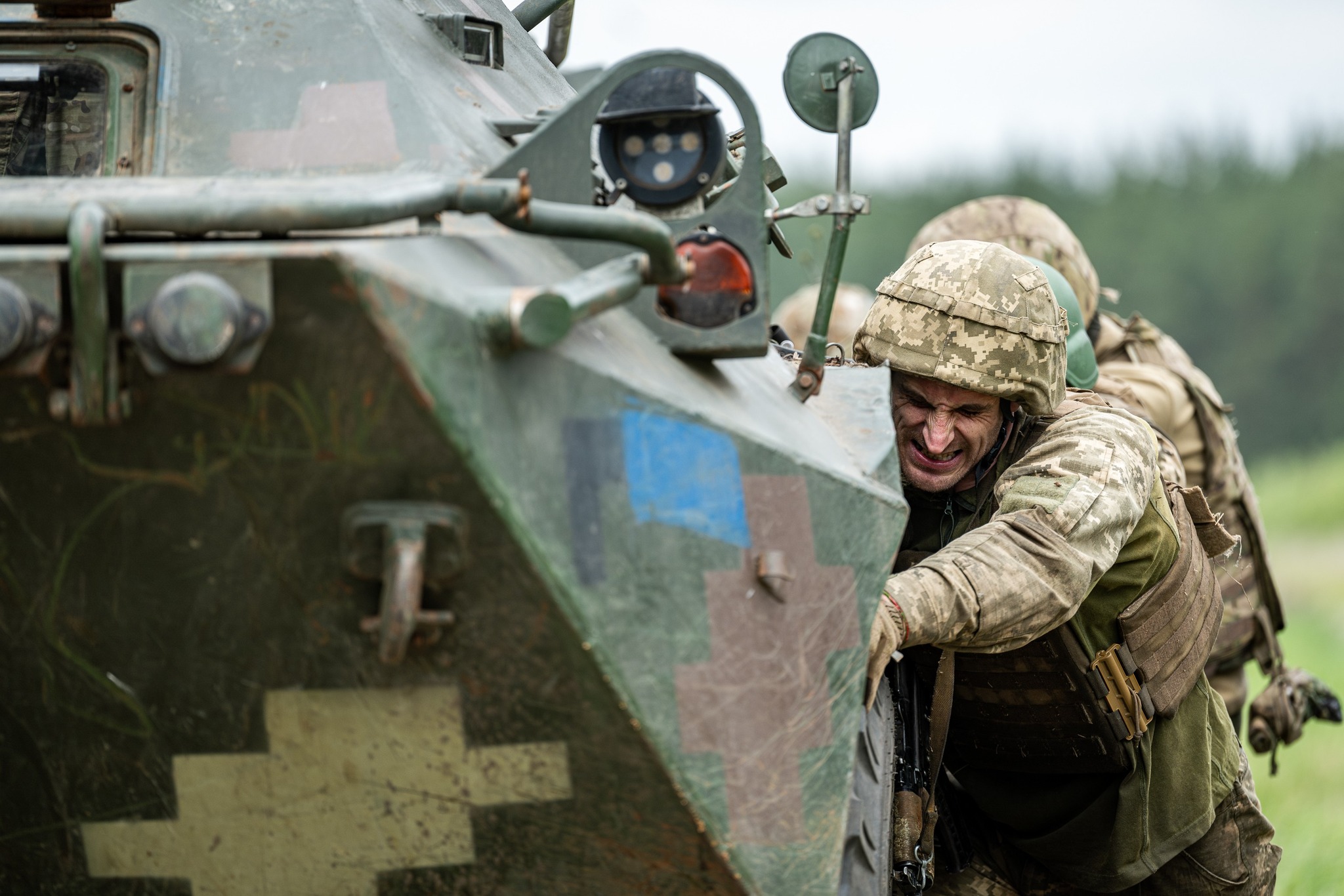
Ukrainian soldiers on the eastern front line face relentless Russian assaults, severe ammunition shortages, and exhaustion as the war enters its third year. Despite recent U.S. military aid, Ukraine struggles to keep up with Russia's seemingly endless resources and manpower. The situation is dire, with soldiers like Viktor enduring constant shelling, drone attacks, and harsh conditions in the trenches. The psychological toll is immense, and the future of Western support remains uncertain, especially with the potential return of Donald Trump to the U.S. presidency.
Ukrainian soldiers on the eastern front line face exhaustion, personal loss, and a critical shortage of ammunition as Russian forces advance. Despite new U.S. military aid, Ukraine struggles to keep up with Russia's resources, leading to fears about the future of the conflict and the potential impact of U.S. political changes. Soldiers like Viktor and Roman endure relentless attacks, grappling with the harsh realities of war and the psychological toll it takes.
Ukrainian forces are facing a three-front war against advancing Russian troops, depleted artillery, and exhausted troops, with the city of Chasiv Yar becoming a crucial battleground. Ukraine's struggle to hold back Russia's offensive is exacerbated by shortages of ammunition and reinforcements, highlighting weaknesses in tactics, equipment, and strategy. Despite pleas for aid, delays in the supply of weapons and ammunition from the United States have left Ukrainian soldiers undermanned and outgunned, while fears mount of a new Russian offensive in the coming months.
Ukraine is struggling to hold the front line against a possible Russian offensive due to shortages in weapons and manpower, with President Zelenskiy warning that the country could lose the war without more U.S. military aid. Outgunned Ukrainian soldiers are speaking out as Moscow continues its efforts to overwhelm the country's defenses.
Investment bank Jefferies suggests high-yield dividend stocks as sound choices given current market conditions, with analyst Omar Nokta tagging DHT Holdings and Frontline as buys, both offering up to 8% dividend yield. DHT Holdings, a tanker company, operates a fleet of modern VLCCs and recently reported a 15.7% increase in dividend payment, yielding 8%. Frontline, one of the world’s largest tanker companies, saw a 23% increase in dividend payment and offers a 6.4% yield. Both stocks have earned Strong Buy consensus ratings and are expected to see potential one-year upsides of around 20-30%.
"20 Days in Mariupol," a documentary co-produced by The Associated Press and PBS' "Frontline," won the best documentary Oscar, marking a first for both organizations. The film provides a harrowing first-person account of the early days of Russia's invasion of Ukraine in 2022. Director Mstyslav Chernov, a video journalist for AP, emotionally expressed his wish for Russia to cease aggression in Ukraine during his acceptance speech. The documentary, which won the 2023 Pulitzer Prize for public service, features footage showing civilian casualties, mass graves, and the bombing of a maternity hospital in Mariupol.