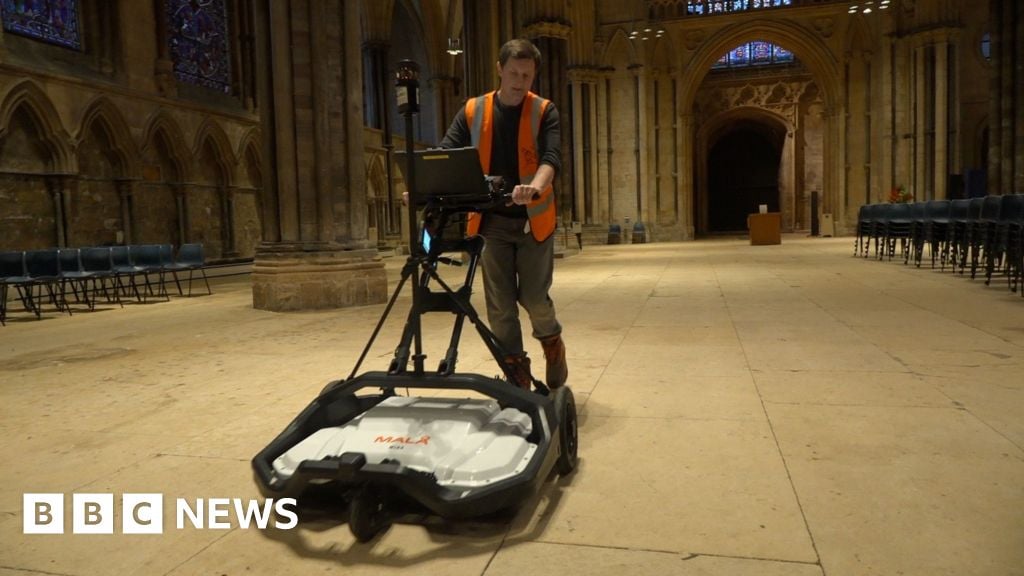
A pioneering project using ground-penetrating radar (GPR) is being conducted on Lincoln Cathedral to uncover its hidden history, including evidence of earlier structures and burials, potentially dating back to the Roman period, with results expected in spring.
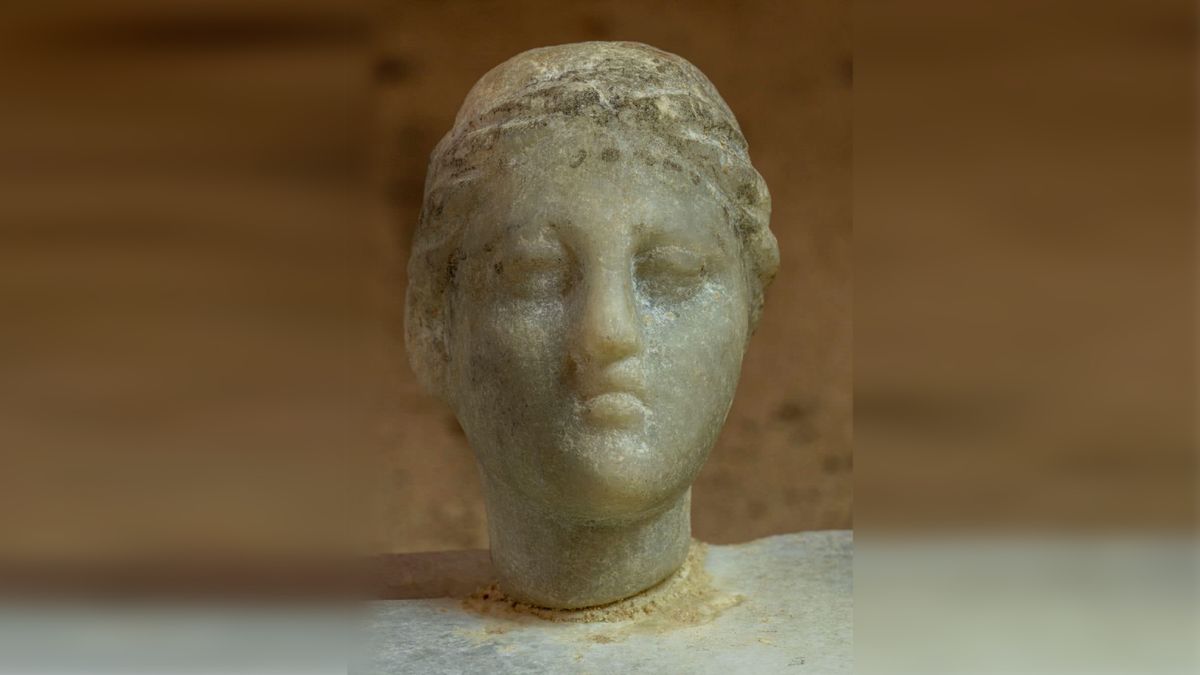
A small marble bust found at the ancient Egyptian site of Taposiris Magna may depict Cleopatra VII, according to archaeologist Kathleen Martinez, though other experts, including Zahi Hawass, dispute this, suggesting it represents a Roman figure. The site has yielded numerous artifacts, including coins depicting Cleopatra, and is believed by some to potentially house her tomb, though this theory lacks widespread support.
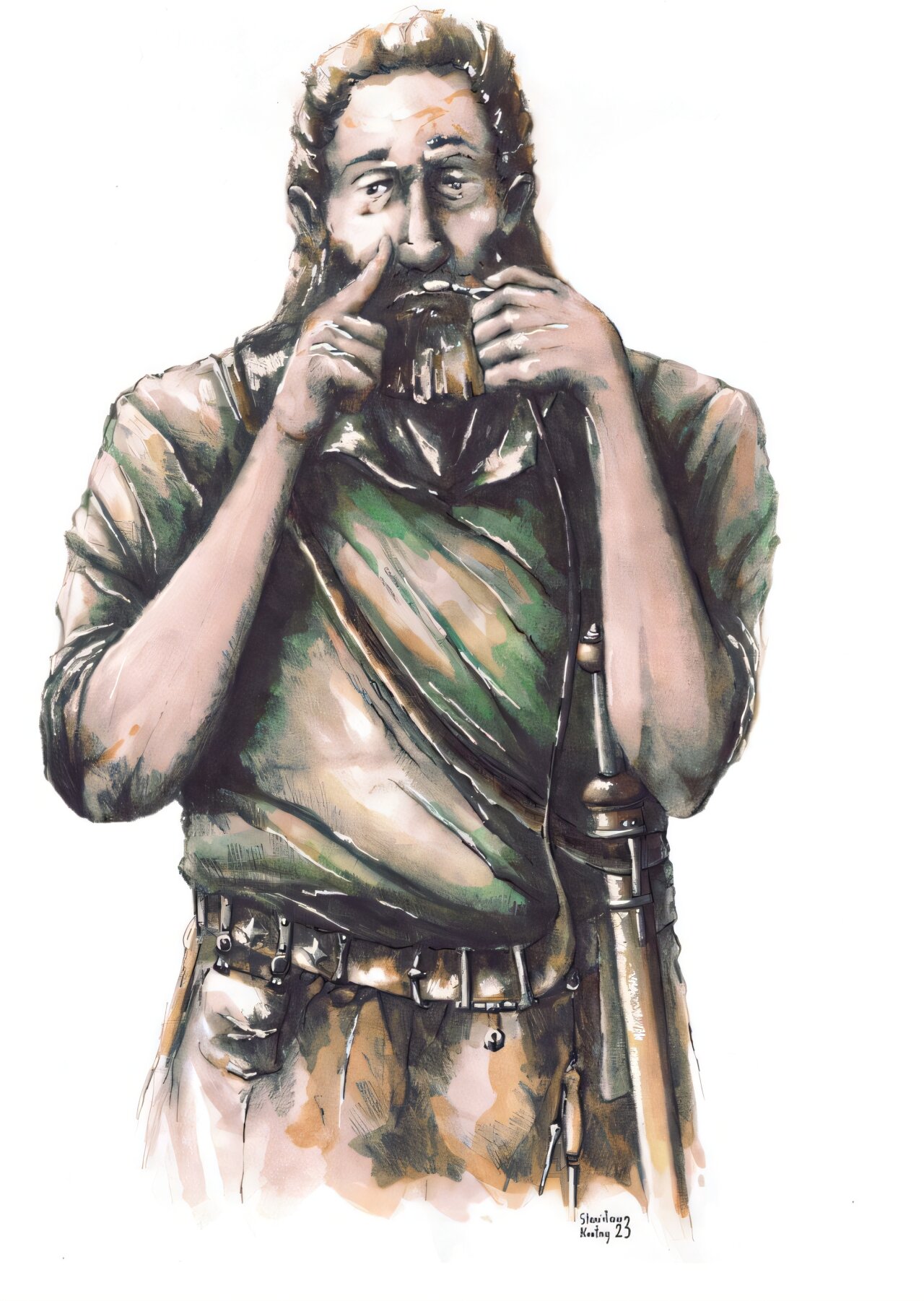
A study by archaeologist Prof. Andrzej Kokowski and colleagues suggests that Germanic warriors during the Roman period used stimulants in battle, as evidenced by small, spoon-shaped objects found at archaeological sites in northern Europe. These objects, likely used to measure doses of substances like poppy, hemp, and various fungi, indicate that stimulants were used to enhance performance and reduce stress in warfare. The research highlights the potential widespread use of such substances for military, medicinal, and ritual purposes among Germanic tribes.
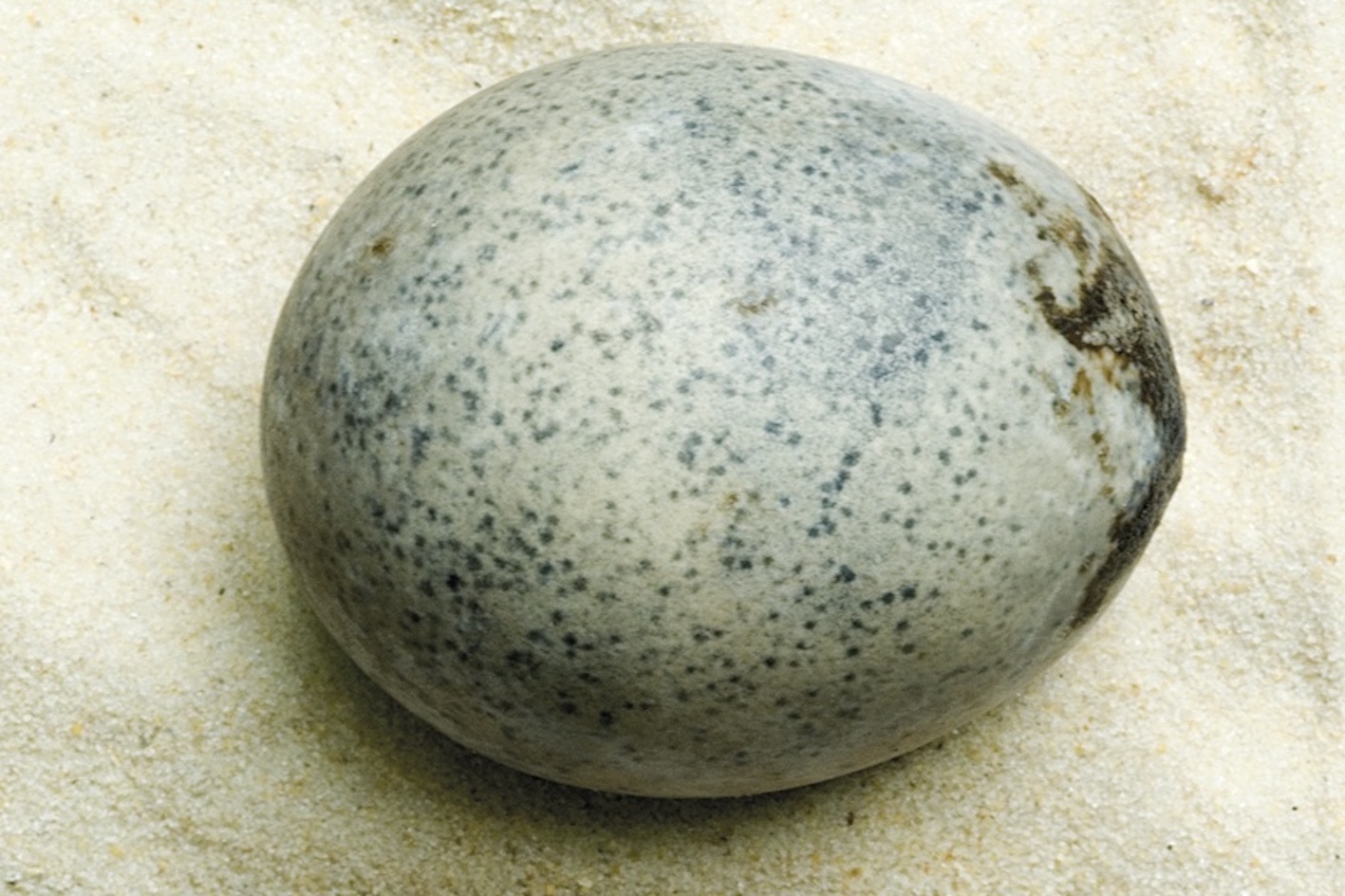
Archaeologists have discovered a rare intact bird's egg from Britain's Roman period at the Berryfields site in Buckinghamshire, England, which still contains liquid after being preserved for over 1,700 years. The egg, likely laid by a chicken, was found in a waterlogged pit along with pottery vessels, coins, and a woven basket. This unique find has tremendous research potential, offering insights into ancient bird species and their environment, as well as shedding light on the use of birds and chickens in the Roman world.
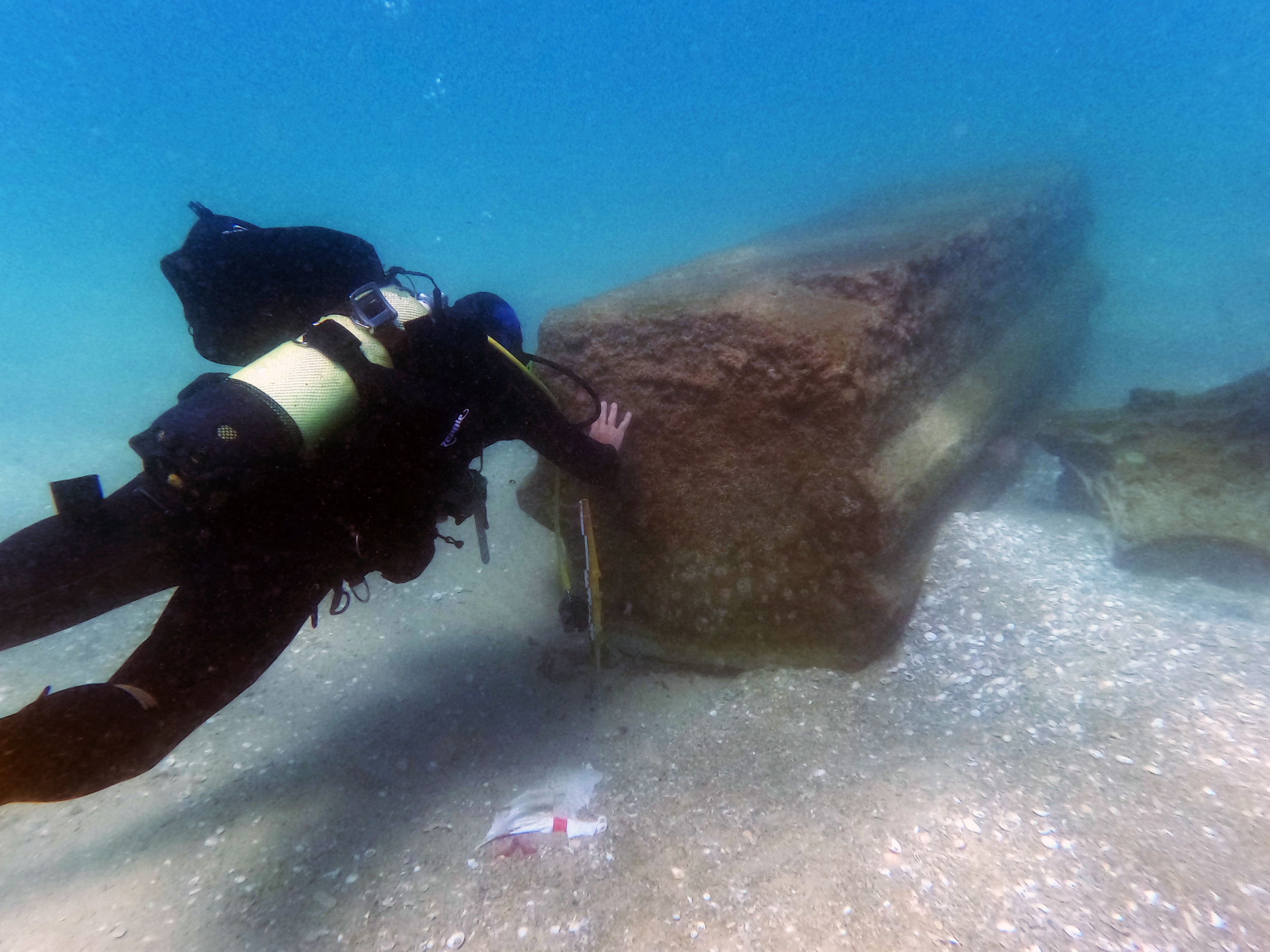
A 1,800-year-old shipwreck carrying approximately 44 tons of Roman-period marble architectural pieces has been discovered in shallow waters off the coast of Israel. The cargo is the oldest of its kind yet discovered in the eastern Mediterranean Sea and may have been intended for a public building. The ship was probably destined for a port along the coast of the southern Levant but ran into trouble en route, likely due to a storm. The discovery sheds light on the use of marble in construction during this period and the IAA plans to conduct further investigations of the site in the coming weeks.