A recent Emerson College Poll indicates that 57% of likely California voters support Proposition 50, which aims to modify congressional maps temporarily, with overall support rising to 60% including undecided voters. The poll also shows favorable views towards key political figures like Barack Obama and Governor Newsom, and highlights the top issues for voters as the economy and housing affordability. Support for Democratic candidate Katie Porter remains steady, while voter opinions on other candidates and issues continue to evolve as the election approaches.
A recent poll shows Katie Porter leading the California governor's race among Democrats, with 21% support, boosted by her visibility and support from white and Asian voters, especially in a crowded field lacking Kamala Harris's influence. Other candidates like Becerra and Villaraigosa follow, while support for Kounalakis and others remains low.
After ending her campaign, Nikki Haley has publicly endorsed Donald Trump for president, despite previously criticizing him. She urged Trump to reach out to her supporters, who may not automatically back him. This move highlights the complex dynamics within the Republican Party as voters decide between Trump and Biden.
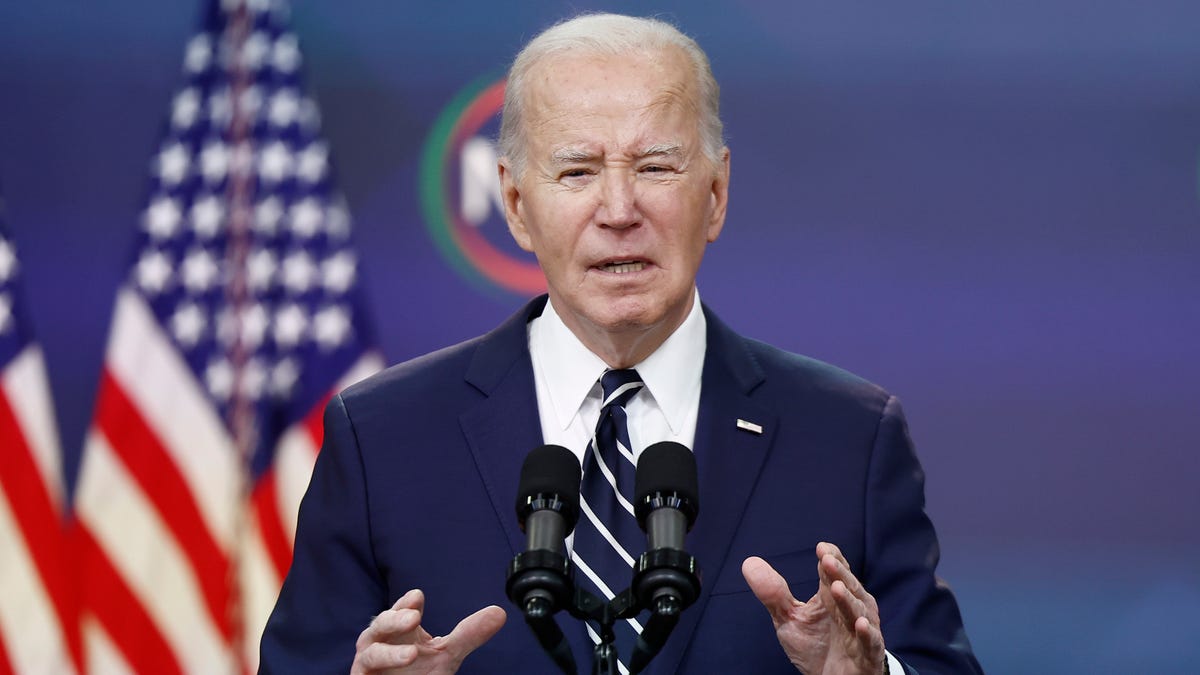
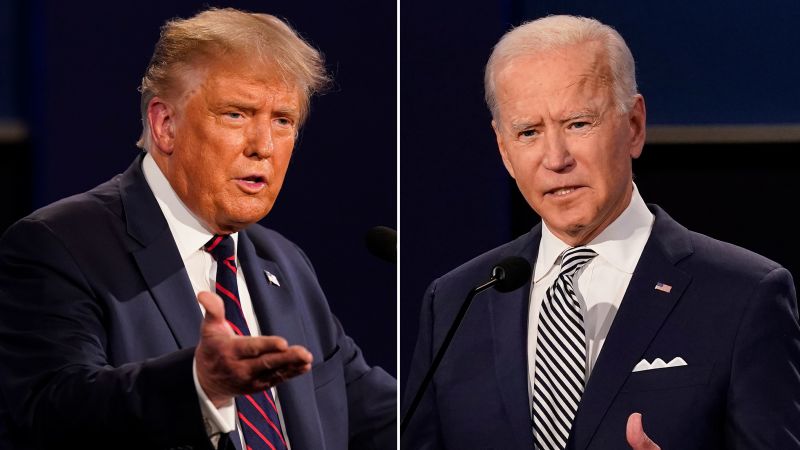
A new poll from the New York Times and Siena College shows President Joe Biden catching up to former President Donald Trump in the 2024 presidential election, with both men at 46% and 45% respectively. Biden is shoring up support among his 2020 supporters, but still faces challenges with Black and Latino voters. Concerns about Biden's age have fallen among older voters, but Trump leads on the economy and immigration issues.
According to a recent CNN poll, former President Donald Trump narrowly leads President Joe Biden, 49% to 45%, in a hypothetical rematch for the 2024 election. Biden's reelection chances are hindered by negative approval ratings, a perception that things are going poorly in the country, diminished support among key voter groups, and doubts about his ability to handle the job. Trump's support has increased among several demographics where Biden previously had strong margins. Both candidates have low favorability ratings, but Trump benefits from negative views of Biden. The poll also indicates that the economy, election integrity, and immigration are important issues for voters heading into the election.
Muslim and Arab American voters in Michigan, who played a crucial role in helping President Joe Biden win the state in 2020, are now questioning their support for him due to his administration's unwavering support for Israel during the recent Israel-Gaza conflict. Many feel hurt and betrayed by Biden's stance and are considering not voting for him in the future. Michigan has a significant Muslim American population, and their rejection of Biden could cost him both the state and reelection. The Biden administration's response to the conflict has been criticized for lacking empathy towards Palestinian suffering. Muslim and Arab Americans point to rising Islamophobia and a lack of red lines for Israel as reasons for their disillusionment.
President Joe Biden is embarking on a two-week blitz of rural America in an effort to regain support in areas where Democrats have experienced significant losses in recent years. While Democrats do not expect to win majorities in rural counties, they hope to narrow the margins of defeat. Biden's path to victory in 2024 relies on performing well in these rural areas, where Republicans have been able to offset Democratic leads in urban and suburban centers. The Democratic Party faces challenges in reaching rural voters through traditional media and rebuilding the party's brand in these areas. Biden and congressional Democrats have invested billions in rural America through legislation and executive action, targeting issues such as climate change, agriculture, infrastructure, and healthcare. However, they face the challenge of effectively communicating these achievements to rural voters. Democratic outside groups are making efforts to reach rural voters through campaigns and investments in key states.
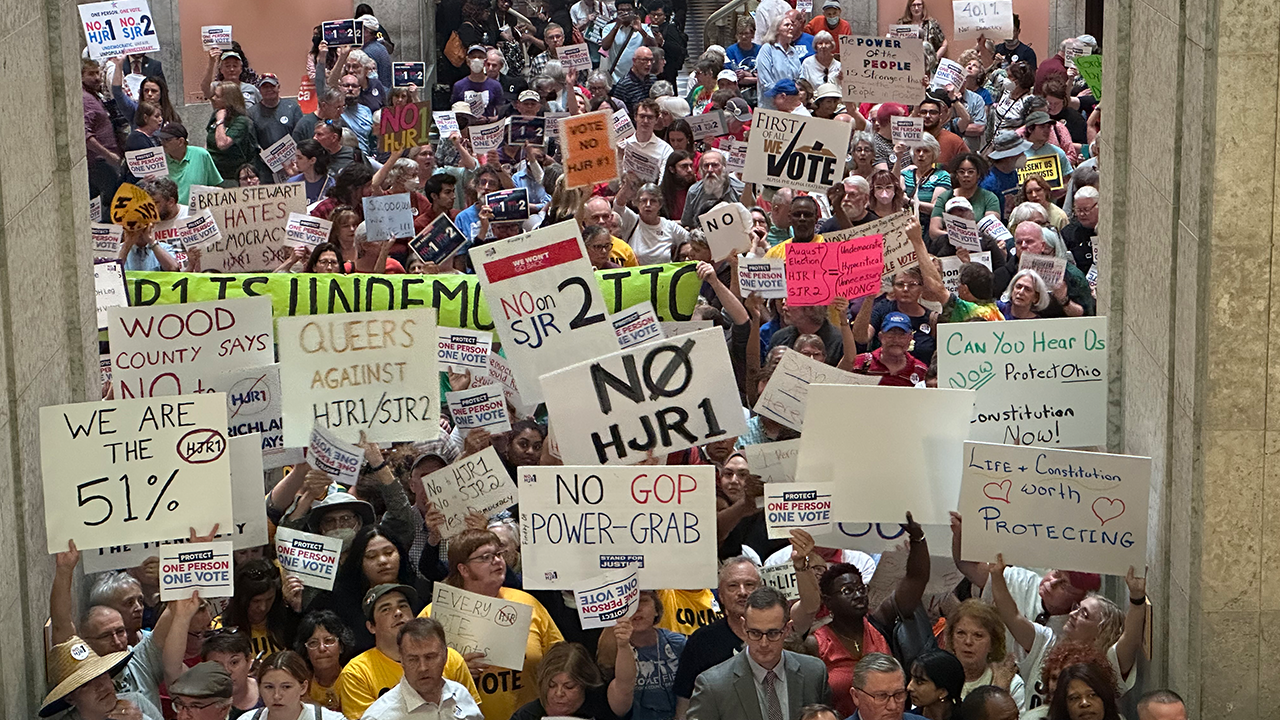
The Ohio House has approved a measure to ask voters in an August election whether to make it harder to amend the state constitution. The measure would require 60% of voter support to enact a constitutional amendment, as opposed to the existing simple majority threshold of 50% plus one vote. The resolution would also require signatures gathered from all 88 counties in Ohio to place an initiative on the ballot. The House’s approval came after protesters chanting “one person, one vote” were ousted from the room.