The article discusses Donald Trump's potential involvement in the 2026 midterm elections, highlighting his influence on Republican primaries, the strategic roles of key campaign figures, and the political landscape in states like Texas and North Carolina, with Democrats aiming to capitalize on Republican vulnerabilities and Trump’s ongoing influence.
The article discusses the challenging landscape for Democrats in the upcoming Senate races, focusing on key questions such as recruiting top candidates, the impact of Republican primaries in Texas, the competitiveness of battleground states like Georgia, Michigan, and New Hampshire, and the overall difficulty in flipping the chamber given the limited pickup opportunities and national headwinds. It highlights the importance of candidate decisions, primary battles, and the influence of recent legislation on the electoral landscape.
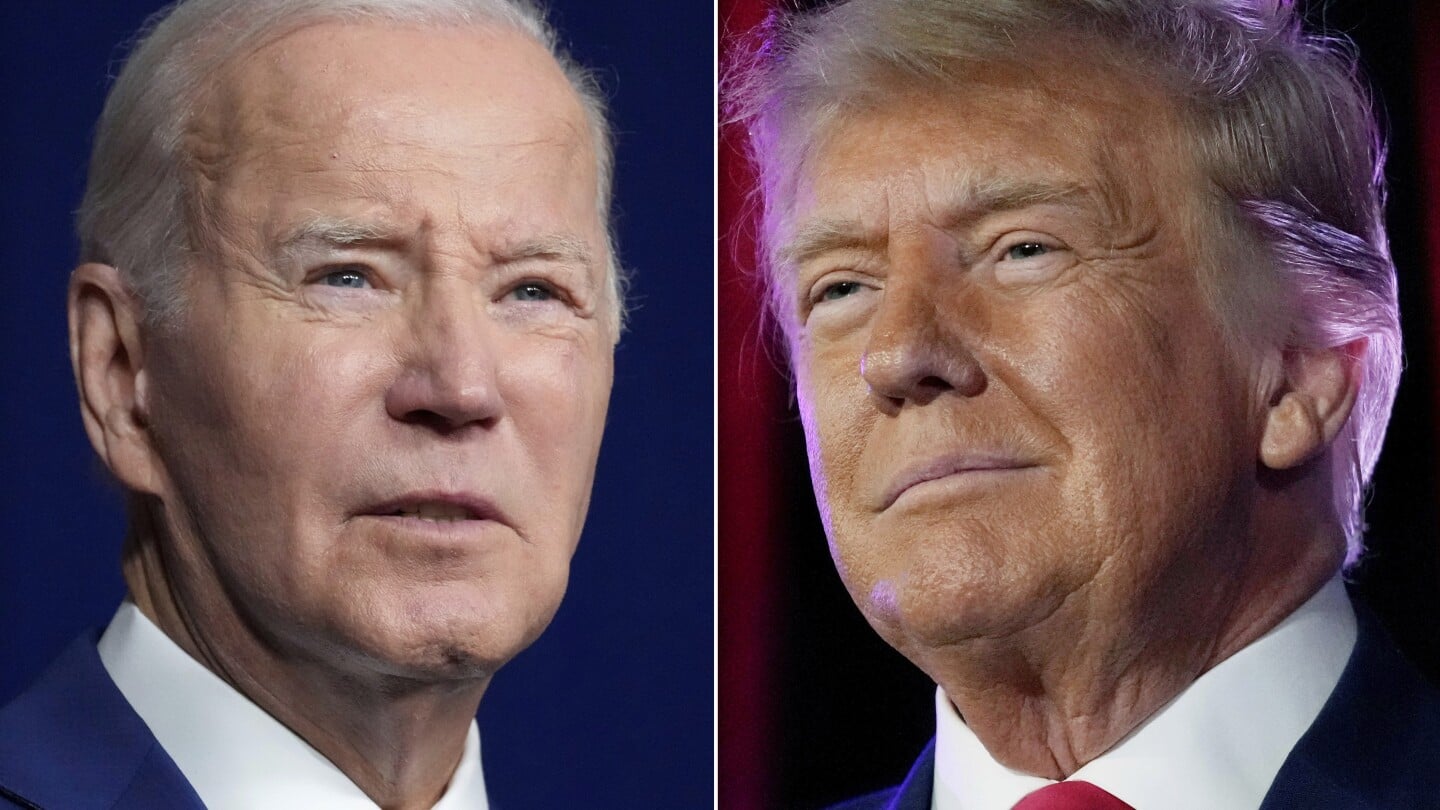
Donald Trump will appear on the ballot in the last Republican presidential primaries of 2024 in Montana, New Jersey, and New Mexico, marking his first ballot appearance since his felony conviction. Both Trump and Joe Biden are expected to win their respective primaries, but the results may indicate voter concerns about their candidacies. Additionally, key primary races for federal and local offices are taking place, including a competitive Republican Senate race in Montana and a Democratic primary to replace scandal-plagued Sen. Bob Menendez in New Jersey.
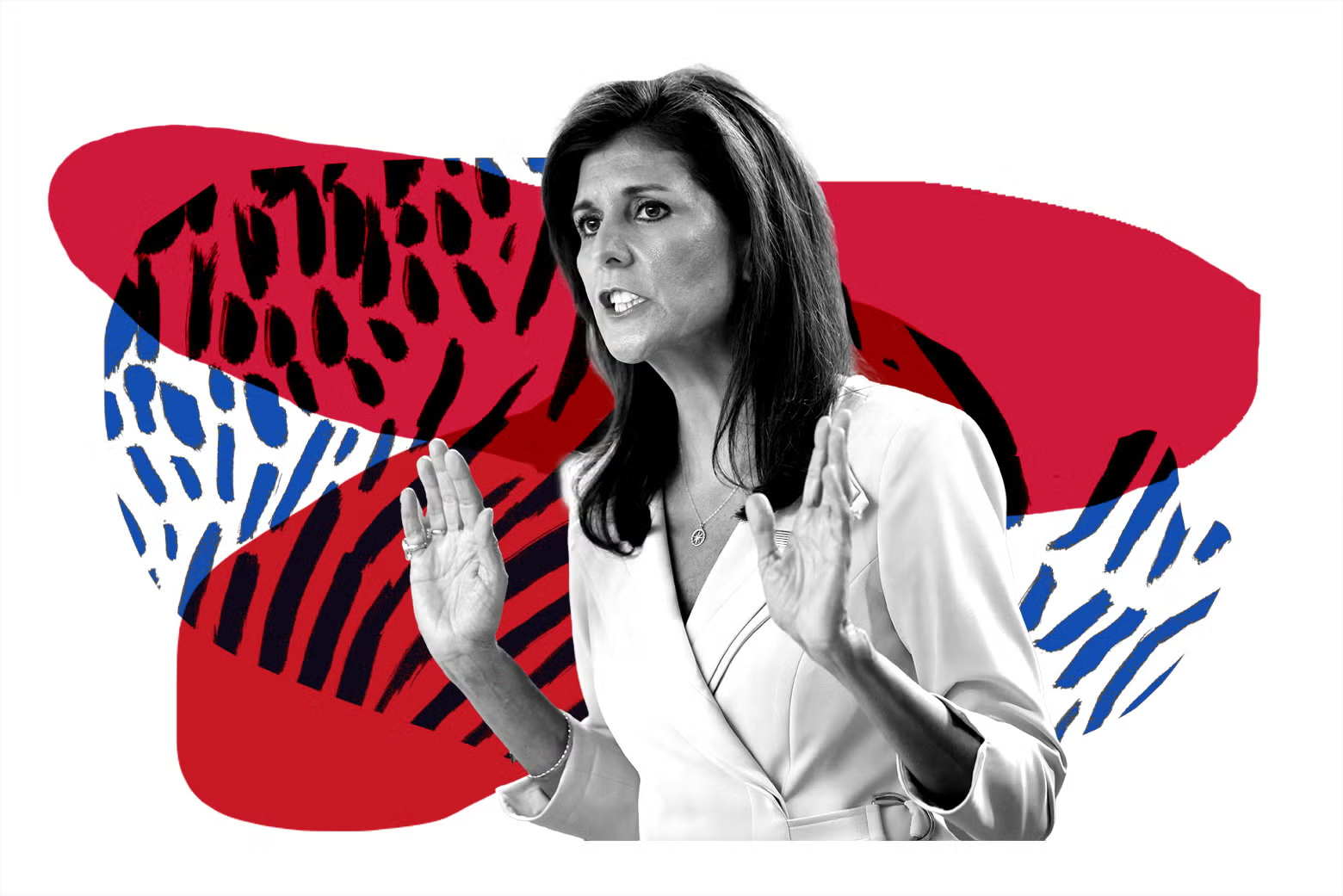
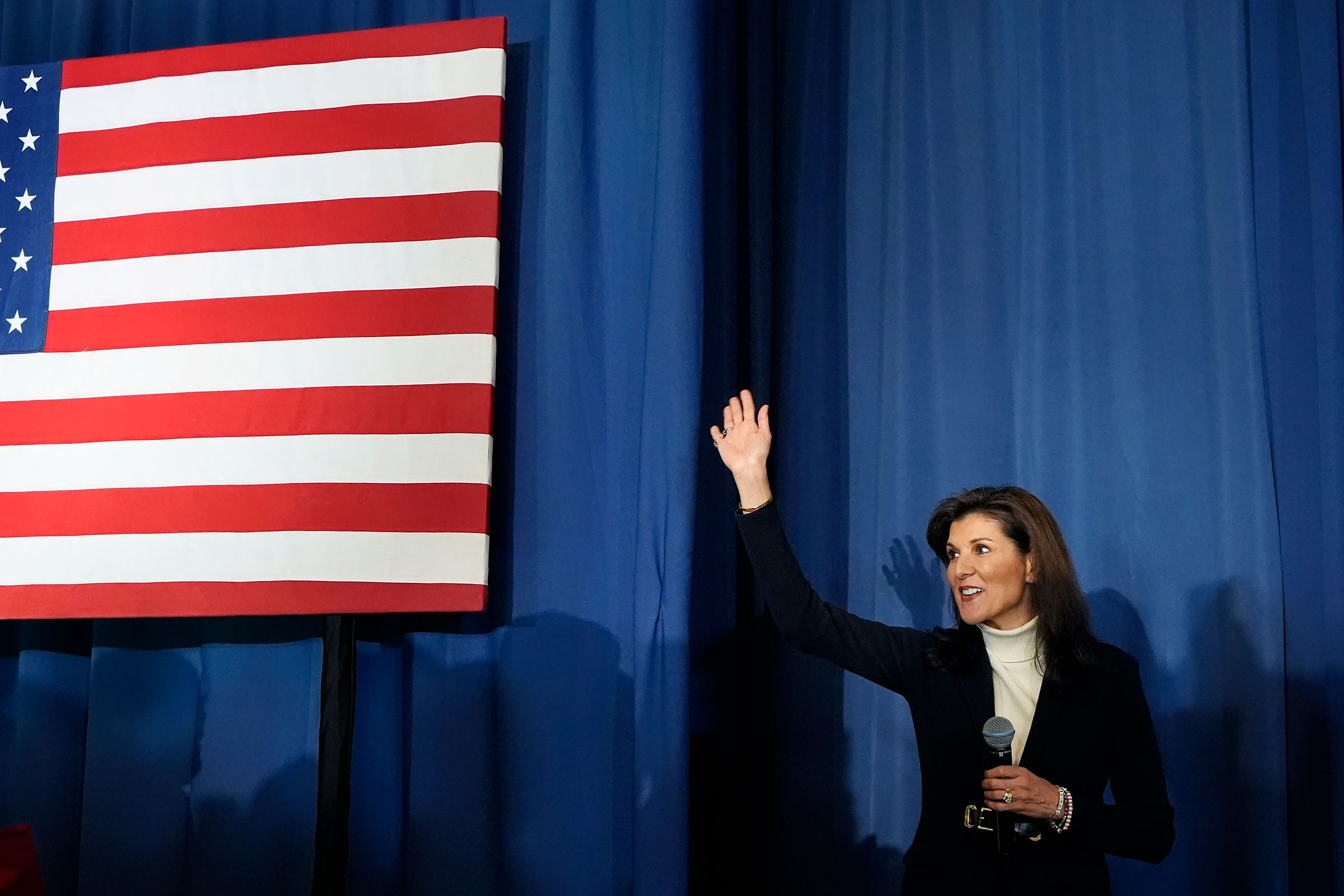
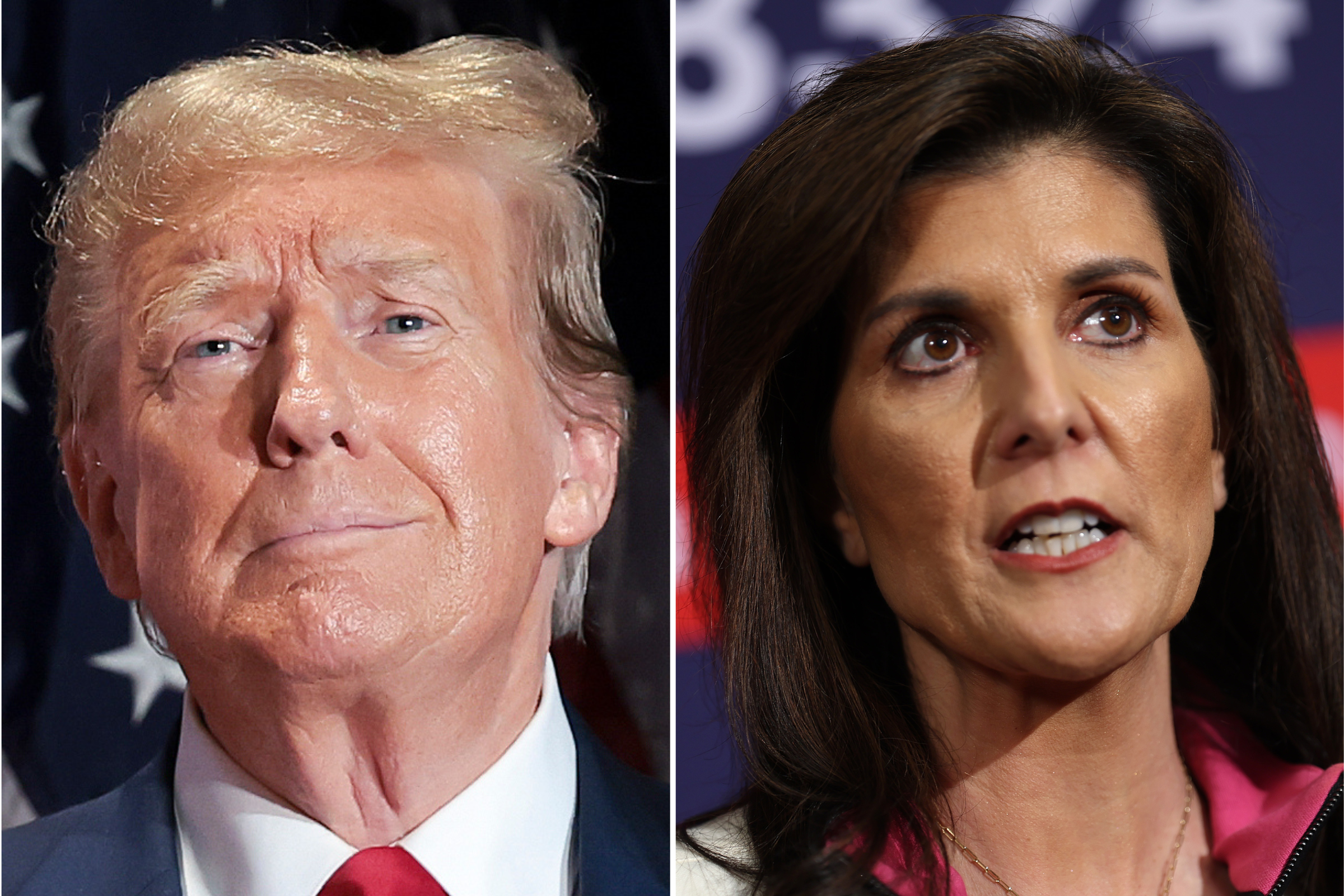
After ending her campaign, Nikki Haley has publicly endorsed Donald Trump for president, despite previously criticizing him. She urged Trump to reach out to her supporters, who may not automatically back him. This move highlights the complex dynamics within the Republican Party as voters decide between Trump and Biden.
Former President Donald Trump won Republican presidential primaries in Arizona, Florida, Illinois, Kansas, and Ohio, solidifying his position as the presumptive GOP nominee for the 2024 presidential election. This sets the stage for a rematch with President Joe Biden, who secured the Democratic nomination. The general election campaign has begun earlier than in previous years, marking the first presidential rematch since 1956.
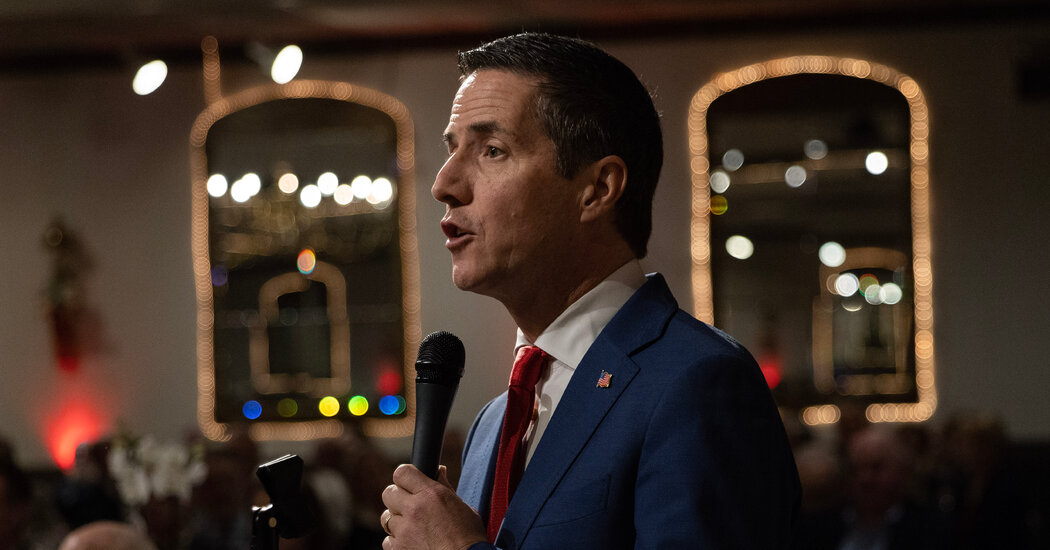
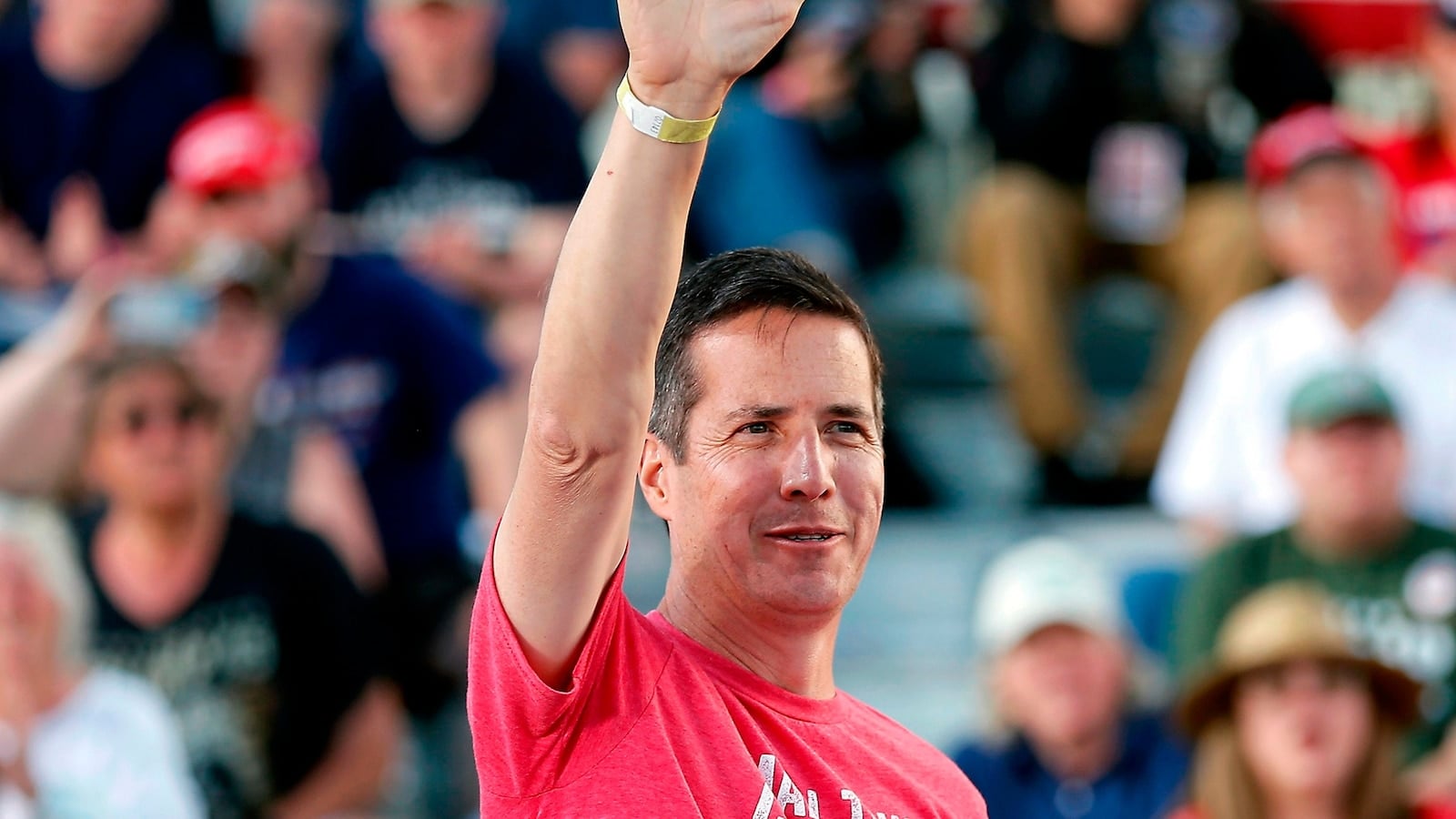
In the Ohio Senate primary race, a Democratic group is spending $2.7 million on an ad promoting conservative candidate Bernie Moreno, backed by former President Donald Trump, in an effort to boost his appeal to conservative voters and potentially make him an easier opponent for the incumbent Democratic senator in the general election. This tactic reflects Democrats' ongoing strategy of meddling in Republican primaries, but it has become more complex given President Biden's focus on defending democracy from Trump-aligned Republicans like Moreno, who has embraced Trump's falsehoods about the 2020 election. The risk is that this meddling could undermine Biden's message and erode trust in elections, while also potentially leading to a Moreno victory in November.
Republican primary voters in Ohio will nominate a Senate candidate, while Illinois and California also have key primary elections. In Ohio, the Senate race is a major focus, with Secretary of State Frank LaRose, state Sen. Matt Dolan, and pro-Trump businessman Bernie Moreno leading the GOP primary. In Illinois, Democratic Rep. Danny Davis faces a tough primary challenge, while in California's 20th District, a special election will determine the candidate to serve out the remainder of former Speaker Kevin McCarthy's term.
Speaker of the House Mike Johnson is urging Republicans to refrain from challenging sitting GOP lawmakers in contentious primaries in order to minimize party divisions. Johnson emphasized the unproductivity and divisiveness of member-on-member action in primaries, as the GOP faces legislative challenges and aims to secure re-election. He is determined to maintain leadership within the House GOP, focusing on laying important groundwork for future work.
Speaker of the House Mike Johnson is urging Republicans to refrain from challenging sitting GOP lawmakers in contentious primaries in order to unify the party and avoid further divisions. Johnson emphasized the unproductivity and divisiveness of member-on-member action in primaries, as the GOP faces legislative challenges and seeks to make a case for re-electing a GOP House majority. He aims to stay at the helm of the House GOP next year, focusing on laying important groundwork for future work.
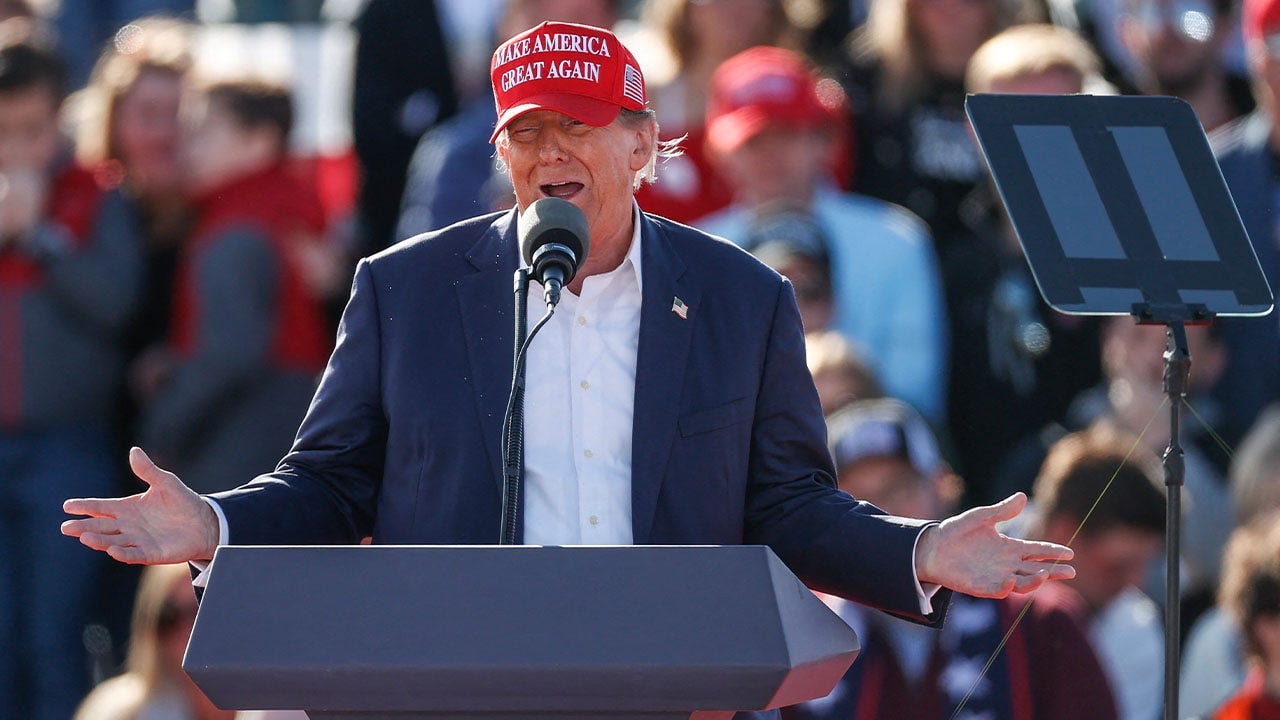
Former President Donald Trump may secure the Republican presidential nomination after the Republican primaries in Georgia, Washington, Mississippi, and Hawaii, with 161 GOP delegates at stake. Trump, with over 1,075 delegates, is close to the 1,215 needed to secure the nomination, potentially becoming the first Republican to do so three times. Despite facing 91 felony charges in four criminal cases, including trials in New York, Georgia, Washington, D.C., and Florida, Trump remains the dominant figure in the Republican field after his major rival, Nikki Haley, dropped her White House bid.
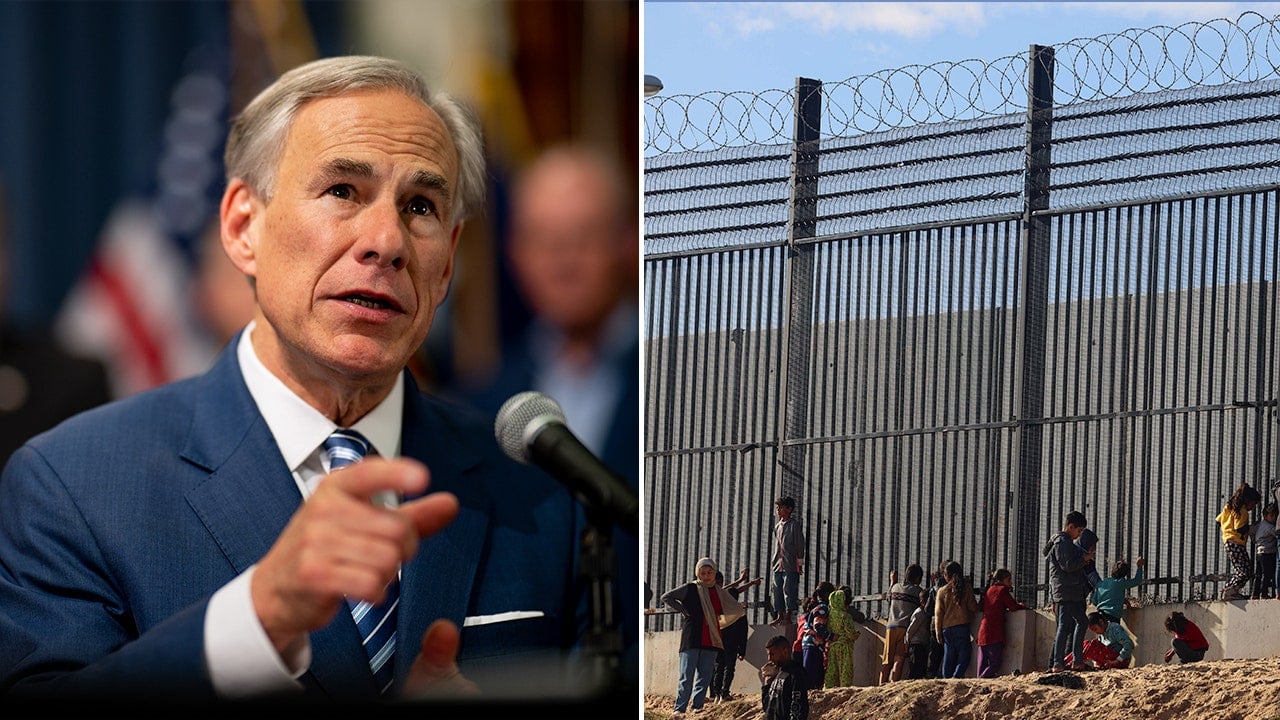
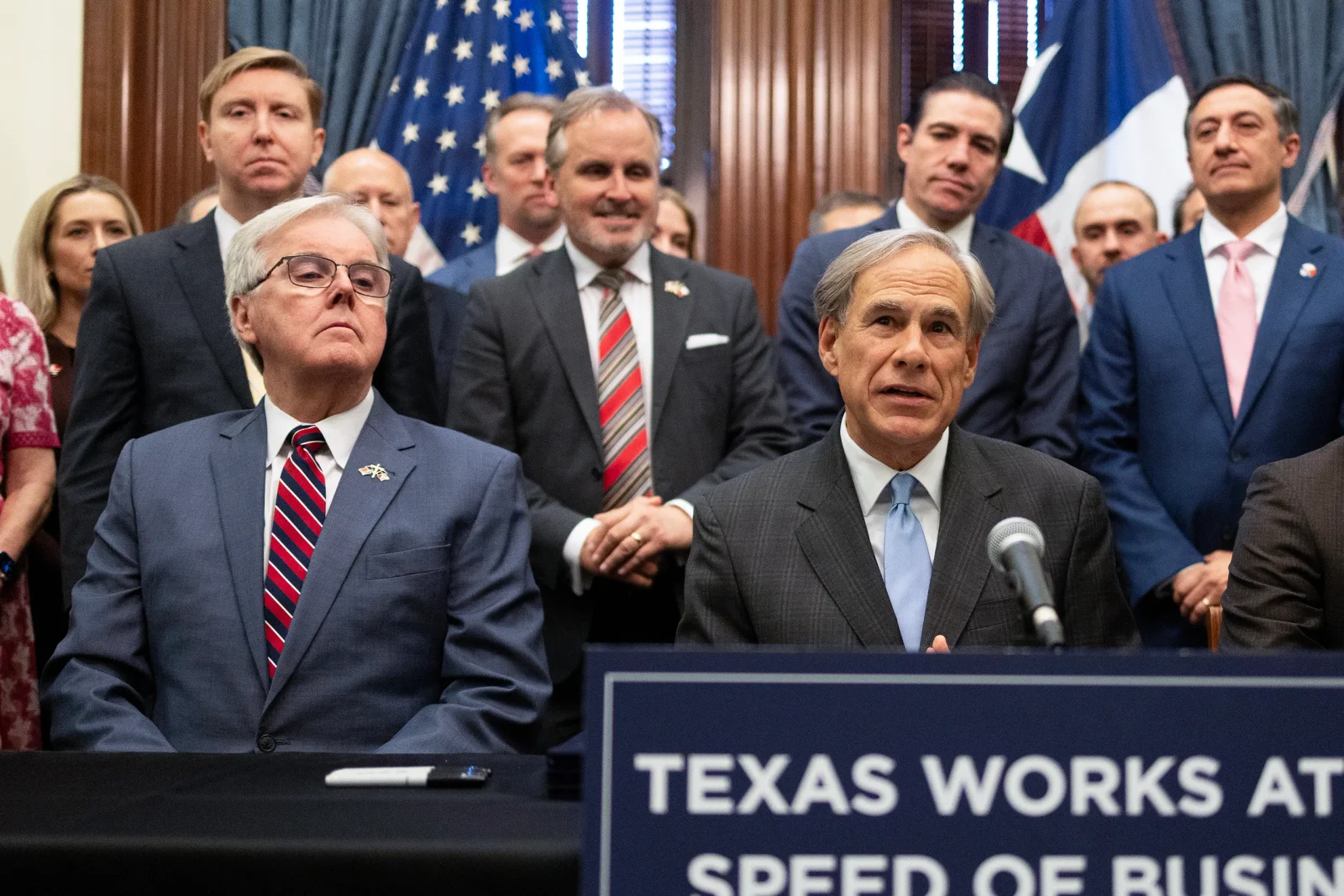
Several conservative challengers in Texas, backed by Governor Greg Abbott, defeated Republican incumbents in the state House GOP primaries, with a focus on border security as a key issue. The challengers emphasized the need for action on the border crisis and criticized the incumbents for not addressing the issue effectively. Governor Abbott's support for these challengers was seen as a response to GOP incumbents who voted against his school voucher plan.
On Super Tuesday, Biden and Trump dominate the primaries, with Trump winning in at least 11 states and Biden securing victories in several Democratic primaries. Nikki Haley is projected to win the Vermont GOP primary, while competitive House races outside California are shaping the balance of power in Washington. Trump celebrates his victories and criticizes Biden, while Biden warns of the consequences of a second Trump term. Haley is receiving feedback about endorsing Trump, and Trump criticizes her campaign's progress.
Donald Trump nearly swept the Republican primaries on Super Tuesday, winning in 14 out of 15 states, with Nikki Haley securing her first primary win in Washington, D.C. Trump received overwhelming support in most states, with some polls indicating he could receive around 75 percent of the votes. Despite Haley's trailing in the polls, she still received potentially significant support. Trump has won 273 delegates compared to Haley's 43, with a GOP candidate needing 1,215 to win the party's nomination for the November presidential election.
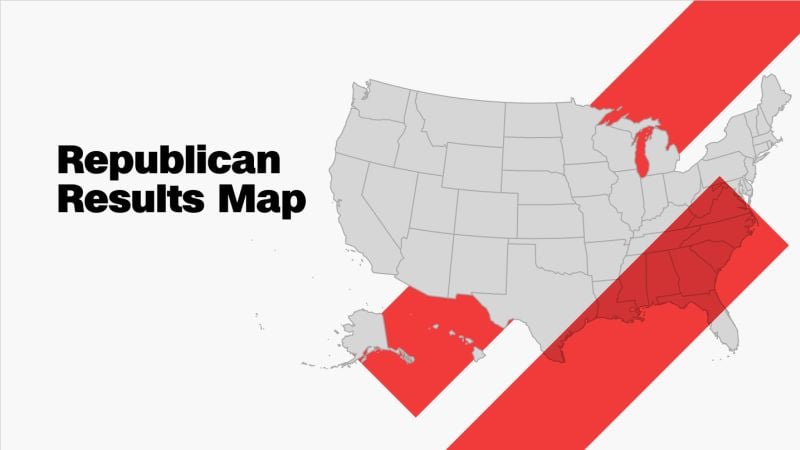
On Super Tuesday, 16 states and one territory are voting in the Republican presidential primary, with more than one-third of the total delegates at stake. The GOP candidates include Donald Trump, Nikki Haley, Ron DeSantis, and Vivek Ramaswamy. Voters can explore state- and county-level election results on CNN's map.
Super Tuesday is underway with voters in 15 states and one territory casting their ballots in the primaries. Former President Donald Trump and former South Carolina Gov. Nikki Haley are facing off in Republican races across the country, while President Joe Biden is fending off his Democratic challengers. Alabama voters received wrong information ahead of the election, and Facebook experienced outages on Super Tuesday morning. Additionally, North Carolina's gubernatorial race is closely watched, and the primaries will set the stage for the 2024 battleground.