Despite the catastrophic Toba supereruption 74,000 years ago, humans survived and even thrived, as archaeological evidence shows adaptive behaviors and technological innovations post-eruption, challenging earlier theories that it caused a severe population bottleneck.
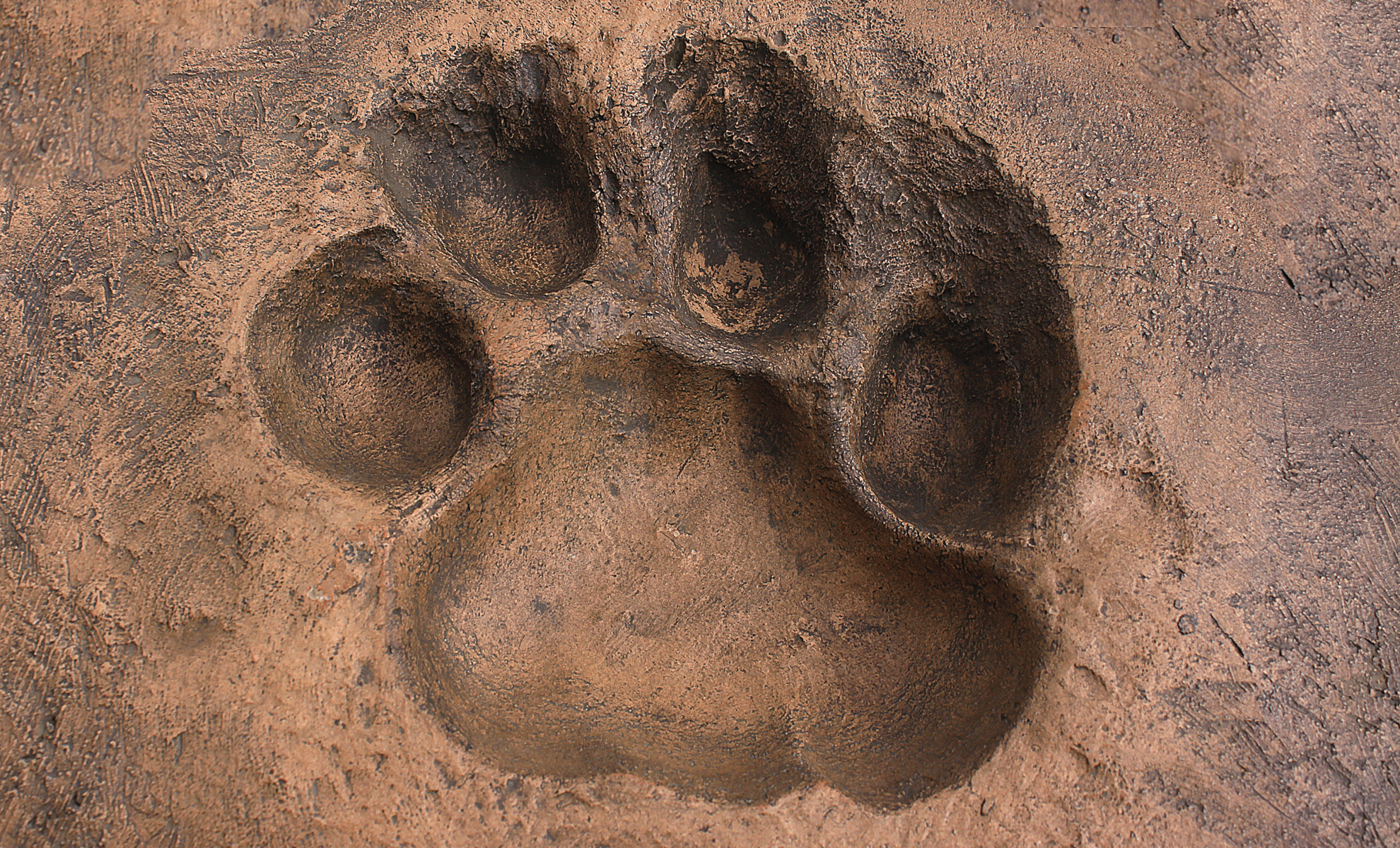
Scientists discovered 29-million-year-old fossilized footprints of a cat-like predator in Oregon's volcanic ash, providing rare behavioral insights into ancient life and demonstrating how volcanic eruptions can preserve delicate traces of prehistoric animals, with modern digital techniques enhancing study and preservation.
The article discusses the 74,000-year-old Toba supereruption in Indonesia, its global impact, and how archaeological evidence shows that humans survived and adapted to the catastrophic event, challenging earlier theories that it caused a severe population bottleneck.
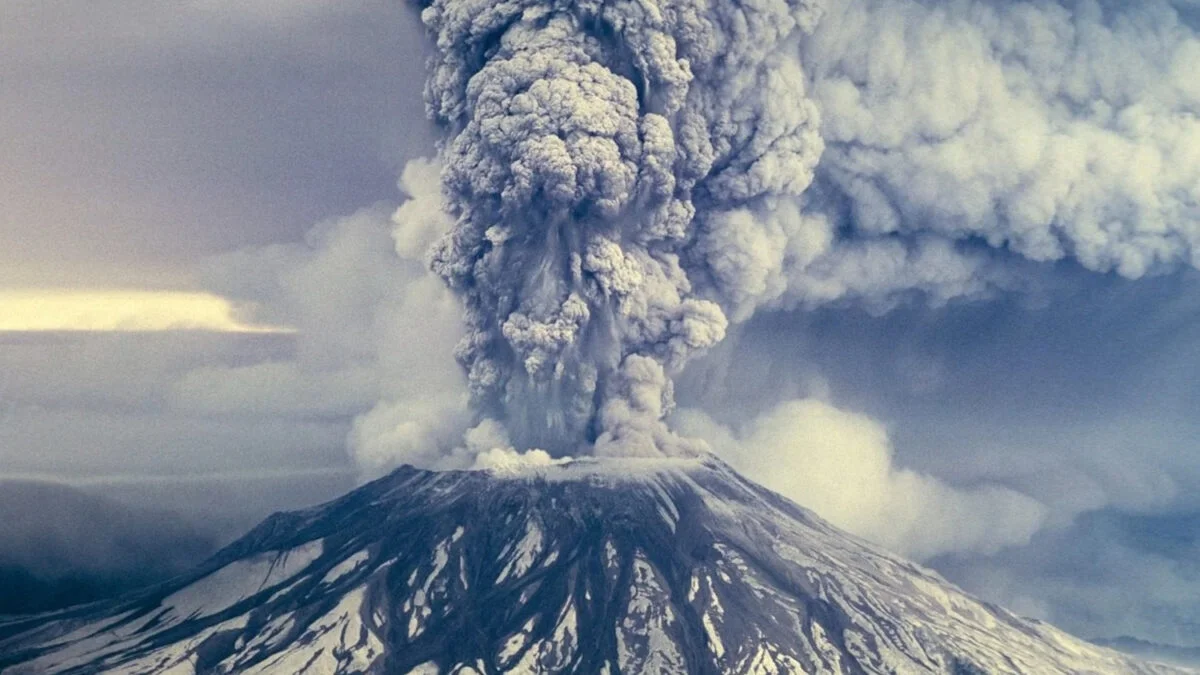
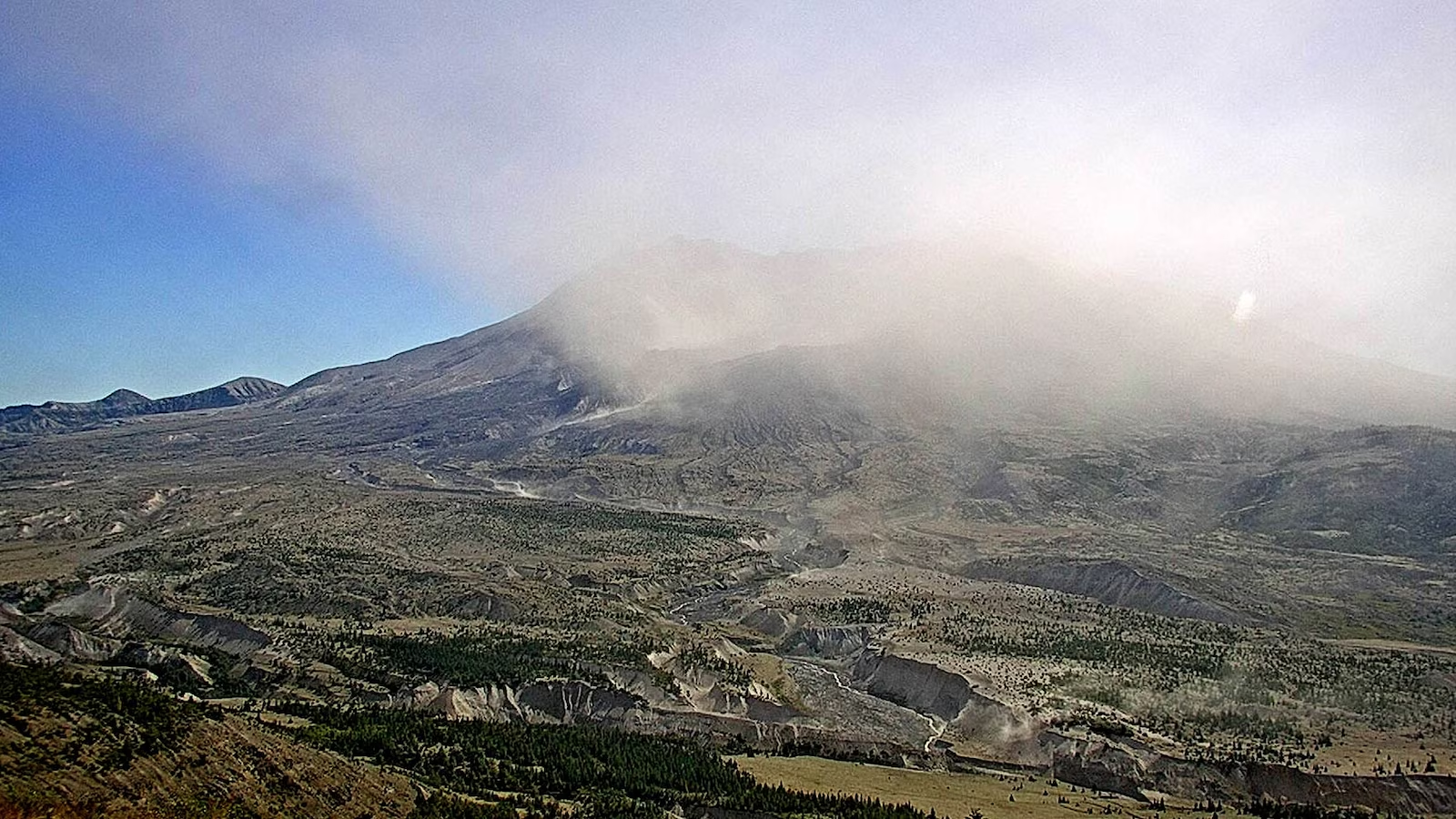
Strong winds in Washington have stirred up ash from the 1980 Mount St. Helens eruption, causing hazy conditions and potential hazards for aircraft and health, though the volcano remains at a normal alert level and no recent eruption has occurred.
Despite the massive Toba supereruption 74,000 years ago, evidence from archaeological sites shows that humans not only survived but also adapted and thrived afterward, challenging the idea that the eruption caused a severe population bottleneck. The study of volcanic ash layers and archaeological remains reveals human resilience and behavioral flexibility in the face of catastrophic events, offering insights into our capacity to adapt to future disasters.
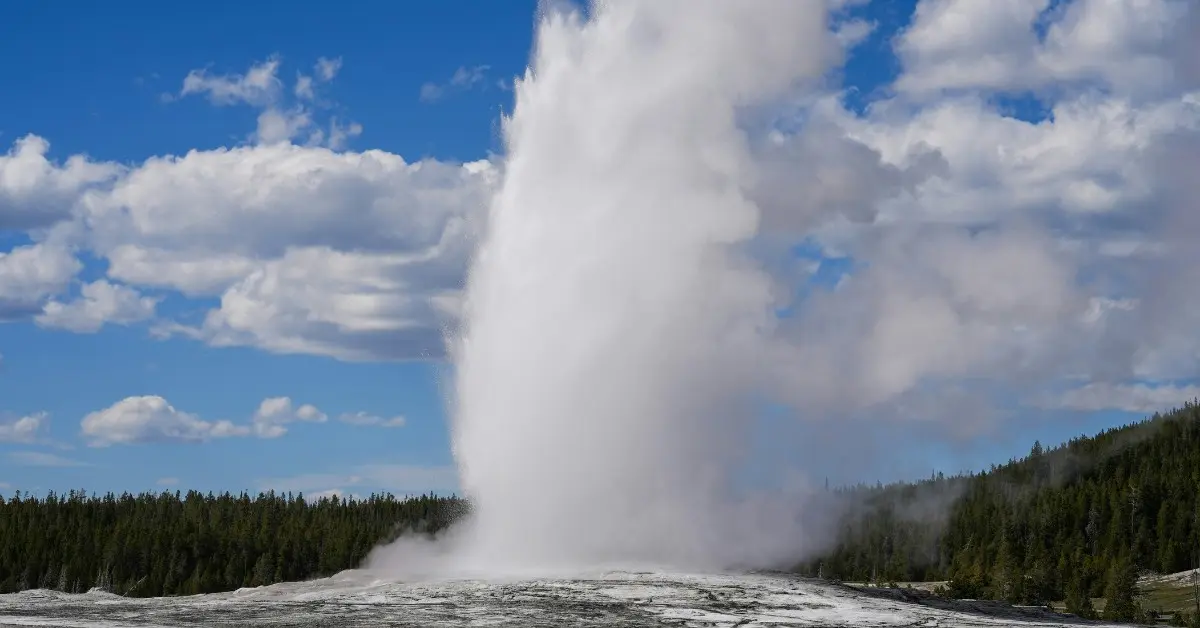
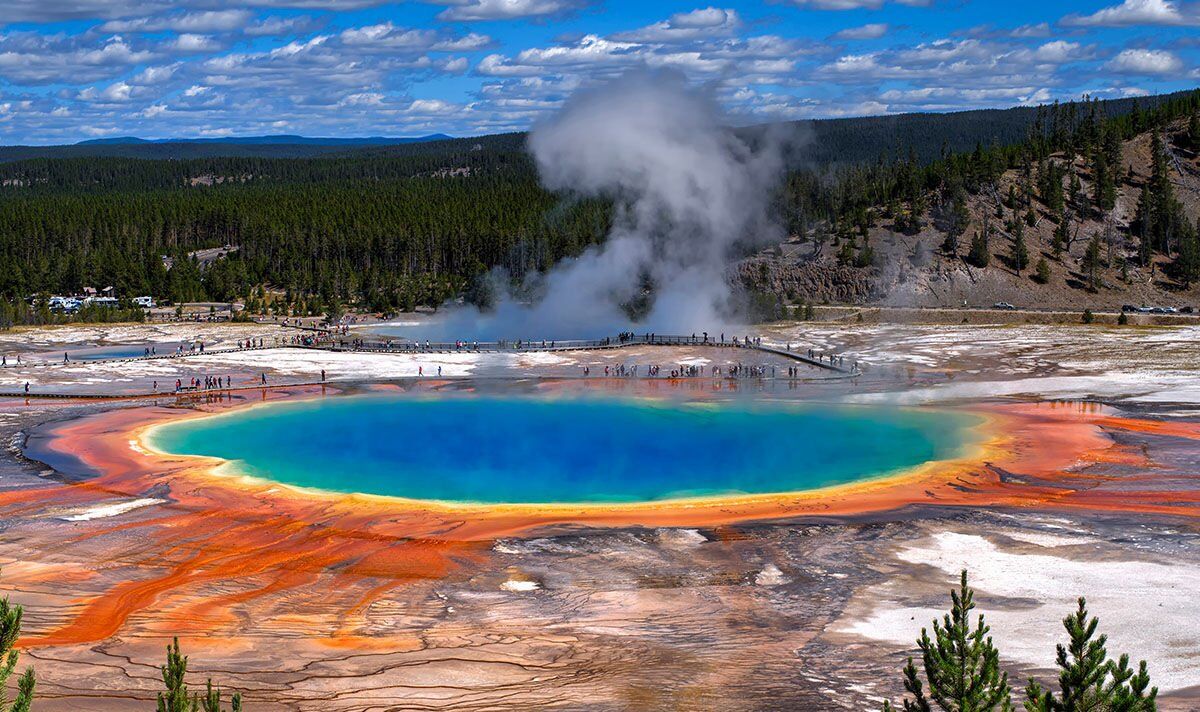
If Yellowstone's supervolcano were to erupt, it could cause devastating local destruction from pyroclastic flows and ash fall, and lead to global climate cooling with temperatures dropping up to 12 degrees for several years, potentially causing widespread famine. However, scientists believe such an eruption is unlikely in the near future, as the volcano is dormant and the magma chambers are cooling.
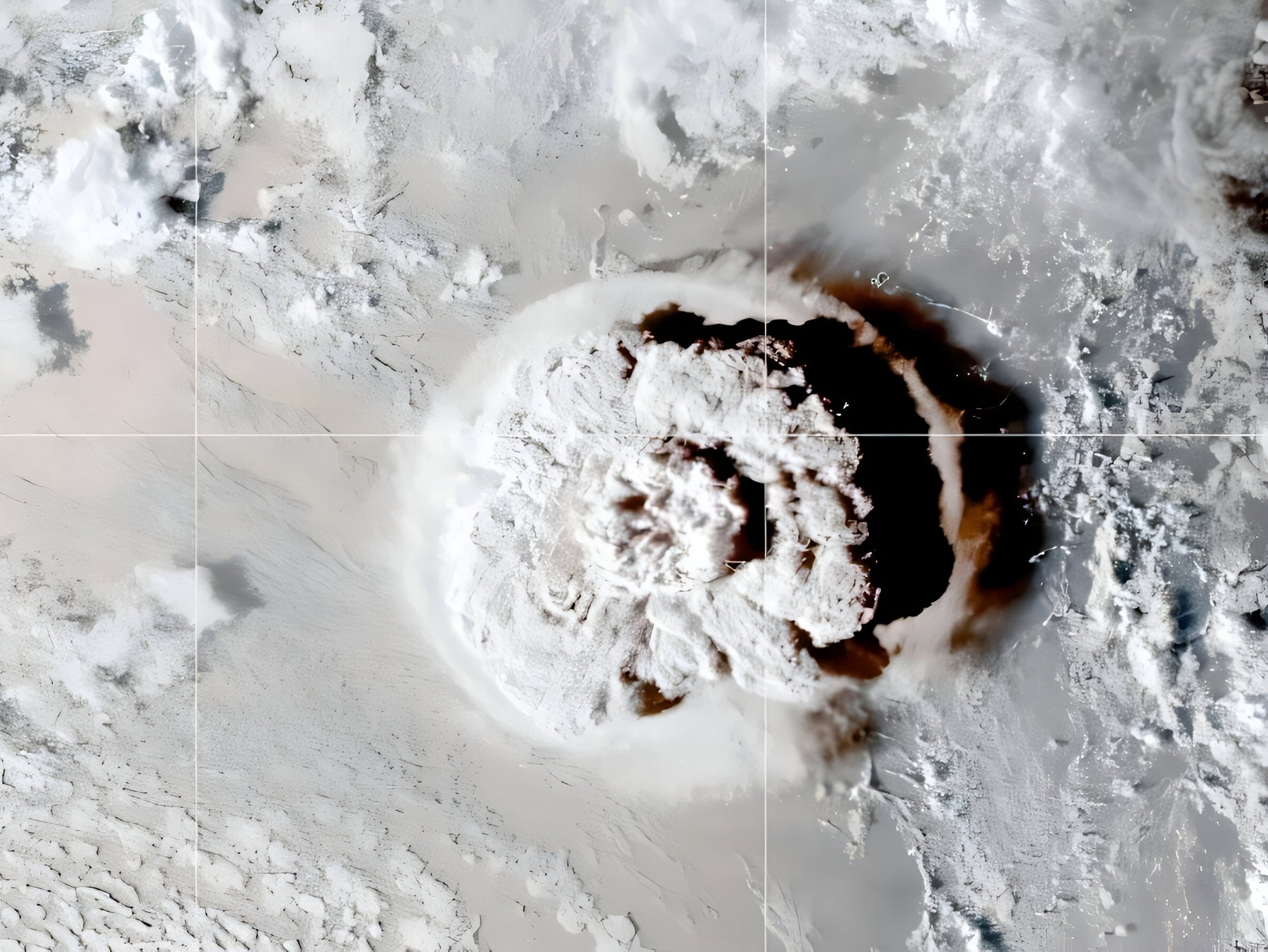
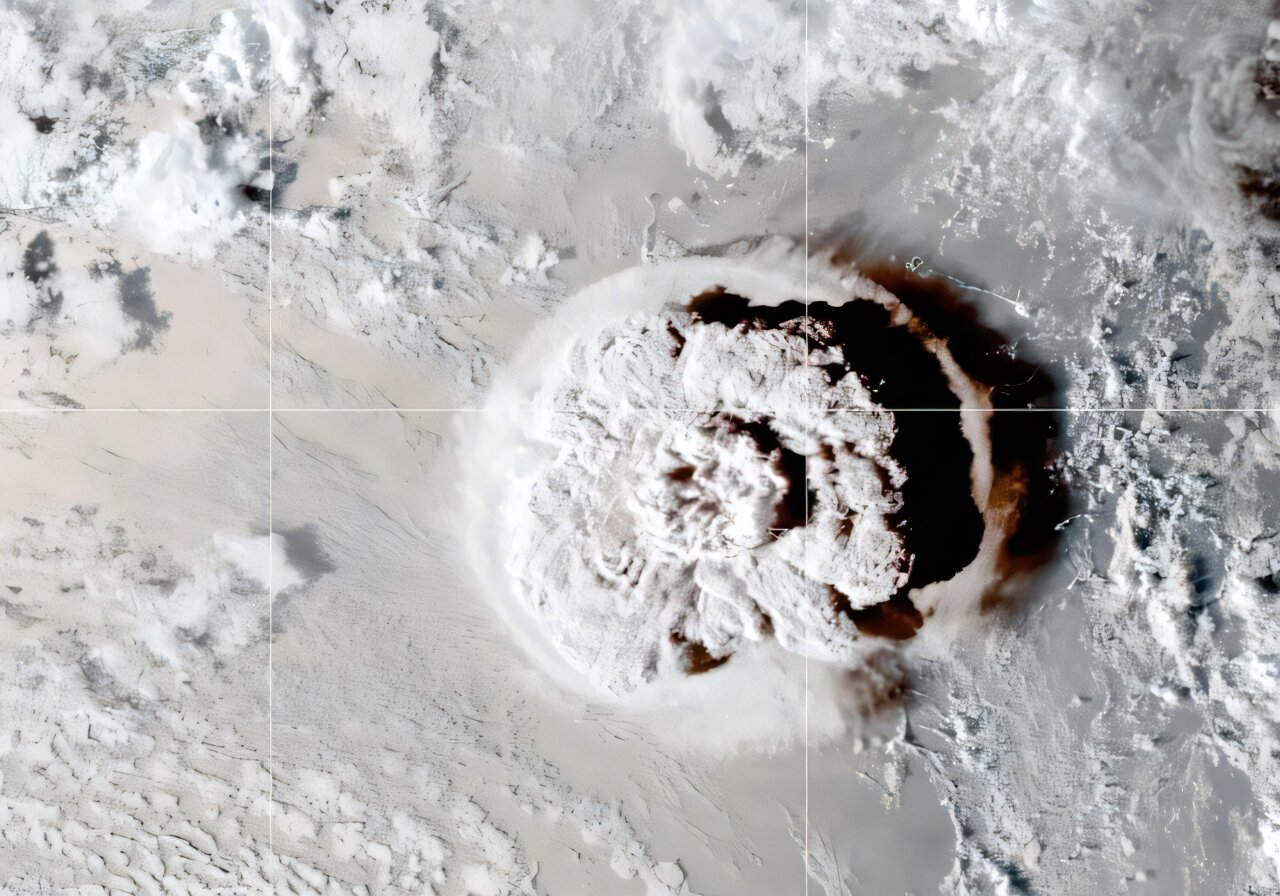
The 2022 eruption of the Hunga volcano caused significant ash deposition on the seafloor, damaging deep-sea ecosystems and affecting Tonga's coral reefs and local livelihoods. The study highlights the environmental impact of underwater volcanic activity and raises concerns about future deep-sea mining, which could cause similar or greater ecological harm.
The 2022 eruption of the underwater Hunga volcano released a massive ash plume that settled on the seafloor, suffocating deep-sea organisms and impacting marine ecosystems, with potential implications for future deep-sea mining and ocean health.
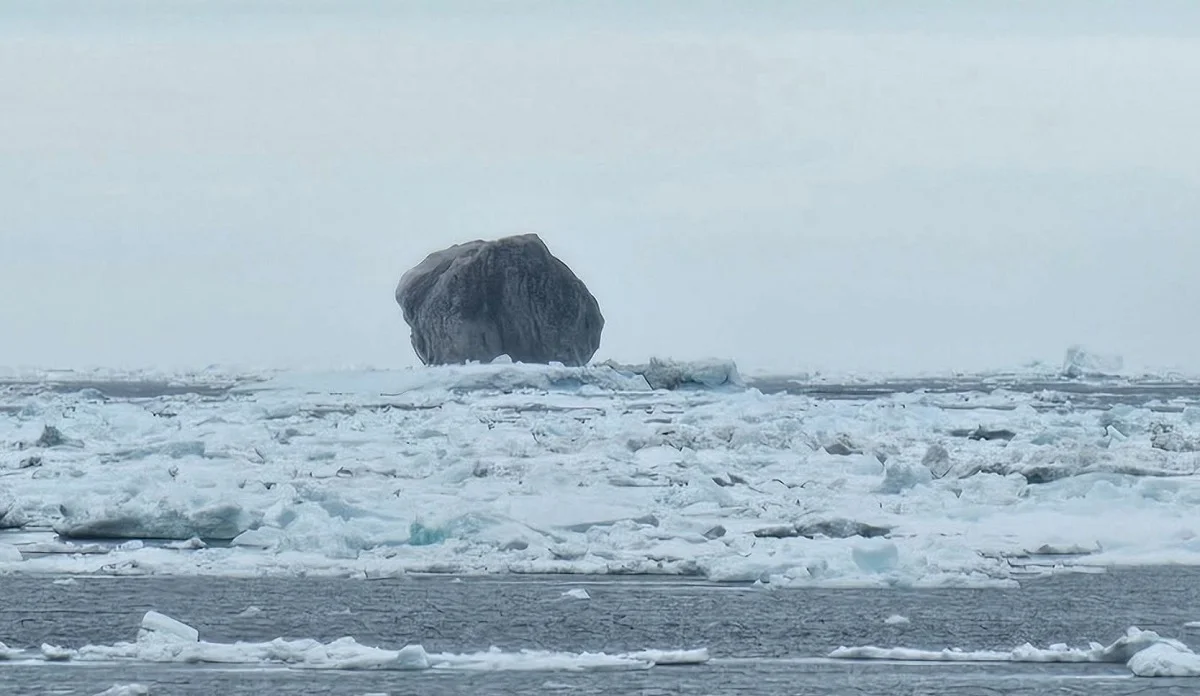
A sailor off Labrador, Canada, spotted a rare black iceberg possibly up to 100,000 years old, with its dark coloration potentially caused by volcanic ash or meteorite debris, highlighting the melting of ancient ice and its secrets from the past.
A fisherman off Newfoundland captured a rare, large black iceberg with dark veins and a diamond shape, sparking curiosity and speculation about its origin, possibly from volcanic ash or soil trapped during formation, and highlighting the mysterious nature of polar ice formations.
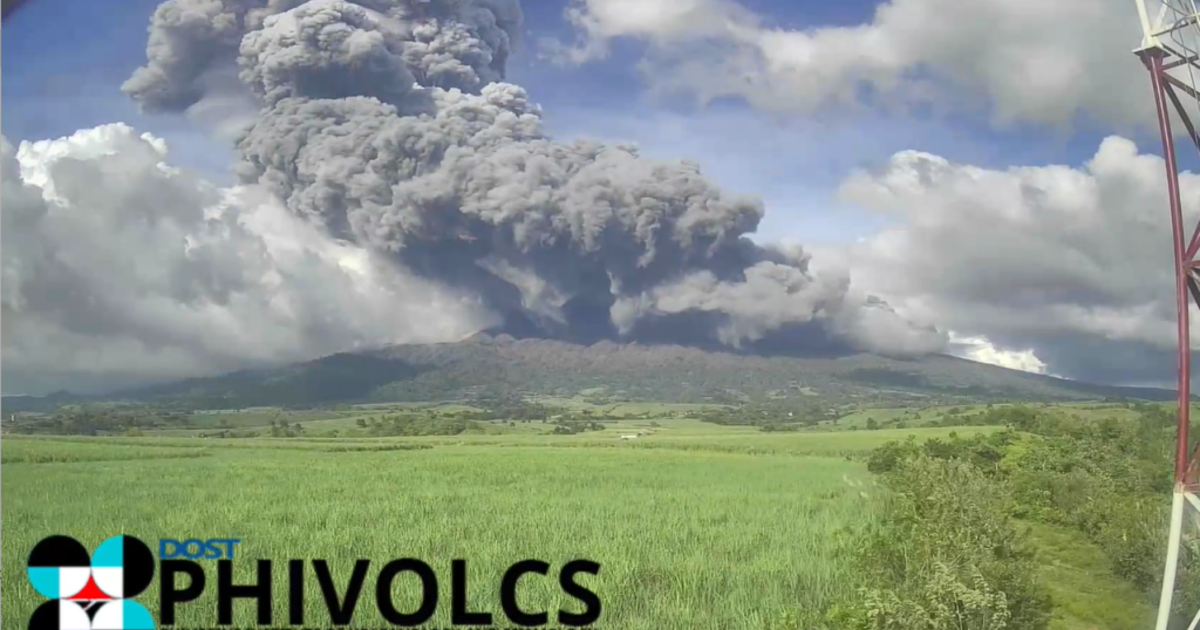
The Kanlaon volcano in the central Philippines erupted, sending a 2.5-mile ash column into the sky and prompting the evacuation of approximately 87,000 residents from nearby villages. Authorities warned of potential further eruptions and the dangers of pyroclastic flows and ash inhalation. Despite the eruption, flights at the nearby Bacolod-Silay airport remained unaffected, though airlines were cautioned about flying near the volcano. The Philippine Institute of Volcanology and Seismology continues to monitor the situation closely.
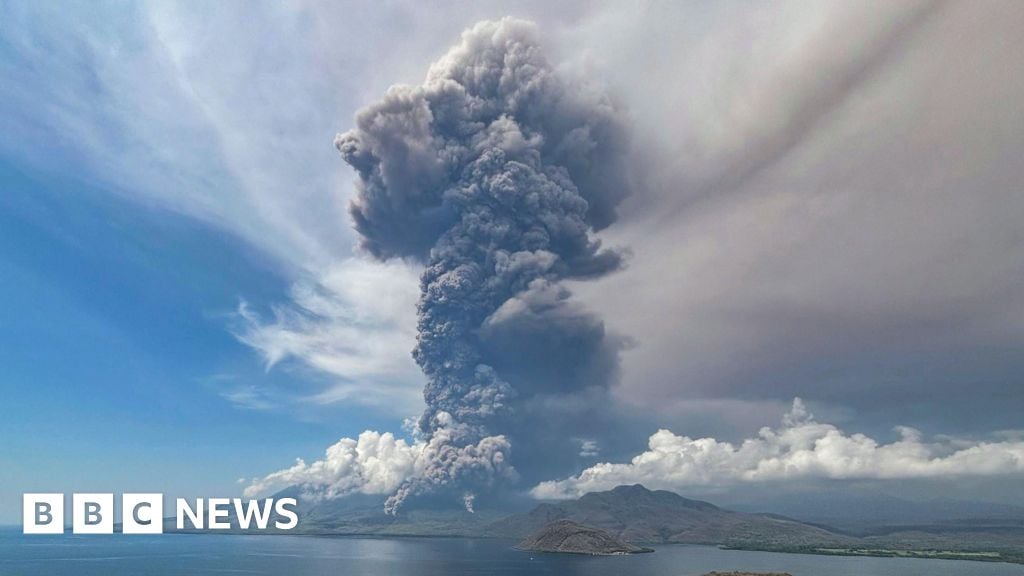
Flights to and from Bali have been cancelled by several airlines, including Qantas, Jetstar, and Virgin Australia, due to dangerous ash clouds from Mount Lewotobi Laki-laki. The volcano recently erupted, sending a 9km ash column into the sky, prompting safety concerns. The ash may also affect parts of northern Australia. Other airlines like Cathay Pacific, IndiGo, and AirAsia have also cancelled flights, while some flights continue. The volcanic activity has also led to the postponement of a jazz festival in Indonesia.
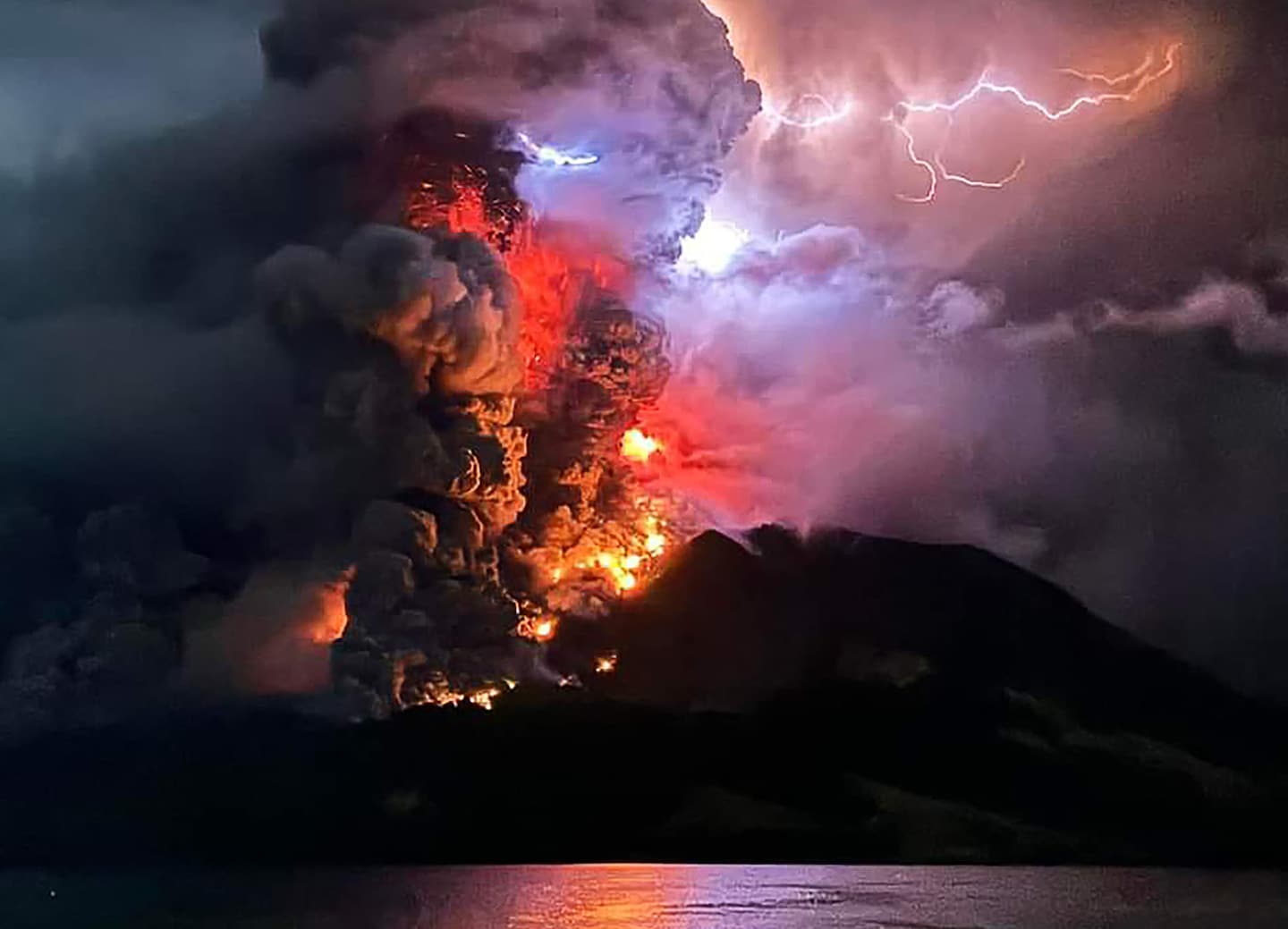
Indonesia's Mount Ruang has erupted multiple times, with the latest eruption sending ash nearly 70,000 feet high and prompting the evacuation of hundreds of people. The eruption has raised concerns about potential aerosols entering the stratosphere, and authorities have urged residents and tourists to stay at least 4 kilometers away from the volcano. The volcanic ash has posed dangers to aviation, and satellite imagery showed a massive eruption accompanied by prolific lightning. While the impact on Earth's climate is uncertain, volcanic aerosols in the stratosphere can have subtle effects.
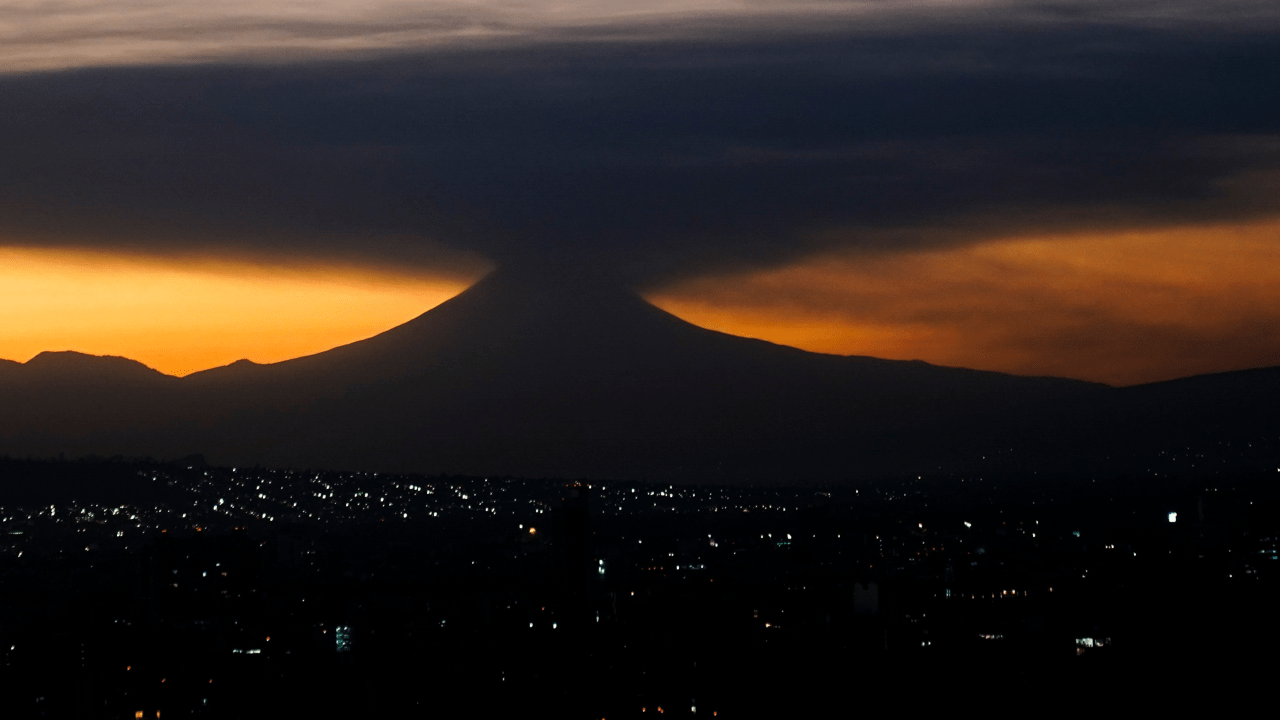
Mexico's Popocatépetl volcano, located near the country's capital, erupted 13 times in a single day, leading to disruptions at airports in Mexico City and Puebla. Flights were cancelled and rerouted due to safety concerns from volcanic ash, which can pose dangers to aviation. The volcano, which has been active for half a million years, regularly erupts, and its recent activity has prompted warnings for people to avoid climbing it.
Scientists have expressed concerns about the potential eruption of the Yellowstone supervolcano, which last erupted over 600,000 years ago. If it were to erupt, an initial blast could immediately kill around 90,000 people, with volcanic ash and debris blocking out sunlight and causing a drop in temperatures worldwide. This could lead to crop failures and famine in many parts of the world. However, the United States Geological Survey (USGS) states that the chances of a catastrophic eruption at Yellowstone in the next few thousand years are exceedingly small, and there is currently no evidence of an imminent eruption.