Scientists have decoded the genome of the 1918 influenza virus from a century-old Swiss specimen, revealing that the virus had already developed key adaptations for human infection at the pandemic's start, providing valuable insights into viral evolution and future pandemic preparedness.
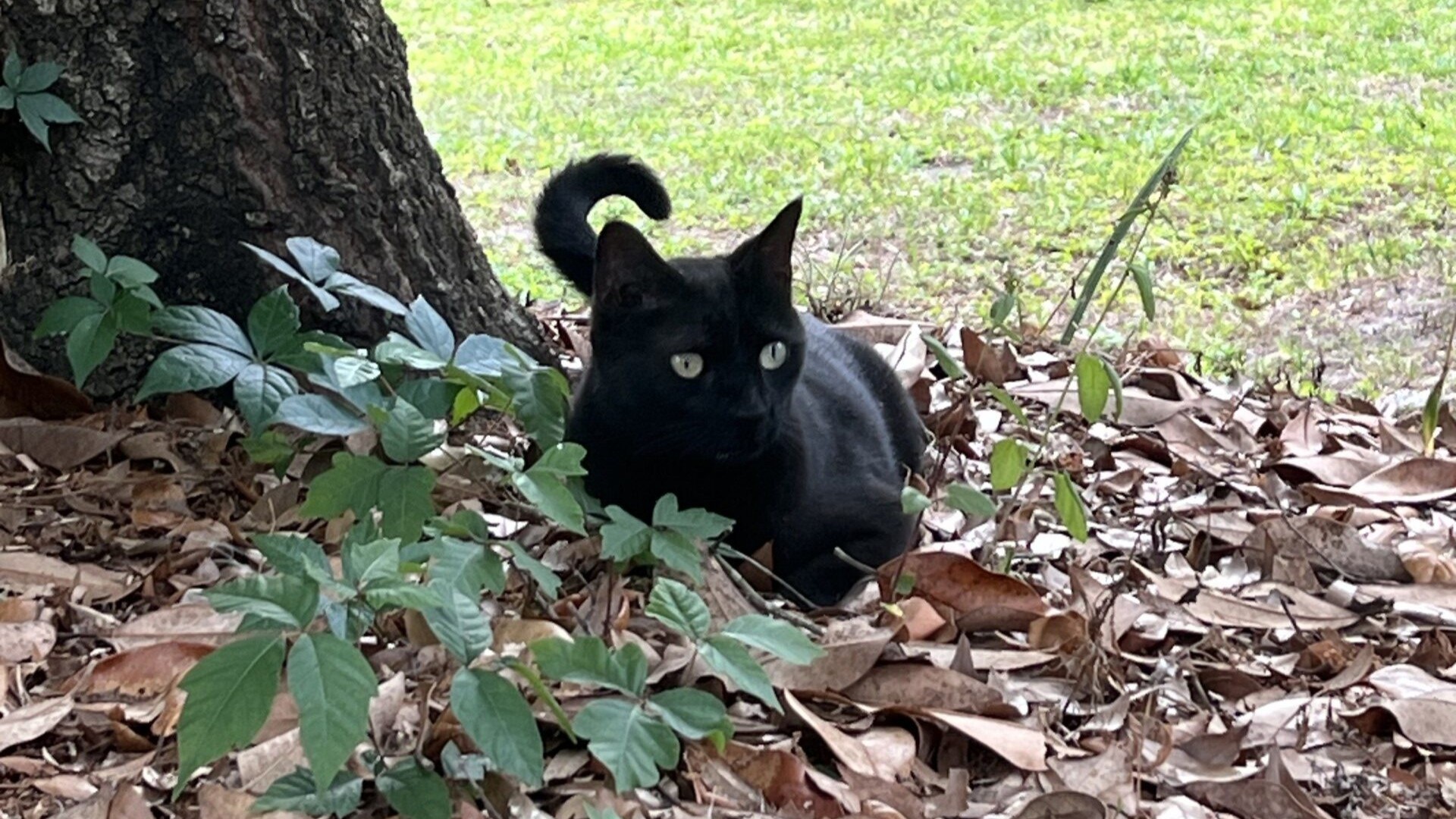
A scientist's cat in Florida helped discover a new strain of orthoreovirus in a dead shrew, highlighting the ongoing need to study these viruses due to their potential health risks to humans and animals.
The COVID-19 pandemic's nonpharmaceutical interventions, such as lockdowns and travel restrictions, drastically reduced global influenza cases, potentially driving the influenza B/Yamagata strain to extinction. While some flu lineages persisted in less restricted regions, the study highlights the significant impact of social measures on viral transmission and evolution, underscoring the role of global air travel in spreading influenza.
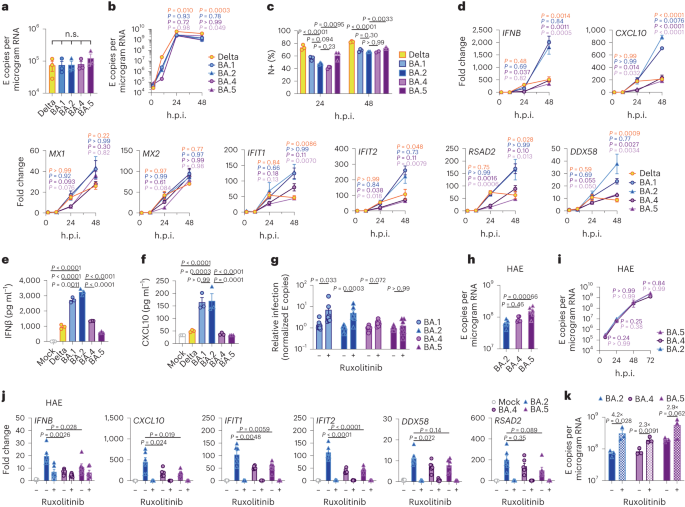
The SARS-CoV-2 Omicron subvariants BA.4 and BA.5 have shown increased levels of antibody escape and enhanced innate immune evasion, threatening vaccine efficacy and increasing hospitalizations. These subvariants have evolved to reduce innate immune activation during infection, with BA.5 displaying the most efficient innate immune antagonism. The increased expression of viral proteins Orf6 and N is a major factor contributing to the enhanced innate immune suppression by these emerging subvariants.
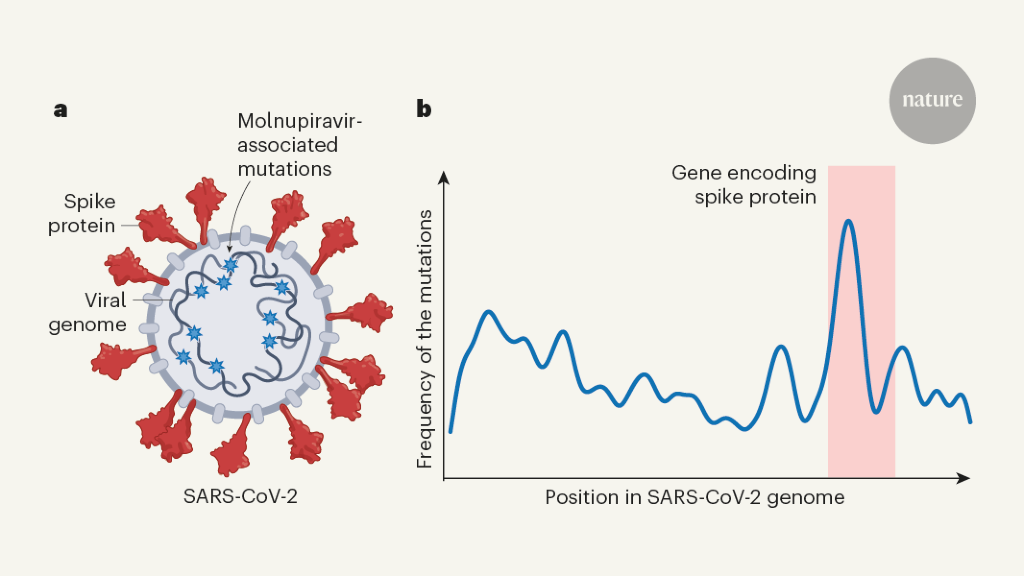
The antiviral drug molnupiravir, used to treat COVID-19, has been found to induce mutations in the SARS-CoV-2 genome, potentially leading to the emergence of new transmissible viral variants. While there is no evidence that any SARS-CoV-2 variant has arisen as a result of treatment with molnupiravir, caution should be exercised when considering the therapeutic use of this drug and others that work in a similar way.
Scientists are racing to understand a highly mutated variant of the coronavirus, known as BA.2.86 or Pirola, which has been detected in four countries, including the US. The variant has more than 30 amino acid changes to its spike protein compared to its closest ancestor, BA.2. The World Health Organization has designated BA.2.86 as a "variant under monitoring," urging countries to track and report its sequences. While only six sequences have been reported so far, epidemiologists are concerned that there may be more cases. It is still too early to determine the severity or contagiousness of the variant, but researchers are closely monitoring its spread and impact on immunity.