YouTube announced new AI-powered tools for podcasters, including features to easily create clips and Shorts from video podcasts and generate videos for audio-only content, aiming to enhance podcast promotion and compete with platforms like TikTok and Spotify.
Google's Nano Banana API is a versatile AI-driven tool that enables users to create dynamic visuals, including transforming images into videos, object swapping, and exploring historical or futuristic themes, making it ideal for marketing, art, and design projects.
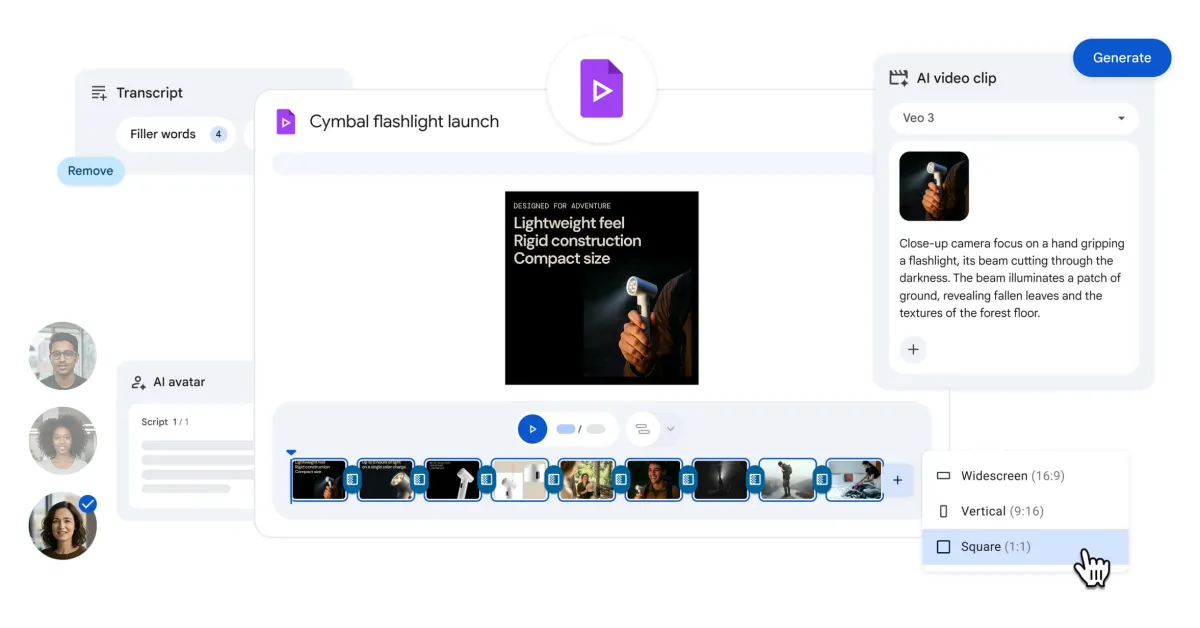
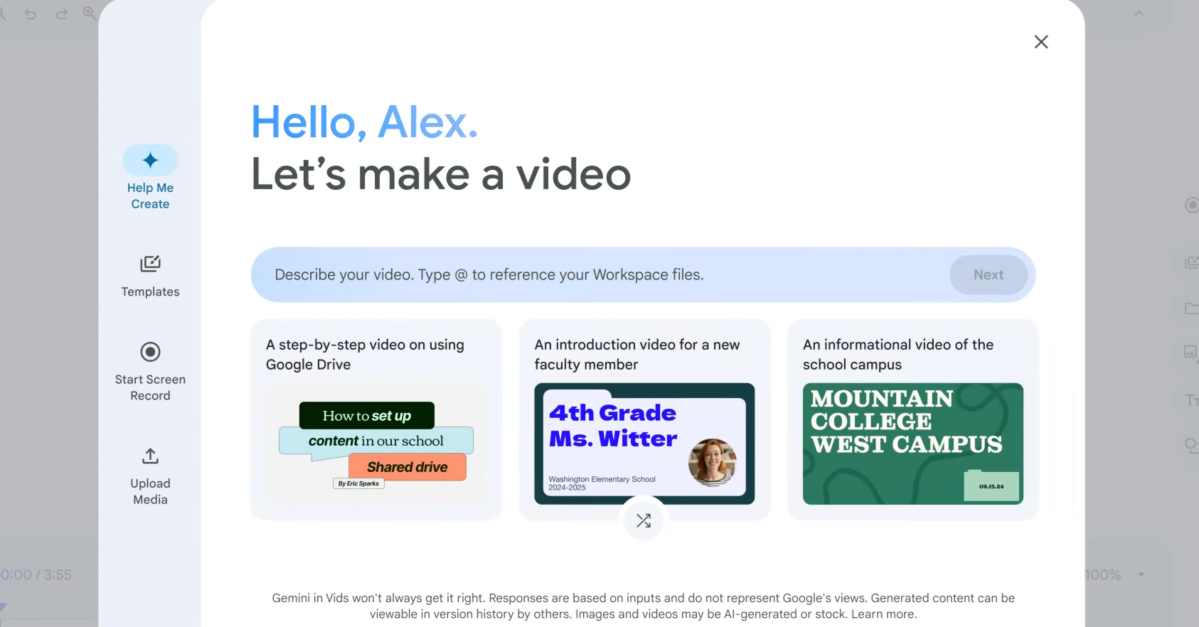
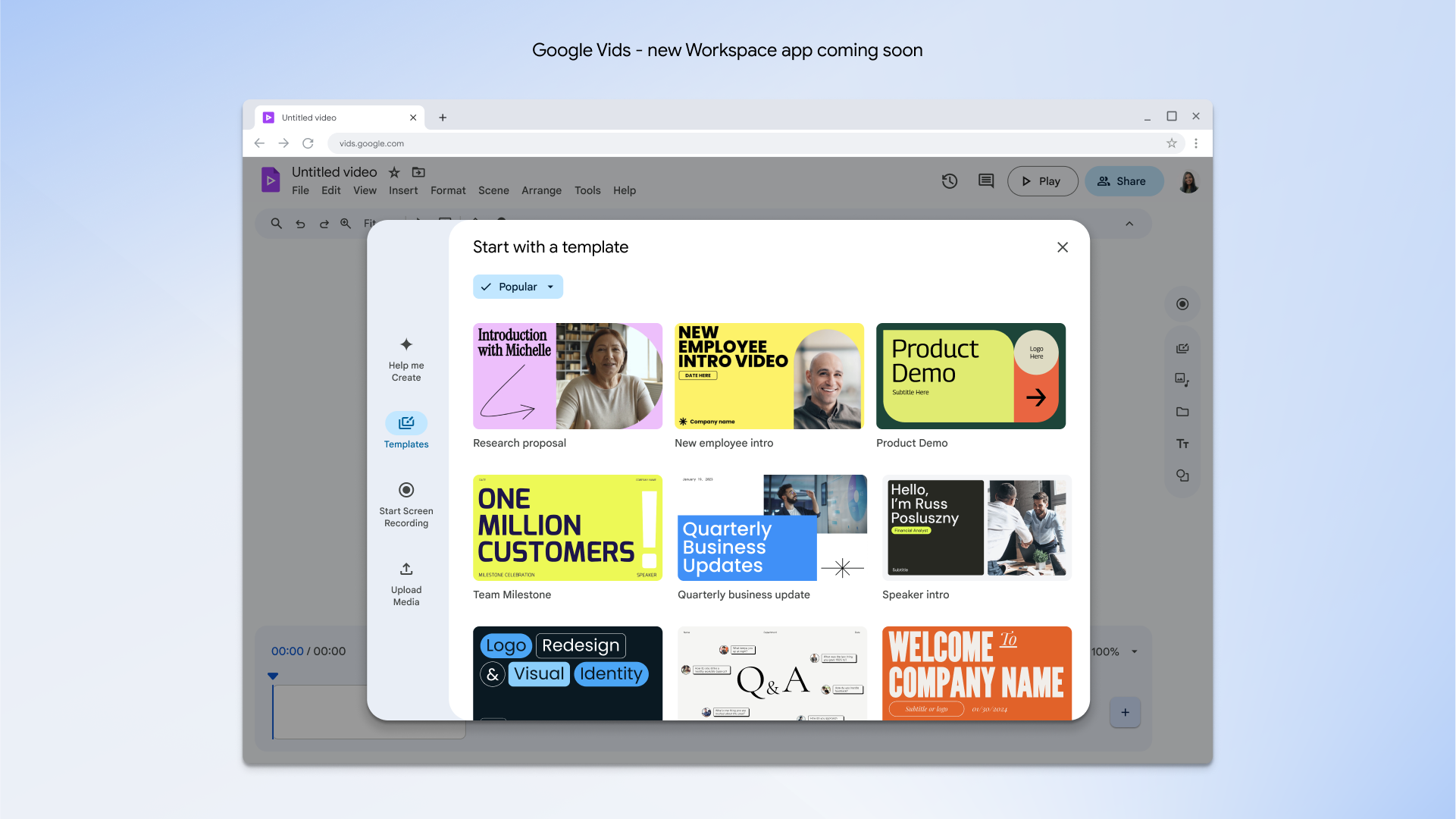
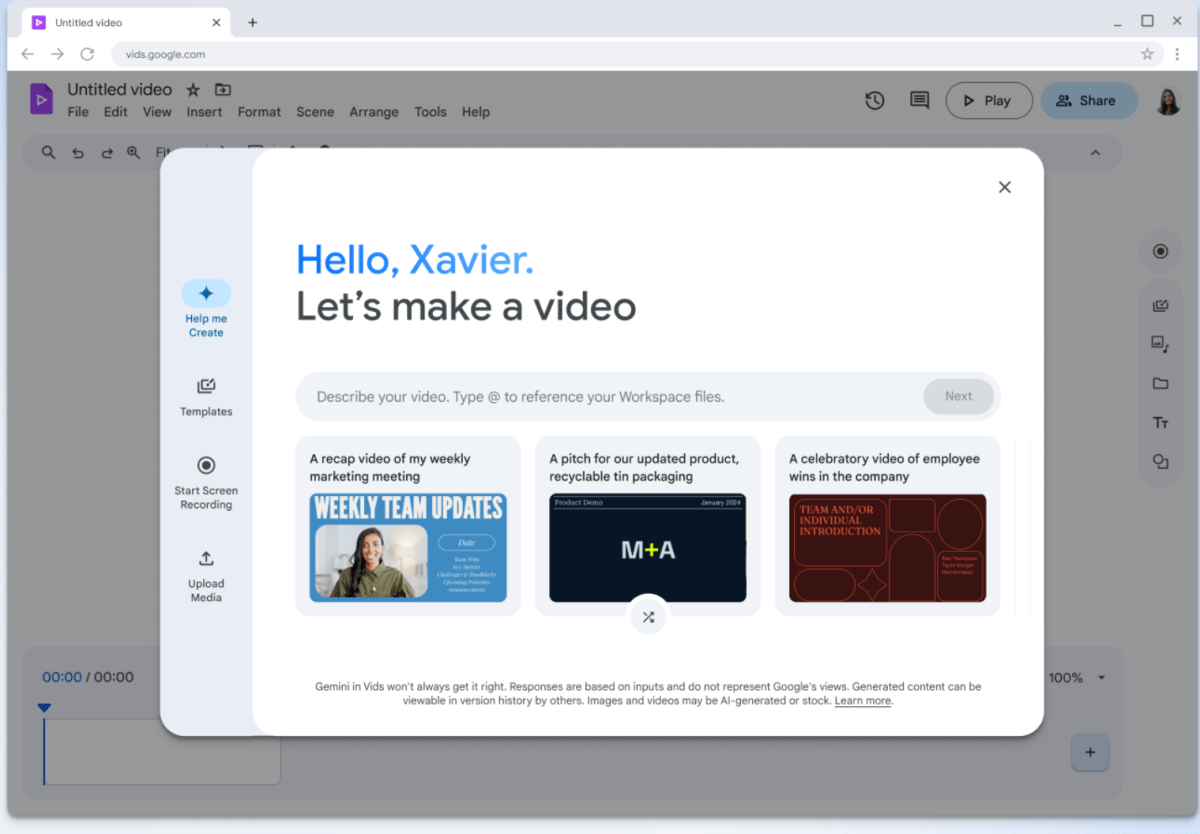
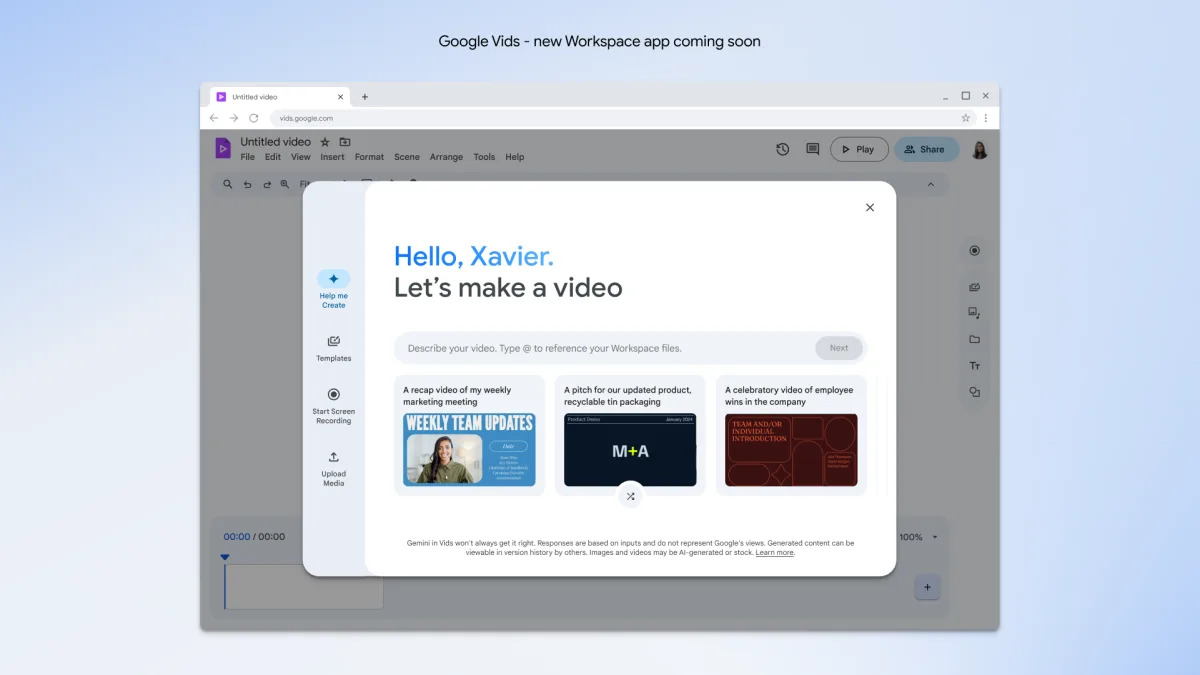
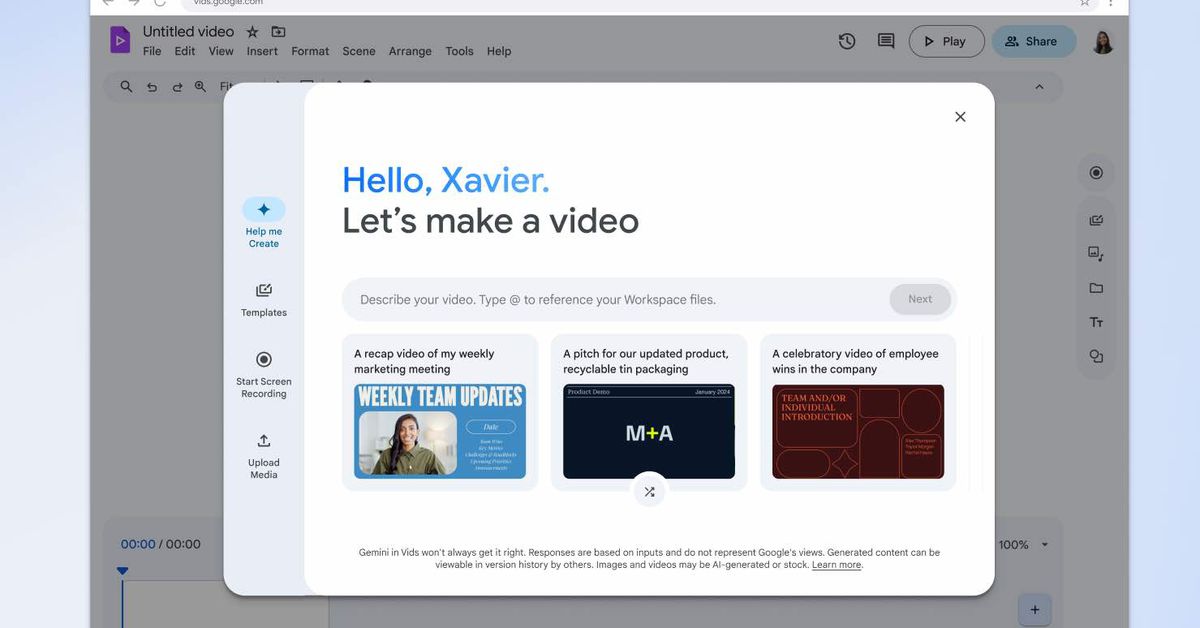
Google Vids, initially exclusive to Workspace subscribers, is now available for free users, offering a browser-based video creation tool with templates, AI features, and sharing options, with upcoming enhancements like noise cancellation and format options.
Google is now offering a basic, free version of its AI-powered video editor Vids to all users, providing templates, stock media, and limited AI features to help create videos more efficiently, though advanced AI capabilities like avatar generation are still restricted to paid plans.
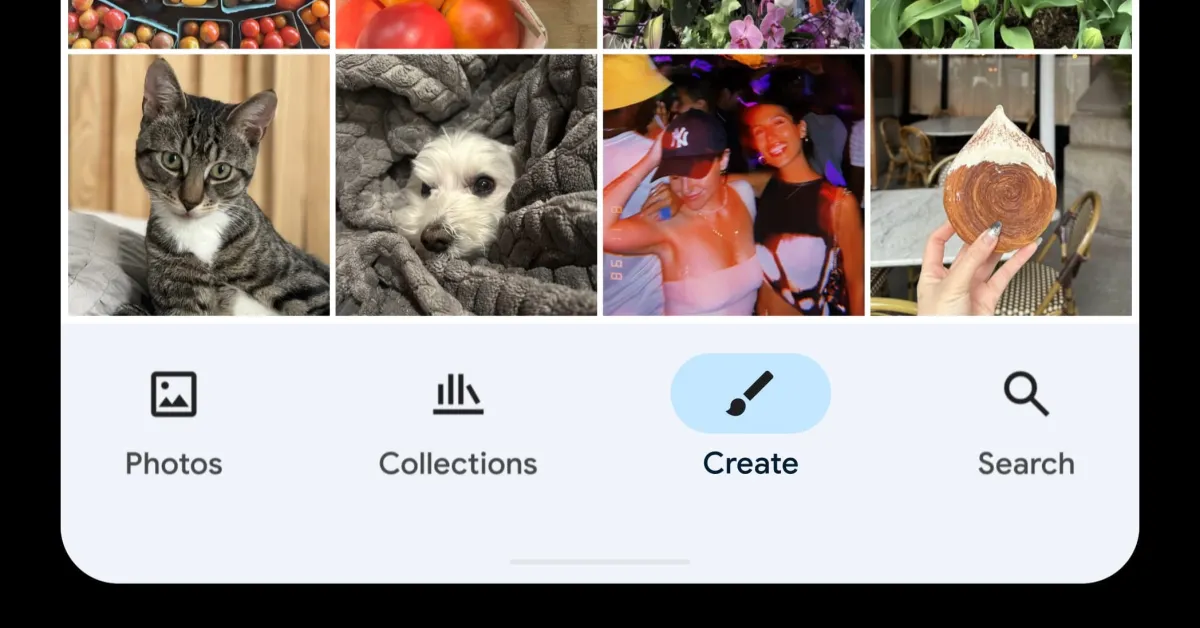
Google Photos is introducing a new 'Create' tab on Android and iOS, offering quick access to various photo and video creation tools like animations, cinematic photos, collages, highlight videos, and more, aiming to streamline the creative process within the app. The feature is rolling out with version 7.40 and is not yet widely available.
Google Photos is preparing to introduce a new AI-powered Remix feature that allows users to convert still images into short videos with a simple tap, featuring a redesigned interface and a pop-up introduction, although the feature is not yet live and currently produces errors.
Midjourney has launched its first AI video generator, allowing users to create short videos from images or text prompts, with plans for more features. The tool is currently available on the web and Discord for a subscription fee, but faces legal challenges from Disney and Universal over copyright concerns. The company views this as a stepping stone toward more advanced AI simulations.
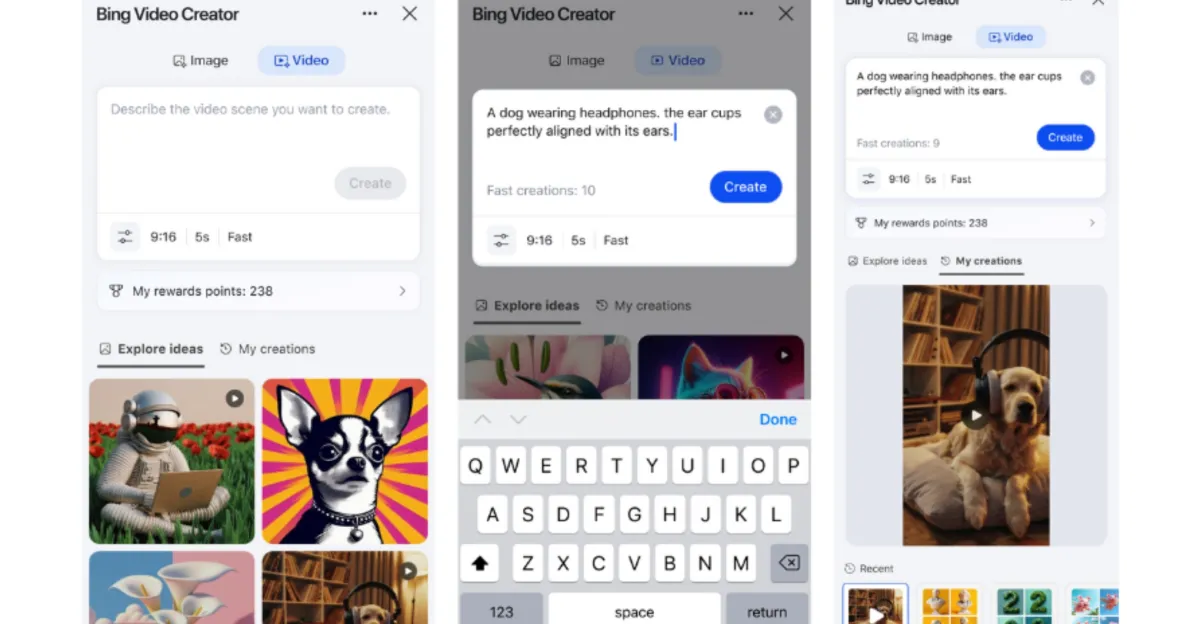
Microsoft has integrated a free AI video generator called Bing Video Creator into its Bing mobile app, built on OpenAI’s Sora model, allowing users to create short videos from text descriptions, with plans to expand support and formats, aiming to democratize AI-powered video creation.
Microsoft Bing has launched a free AI video generator called Bing Video Creator, powered by OpenAI’s Sora model, allowing users with a Microsoft account to create up to 10 videos for free, with additional videos costing 100 Microsoft Rewards points each. The tool currently only supports vertical videos and is not yet available on desktop, with videos taking hours to generate even in fast mode.
OpenAI has launched Sora, a powerful AI video creation tool available to ChatGPT subscribers, marking a significant step in AI-generated video content. Sora allows users to create short, photorealistic videos, though it has limitations like handling basic physics. OpenAI aims to explore the societal impact of such technology while ensuring responsible use. The tool is not available in Europe due to privacy laws, and OpenAI is focused on preventing illegal use. Sora's release highlights the growing trend of AI in video production, with competitors like Google and Meta also developing similar tools.
Google has introduced Vids, an AI-powered video creation tool within Google Workspace, designed to help professionals easily craft professional-looking video content. The tool uses AI to guide users through the process of creating a video, from ideation to script writing, layout design, and editing, while also allowing access to stock footage and the option to upload personal clips. Initially available only to paid Workspace accounts, Vids is set to launch in June, with potential future availability for consumer accounts.
Google introduced Google Vids, an AI-powered video creation tool that will be part of the Google Workspace productivity suite, allowing users to create and collaborate on videos in the browser. The tool uses AI to transform existing assets into compelling videos, with features such as real-time collaboration, storyboard creation, template selection, and audio track insertion. Currently in limited testing, Google Vids will roll out to additional testers in June and eventually be available for customers with Gemini for Workspace subscriptions.
Google has announced Google Vids, a video creation app for work that uses AI to quickly generate videos for the workplace, making everyone a "great storyteller." The app, powered by Google's latest AI model Gemini, can create entire storyboards, scripts, music, and voiceovers based on user prompts and input documents, pictures, and videos. While not a replacement for AI-powered video generation tools, Vids is designed for creating onboarding videos, company announcements, and training materials, and will be available in June for Workspace users.
Google is set to launch a new app called Vids, aimed at making collaborative, shareable video creation easier for work purposes. The app, which is part of Google's Workspace collaboration suite, allows users to assemble assets from Drive and other sources into a left-to-right timeline for a video, with the option to add voiceover or film oneself. Users can also leverage Google's Gemini AI to assist in creating a first draft of the video. Vids is designed to facilitate easy sharing and collaboration, with the ability for others to comment, leave notes, and even edit the video. The app is expected to be integrated with other Google tools and is set to launch in a public beta this summer.
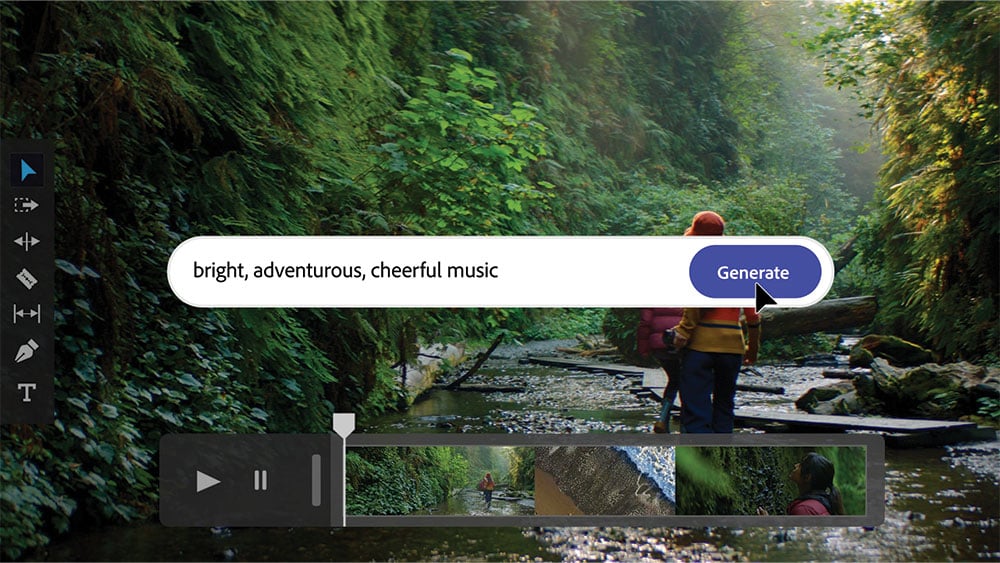
Adobe's stock fell over 7% after OpenAI introduced Sora, a text-to-video generator that can create lifelike videos from simple text descriptions, posing competition for Adobe's Creative Cloud suite. OpenAI's Sora is still in testing and not yet available for public use, but it has the potential to impact Adobe's market.