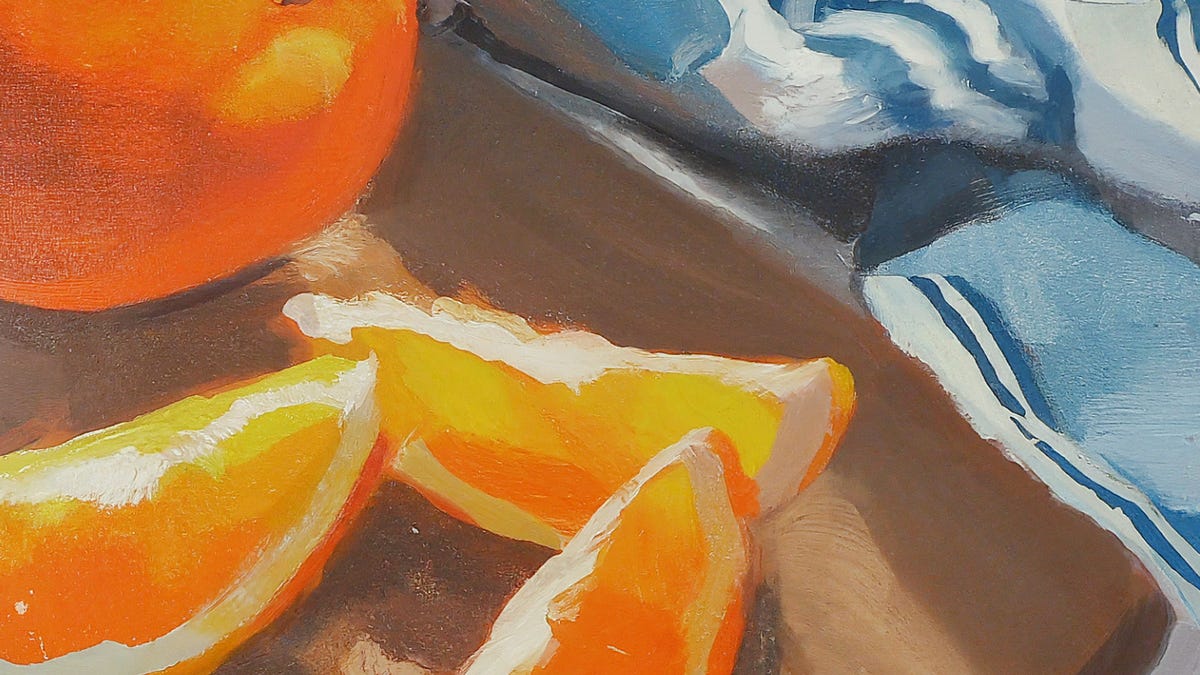
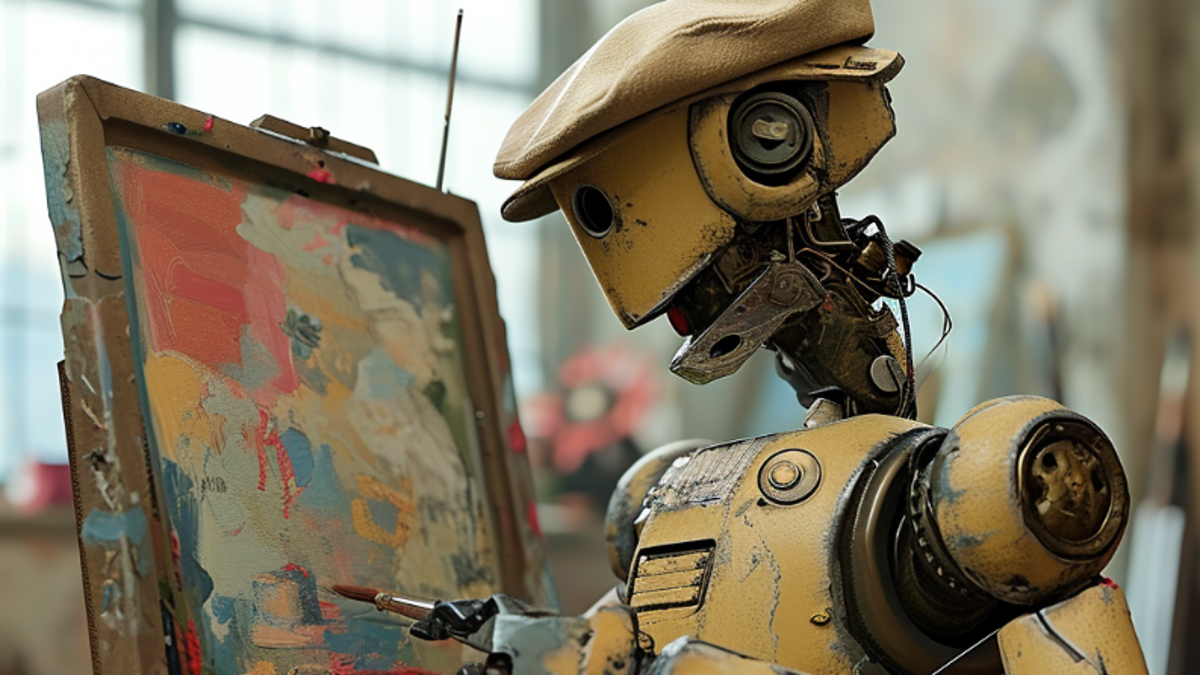
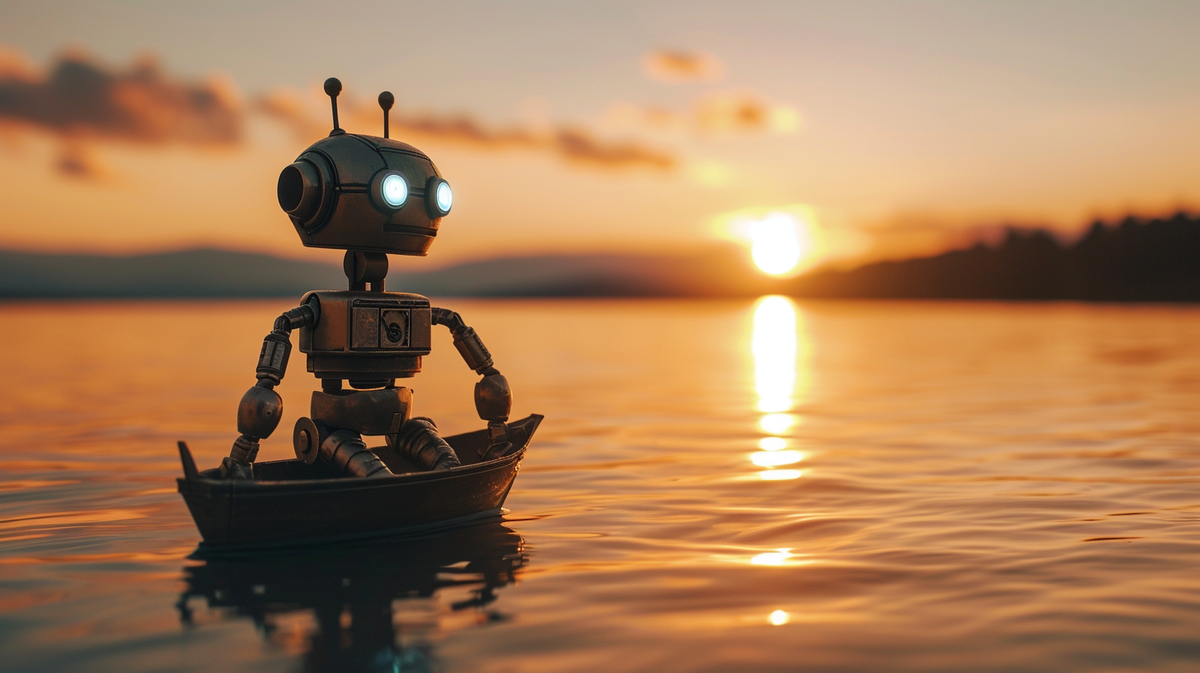
Microsoft has launched its first in-house AI image generator, MAI-Image-1, available in Bing Image Creator and Copilot Audio Expressions, excelling at photorealistic images of food, nature, and artistic lighting, with plans to expand to the EU and integrate with its AI tools, signaling a shift from reliance on OpenAI models.
Google has made its popular Nano Banana AI image generator, part of the Gemini 2.5 Flash Image model, widely accessible for free, allowing users to create and edit images with new features like default aspect ratios through Gemini, AI Studio, and Adobe programs, emphasizing ease of use and privacy considerations.
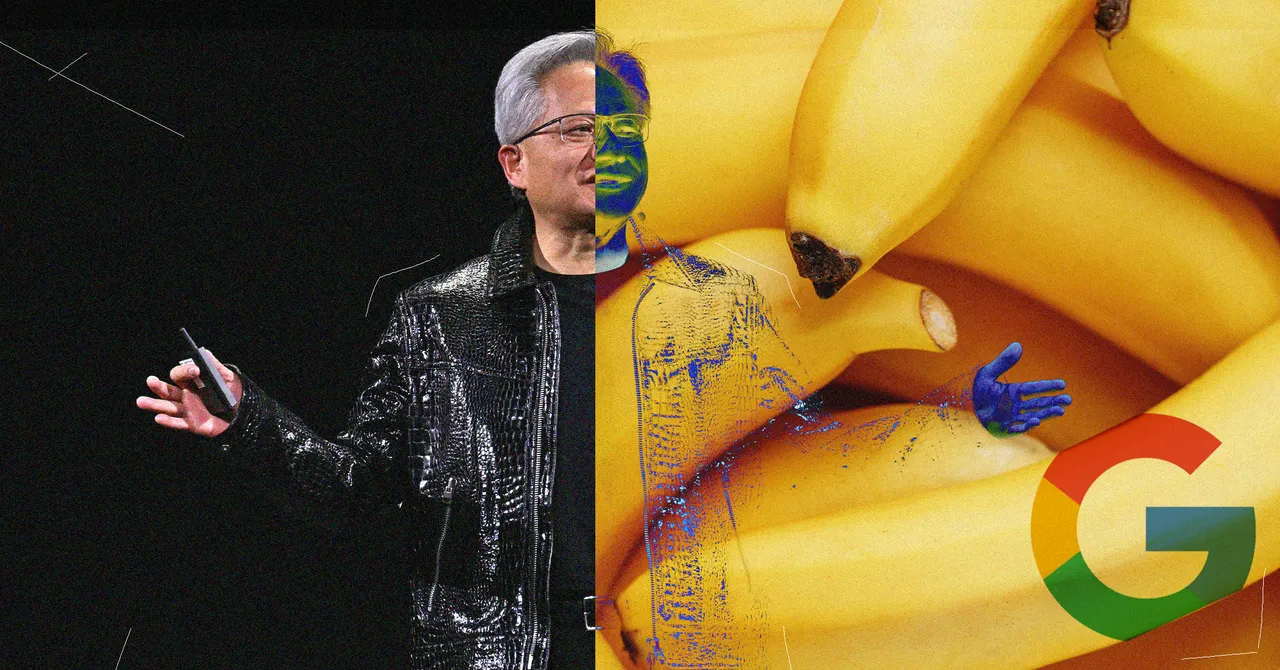
Nvidia CEO Jensen Huang expressed his enthusiasm for Google's AI image generator, Gemini's Nano Banana, highlighting his admiration during a London event and discussing his use of various AI tools like Perplexity, Gemini, and ChatGPT.
Google's Nano Banana API is a versatile AI-driven tool that enables users to create dynamic visuals, including transforming images into videos, object swapping, and exploring historical or futuristic themes, making it ideal for marketing, art, and design projects.
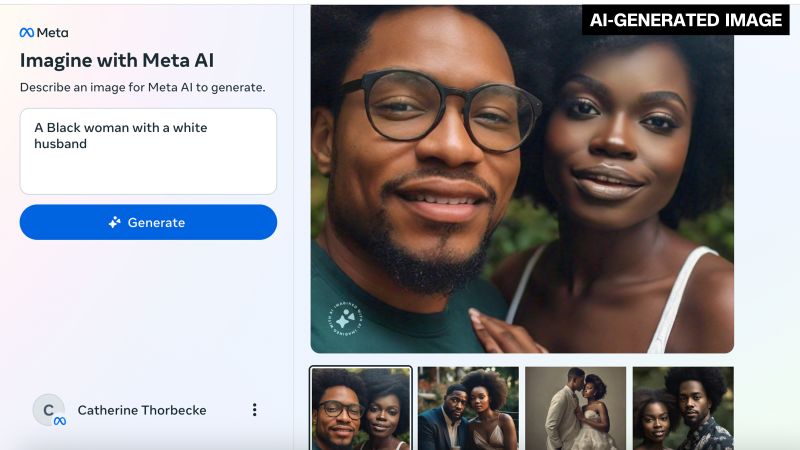
Meta's AI image generator is facing criticism for its inability to accurately generate images of interracial couples, often producing images of same-race couples instead. This issue highlights the ongoing struggle of generative AI tools with racial concepts, as seen in previous incidents involving Google and OpenAI. Despite efforts to address bias, these gaffes reveal the challenges in ensuring that AI tools are free from racial stereotypes and inaccuracies.
Google Bard has introduced a free AI image generator feature powered by its updated Imagen 2 model, allowing users to create photorealistic images by entering English prompts. The tool is available worldwide except in certain regions and is designed to prevent commercial use through digitally identifiable watermarks. Google Bard's AI capabilities are also being enhanced, potentially replacing Google Assistant, as Google plans to remove 17 features from Assistant.
Google has finally made its AI image generator, Imagen 2, available to the public, allowing users to create images from text using the new ImageFX tool. The company has also integrated Imagen 2 into Google Bard, enabling the chatbot to generate high-quality images. To address concerns about misuse, Google has implemented guardrails to prevent the generation of inappropriate content and will watermark all images with SynthID for identification.
Midjourney has released an upgraded version of its AI image-generating service, Midjourney V6, which produces shockingly realistic photos with attention to detail. The alpha version of V6 will be available on Discord for a limited time, and users can switch to V6 by typing "/settings" or adding "--v 6" to their prompts. V6 requires more explicit prompts and is slightly slower, but its images are highly convincing. Midjourney will enforce community standards more strictly due to the potential for deceptive use of these realistic images.
MidJourney has released version 6 of its AI image generator, offering longer prompts, more detail, and the ability to add text to photos. The update comes as MidJourney faces competition from rivals like OpenAI's DALL-E 3 and Meta's free tools. The latest release includes improvements in prompt interpretation and understanding, as well as granular control over color and shading. MidJourney v6 is available through Discord, with a web version being tested for users who have generated over 10,000 pictures. Test comparisons show that v6 offers richer detail, while v5.2 benefits from refinement and has more character.
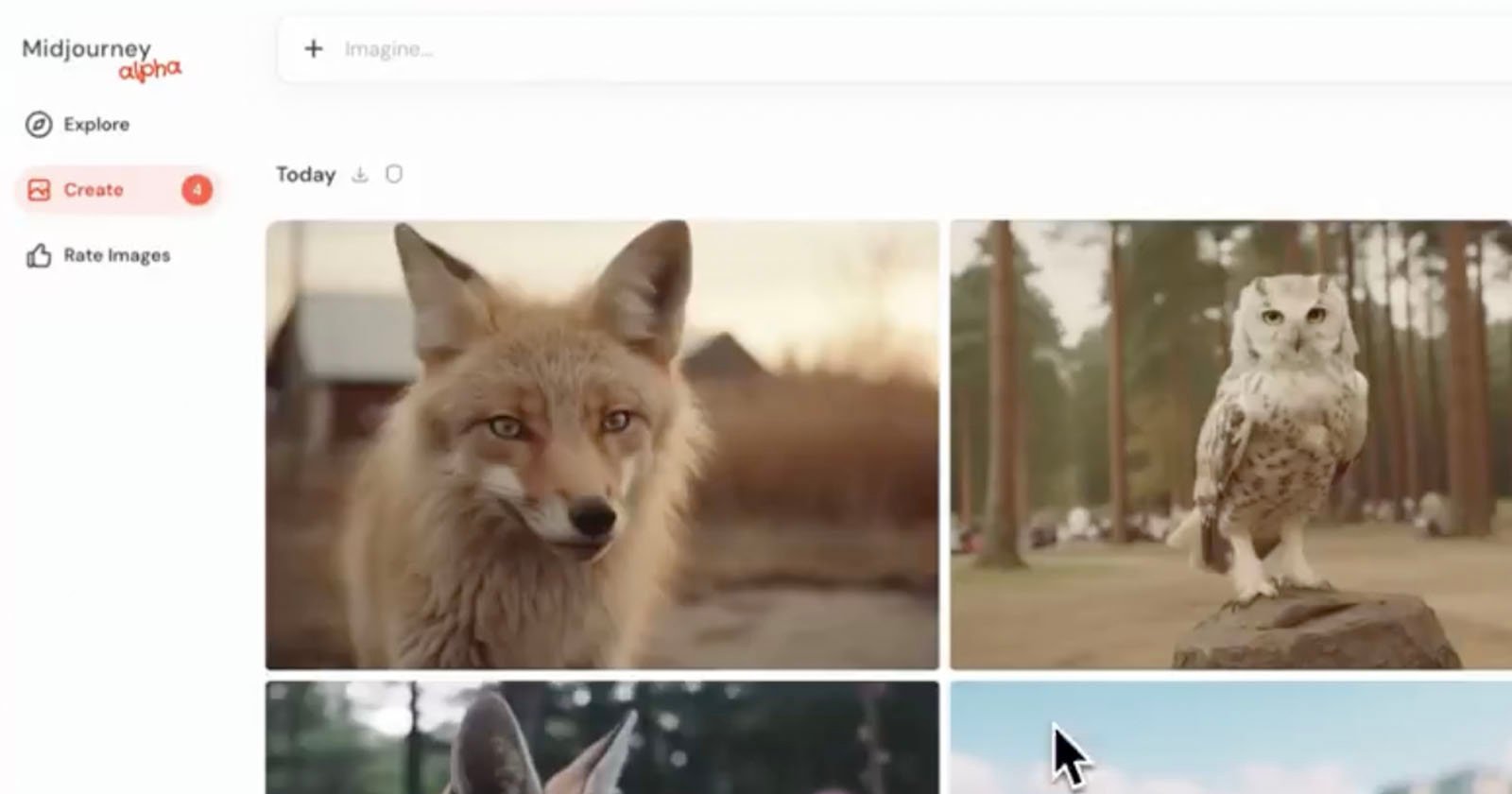
Midjourney, a popular AI image generator, is transitioning from Discord to a standalone website, offering a more user-friendly interface for generating images. The alpha version, currently available to select users who have generated over 10,000 images on Midjourney, features sliders instead of codes and inputs, making it easier to remix and manipulate images. This move comes as Midjourney faces competition from OpenAI's DALL-E 3, which boasts a more user-friendly interface. The new web interface is expected to coincide with the release of Midjourney v6, rumored to have video capabilities. However, the legality of training AI image generators on copyrighted images remains a contentious issue, with an upcoming trial between Getty Images and Stability AI.
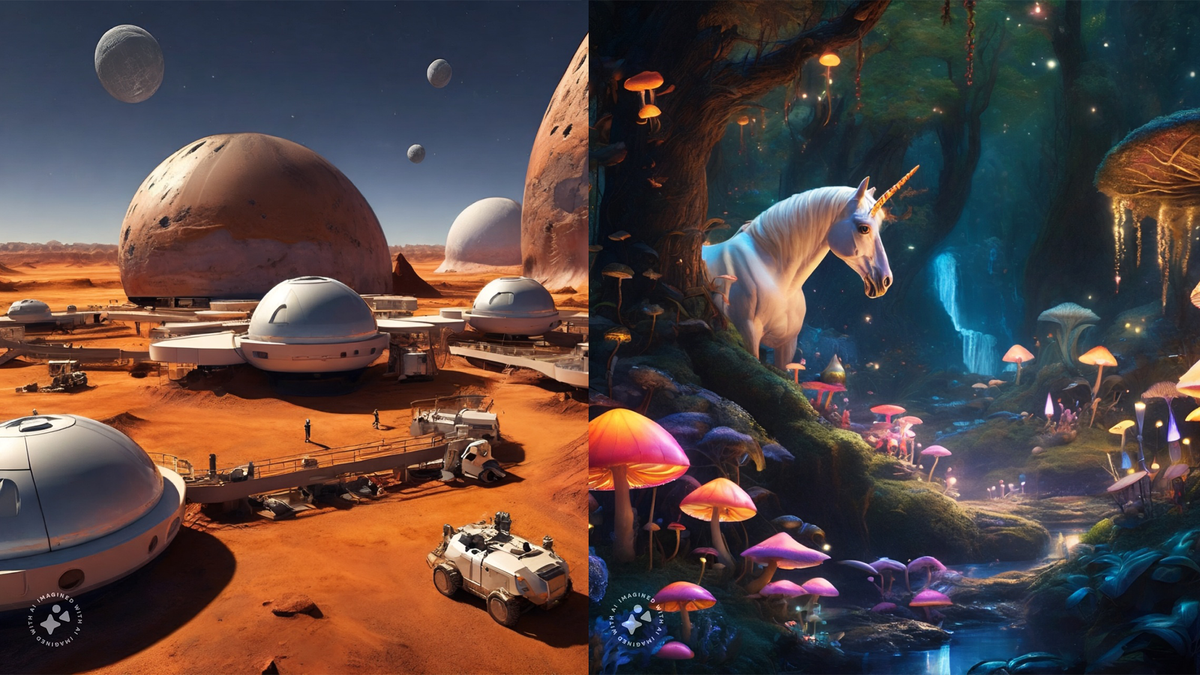
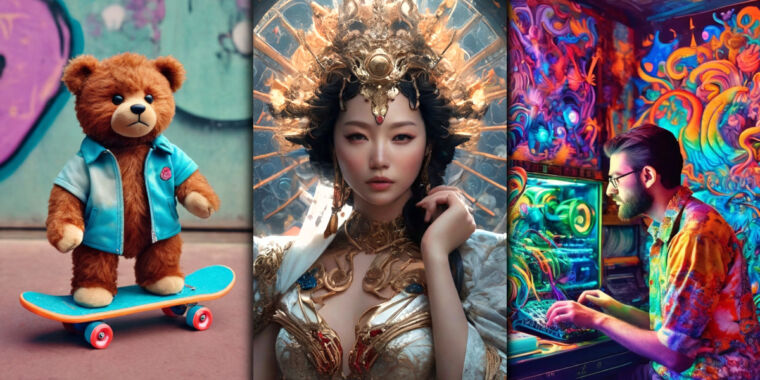
Meta has released a new AI image generator called Imagine with Meta, which competes with other players like DALL-E and Stable Diffusion. Unlike previous models, Imagine offers limited control over the output, generating images instantly with a 1280x1280 resolution. While it performed well in generating diverse scenes, it struggled with accuracy in fulfilling specific prompts, such as steampunk or underwater settings. The text generation capability of Imagine was also subpar compared to DALL-E.
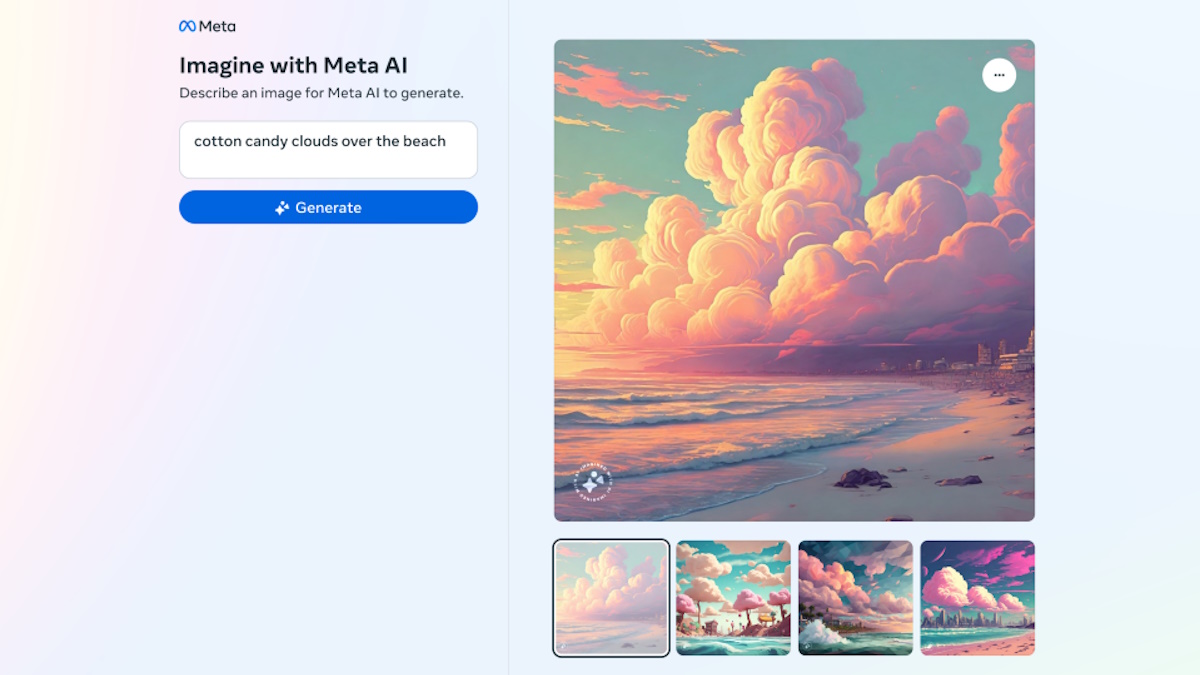
Meta has launched a free AI image generator that requires users to have a Meta account. The AI image generator site allows users to describe an image for Meta AI to generate, but the quality of the generated images has been criticized, with many appearing like poorly photoshopped creations. Meta used public images from Facebook and Instagram to train the AI, and while the company adds a visible watermark to the images, it can easily be removed.
Meta has launched its own AI image generator called Imagine with Meta, which is trained on billions of publicly available photos from Facebook and Instagram. However, concerns about user privacy have been raised as the tool raises questions about data security and user control. Despite Meta's claims of excluding private images, the public remains skeptical. The image generator is currently available in the US and generates four images per prompt, all with visible watermarks for transparency. Meta also plans to add invisible watermarks to AI-generated images to prevent manipulation.
Meta has launched Imagine, its AI image generator, as a standalone product for users in the US. Previously available only through the Meta AI virtual assistant, Imagine allows users to generate images using text prompts. The tool is free to use and features a simple interface. Meta plans to add invisible watermarking to increase transparency and traceability of AI-generated images.
Meta has launched "Imagine with Meta AI," a free AI image generator website based on its Emu image synthesis model. The AI model was trained on 1.1 billion publicly visible Facebook and Instagram images and can generate unique images from written prompts. Users' publicly available photos were used to train the model, highlighting the potential privacy implications.