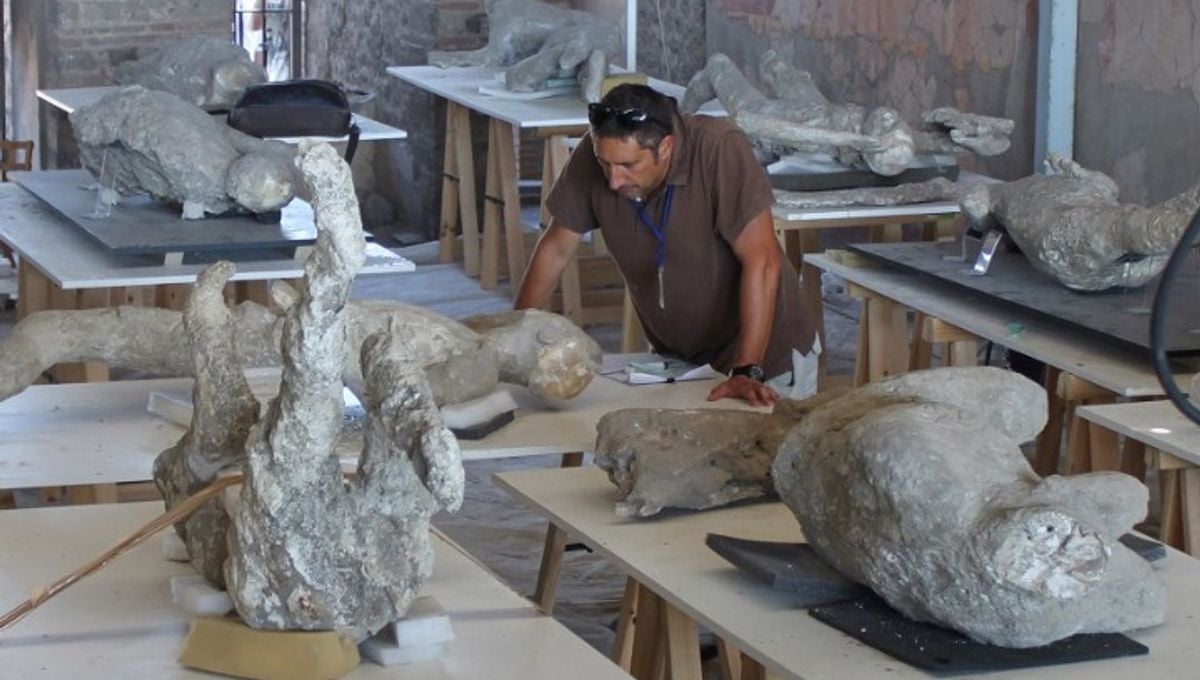
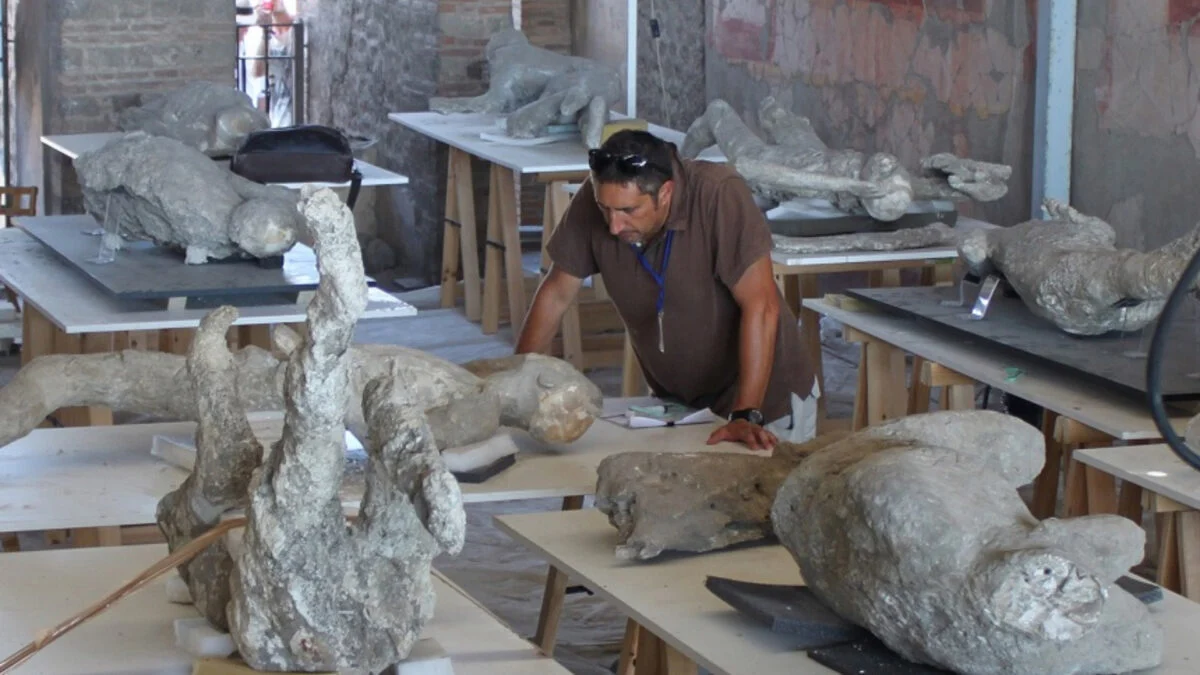
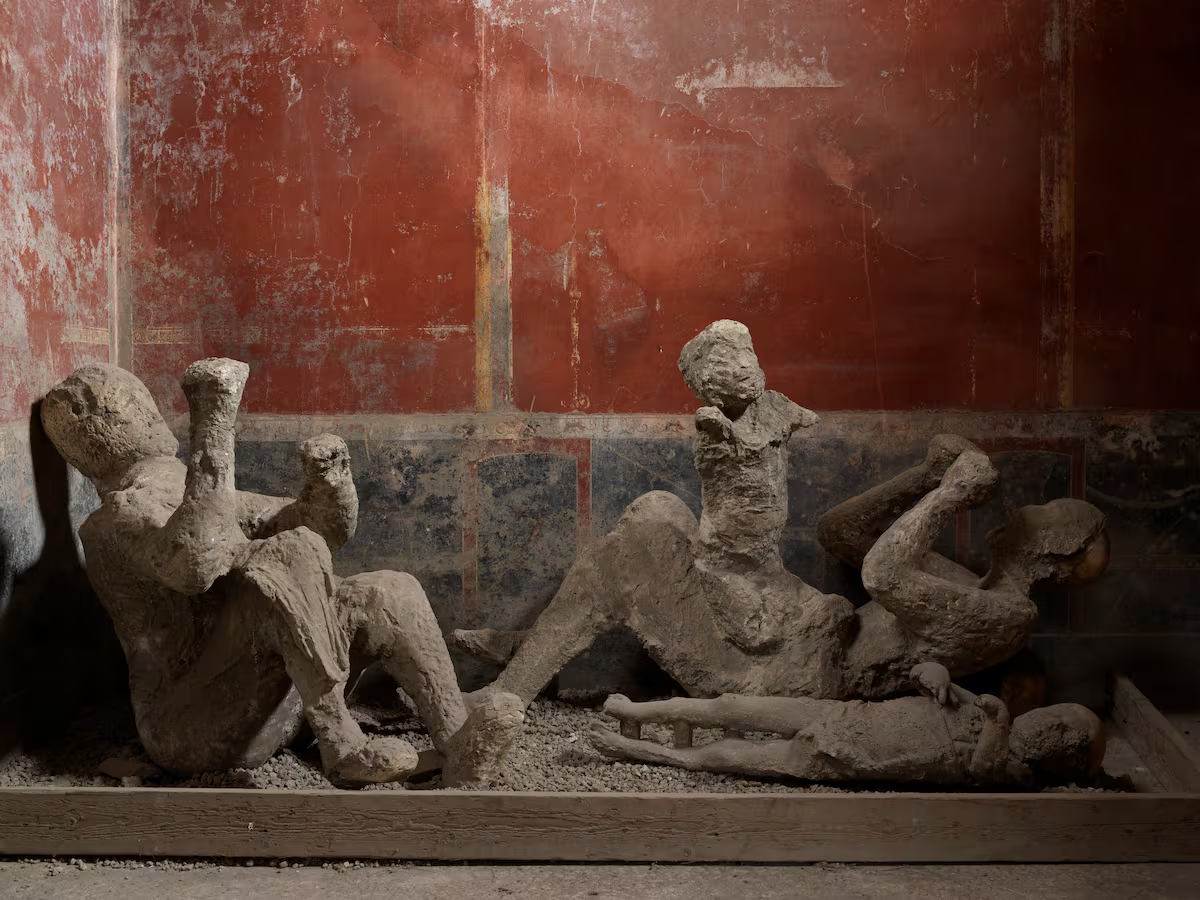
Recent analysis of plaster casts from Pompeii suggests victims wore heavy wool clothing, challenging the traditional August date of the eruption and hinting it may have occurred in autumn or winter instead.
New research analyzing plaster casts from Pompeii suggests that victims wore heavy wool clothing, indicating colder weather or a harmful environment during the eruption, and raises questions about the exact date of the eruption, which is still debated among historians.
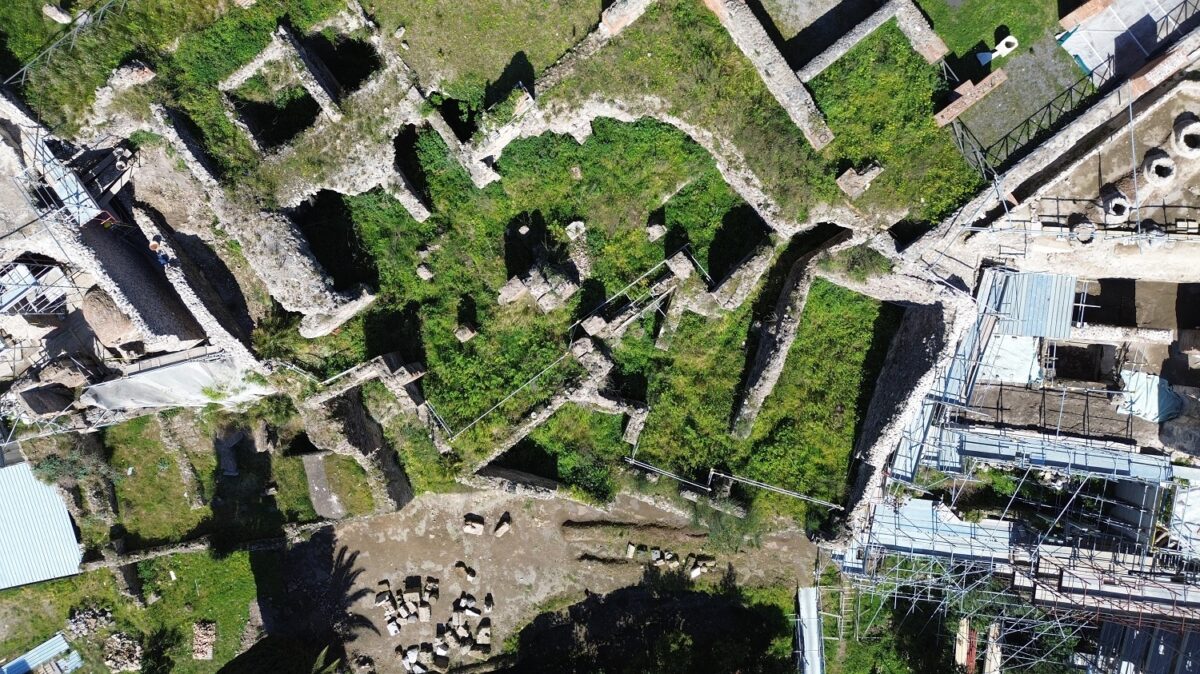
Survivors and opportunists returned to Pompeii after the 79 AD eruption of Mount Vesuvius, living in the upper floors of buildings and engaging in disorganized, lawless activities for about 400 years until the city was abandoned in the fifth century, with new excavations revealing clearer evidence of this reoccupation.
New archaeological evidence suggests that after the catastrophic eruption of Mount Vesuvius in 79 AD, some survivors and others seeking valuables reoccupied Pompeii in precarious conditions, forming an informal settlement that persisted until the fifth century, revealing a more complex post-eruption history than previously understood.
Archaeologists have found evidence that some survivors and new settlers reoccupied Pompeii after the AD79 eruption of Mount Vesuvius, living in precarious conditions in makeshift settlements within the ruins, challenging the previous notion that the city was completely abandoned after the disaster.
Recent DNA analysis of 14 victims from Pompeii, preserved by the eruption of Vesuvius in 79 AD, has revealed surprising findings that challenge previous assumptions. Notably, a figure thought to be a woman with a child was actually a man unrelated to the child, and a pair believed to be sisters were actually a man and another person of undetermined sex. This study highlights the importance of genetic analysis in archaeology, questioning traditional interpretations and offering new insights into the demographics and social dynamics of ancient Pompeii.
A new DNA analysis of victims from the 79 CE eruption of Mount Vesuvius in Pompeii challenges long-held assumptions about their identities and relationships. The study reveals that individuals previously thought to be related, such as a mother and child or sisters, were not genetically related, and some were misidentified in terms of gender. This suggests a more complex social structure in Pompeii and highlights the genetic diversity of its inhabitants, who were mainly descended from recent immigrants from the eastern Mediterranean and Near East. The findings urge caution against imposing modern biases on ancient contexts.