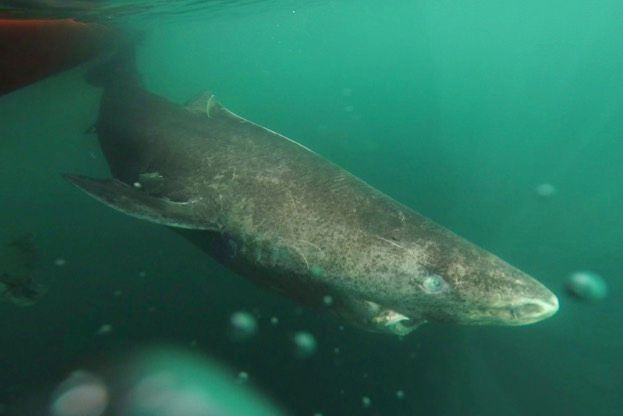
Greenland sharks are among the longest-living vertebrates, with an estimated lifespan of at least 272 years and some reaching up to 400 years, based on radiocarbon dating of their eye lenses, making them the oldest known vertebrate animals.
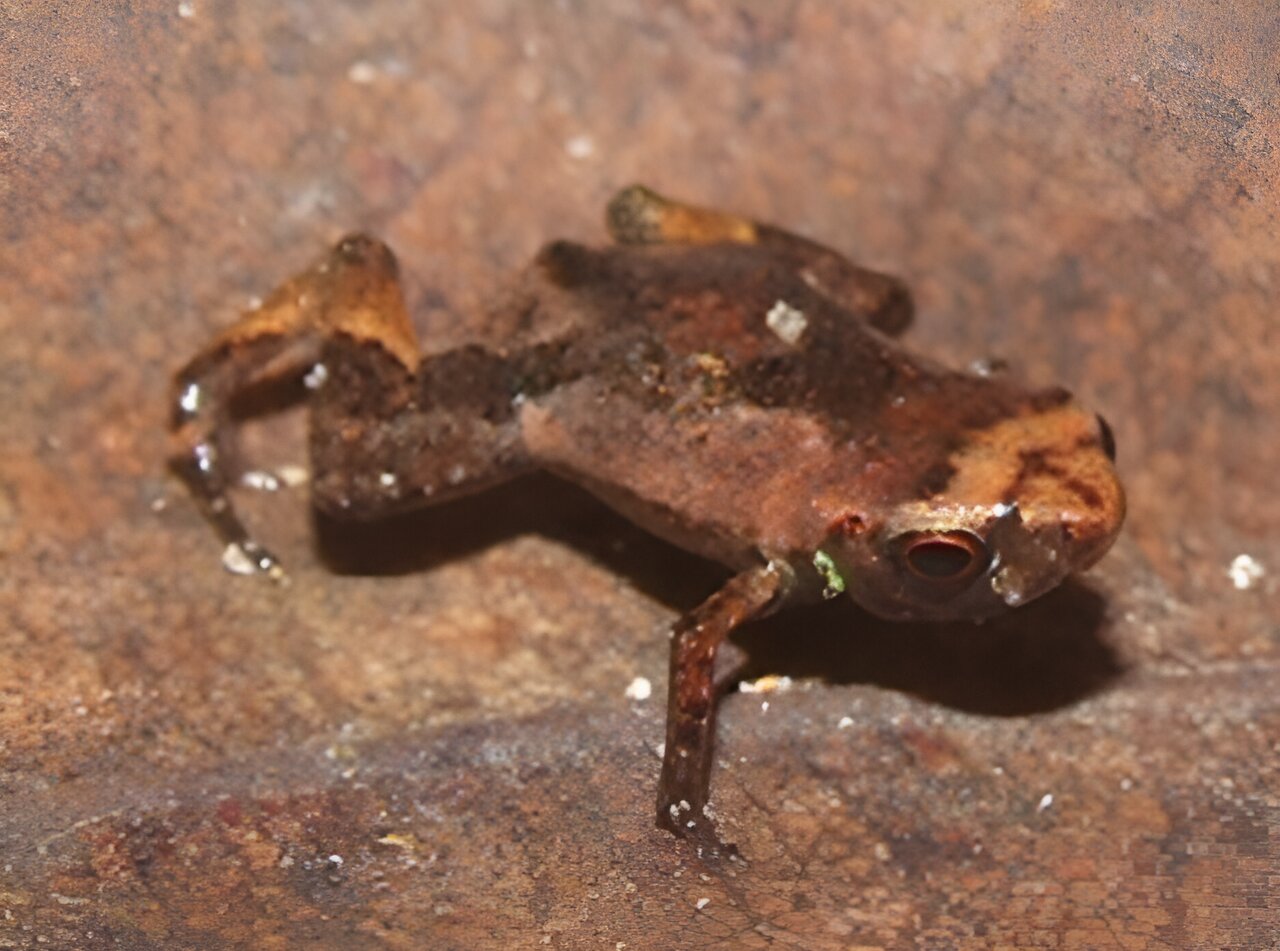
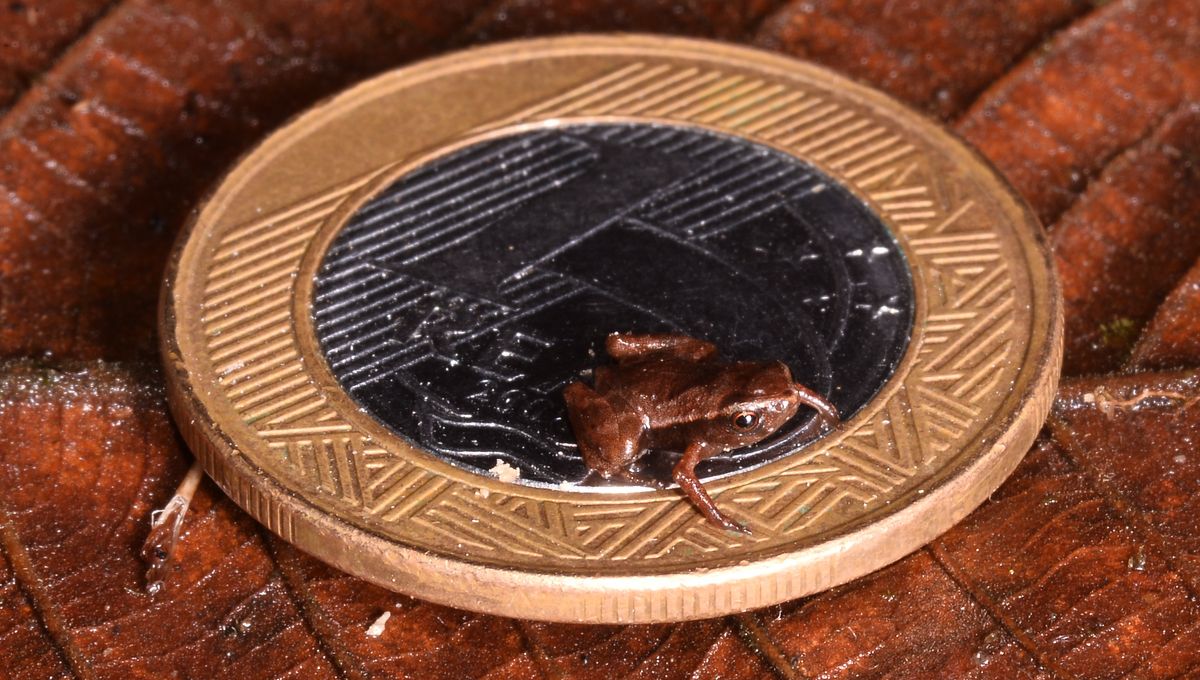
Biologists have confirmed that the Brazilian flea toad, Brachycephalus pulex, is the world's smallest vertebrate, with an average male body length of slightly over 7 millimeters. The tiny frog, found only in southern Brazil, was previously thought to be a toad. The researchers suggest that there may be even smaller vertebrates yet to be discovered, but note that there are likely limits to how small frogs can be due to survival challenges.
A tiny frog species, Brachycephalus pulex, from Brazil may be the world's smallest vertebrate, with males averaging just over 7 millimeters long and females a little over 8 millimeters. New research confirmed their adult status and measured their body lengths, concluding that they are potentially the smallest extant frogs in the world, surpassing the previously-identified "tiniest frog in the world."
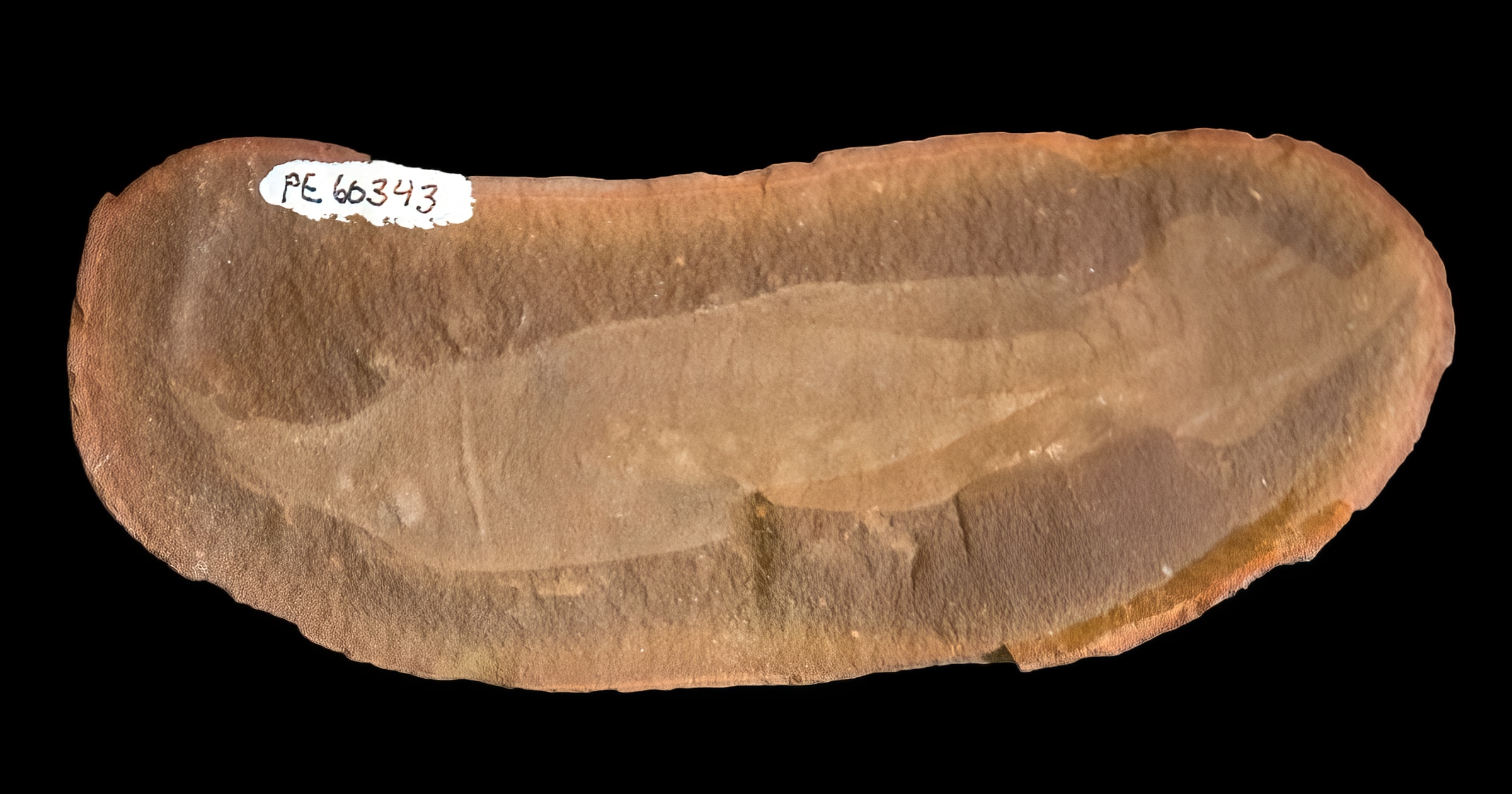
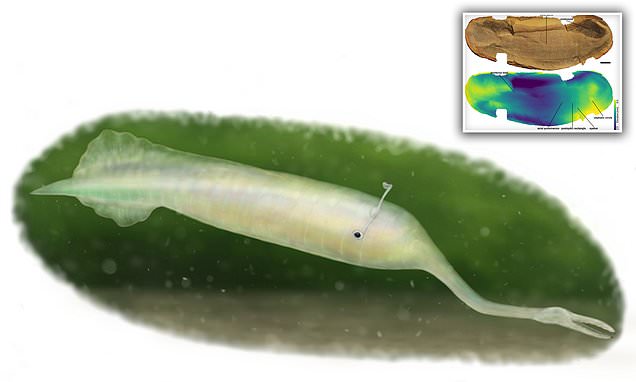
The Tully Monster, an enigmatic fossil organism from the Carboniferous age, has puzzled scientists for over 50 years. While some studies have identified it as a vertebrate, a new micro-CT analysis of 153 fossils by Japanese scientists concludes that it is an invertebrate of unknown affinity. This highlights the difficulty in identifying preserved body structures and attributing them to a specific phylum, raising questions about the confidence placed in such fossil evidence to prove Darwinian evolution or represent "missing links."
A new study by researchers at the University of Tokyo has claimed that the Tully monster, a mysterious 300-million-year-old sea creature, was definitely an invertebrate and not a vertebrate as previously thought. The creature's body parts once thought to indicate a backbone are not actually as they seemed. The Tully monster had segmentation in its head region that extended from its body, which is not known in any vertebrate lineage, suggesting a nonvertebrate affinity. The identity of the Tully monster is still up in the air, but it could be a nonvertebrate chordate or a protostome.