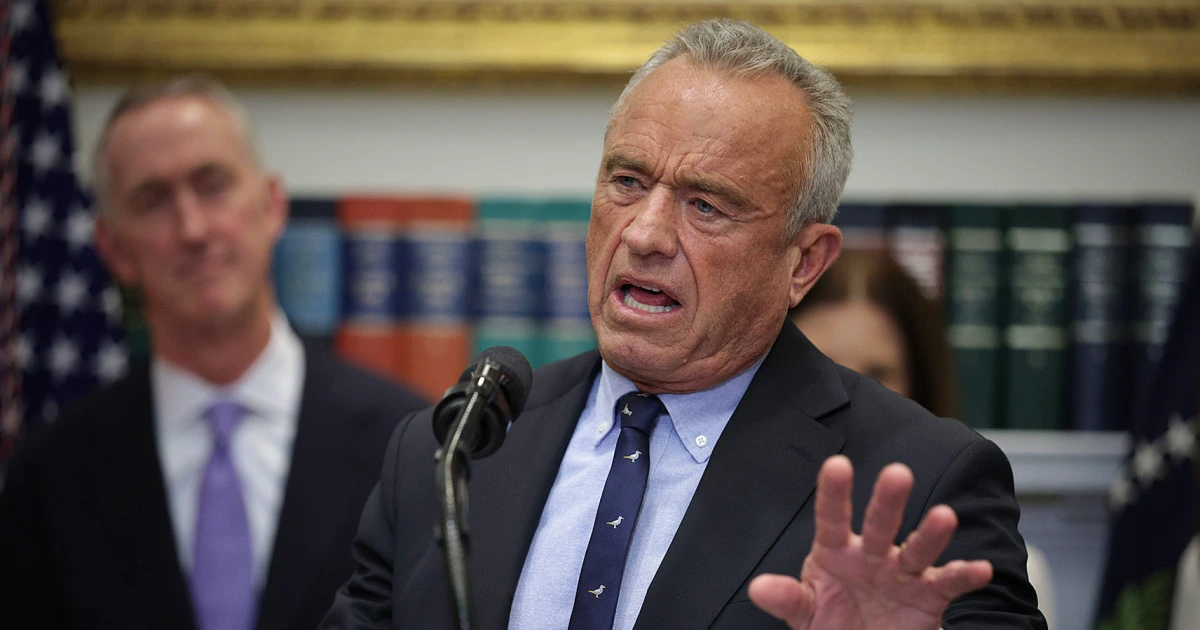
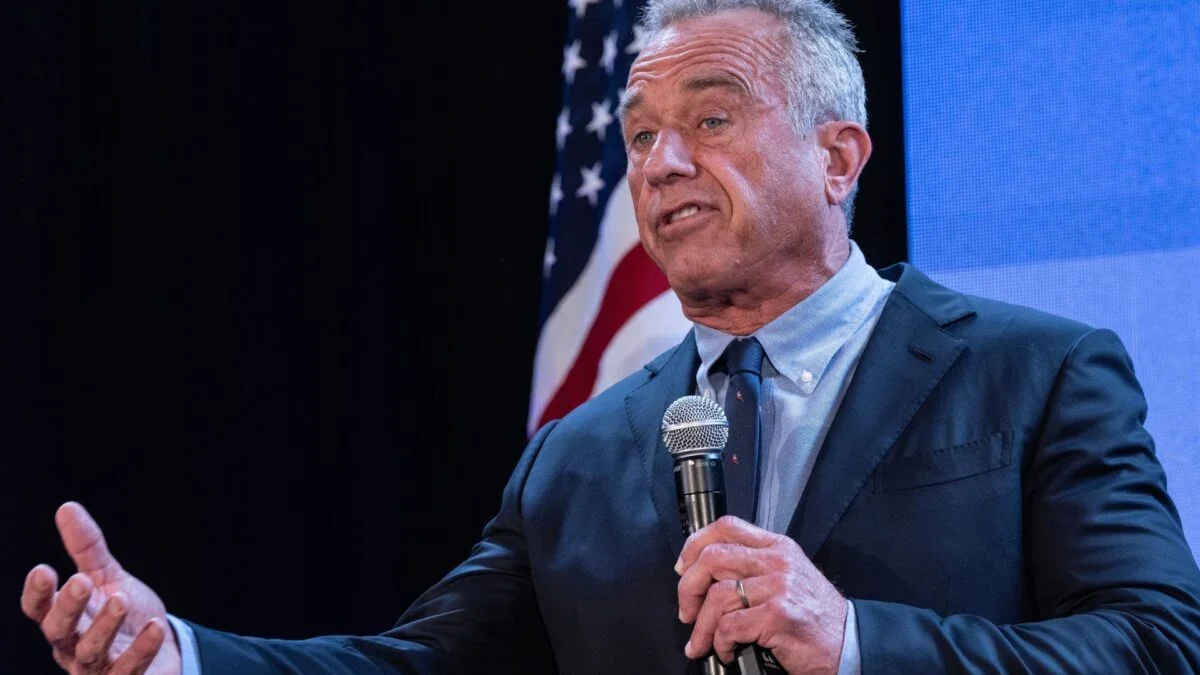
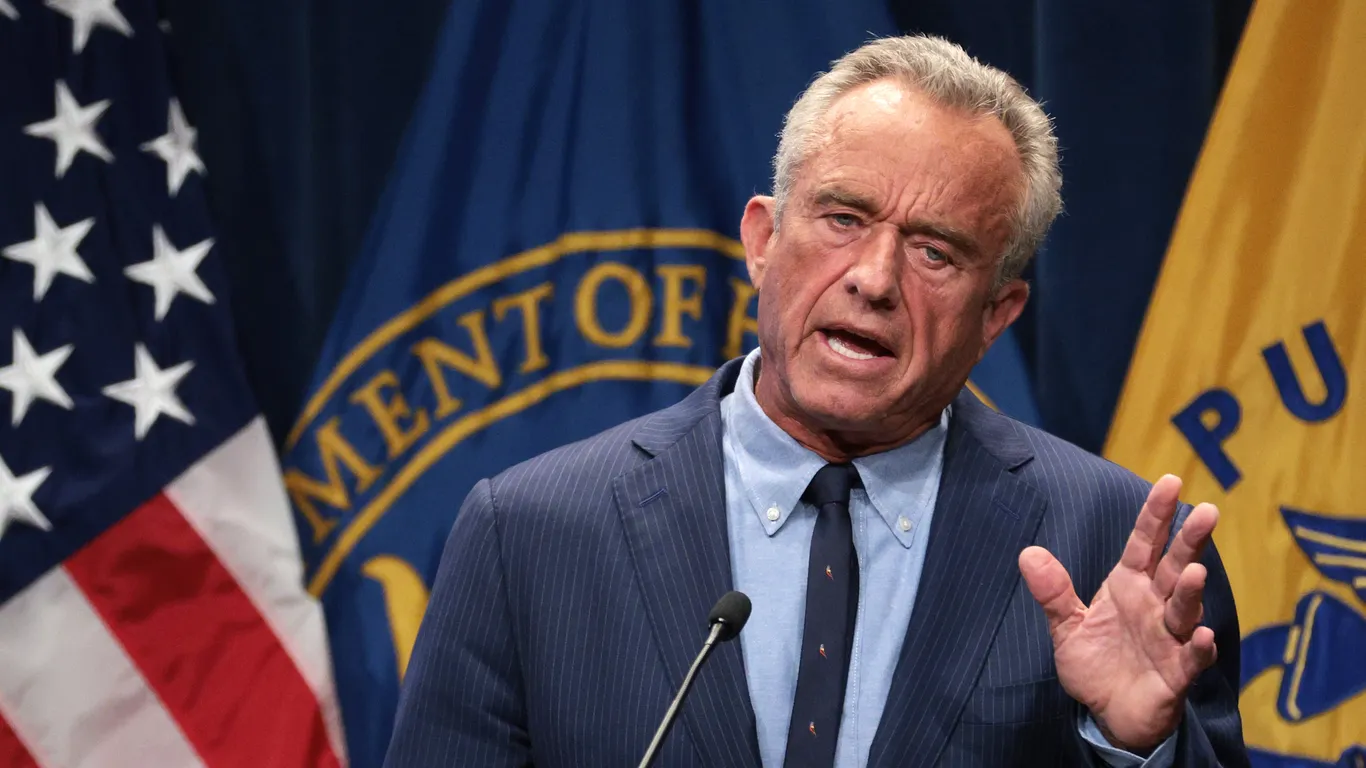
A Massachusetts judge blocked RFK Jr.'s overhaul of the childhood vaccine schedule, halting the shift from 18 to 11 diseases, delaying his ACIP appointments, and pausing votes as the AAP-led lawsuit challenges compliance with federal law; the ruling prompts an appeal and delays policy changes.
A sweeping shift in U.S. vaccine policy shows a growing split between federal guidance and state actions: the administration cut universal childhood vaccines from 17 to 11 and bypassed ACIP, while the AAP's expanded schedule (18 diseases) gains adoption by many governors; conflicts of interest around vaccine advisory processes, changes to the Vaccine Injury Compensation Program, and a wave of state bills on exemptions and mandates are reshaping how vaccines are recommended and required, all as measles and flu outbreaks continue — prompting public engagement and vigilance.
After years of near-total alignment, U.S. public health policy is splitting: the Department of Health and Human Services moved to cut vaccines on the CDC schedule from 17 diseases to 11 and reversed its COVID-19 vaccine guidance, while the American Academy of Pediatrics released its own guidelines urging continued routine immunization for 18 diseases (including Hepatitis A/B, flu, RSV, and COVID in high-risk groups). California backs the AAP line, and ongoing disputes over HPV dosing (AAP: start at 9–12 with two doses; CDC: 11–12 with one) and the long-standing MMRV combo shot reflect broader clashes. The AAP has even filed suit against HHS over Kennedy-era changes, and data interruptions at the CDC are adding to concerns about evidence-based vaccine policy.}} ,{
Seven major medical groups filed a federal lawsuit to overturn the CDC’s updated childhood vaccine schedule, arguing the revisions—narrowing vaccines for meningococcal disease, hepatitis B and hepatitis A and shifting flu, COVID-19 and rotavirus vaccines to shared decision‑making—were made without new safety data and could harm public health. They seek to restore the schedule to its 2025 level and halt ACIP meetings, accusing Kennedy‑appointed advisers of bias; HHS says the ACIP process is lawful and vaccines will still be covered by insurers. The suit is part of a broader challenge to COVID-19 vaccine guidance and reflects ongoing tensions over vaccine policy.
Six leading medical groups plan to sue to overturn the Kennedy-era reduction of the routine childhood vaccine schedule from 17 to 11 vaccines and to block a February vaccine-advisory meeting, arguing the changes lack scientific basis and threaten public health; the lawsuits echo ongoing disputes over vaccine policy and Covid vaccine access, while the removed vaccines remain available with provider approval and states enforce immunization requirements.
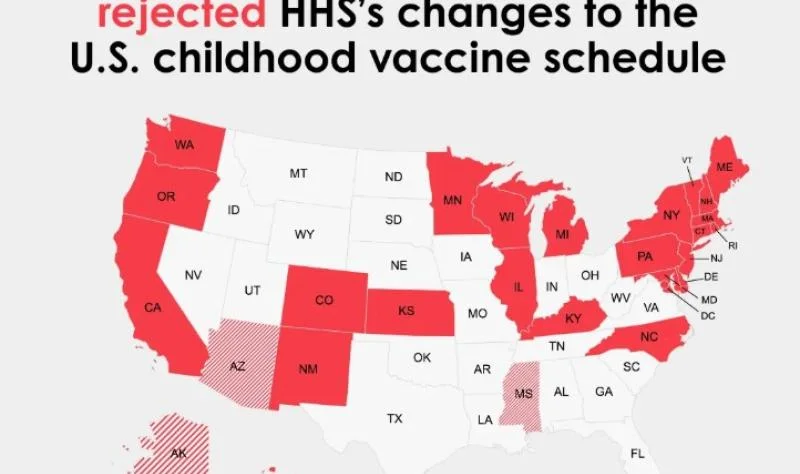
The CDC has revised the childhood vaccine schedule, reducing the number of recommended vaccines from 17 to 11 without new supporting science, amid political pressure to align with peer countries like Denmark, which has a more limited schedule and universal healthcare. Experts warn that this change could lead to increased illness in children, especially in the U.S. where healthcare and parental leave are less comprehensive, potentially resulting in more disease outbreaks and health disparities. Several states are rejecting the new guidelines, and there is concern that reduced vaccination could cause a rise in preventable illnesses like rotavirus, which has been largely eradicated in the U.S.
The US Department of Health and Human Services has revised the childhood vaccine schedule, recommending fewer vaccines and emphasizing shared decision-making for some, sparking debate among health officials, medical organizations, and parents about the safety, effectiveness, and implications of these changes.
The US has revised its childhood vaccine schedule, now recommending fewer vaccines for flu, hepatitis A and B, and RSV, aligning with peer countries, and bypassing the usual approval process, under Health Secretary Robert F. Kennedy Jr.'s initiatives.
The CDC has overhauled the childhood vaccine schedule to recommend fewer shots, aligning more closely with Denmark's approach, citing efforts to restore public trust post-pandemic, though experts criticize the lack of transparency and potential risks of reduced vaccination coverage.
RFK Jr. attempted to promote a reduced childhood vaccine schedule based on Denmark's model but canceled a planned press conference due to legal and political concerns, highlighting ongoing debates over vaccine policies in the U.S.
The US Department of Health and Human Services plans to revise the childhood vaccine schedule to recommend fewer shots, aligning more closely with Denmark's system, amid political and health debates about vaccine safety and efficacy, with some experts criticizing the move as superficial or ideologically driven.
RFK Jr.'s vaccine advisory board will review the U.S. childhood vaccination schedule, focusing on measles and Hepatitis B shots, which could influence vaccine recommendations, insurance coverage, and exemptions. The review comes after recent changes in the advisory panel and ongoing debates about vaccine safety and efficacy, especially concerning COVID vaccines and the role of medical organizations like the American Academy of Pediatrics.
A newly appointed federal advisory panel, under the influence of RFK Jr., plans to scrutinize the safety and timing of childhood vaccines, including revisiting long-settled questions, amid concerns about conflicts of interest and public trust in health institutions.
A newly appointed CDC vaccine advisory panel, with members appointed by Robert F. Kennedy Jr., plans to review and scrutinize the childhood vaccine schedule, raising concerns about potential changes to long-standing vaccine recommendations amid debates over vaccine safety and timing.