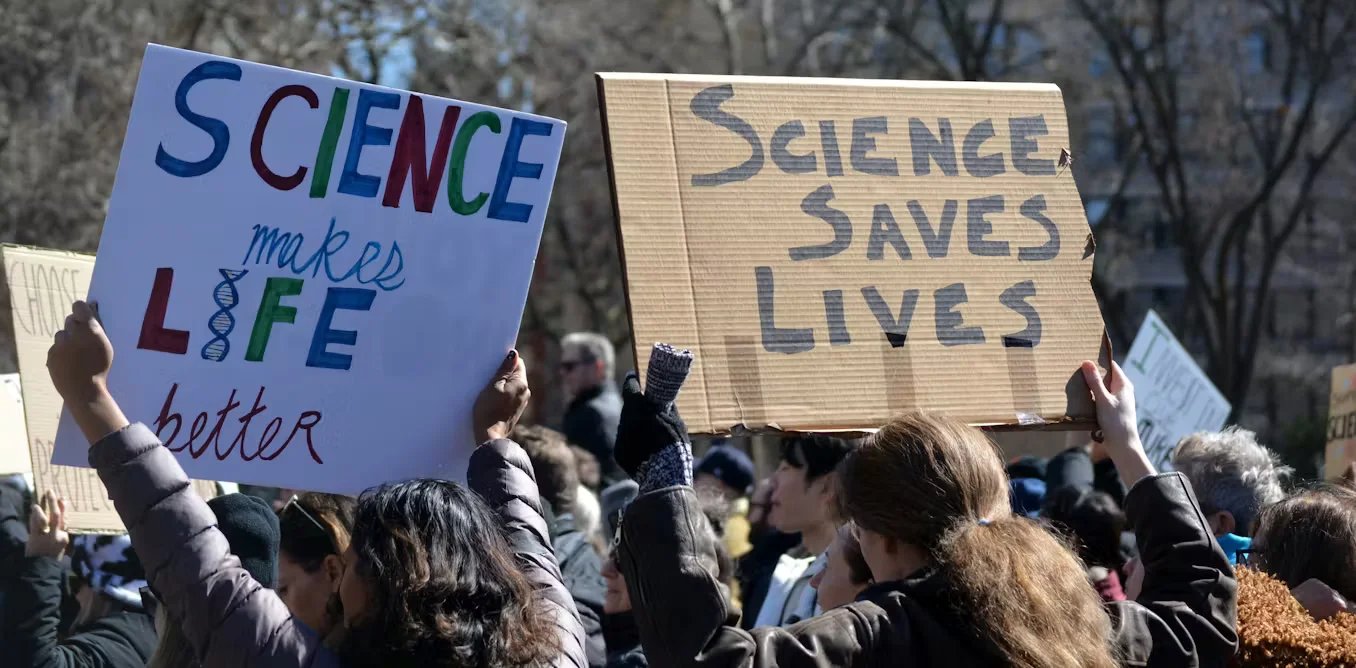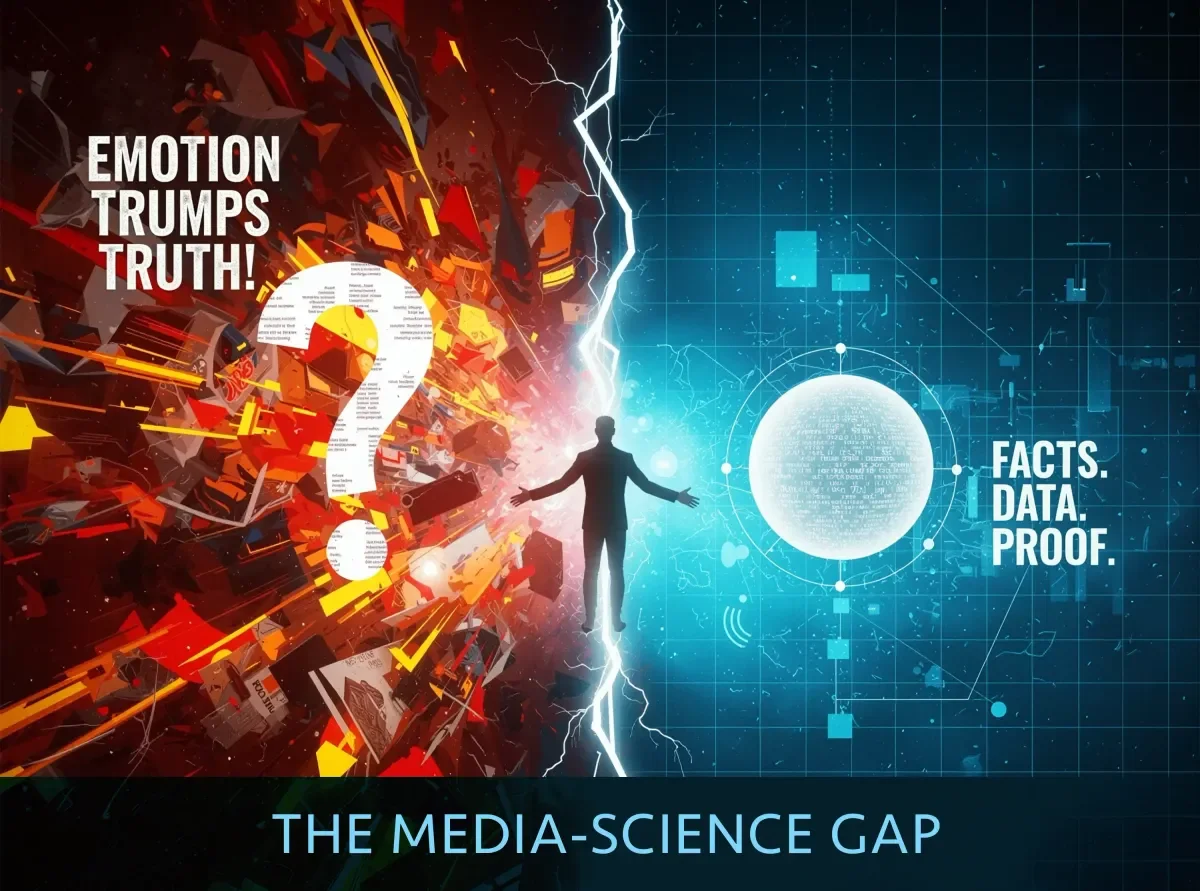
The article discusses how health journalism often distorts or oversimplifies scientific findings, leading to public mistrust and misinformation, especially highlighted by issues like vaccine skepticism and misleading studies, emphasizing the need for accurate, balanced science communication to restore trust.
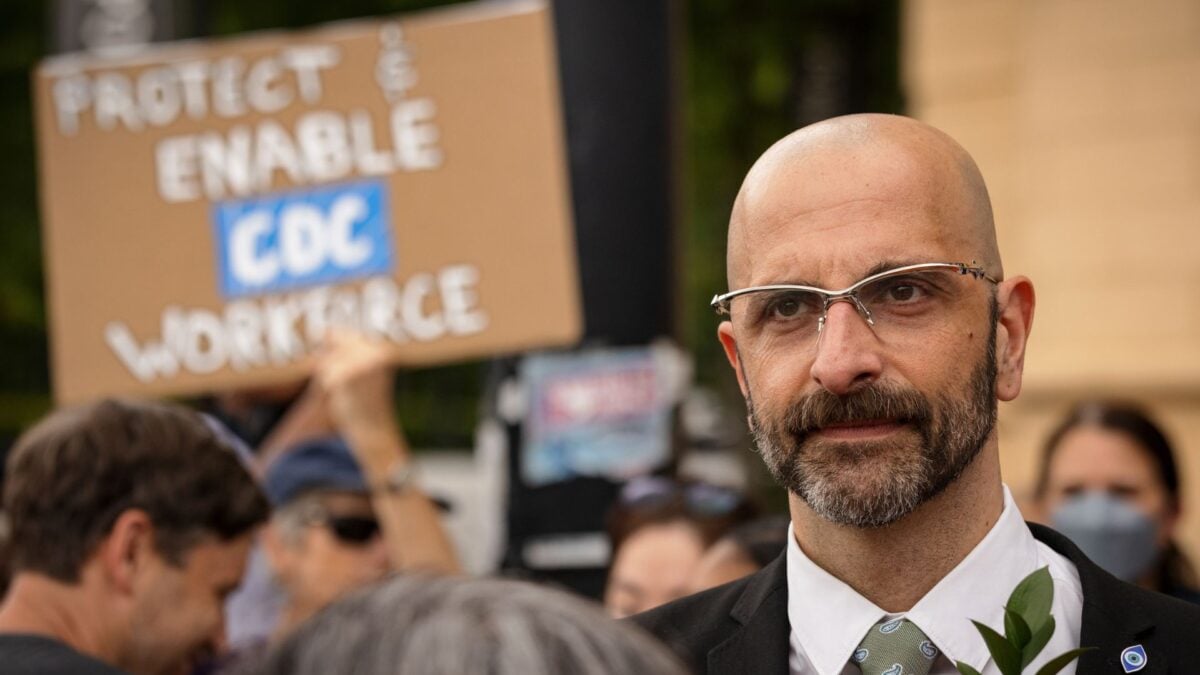
A former CDC official criticizes the organization’s decline under RFK Jr., citing staff layoffs, politicization, and misinformation, and suggests that the damage to public health infrastructure is irreparable, advocating for local and state-level efforts to rebuild.
The US has officially adopted updated Covid vaccine recommendations, expanding access to children over six months, but persistent delays, misinformation, and logistical issues have hindered distribution, especially affecting vulnerable populations and missing key vaccination windows for children.
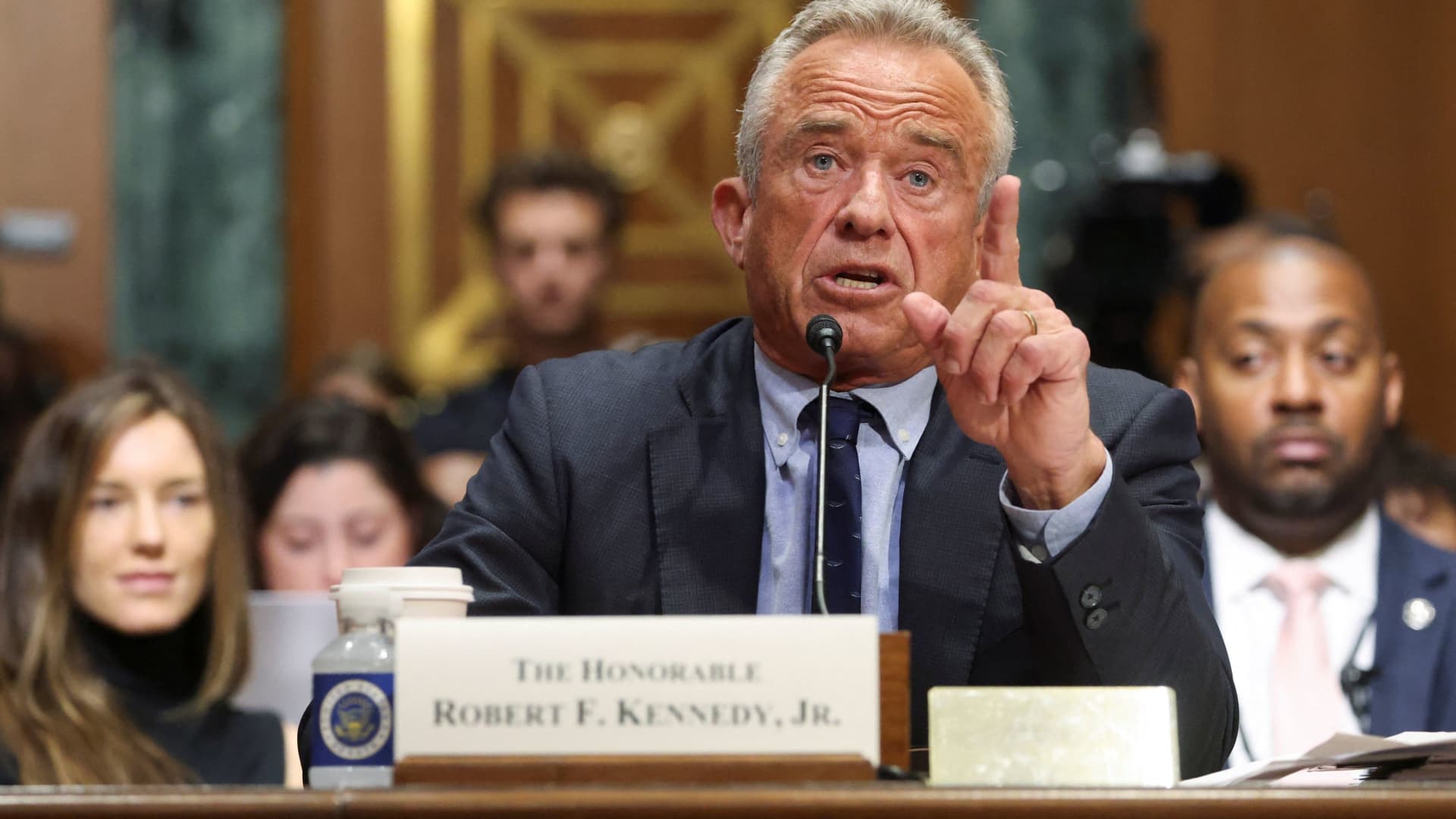
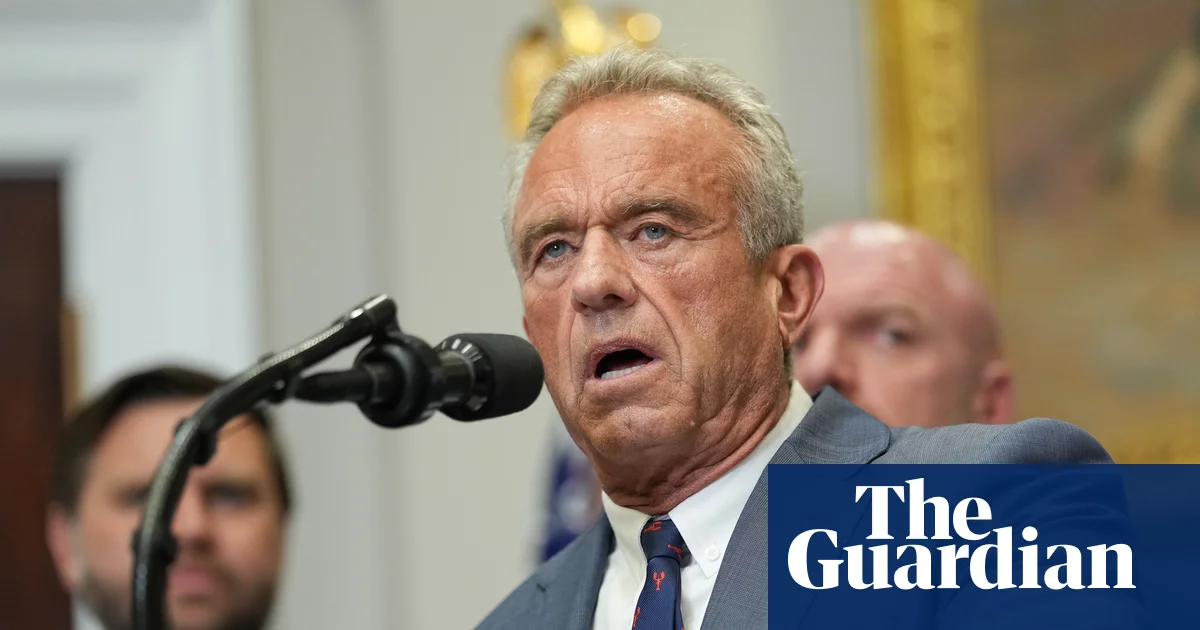
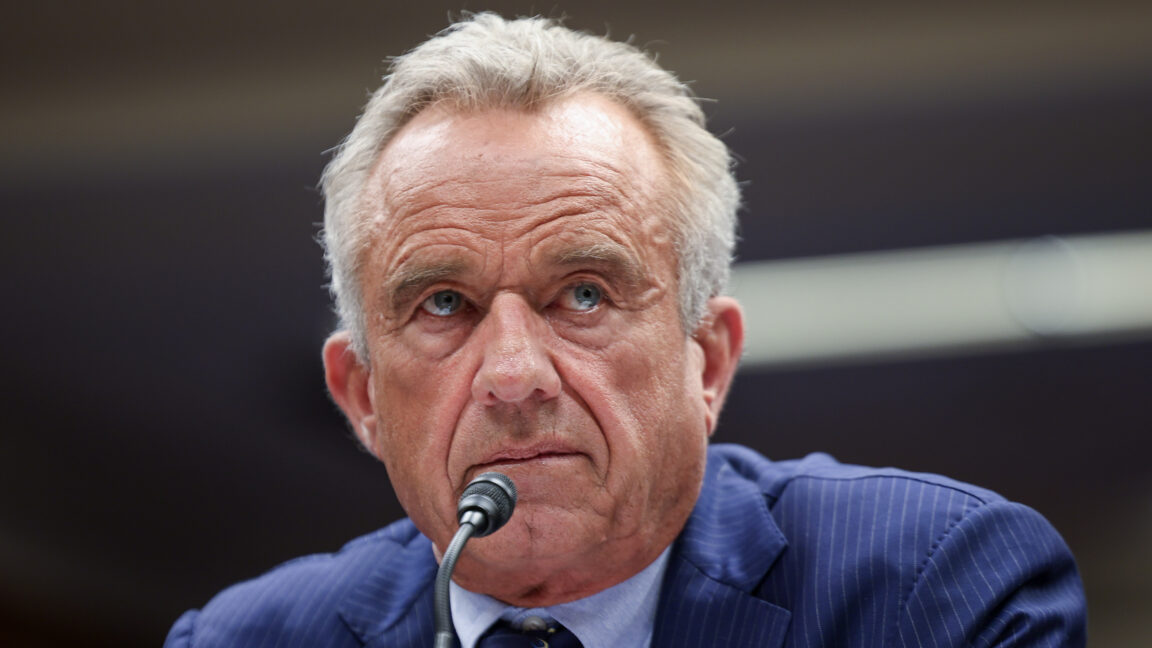
RFK Jr. testified before Congress, spreading false claims about vaccine safety, supporting controversial statements about mRNA vaccines, and criticizing recent changes in U.S. vaccine policy and CDC leadership, amid ongoing debates over vaccine safety and public health strategies.
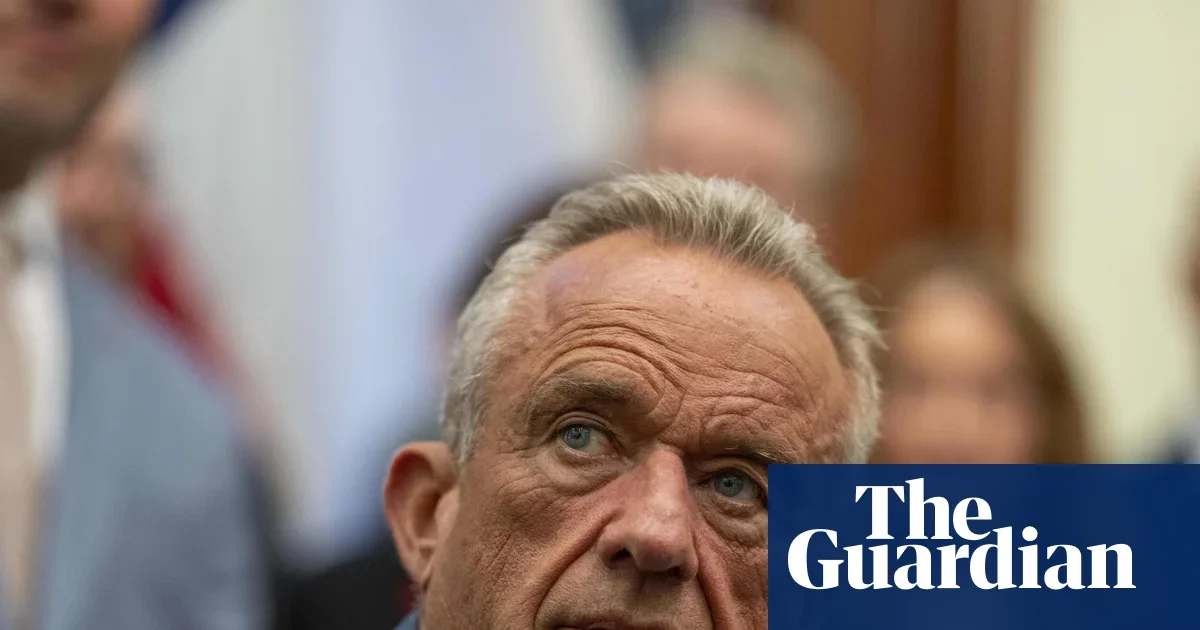
Over 1,000 current and former HHS workers have called for Robert F Kennedy Jr's resignation, criticizing his anti-vaccine stance and leadership, which they say endangers public health and causes turmoil within agencies like the CDC. The letter condemns Kennedy for promoting discredited theories, installing political ideologues, and undermining science-based health policies, amid ongoing controversy over vaccine mandates and agency leadership changes.
A new browser game called Bad Vaxx uses simulation and psychological inoculation techniques to help people identify and resist vaccine misinformation, potentially reducing its spread and improving public health outcomes.
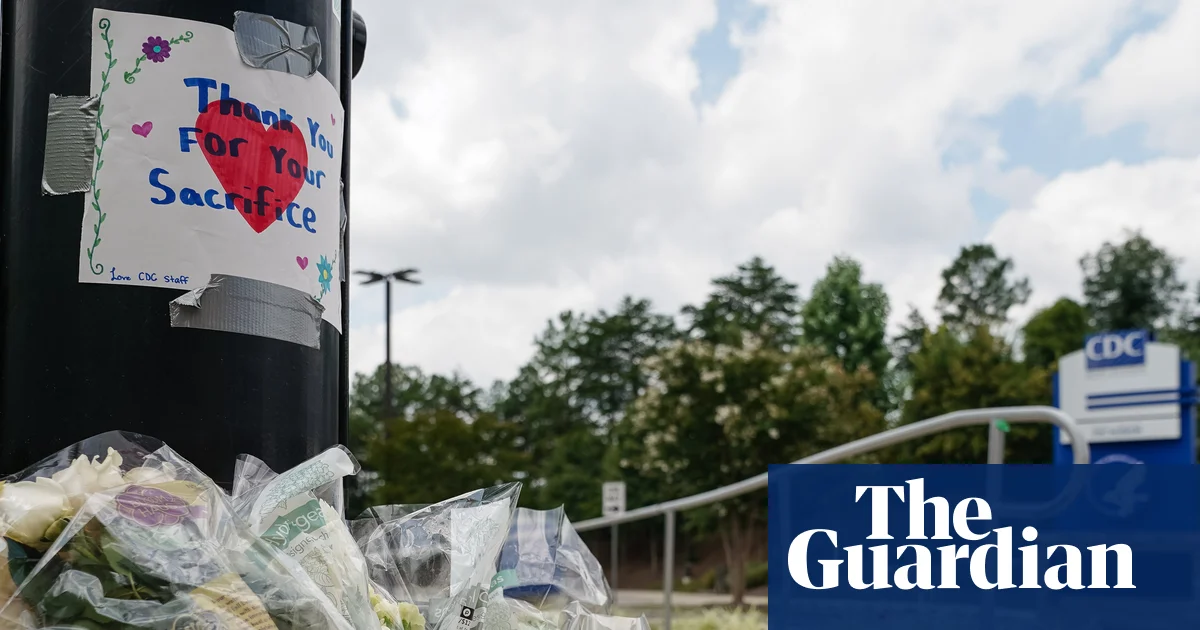
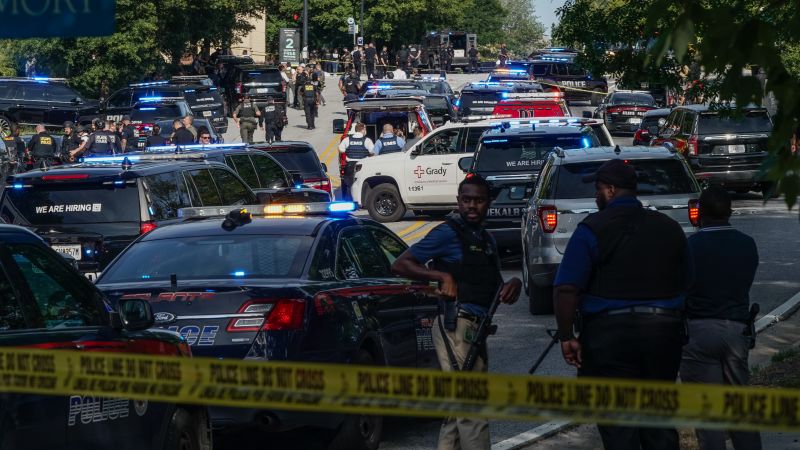
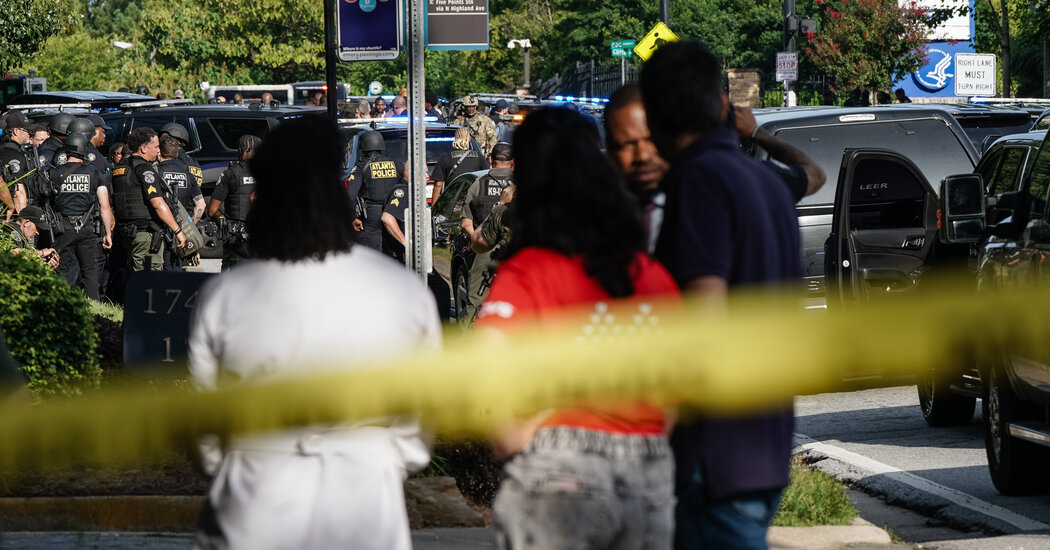
A man in Georgia, Patrick Joseph White, who was fixated on his distrust of COVID-19 vaccines and blamed them for his depression, opened fire outside the CDC headquarters in Atlanta, killing a police officer and injuring others. White, armed with multiple guns, was killed at the scene, and the incident is believed to be motivated by vaccine misinformation and hostility towards CDC staff. The event has raised concerns about the impact of vaccine misinformation on public safety and the safety of scientists.
A man targeting the CDC in Atlanta, driven by vaccine misinformation and personal distress, killed a police officer and died during the attack, prompting the CDC union to call for condemnation of vaccine disinformation to prevent future violence and ensure staff safety.
A gunman targeted CDC offices in Atlanta, firing over 40 bullets, possibly due to health concerns linked to COVID-19 vaccines, and was later killed by police; the attack follows ongoing vaccine misinformation and funding cuts to the CDC.
A gunman believing Covid-19 vaccines caused his illness opened fire at the C.D.C. headquarters in Atlanta, killing a police officer and injuring others, in what authorities suggest was a targeted attack fueled by vaccine misinformation and conspiracy theories.
The US plans to cut $500 million in mRNA vaccine research funding, raising concerns among scientists and global health experts about the potential setbacks in vaccine development and pandemic preparedness, especially as vaccine misinformation and political influences threaten public trust in health decisions.
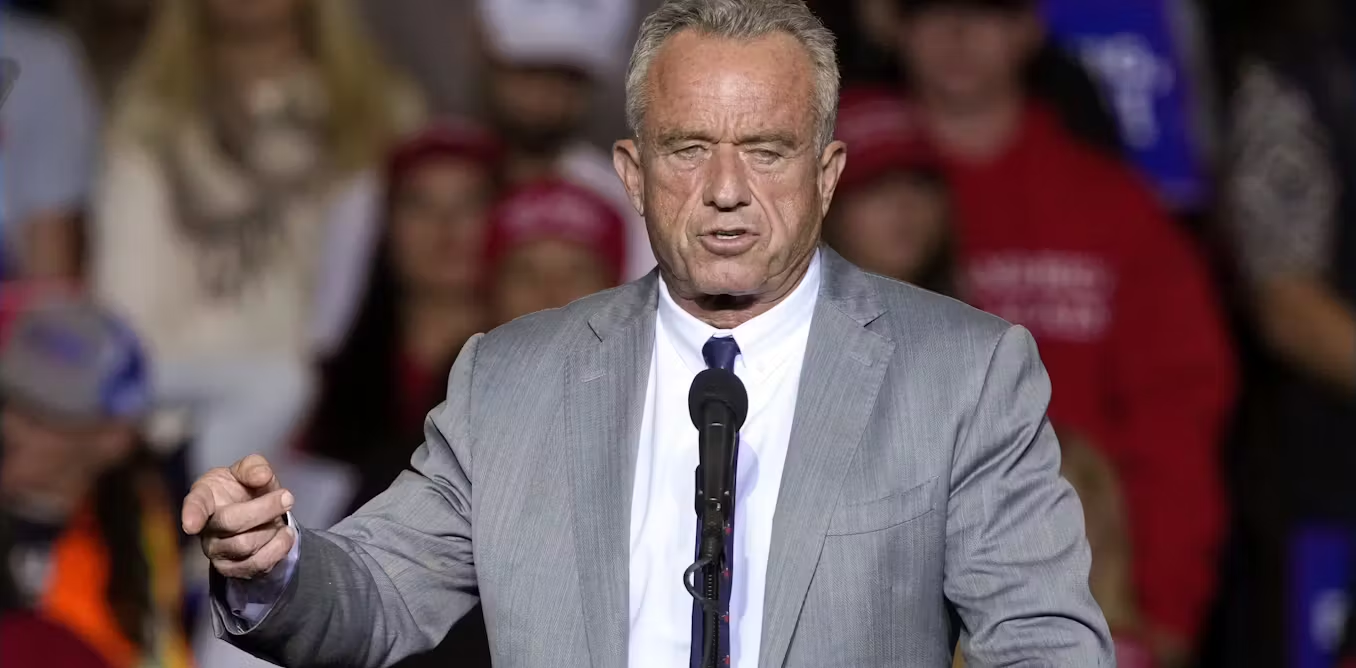
RFK Jr. publicly criticized mRNA COVID-19 vaccines, claiming they are ineffective against viruses due to antigenic shift, but his claims are scientifically inaccurate. Experts emphasize that mRNA vaccines have been crucial in saving lives and that the concepts of antigenic drift and shift are often misunderstood, with current evidence showing vaccines remain effective against evolving variants. The article criticizes Kennedy's rejection of mRNA technology, highlighting the potential risks of abandoning the most effective pandemic response tools.
RFK Jr. has replaced all members of the CDC's Advisory Committee on Immunization Practices with new members, some lacking vaccine expertise and spreading misinformation, signaling significant changes and concerns in U.S. vaccine policy.
Robert F. Kennedy Jr., a prominent anti-vaccine advocate, is expected to play a significant role in health policy under Donald Trump's administration, raising concerns about the potential spread of misinformation and its impact on public health. Kennedy's lack of scientific credentials and history of promoting conspiracy theories could undermine health agencies and lead to increased vaccine-preventable diseases. His influence may also have global repercussions, as seen in past incidents like the measles outbreak in Samoa. The appointment could challenge scientific consensus and regulatory standards, affecting both US and global health.
The resurgence of measles in the U.S. has raised concerns due to complacency about vaccines and growing misinformation. Measles is highly contagious and can lead to severe complications, including pneumonia and encephalitis. Despite the effectiveness and safety of measles vaccines, an increase in vaccine exemptions and distrust of scientists and doctors has contributed to the spread of the disease. Public health scientist Katelyn Jetelina emphasizes the importance of trusted messengers in combating vaccine misinformation and promoting vaccination to prevent further outbreaks.