The article discusses how to effectively block harmful UV rays from entering indoor spaces through windows using options like Low-E glass, window films, solar shades, and strategic architectural features, emphasizing the importance of protecting interior furnishings, reducing energy costs, and safeguarding health.
Brandon Blackstock's death at 48 from melanoma highlights the dangers of skin cancer, which is often caused by UV exposure. Melanoma is a deadly form of skin cancer that can spread, and prevention includes using sunscreen, wearing protective clothing, and regular skin checks. Early detection and treatment are crucial for better outcomes.
A Gold Coast woman, Paige, discovered an invasive malignant melanoma after seeking a second opinion on a mole that her initial doctor dismissed as harmless. This highlights the importance of vigilance and second opinions in skin cancer detection. Despite high awareness of UV dangers, many Australians neglect sun protection, especially on cloudy days, increasing their risk of skin cancer. Experts urge regular self-examinations and sun-safe practices, as UV levels can be harmful even without direct sunlight.
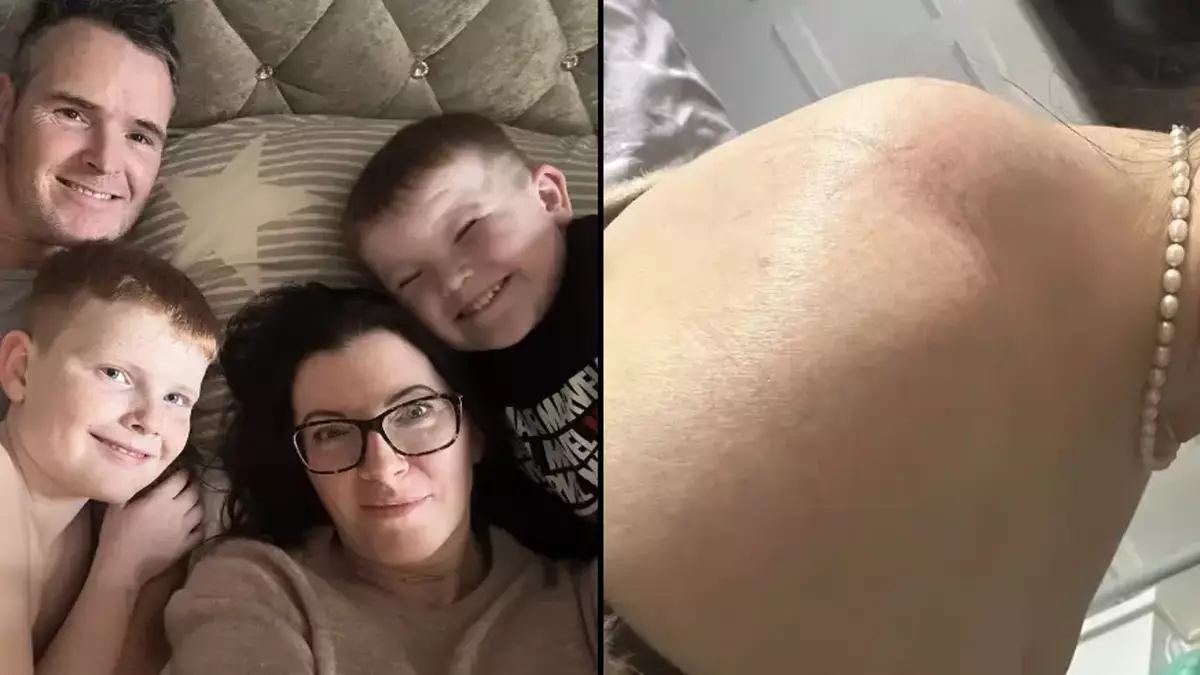
Claire Turner, a 43-year-old mother, initially thought she had a pulled muscle in her shoulder, but was later diagnosed with stage four melanoma, a form of skin cancer. After experiencing persistent pain and swelling, a biopsy revealed the cancer, which she believes may have been caused by sunbed use in her 20s. Turner is now raising awareness about the dangers of UV rays and the importance of early diagnosis, as melanoma cases are rising, particularly among those under 50. Despite the challenges, she remains positive and grateful for the support she has received.
Dermatologists emphasize that wearing sunscreen alone is not enough to protect against the sun's harmful UV rays. Sunscreen should be reapplied every two hours and is only fully effective for two hours after application. Additionally, physical barriers such as tightly woven clothing and wide-brimmed hats are recommended for added protection. US sunscreens may not be as effective against UVA rays, so using sunscreens from countries like France, the UK, and South Korea is advised. Tanning, even with sunscreen, can still damage the skin and increase the risk of skin cancer.
While rates of indoor tanning have been decreasing, many people still seek a tan outdoors. However, experts warn that tanning is not safe and can lead to skin cancer and premature aging. Both sunburns and tans are caused by exposure to ultraviolet (UV) rays, which can cause DNA mutations and increase the risk of cancer. Tanning also damages the skin by breaking down collagen and elastin, leading to wrinkles and brown spots. It is important to get enough vitamin D, but misconceptions exist about obtaining it through sun exposure. Sunscreen does not significantly impair the body's ability to make vitamin D, and those with darker skin or older adults may need to obtain it from other sources. To protect the skin from UV rays, use broad-spectrum sunscreen, apply it generously, and reapply regularly. Sun-protective clothing and accessories are also recommended.
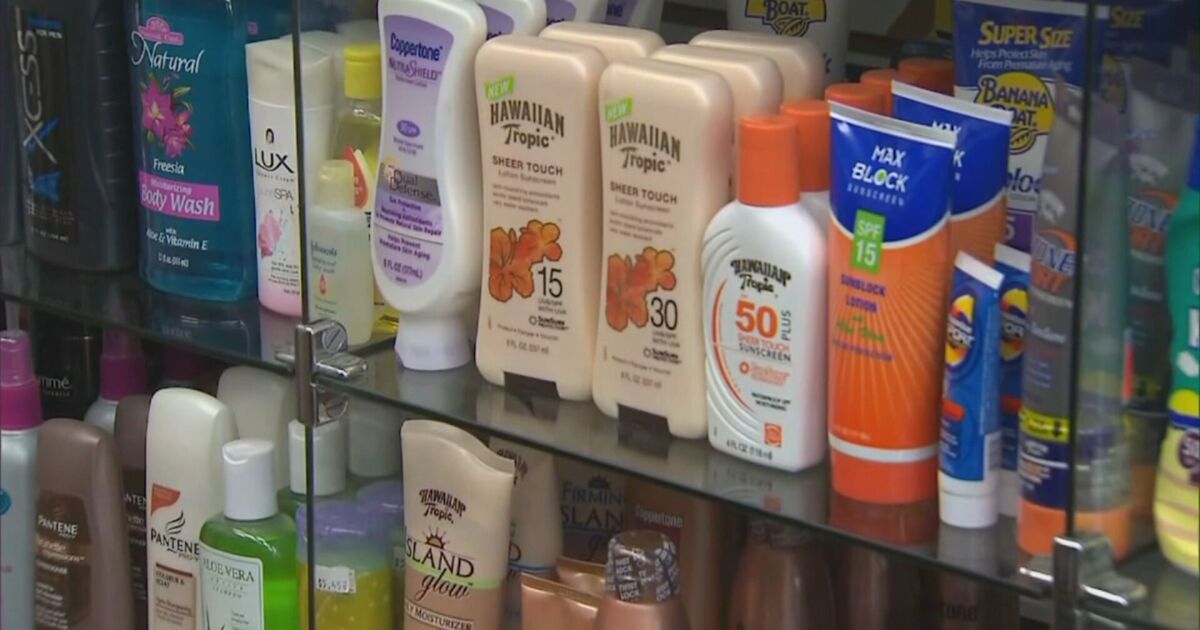
Skincare experts emphasize the importance of applying sunscreen correctly and frequently to protect against harmful UV rays. Reapply every two hours, especially when swimming or sweating, and use a minimum of SPF 15 for indoor exposure and SPF 30 or higher for extended outdoor exposure or fair skin. Allow sunscreen to dry for 15 to 30 minutes before sun exposure and apply enough to cover all exposed areas. Additionally, consider using wide-brimmed hats, protective clothing, and sunglasses with UV protection for added sun safety.
Sunscreen is not only effective in preventing sunburns and skin cancer, but it is also the best skincare product for slowing signs of aging caused by the sun's ultraviolet rays. UV rays damage the skin by causing DNA mutations, hyperpigmentation, and breakdown of collagen and elastin. By consistently using sunscreen, it may be possible to diminish the appearance of wrinkles over time and reduce skin aging. Sunscreen works by blocking UV rays from reaching and penetrating the skin, and it is important to choose a broad-spectrum sunscreen with SPF 50 or higher that is applied daily.
Wearing sunscreen can significantly reduce tanning but won't prevent it completely. When skin is exposed to excess sunlight, it produces more melanin to protect itself, resulting in a tan. Sunscreens work by either physically blocking or absorbing UV rays. Both types are effective, but physical sunscreens may be better for sensitive skin. Regardless of the type, it's important to choose a broad-spectrum sunscreen that protects against UVA and UVB rays. Tanning intentionally is not recommended due to the increased risk of skin cancer and premature aging. The safest way to tan is to use self-tanners.
Sunscreen is a non-negotiable part of daily skin care that can prevent skin cancer, wrinkles, pigmentation, and sunburn. There are two types of sunscreens: chemical and mineral. Mineral sunscreens work by creating a barrier on the skin that reflects UV rays, while chemical sunscreens get absorbed into the skin and repel UV rays. It's important to find a sunscreen that looks and feels nice on your skin and still protects you from UV rays. Experts recommend wearing sunscreen with SPF 30 or higher and reapplying every two to four hours if you're in the sun. Sunscreens in the European Union contain newer ingredients, but it's important to purchase from a reputable company and check if the FDA sent a warning letter to the company for not being safe or effective.
Wearing sunscreen indoors is recommended as UV rays can still penetrate glass windows and cause skin damage and premature aging. Opt for a sunscreen that’s at least SPF 30 and apply it to all areas of exposed skin including your neck and hands. Reapply every two hours and definitely re-apply sunscreen if you sweat, wash your face, or wipe your face for any reason.