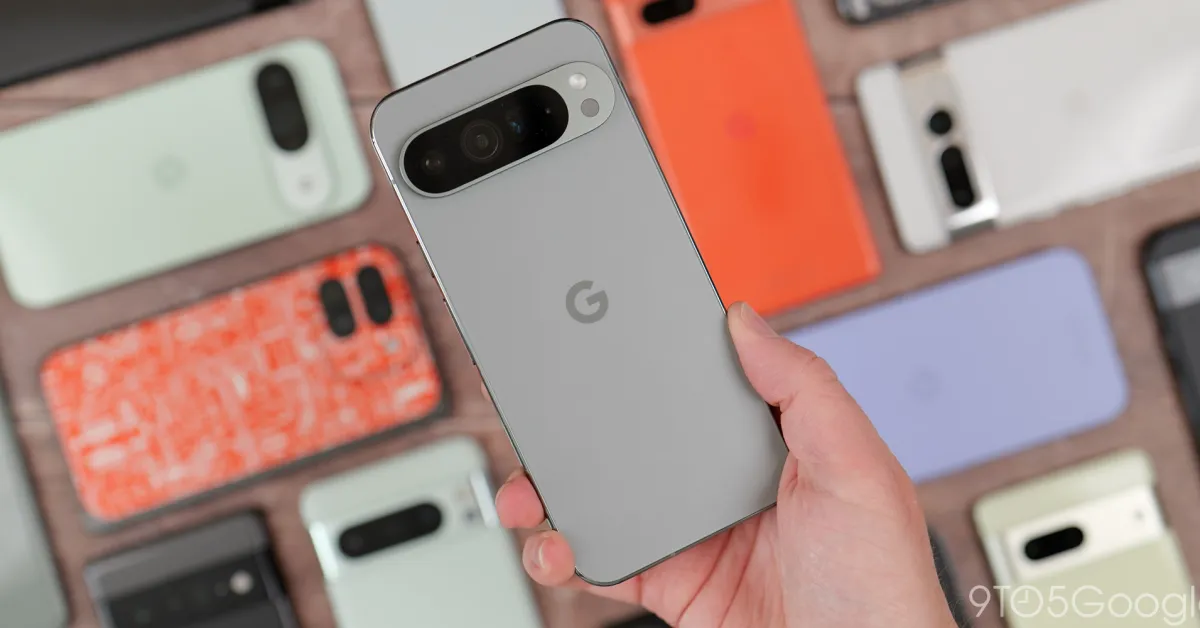
Google Pixel has secured the #4 spot in the US smartphone market with a 3% share in Q2 2025, shipping around 800,000 units, showing a 13% YoY growth, as it prepares to launch the Pixel 10. Despite growth slowing, Pixel's position is strengthening ahead of the new series, while market leaders like Apple and Samsung continue to dominate.
In Q3 2024, Lenovo, including Motorola, gained ground in the US smartphone market, increasing its shipment share to 14%, while Samsung and Apple saw declines. Motorola's 21% year-on-year growth was driven by the Moto G Play 2024's prepaid success. Samsung's shipment share was 23%, affected by the early release of the Galaxy Z series, while Apple led with 53%. Google's share also rose by 19% due to the early launch of the Pixel 9 series.
US smartphone shipments declined in Q3 2023, with Samsung, Google, and TCL experiencing steep declines. Apple also saw a decline, while Motorola and Nokia HMD were the only winners with increased shipments. Consumer demand for smartphones remains low due to improved durability, marginal upgrades, and an uncertain macroeconomic environment. The market is expected to bounce back in Q4 due to holiday shopping, but overall demand is expected to remain lower compared to last year.
According to a study by CIRP, Apple's market share of smartphones in the US is currently at 39%, up 2% from last year. However, other reports have suggested that Apple's market share could be as high as 55%. The true market share is likely somewhere in between these numbers.
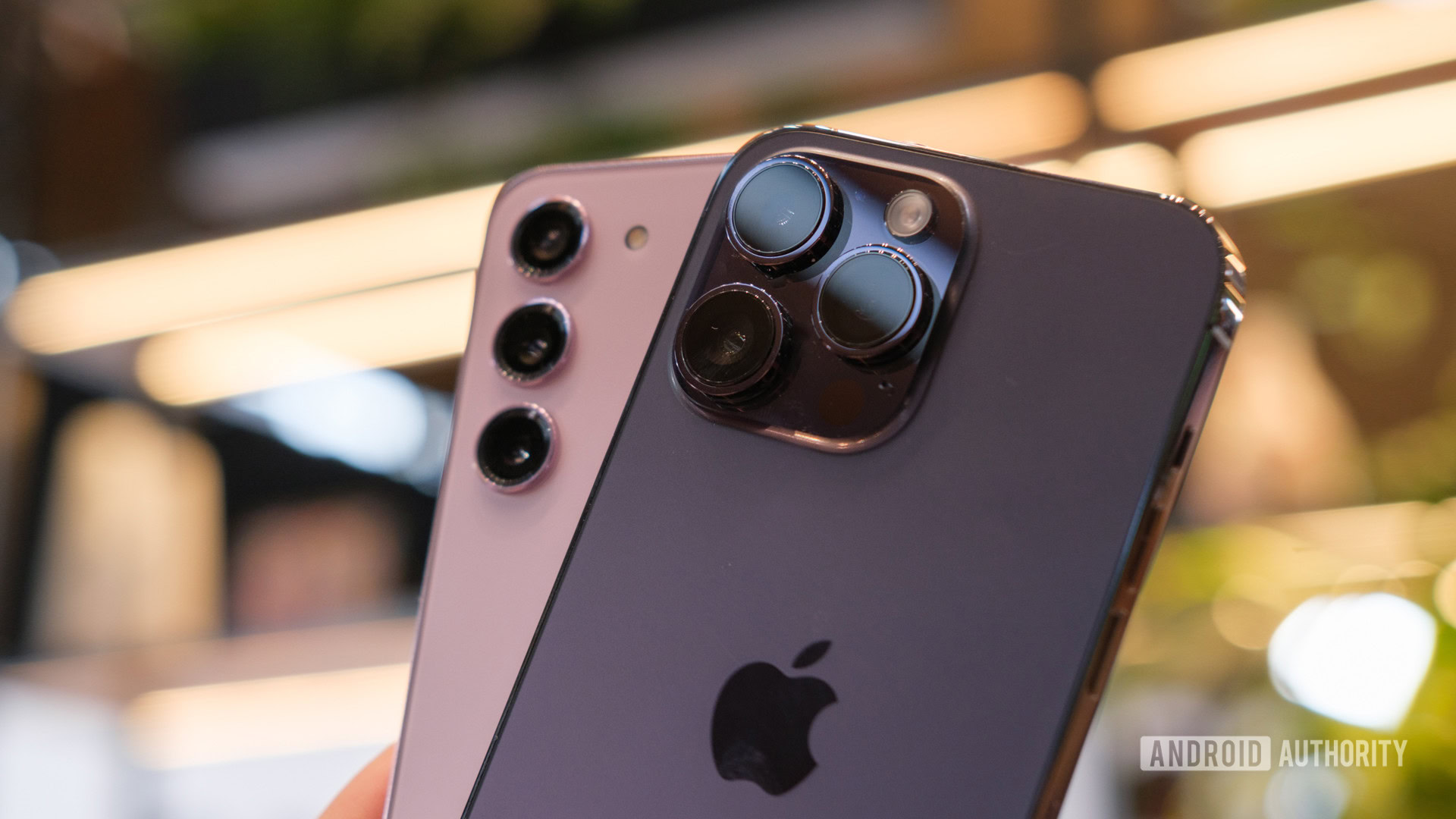
Apple's dominance in the US smartphone market continues to grow, with the iPhone accounting for 55% of the market in Q2 2023. Android OEMs are facing challenges in the US due to Apple's status as a symbol of elitism and the perception that Android is inferior. Apple's iMessage, which poorly handles communication with Android users, has contributed to this perception. However, the European Union's crackdown on Apple may provide a lifeline for Android. Mandates for interoperability and a common charging standard, as well as a closer look at Apple's restrictive NFC policies, could level the playing field and make it easier for users to switch between Android and iOS in the future.