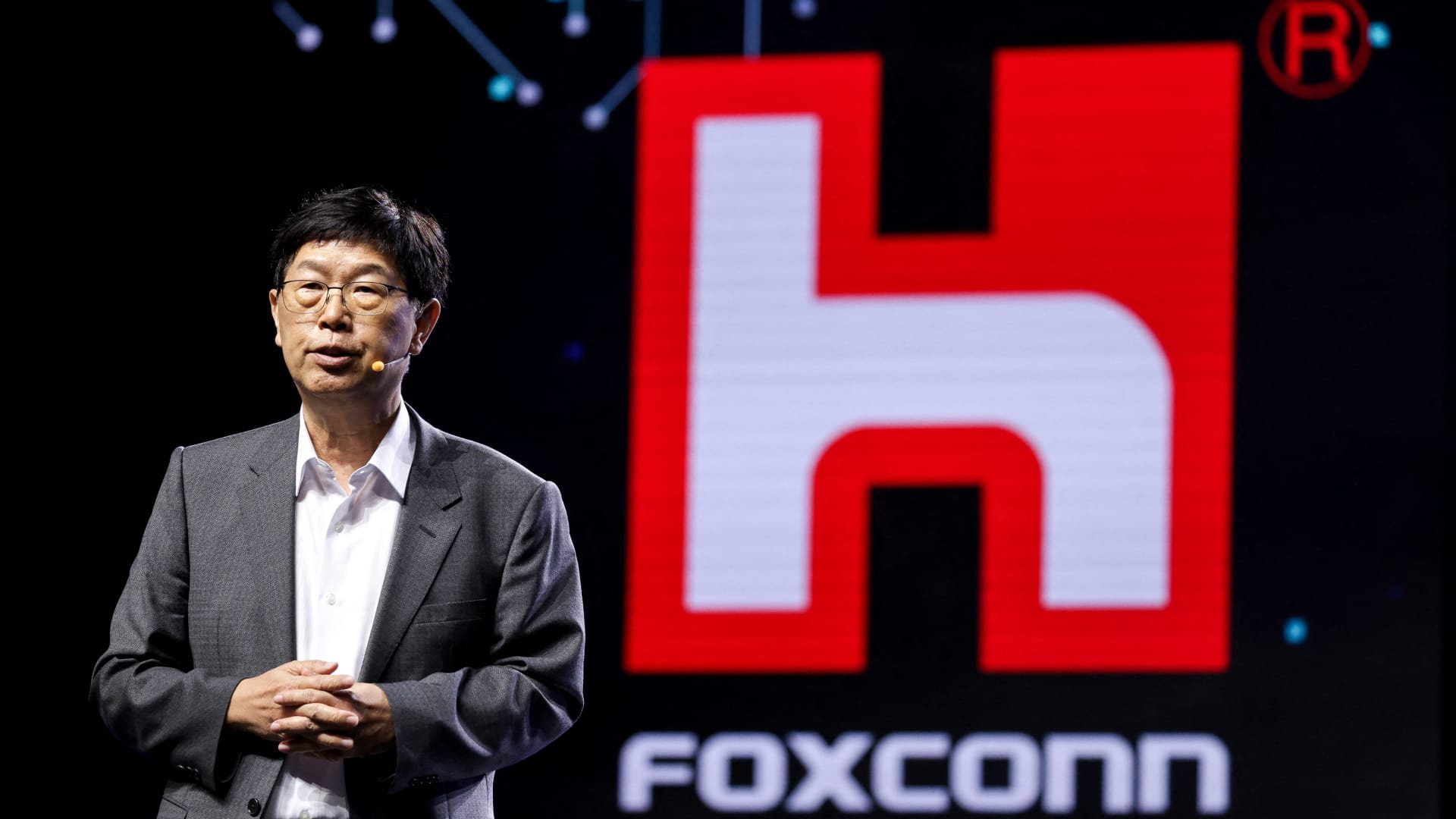
Foxconn reported a 17% increase in third-quarter profit driven by growth in its AI server business and partnerships with Nvidia, despite global economic uncertainties, and expects continued growth in the second half of the year.
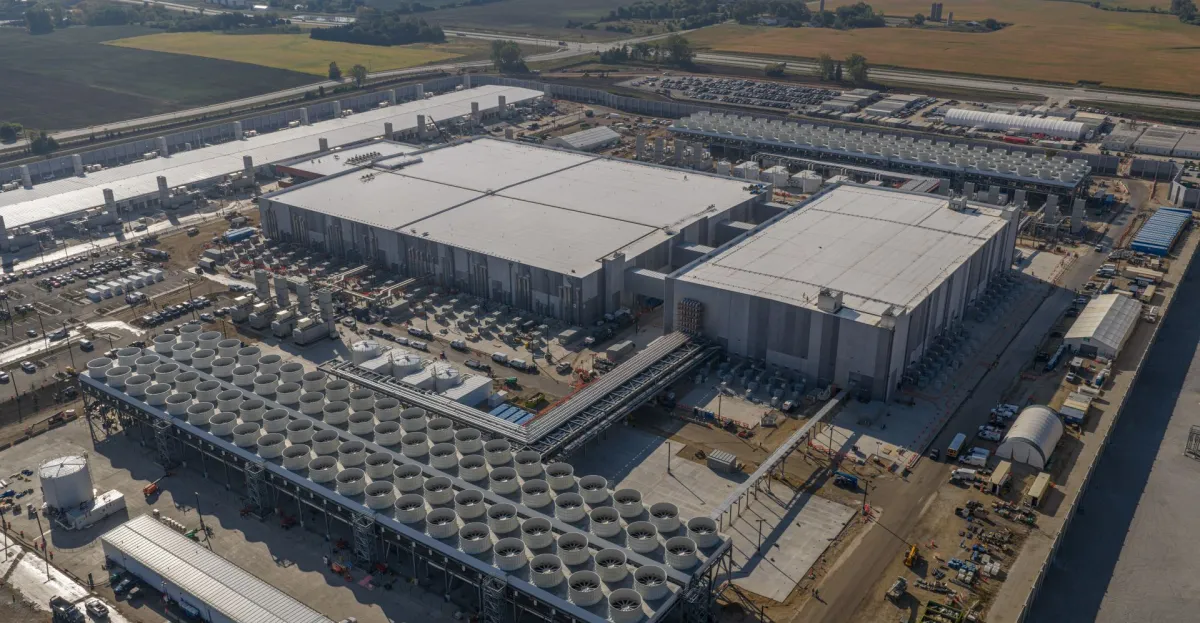
Microsoft is transforming Foxconn's former factory site in Wisconsin into the world's most powerful AI data center, featuring hundreds of thousands of Nvidia GPUs and a focus on environmental sustainability, with operations starting in early 2026.
SoftBank has acquired Foxconn's Ohio plant to manufacture AI hardware as part of its ambitious $500 billion Stargate project, aiming to expand its presence in AI technology manufacturing.
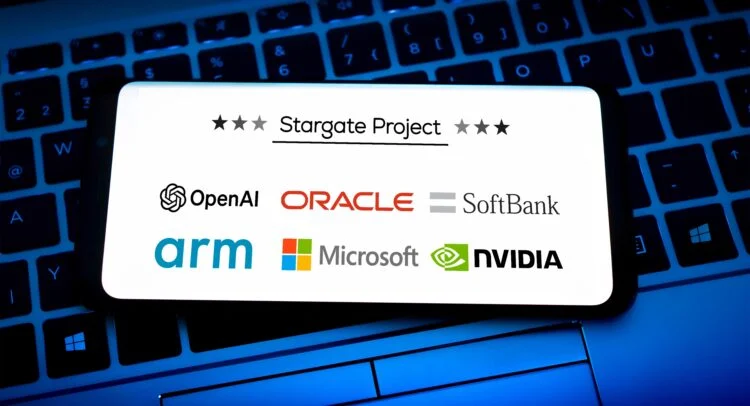
SoftBank is acquiring and operating a Foxconn-owned plant in Ohio to serve as a manufacturing site for its Stargate AI venture, which aims to develop AI data centers in partnership with companies like OpenAI and Oracle, despite recent delays and economic challenges.
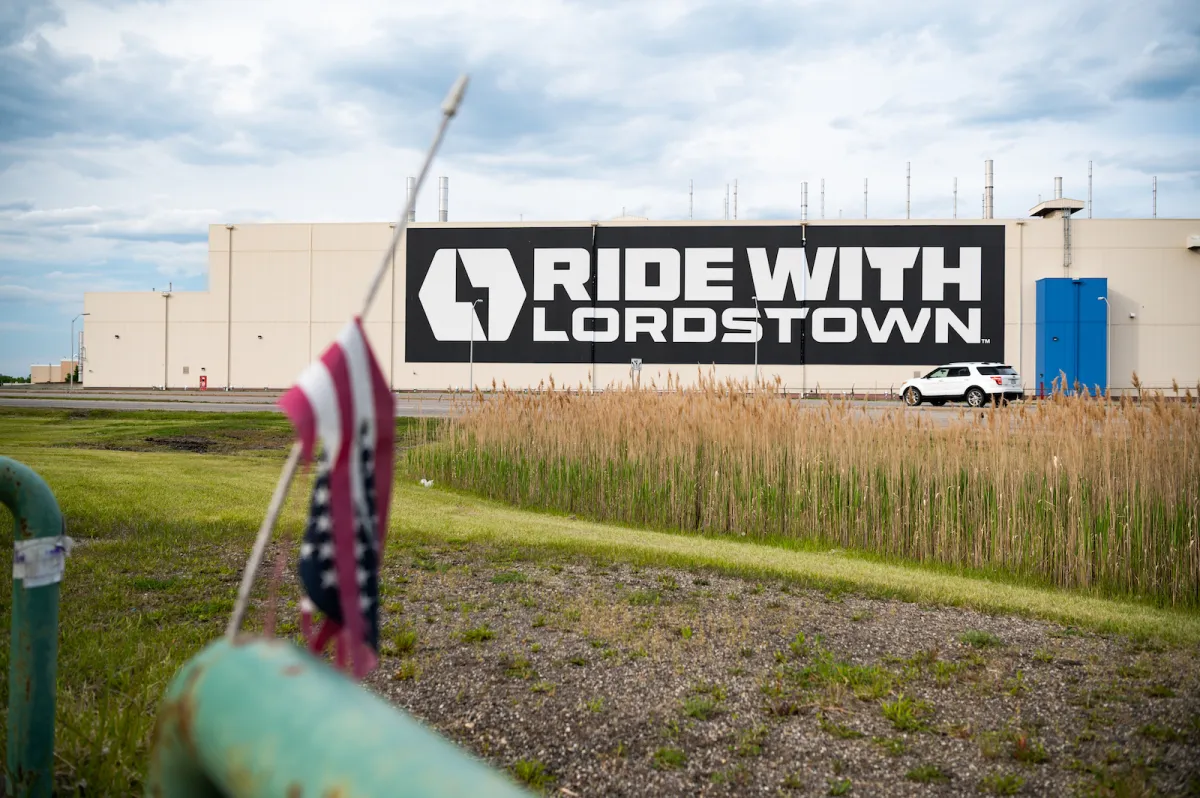
Foxconn sold its former GM EV factory for $88 million to an anonymous buyer after failing to establish large-scale EV production, marking a setback in its U.S. manufacturing ambitions. The company plans to remain involved in manufacturing at the site, possibly shifting focus to AI servers, following the bankruptcy of several EV startups it partnered with.
Foxconn announced it will sell its Lordstown manufacturing facility for $88 million but will continue to occupy and operate the plant, aiming to enhance operational flexibility and future growth, with plans to reinvest proceeds into its U.S. business segments.
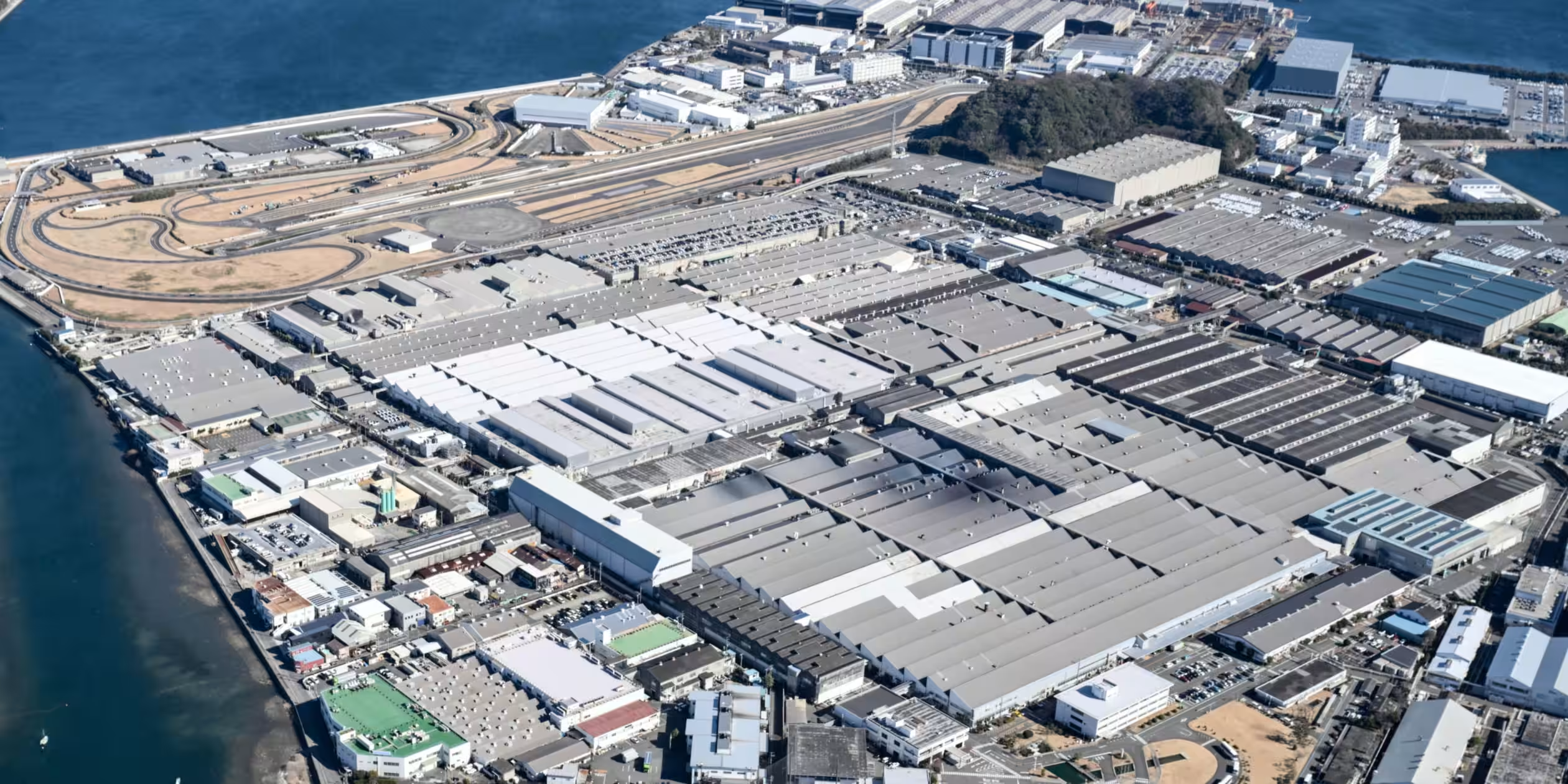
Nissan is in talks with Foxconn to collaborate on electric vehicle production at Nissan's Oppama plant in Japan, potentially helping to prevent its closure amid Nissan's restructuring plans.
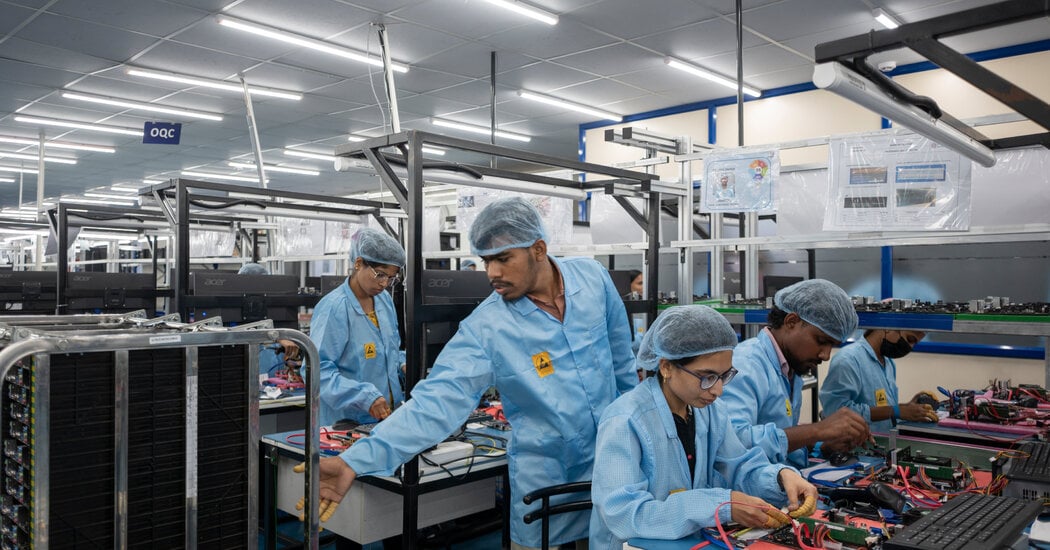
India is rapidly expanding its high-end manufacturing sector, notably with Foxconn's new $2.5 billion iPhone plant near Bengaluru, aiming to produce up to 30% of iPhones domestically by 2025. This development aligns with India's broader 'Make in India' initiative to create jobs and reduce reliance on Chinese manufacturing, though it still imports key components. The growth of manufacturing in India is transforming local economies, attracting global firms, and providing new employment opportunities, but challenges remain in developing a fully self-sufficient supply chain.
Apple is set to begin production of its foldable iPhone in late 2025 or early 2026, featuring a crease-free display possibly developed with Samsung, a durable hinge, and a 7.8-inch inner screen. However, key specifications like the display and hinge are still being finalized, and mass production is expected to start in the latter half of 2026.
Apple's deep integration with China, driven by strategic manufacturing partnerships like Foxconn, has significantly contributed to China's rise as a manufacturing powerhouse, transforming its workforce and industrial capabilities, while raising questions about the future of American manufacturing, national security, and technological innovation.
Apple's upcoming iPhone 17 Air has entered the new product introduction phase at Foxconn, moving from concept to mass production. The model is expected to replace the Plus version, featuring a slimmer design and a custom 5G modem chip. It will have a display size between the iPhone 17 Pro and Pro Max, and a centered rear camera with a 48-megapixel lens. The iPhone 17 Air is set to launch next year alongside other iPhone 17 models.
Recent financial reports from Foxconn Technology suggest that mass production of the Nintendo Switch 2 is underway, with units potentially ready to ship. Foxconn, a key assembler for Nintendo, reported a significant revenue increase in November, likely linked to the assembly of the new console. This has fueled speculation that the Switch 2 could be released sooner than expected, although no official confirmation has been made by Nintendo or Foxconn.
Apple plans to upgrade its Apple Intelligence servers to M4 chips next year, following the current use of M2 Ultra chips. The company has engaged Foxconn for additional server production in Taiwan. It remains unclear whether the servers will use the standard M4 chip or a higher-end variant. This move aligns with Apple's broader strategy of integrating M4 chips across its product lineup, including upcoming iOS 18.2 features that enhance Apple Intelligence capabilities.
Apple has approached Foxconn to produce AI servers in Taiwan, aiming to enhance its computing capabilities and capitalize on the growing generative AI market. While Foxconn is a major supplier for Apple's iPhones and Nvidia's AI servers, its capacity to accommodate Apple's server needs may be constrained.