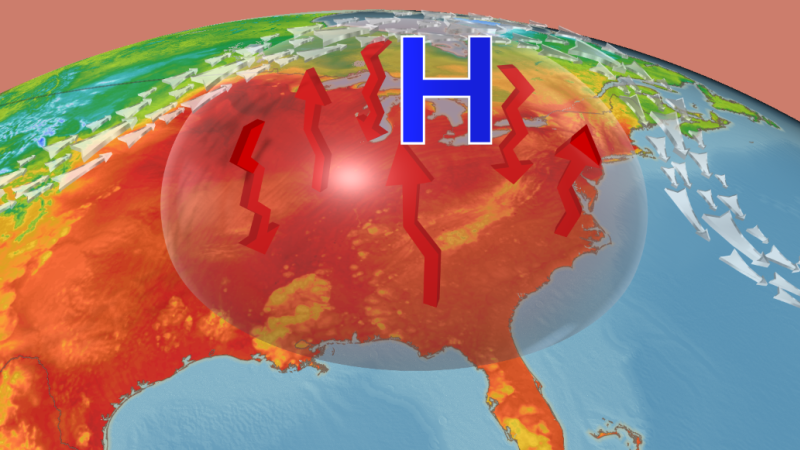
A dangerous heat dome is building over the eastern US, bringing record-breaking temperatures into the 90s and potentially as hot as 110°F with high humidity, affecting millions and increasing health risks, especially during the upcoming week.
Millions across the central and eastern US are experiencing their first major heat dome of the summer, with temperatures soaring above 100°F and little relief expected until next weekend, raising health concerns and highlighting the increasing frequency of extreme heat events linked to climate change.
A prolonged heatwave in the US has resulted in an increase in severe burns, with patients being injured after coming into contact with hot surfaces or objects. Medics in Arizona have reported cases of individuals falling onto heated asphalt, leading to burns. The city of Phoenix has experienced a record-breaking 24 consecutive days of temperatures above 110F (43C), prompting officials to warn people about the dangers of ground temperatures reaching near-boiling levels. The Arizona Burn Centre is currently treating a high number of patients, including elderly individuals, children, and drug users who are often dehydrated and faint on sidewalks. The centre is also providing treatment for over 150 patients who have sustained burns from touching hot surfaces. The Heat Relief Network in Arizona's Maricopa County has set up cooling and hydration sites to help those without shelter during the heatwave.
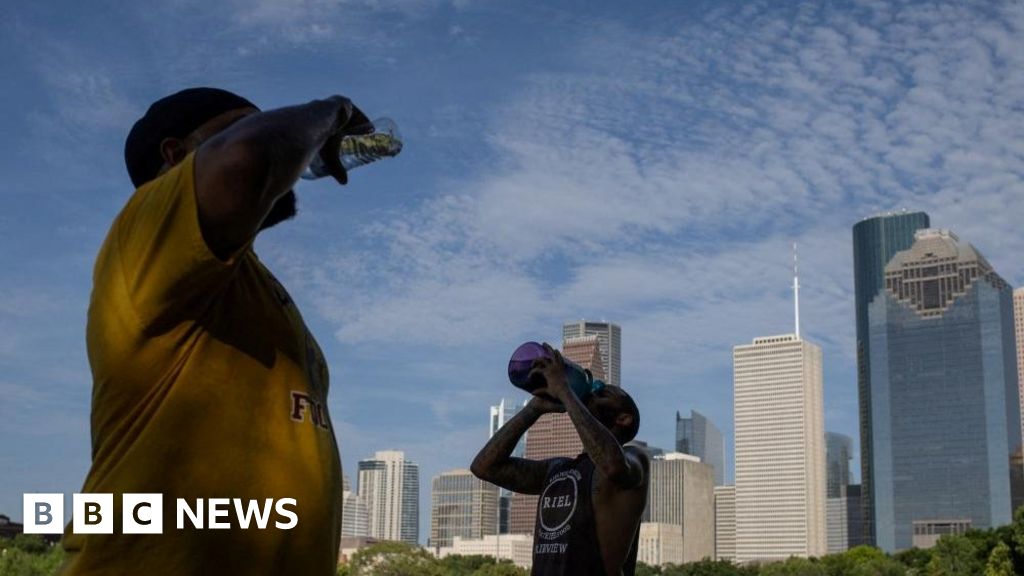
A blistering heatwave is set to intensify across the US, with heat advisories affecting at least 113 million Americans. Air conditioner use in Texas has surpassed records as people try to stay cool, and around 27 million people are expected to experience temperatures over 110F (43C) in the coming days. The National Weather Service warns that this heatwave is one of the strongest systems of its kind ever seen in the region and is not showing signs of letting up. Hospitals are seeing an increase in heat-related admissions, and demand for power in Texas has surpassed record numbers. The heatwave is expected to persist until next week.