Oil prices rose over 2% after the US Congress passed a debt ceiling deal and jobs data showed a possible pause in interest rate hikes. Attention has now turned to the OPEC+ meeting on June 4, with traders uncertain if the group will announce further output cuts. Manufacturing data from China, the world's second biggest oil consumer, painted a mixed picture, while early heatwaves in the country are putting power grids under strain.
Oil prices rose after a US debt ceiling deal averted a default, and attention turned to the OPEC meeting. The Federal Reserve's potential pause in rate hikes also supported oil prices by weighing on the US dollar. The OPEC+ meeting is expected to discuss further output cuts, but signals have been varied. Manufacturing PMI data from the US and China indicated a contraction in activity.
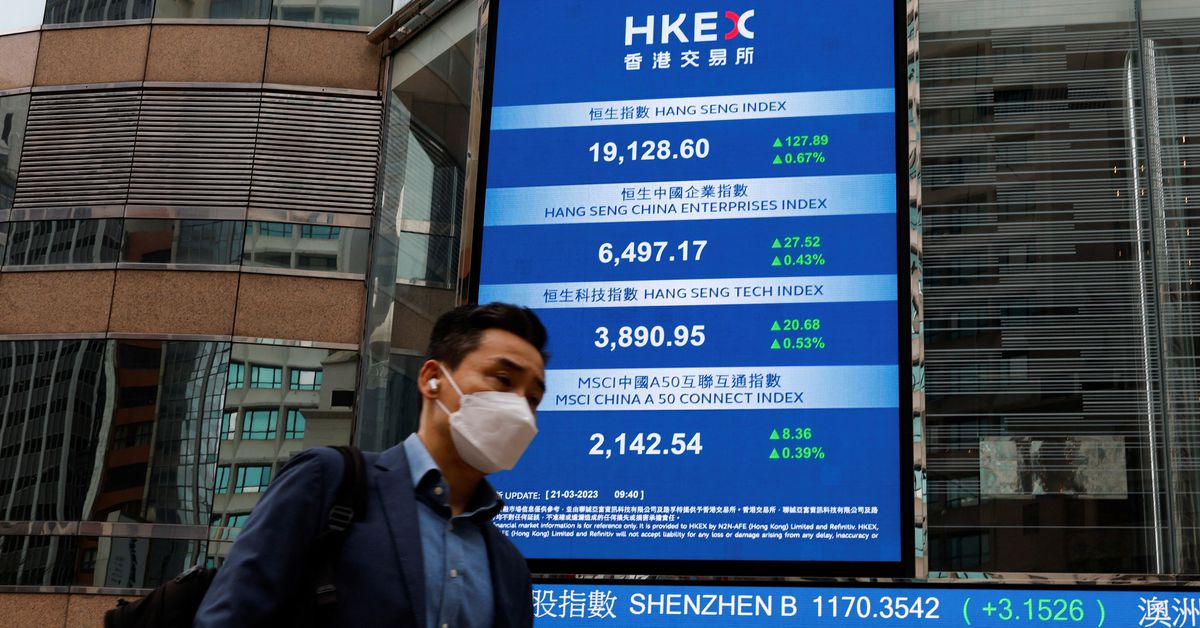
Asian stocks rose on Tuesday as investors welcomed the US debt deal, which suspended the debt ceiling until January 2025 in exchange for caps on spending and cuts in government programs. However, investors say markets are not out of the woods yet, as there is still a huge disconnect between bond markets and equities. Longer-dated US Treasuries rallied on Tuesday as bond traders welcomed the deal to suspend Washington's borrowing limit. The deal now heads to Congress for approval, and JB Were analysts said there could be up to $600 billion worth of bill issuance in the next six to eight weeks.
Oil prices remain steady after US leaders reached a tentative debt ceiling deal, but concerns about further interest rate hikes are capping gains. The provisional deal has taken pressure off the markets, offering a relief rally in risk assets, including crude oil. However, analysts see any boost in oil prices from the debt deal as short-lived. OPEC+ is due to meet on June 4, with Saudi Arabia warning short-sellers betting that oil prices will fall to "watch out".
Investors are preparing for potential spikes in currency volatility and losses in equities as the US struggles to reach a debt-limit deal. The uncertainty surrounding the Federal Reserve's next policy decision in June has already added to market volatility. Strategists at JPMorgan Chase & Co. and Morgan Stanley have warned that an impasse threatens the outlook for equity markets, while traders have also piled into swaps and options for major currencies to hedge their portfolios. The back-and-forth between lawmakers has Wall Street preparing for the worst, with executives in trading, corporate and consumer banking in the nation’s three biggest lenders trying to predict how the government’s failure to pay bills would cascade through markets.