The US dollar experienced its worst week since June, declining due to expectations of Federal Reserve interest rate cuts, political risks easing in Japan and France, and ongoing US-China trade tensions, amid concerns over US banking sector stability and market volatility.
Fitch Ratings has warned that US banking giants, including JPMorgan, could face ratings reassessments if the overall industry's score is downgraded. In June, Fitch lowered its "operating environment" score for US banks, and another downgrade could lead to negative rating actions for more than 70 US banks. The restrictive monetary policy imposed by the Federal Reserve has created a challenging environment for banks, and Moody's has already slashed credit ratings for 10 US banks. The potential downgrades could have consequences for industry leaders and smaller lenders alike.
Stocks sank for the second consecutive day, with the Nasdaq leading the way down, as concerns persisted over the US banking sector and attention turned to a crucial US inflation report following disappointing Chinese price data. The Dow Jones Industrial Average was down 0.5%, the S&P 500 slipped 0.7%, and the Nasdaq Composite lost 1.3%. Moody's downgrade of midsize US banks and China's consumer sector falling into deflation added to fears of a prolonged economic slowdown. Disney's earnings report and its ESPN network's sports betting deal with PENN Entertainment were closely watched, while other trending stocks included Twilio, WeWork, and Lyft. Stock futures attempted a comeback after Tuesday's losses.
Bitcoin broke out of a two-week trading lull and rose by about 2.5% as Moody's downgraded the U.S. banking sector, putting several major banks on watch. The decoupling of bitcoin from the stock market was observed, with crypto-related equities rising while the stock market fell. Other cryptocurrencies, including Ether, Solana, Polygon, Uniswap, and XRP, also experienced gains.
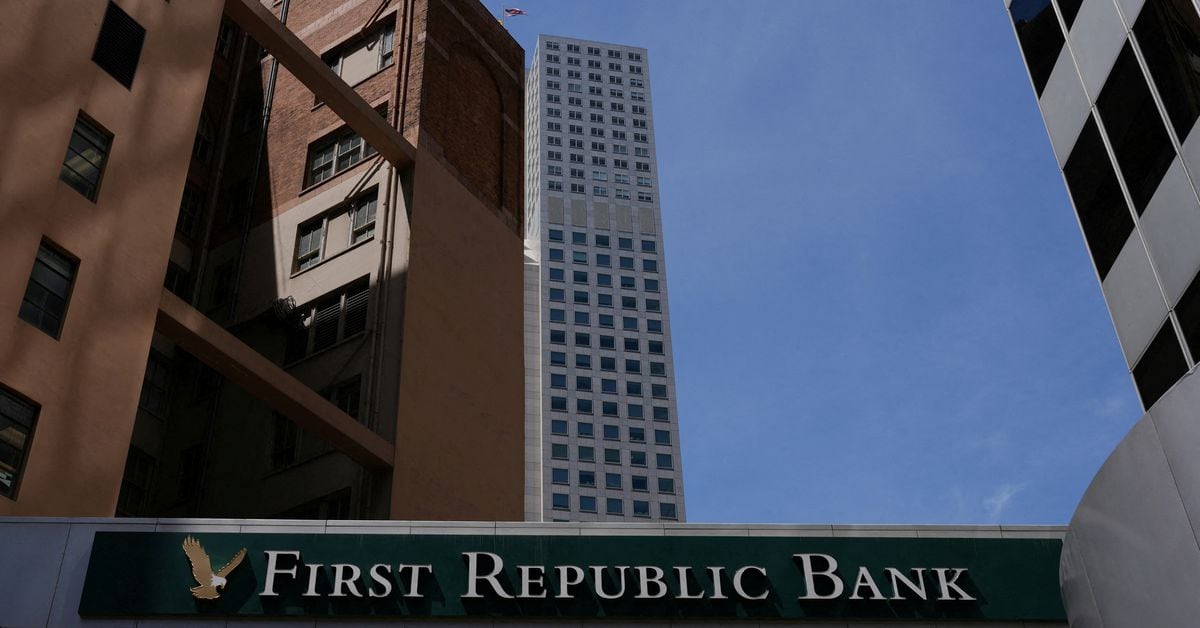
Troubled banks in the US are waiting for the FDIC to take over before buyers will step up, creating fears that the current turmoil will accelerate the concentration of the banking sector in the United States around a handful of institutions, reducing competition for consumers and deepening the risk if a giant bank fails. The government-brokered purchases of First Republic, Signature and Silicon Valley banks have created a vicious cycle. Publicly-traded buyers are now motivated to wait for ailing lenders to collapse so they can get better terms from the FDIC.
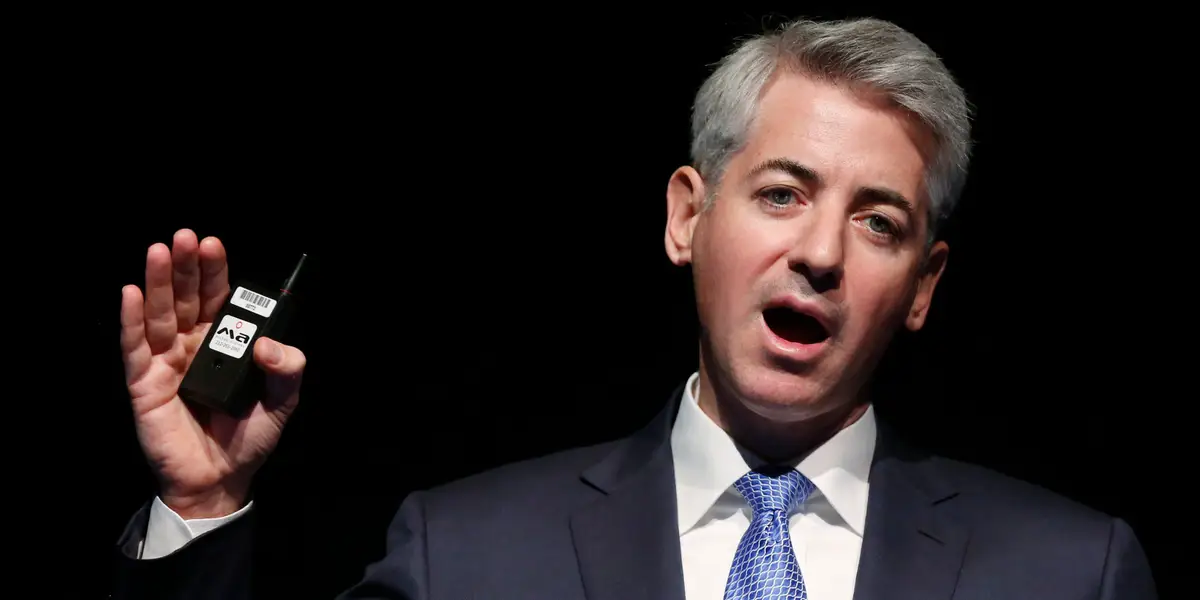
Bill Ackman, Jeffrey Gundlach, Mohamed El-Erian, and other high-profile investors and analysts have renewed their warnings about the US banking sector, stating that the banking turmoil is far from over. The collapse of four lenders in the past two months has caused chaos in the sector, leading to concerns about the stability of America's mid-sized banks. The recent fall of First Republic Bank and its subsequent takeover by JPMorgan has further fueled concerns about the sector's stability. The experts have raised doubts about Federal Reserve chair Jerome Powell's suggestion that the worst of the banking turmoil is over.
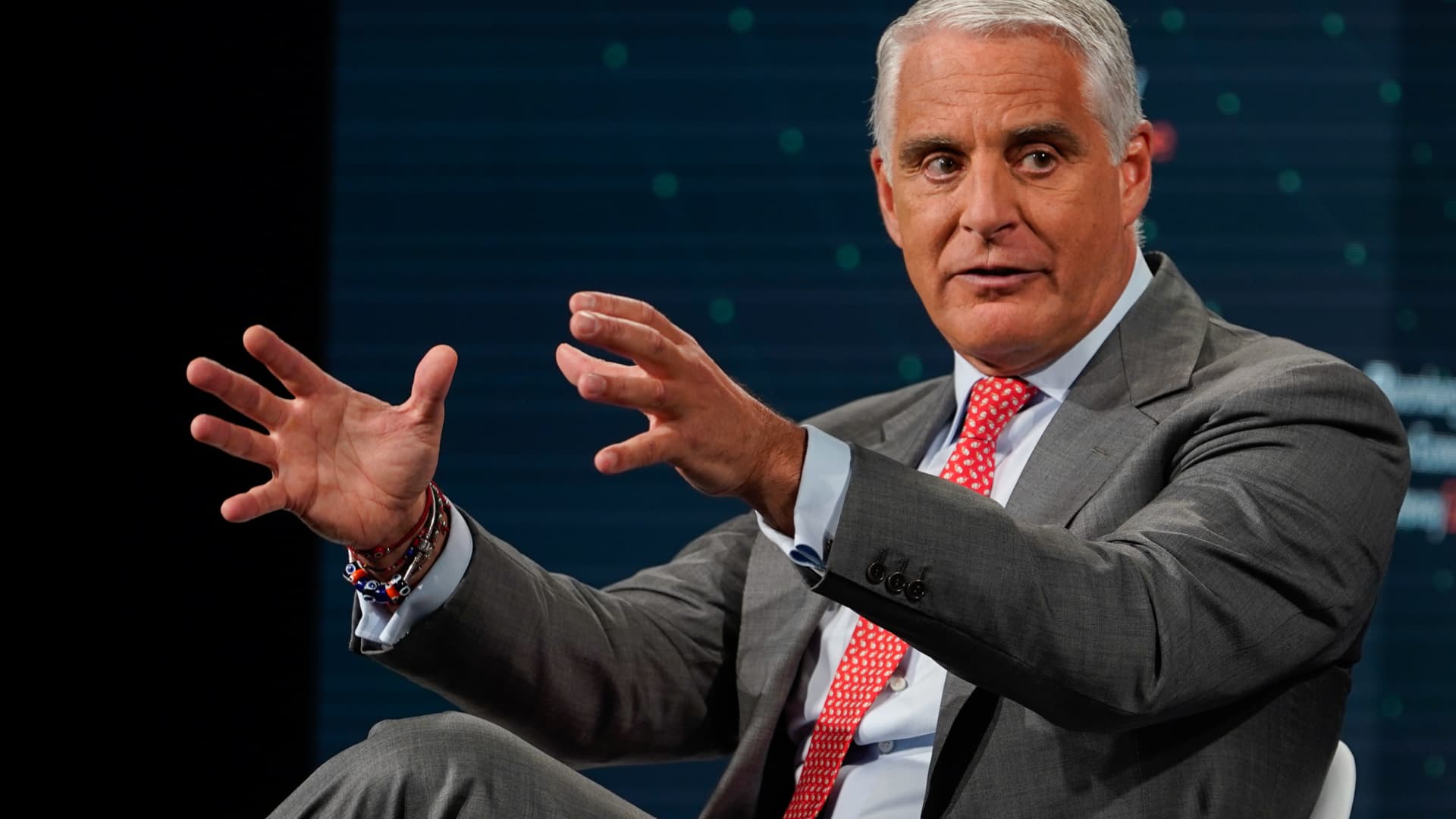
UniCredit CEO Andrea Orcel predicts more rescues of American regional lenders due to higher interest rates from the Federal Reserve, while European banks are well-capitalized and face stronger regulation. He also warns of further volatility as the biggest risk to the outlook after the Covid-19 pandemic and Russia's invasion of Ukraine. UniCredit reported a jump of more than 41% in net profit for the first quarter and a CET capital 1 ratio at 16.05% for the quarter.
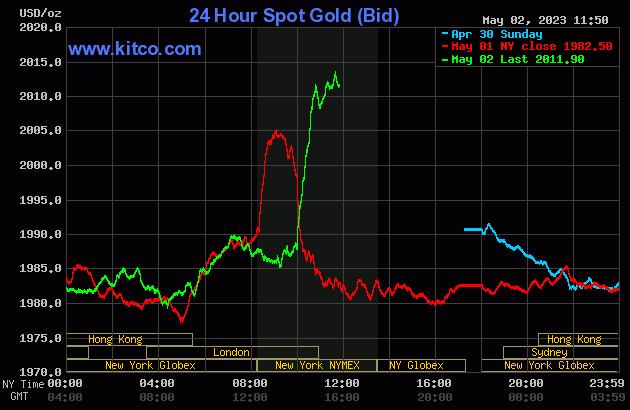
Gold and silver prices rose due to safe-haven buying interest as trader and investor risk aversion has quickly up-ticked amid a sharp drop in U.S. banking stocks. The Federal Reserve's Open Market Committee (FOMC) meeting is expected to raise its main U.S. interest rate (the Fed funds rate) by 0.25%. The European Central Bank also meets Thursday and is expected to raise its main interest rate by a quarter-point.
European stock markets fell due to strain in the US banking sector, while Wall Street futures rose on bullish updates from Microsoft and Google parent Alphabet. The global stock market remained steady, with Asian markets outside of Japan closing higher in line with rising Wall Street futures. Deposit flight from US banks has prompted investors to dial down profit expectations for the global banking sector, with banks under pressure to raise interest rates on savings accounts to keep hold of customers' money.
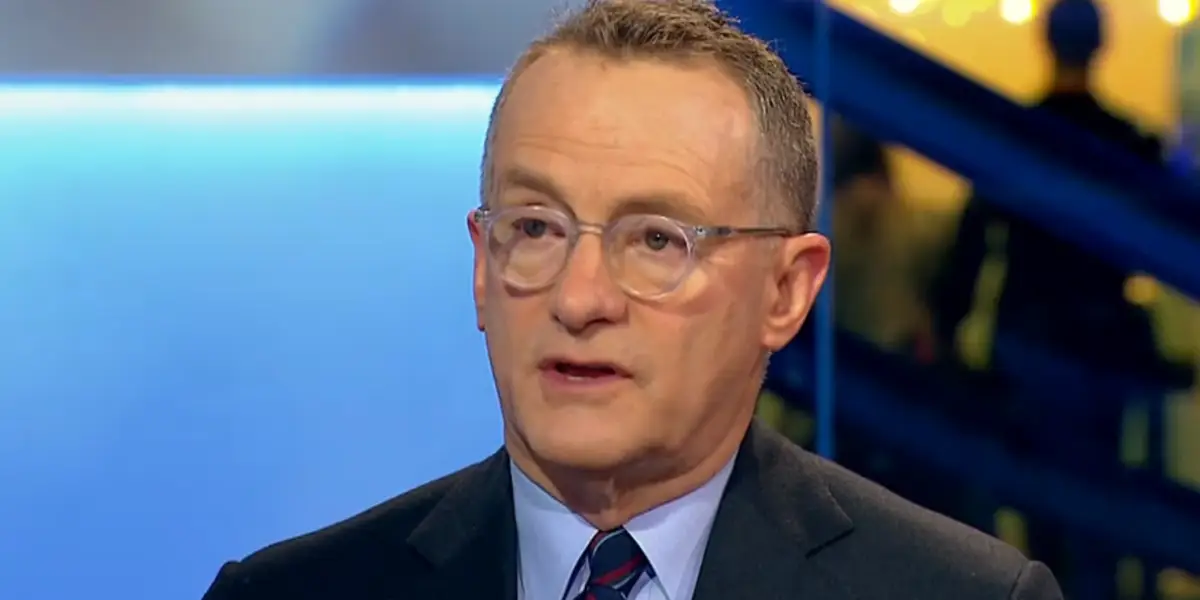
Billionaire investor Howard Marks has warned of a wave of mortgage defaults in the commercial real estate sector, which could add stress to the US banking sector. The commercial real estate market has become investors' newest concern due to higher interest rates, tighter lending standards, and work-from-home trends. Nearly $450 billion in commercial real estate debt is due to mature in 2023, which could raise hurdles for big property owners as they seek to refinance a pile of loans. However, Marks stressed that he's not sure if banks will suffer losses on their commercial property loans, or what the magnitude will be.
Charles Schwab Corp. is experiencing its worst month in over 35 years, with shares down 34% in March, wiping out $47 billion in market value. The brokerage giant is facing headwinds from its banking arm, which invested in long-dated bonds during a period of low interest rates and is now stuck with losses on those investments as the Federal Reserve has increased interest rates. Additionally, customers seeking better returns are moving their cash deposits into higher yielding assets like money-market funds, putting pressure on the company's profit outlook. Despite the drop, some analysts see this as a historic buying opportunity for the financials sector as a whole.
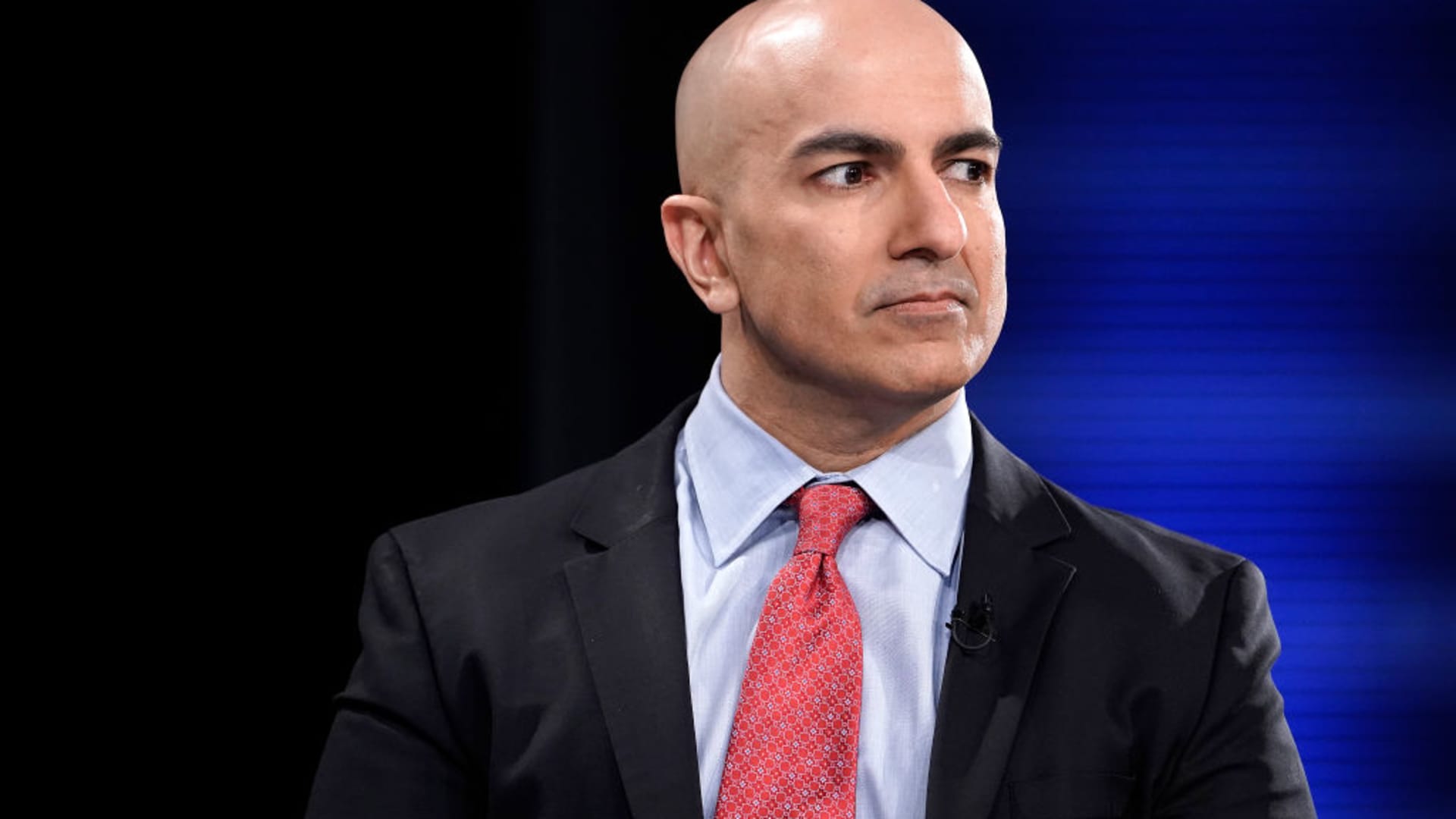
Minneapolis Fed President Neel Kashkari has said that the latest turmoil in the US banking sector could bring the country closer to a recession. Kashkari added that Fed officials are monitoring the impact from the fallout of the banking sector "very, very closely," and the current system has the "full support" of the Federal Reserve. The banking system has a strong capital position and a lot of liquidity and has the full support of the Federal Reserve and other regulators standing behind it.
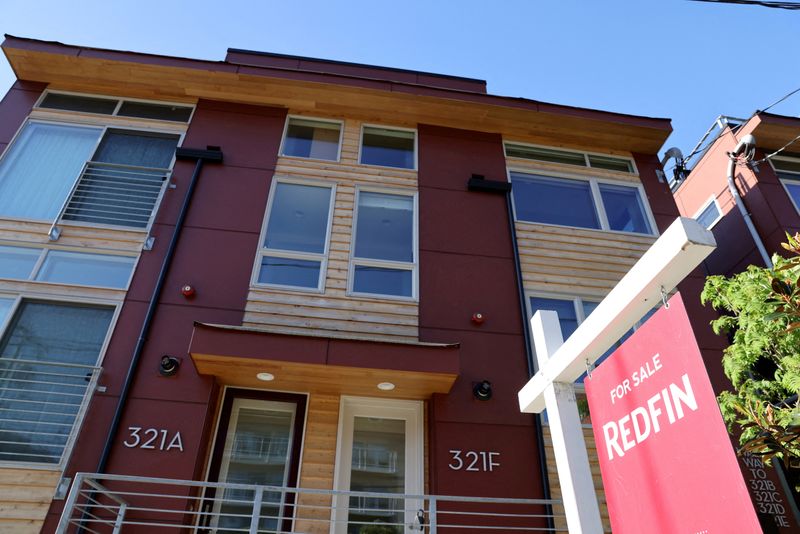
The failure of Silicon Valley Bank and emergency measures taken to shore up the wider banking system drove a mad dash by investors to the safety of government bonds, resulting in a drop in yields on the Treasury notes that act as benchmarks for home loans. This pushed the average rate on 30-year fixed-rate mortgages down by 0.23 percentage point to 6.48% for the week ended March 17 from 6.71% the week before, the largest weekly drop since mid-November. The lower rates drove a jump in loan application volumes, with applications for both new purchases and refinancing of existing loans hitting a six-week high.
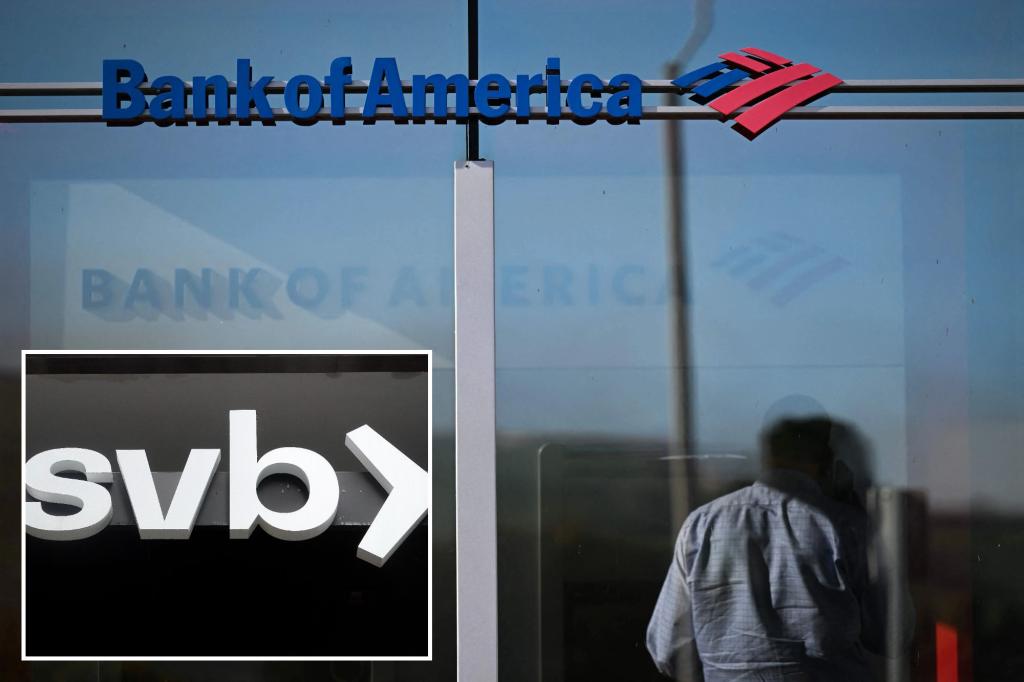
Bank of America has seen an inflow of over $15 billion worth of deposits as Americans move their cash towards "too big to fail" lenders amid fears of a meltdown in the US banking sector. Other large-scale lenders like JPMorgan Chase, Citigroup, and Wells Fargo have also seen substantial increases in deposits. The mass migration to financial giants like Bank of America comes in the wake of last week's swift collapse of Silicon Valley Bank, the second biggest bank failure in US history. Credit Suisse's shares dropped to near-record lows after its largest stakeholder said he would not bolster his investment in the Swiss banking giant.