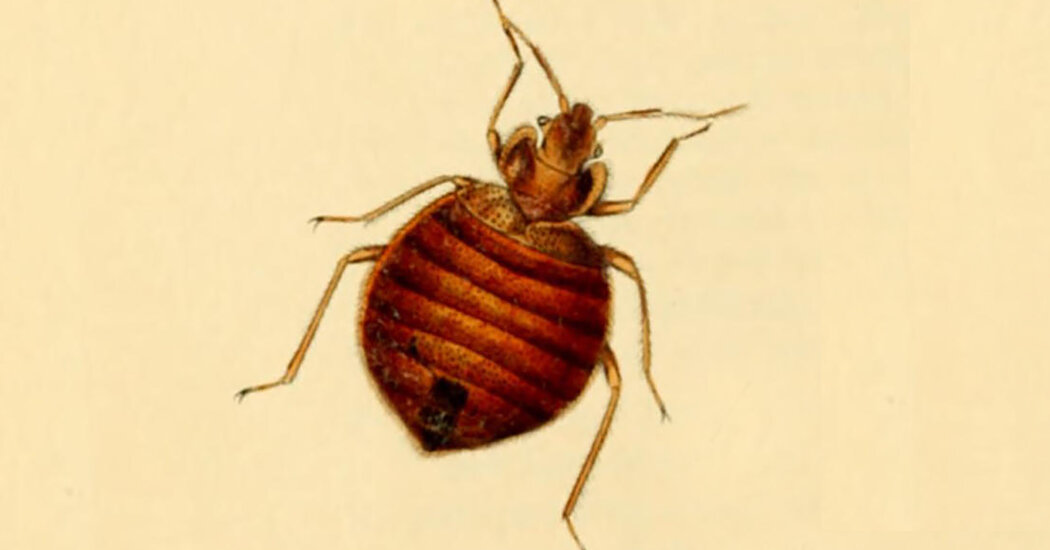
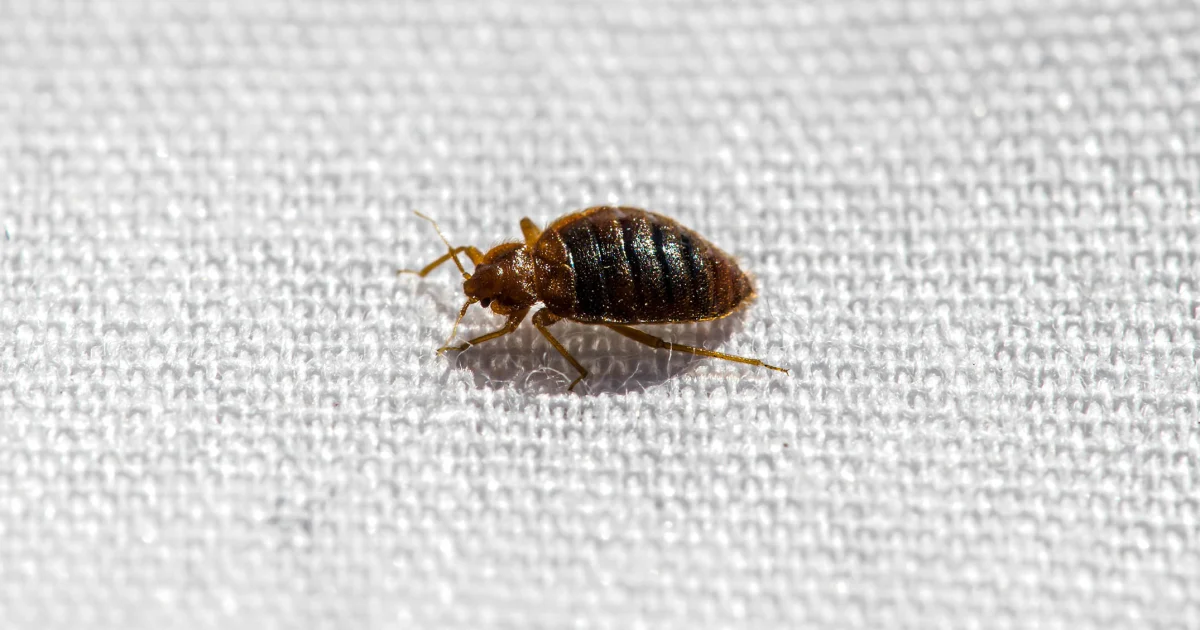
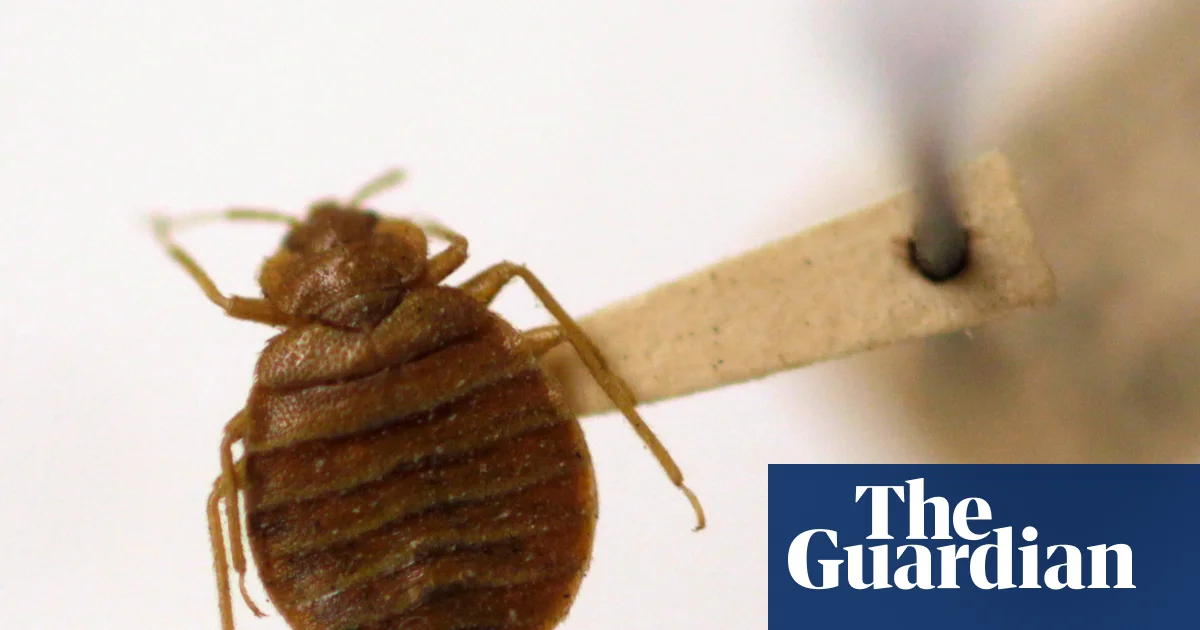
A new study reveals that bedbugs were the first urban pests, thriving in human cities for over 13,000 years, establishing a long-standing, exclusive relationship with humans as bloodsuckers that do not transmit diseases but cause mild irritation.
A study reveals that bed bugs have been biting humans for around 60,000 years, making them possibly the first true urban pest, with their populations increasing alongside human settlements and cities, and their genetic history closely tracking human demographic changes.
Scientists suggest that the rise of ancient cities and human settlement patterns led to a dramatic increase in bedbug populations, making them one of the earliest urban pests, with their history closely intertwined with human civilization over thousands of years.
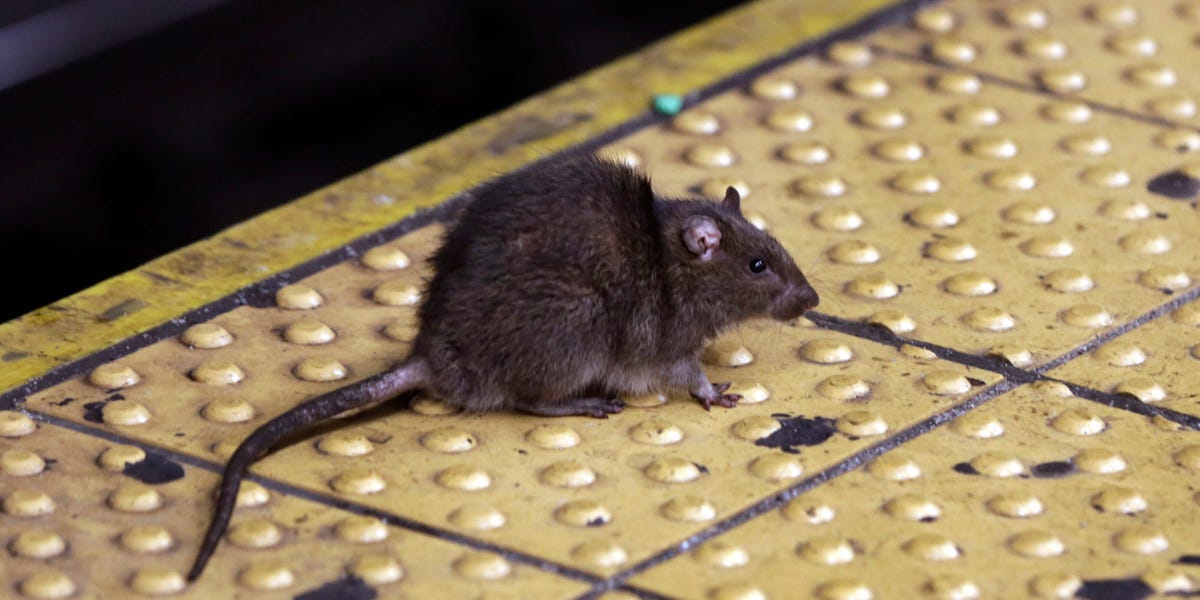
New York City's new rat-killing method, which involves pumping carbon monoxide into rat burrows, has successfully eliminated rats on a strip in the Upper East Side. However, experts warn that this method alone will not solve the city's rat problem in the long term. Addressing the underlying issues of access to food, garbage, and nesting places is crucial to prevent rats from returning. Additionally, the carbon monoxide method can only be used in well-ventilated outdoor areas, limiting its effectiveness in subway stations and sewers. A combination of strategies, including containment of garbage and a cultural shift in behavior, is needed to eradicate New York City's rat population.
Pest control company Orkin has declared Chicago as the "rattiest" city in the United States for the eighth consecutive year. Orkin determines the rankings based on the number of new pest control treatments for rodents in a 12-month period. Los Angeles and New York City switched positions this year, with Los Angeles taking second place and New York City ranking third. Washington, D.C., and San Francisco rounded out the top five. The rankings highlight the ongoing issue of rodent infestations in urban areas, with approximately 21 million U.S. homes affected each fall season.