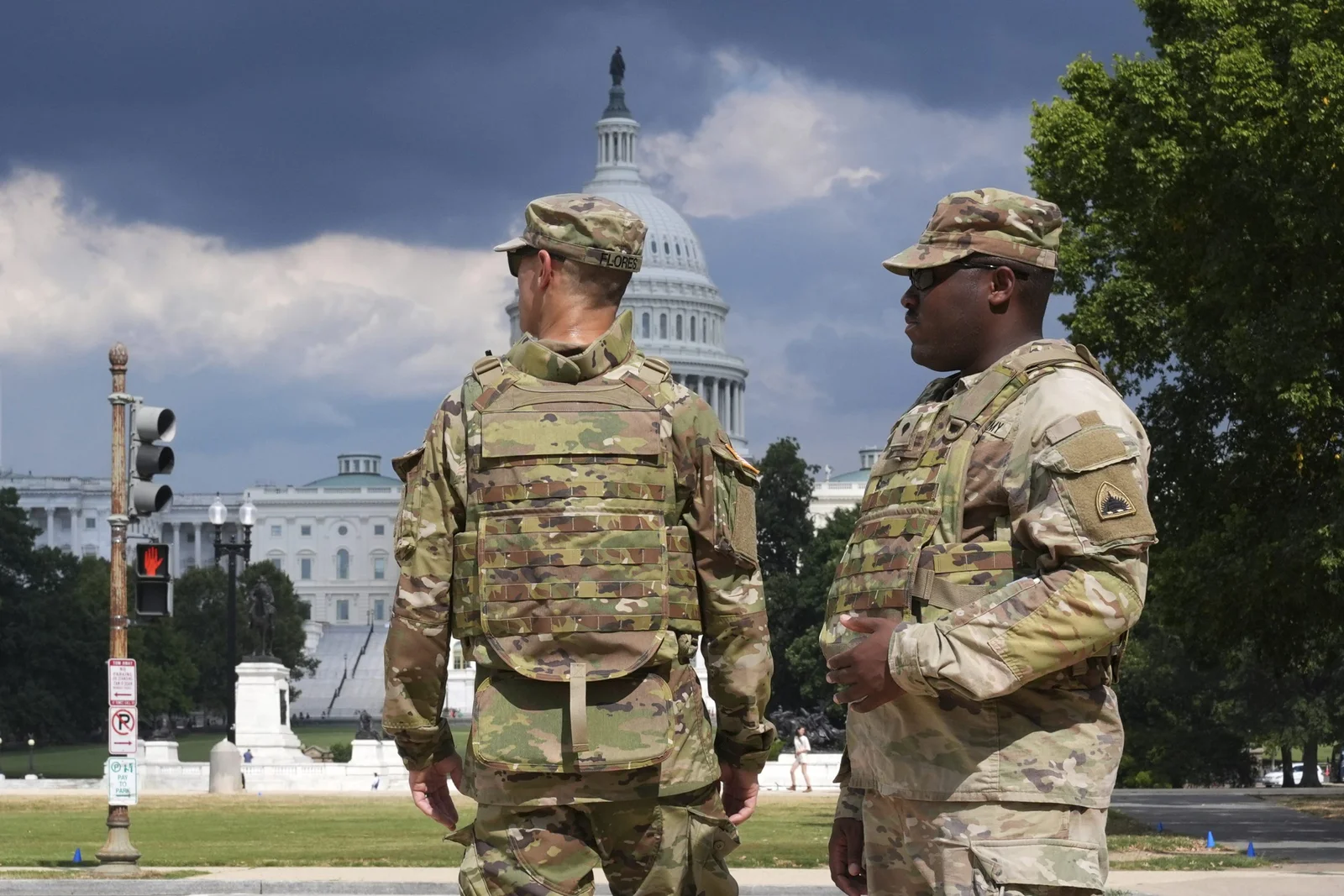
Most Americans view crime as a major problem in large cities, with strong support for military assistance to local police but limited backing for federal control of city police departments, especially among Democrats. Public opinion varies significantly by political affiliation and urban versus rural residence, and President Trump’s handling of crime is viewed relatively favorably.
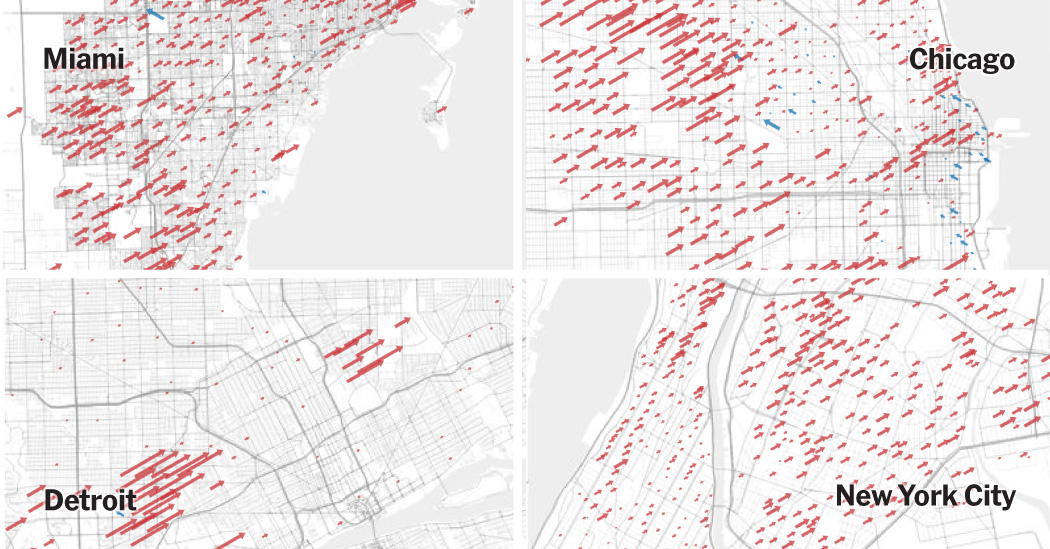
A recent analysis highlights areas in 11 major U.S. cities where Democrats have lost voter support since the 2020 elections. The maps reveal shifts in political dynamics, indicating potential challenges for the Democratic Party in maintaining urban strongholds. This trend could have significant implications for future elections, as urban areas are traditionally key to Democratic electoral success.
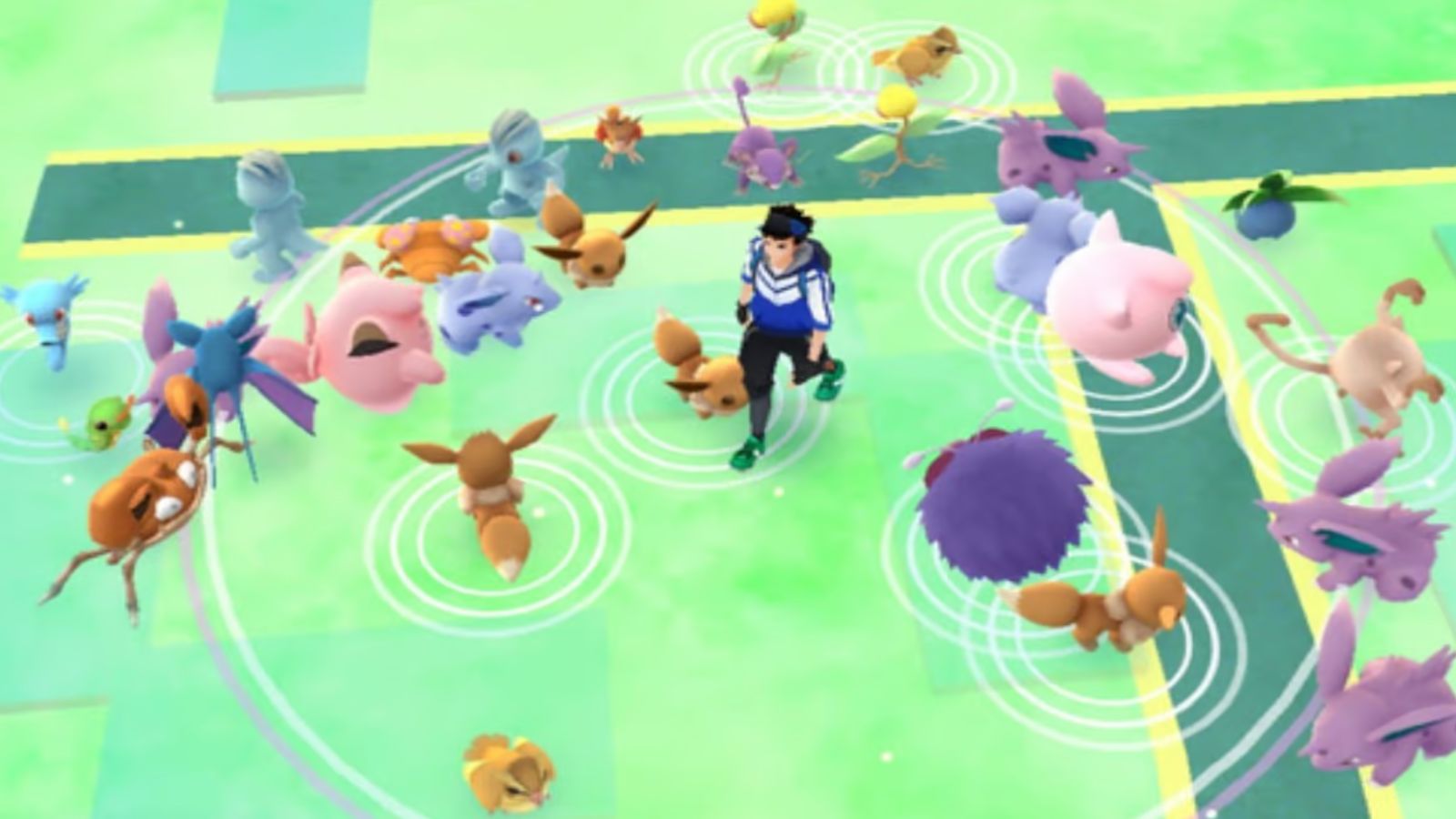
Pokemon Go players believe that spawns are more likely to occur in one specific location, with many attributing it to the dense cell phone usage in urban areas such as Walmart. The theory suggests that the spawn algorithm is influenced by the number of people in an area, making malls, shops, and busy locations ideal for Pokemon hunting.
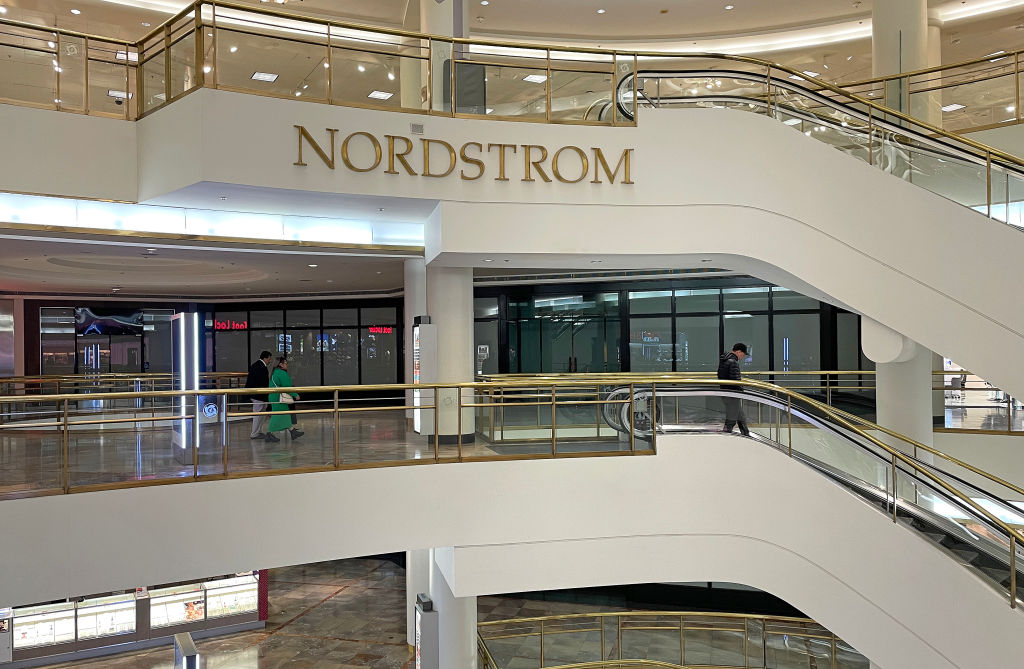
Target is closing nine stores in four metropolitan areas, citing organized retail crime and theft as contributing factors to their unsustainable business performance. However, other pressures such as the migration of high earners out of major cities, the rise of e-commerce, and ongoing labor shortages have also impacted retailers in urban areas. The pandemic prompted many workers to move away from big cities, resulting in a loss of taxable income and reduced demand for retailers. E-commerce has seen a significant increase in market share, with online shopping accounting for 15% of total estimated retail sales. Additionally, the retail industry continues to face labor shortages, with vacancies remaining unfilled in the wholesale and retail trade sector. The combination of these factors has created challenging business conditions for retailers in urban cores.
Target's decision to close nine stores in major metropolitan areas due to organized retail crime and theft highlights the challenges faced by retailers in urban areas. However, other factors such as the migration of high earners out of cities, the rise of e-commerce, and ongoing worker shortages have also impacted business conditions. The pandemic accelerated the closure of brick-and-mortar stores, but 2022 marked the first year without a net loss in store numbers since 2016. Changes in residential and professional preferences, along with the pandemic-induced boost in online shopping, have contributed to dwindling foot traffic in urban cores. Additionally, worker shortages persist in the retail sector, with crime exacerbating the industry's workforce challenges.
Insider examined data from The Council for Community and Economic Research to rank the cost of living in 10 major cities in Florida. Miami-Dade County was found to be the most expensive urban area in the state, while half of the cities on the list had higher cost-of-living indexes than the national average. The rankings were based on factors such as housing prices, apartment rent, energy bills, doctor visits, and beauty salon visits. Ocala, Florida was ranked as the least expensive city on the list, with a composite index of 91.1.
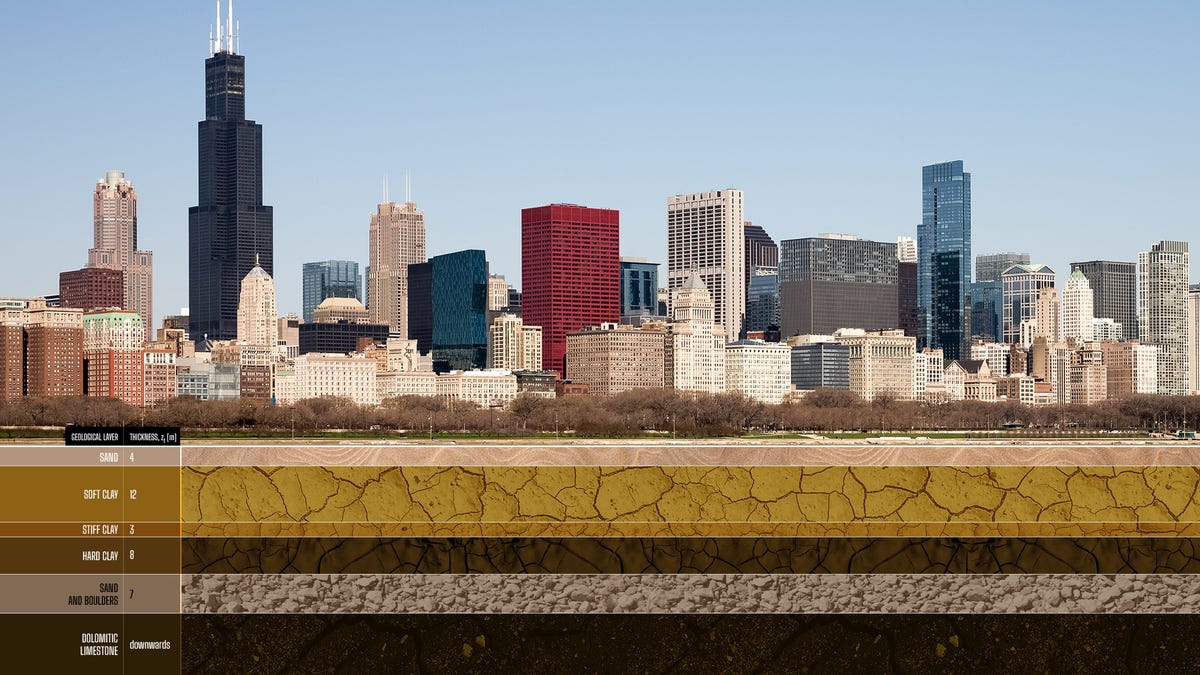
A new study from Northwestern University suggests that climate change is causing the ground beneath cities to deform and potentially lead to infrastructure damage. The study, which quantifies the effects of underground climate change on civil infrastructure, found that heat is causing the ground to contract and expand, leading to cracks in buildings and foundations. Urban areas are particularly vulnerable to this phenomenon, known as "subsurface heat islands," which can have environmental, public health, and transportation implications. The study highlights the need for infrastructure designs that can withstand temperature variations caused by climate change.
A new study by the U.S. Geological Survey reveals that nearly half of the tap water in the United States contains per- and polyfluoroalkyl substances (PFAS), a group of chemicals linked to human illnesses such as cancer and thyroid disease. The study shows that Americans living in urban areas are most at risk, while those in rural areas are less at risk. PFAS were found to be more frequently present in urban areas, particularly in the Great Plains, Great Lakes, Eastern Seaboard, and Central and Southern California. The study suggests that consumers can use this information to evaluate their personal risk of exposure, explore treatment options for their drinking water, and engage in conversations with local health officials about the chemicals in their tap water. Efforts to regulate PFAS are underway, with the U.S. Environmental Protection Agency proposing a federal law to restrict and regulate PFAS in food and drinking water.
Walmart plans to close 19 stores this year, including four in Chicago, as it struggles to attract new shoppers beyond its base in suburbs, smaller towns and rural areas. The retailer has closed several locations in urban areas earlier this year, including a store in Washington, D.C., and two locations in Portland, Ore.
Walmart is closing four stores in Chicago, halving its locations in the city, due to lack of profitability. The closures add to a growing list of closures in urban areas, signaling a retreat from its strategy to attract new customers outside the suburbs and small towns. Walmart warned of possible belt-tightening this year, as shoppers are feeling the strain of inflation and continuing to cut discretionary spending from their budgets. Target has performed better than Walmart in urban areas due to its higher-margin model, leaving room for smaller shopping trips.
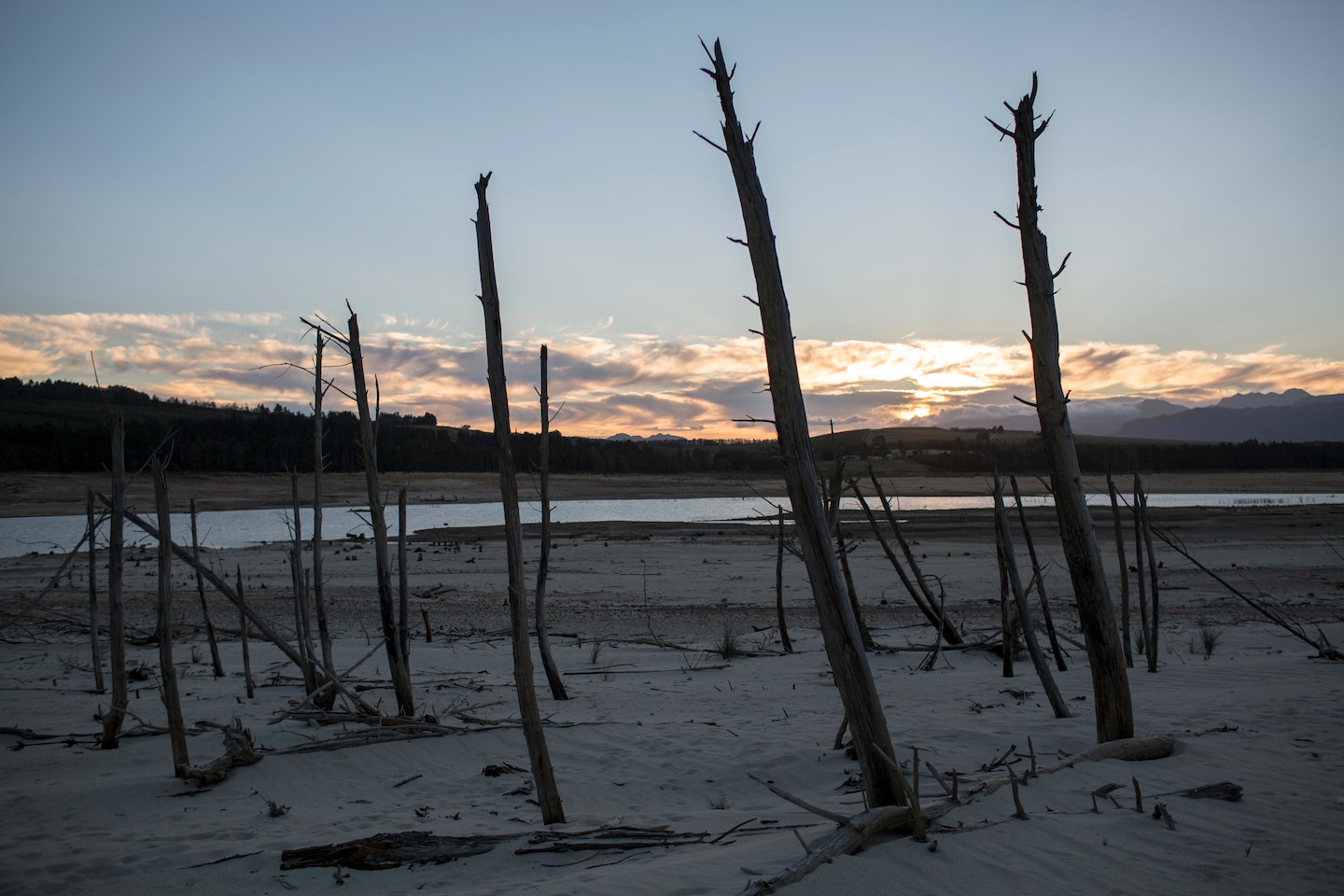
Rich elites' excessive use of limited water resources for nonessential activities like private swimming pools, irrigating gardens, and washing cars could trigger urban water crises, according to a study published in the journal Nature Sustainability. The study focused on Cape Town, South Africa, and found that the wealthiest groups were responsible for over half of the city's water consumption, despite representing less than 15% of the population. The study's authors said their findings were relevant to other cities with high inequality and that policies addressing inequality and consumption imbalances were needed to avert future water crises.