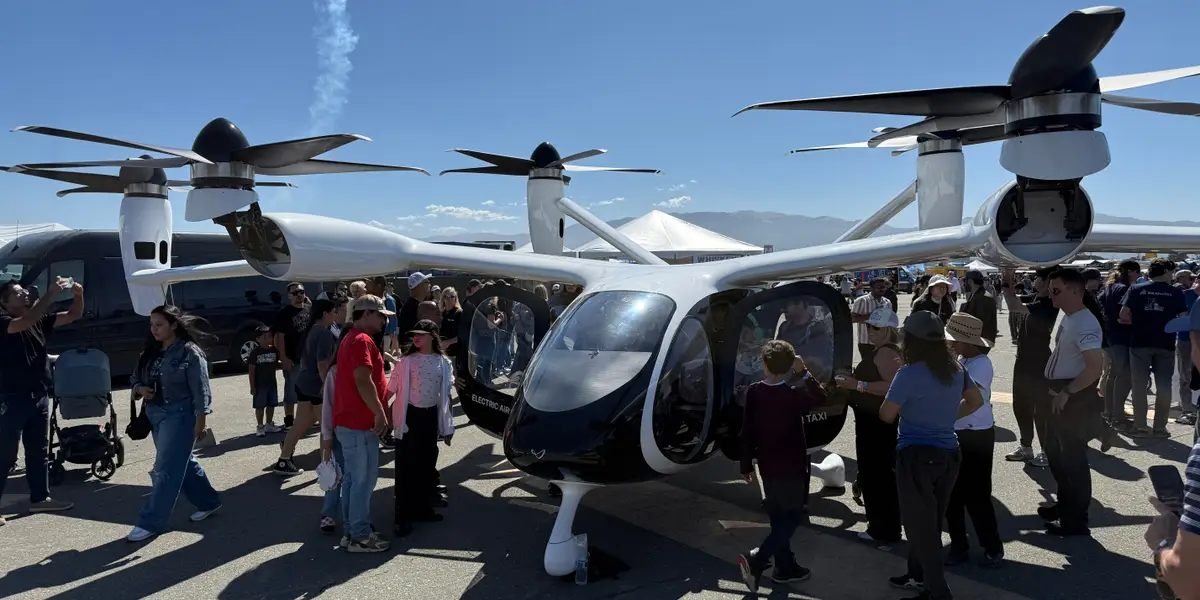
Flying taxis by Joby and Archer Aviation demonstrated their electric vertical take-off and landing aircraft at a California airshow, showcasing their potential to revolutionize urban transportation with quieter, efficient, and innovative air vehicles aiming to carry passengers within the next few years.
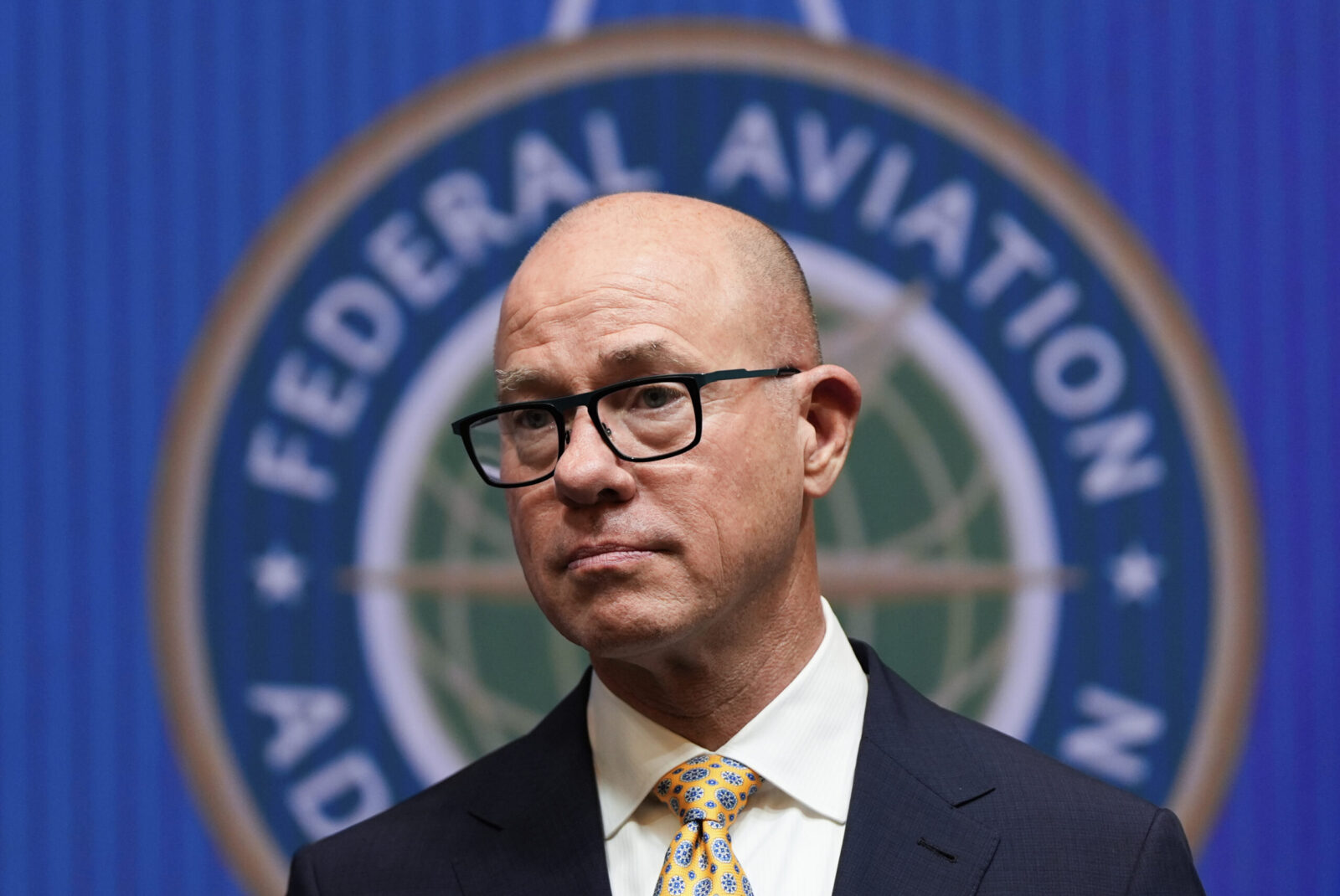
The new FAA administrator Bryan Bedford emphasizes modernizing the aging U.S. air traffic system, advancing drone technology, and embracing innovation to meet growing airspace demands, while seeking congressional support for infrastructure upgrades.
Archer Aviation's stock has surged over 160% in the past year due to optimism about its eVTOL aircraft, despite having no revenue yet and facing significant operational and regulatory challenges. The company has $6 billion in pre-orders, plans to start commercial flights in 2025, and has raised $850 million, but its valuation may be ahead of its actual financial performance, making it a speculative investment with potential upside.
Archer Aviation (ACHR) is gaining investor interest as a leader in the emerging flying taxi market, with its eVTOL aircraft poised to revolutionize urban travel. Despite being pre-revenue, Archer's $6 billion order book and strategic partnerships position it well in a market projected to reach $9 trillion by 2050. The company is progressing towards FAA certification and plans to produce 650 aircraft annually by 2025. Recent financial results show a net loss, but analysts remain optimistic, rating the stock a Strong Buy with a significant upside potential.
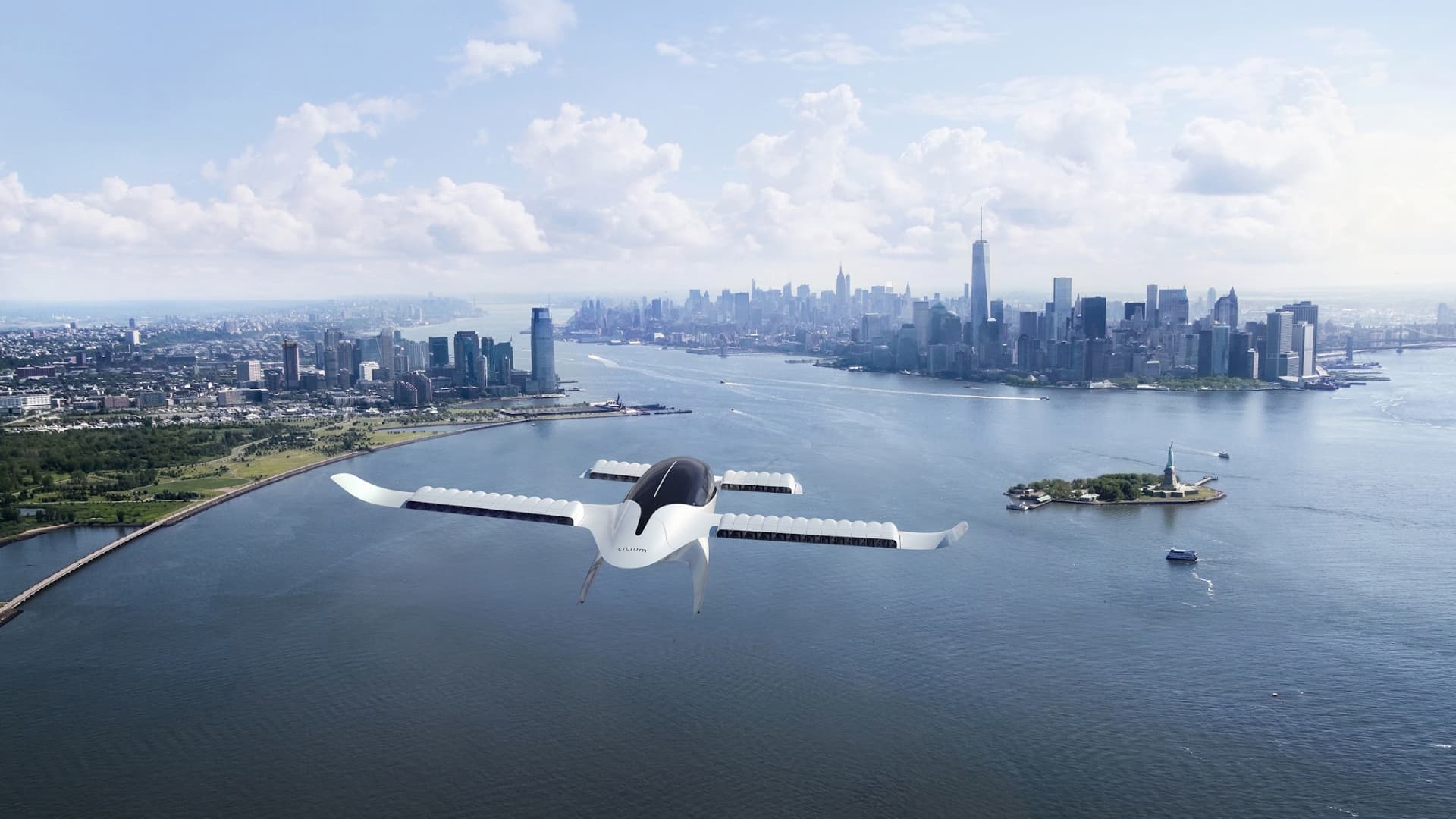
Electric vertical take-off and landing (eVTOL) vehicles, also known as flying cars or air taxis, are gaining traction as a potential alternative for urban and short-distance travel. With companies like Lilium making progress in manufacturing eVTOLs, the market is projected to be worth $1 trillion by 2040. However, challenges such as infrastructure, regulations, and pilot licensing need to be addressed before these vehicles can become a widespread mode of transportation.
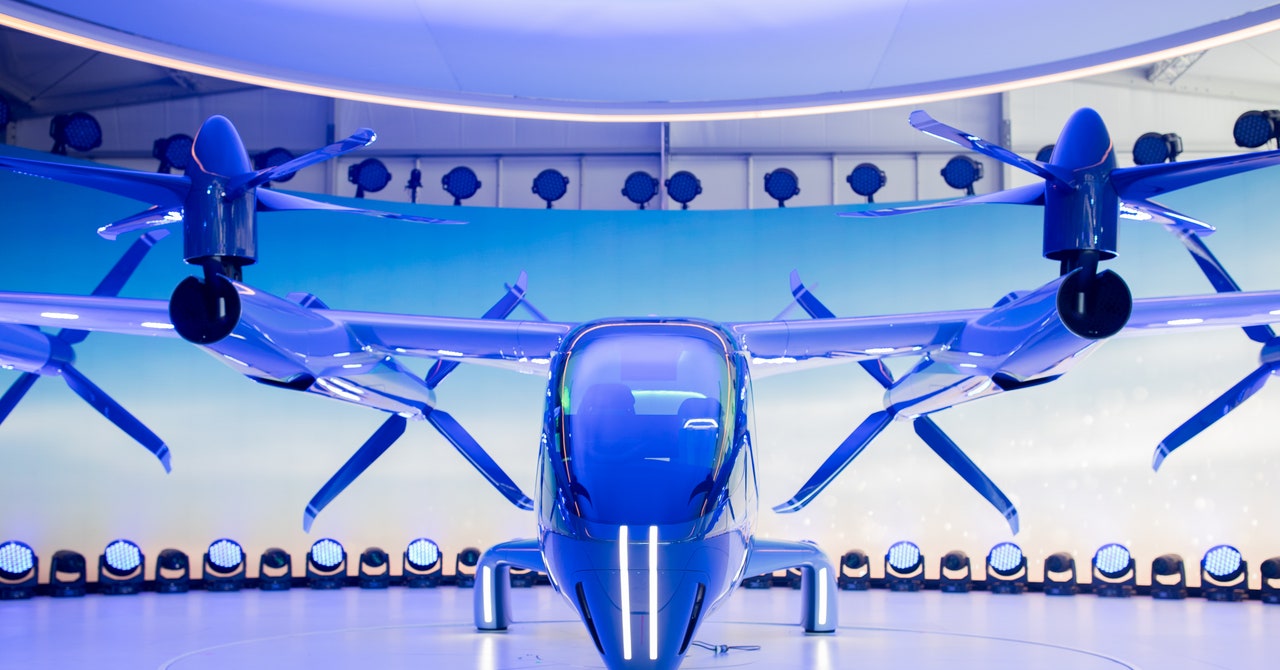
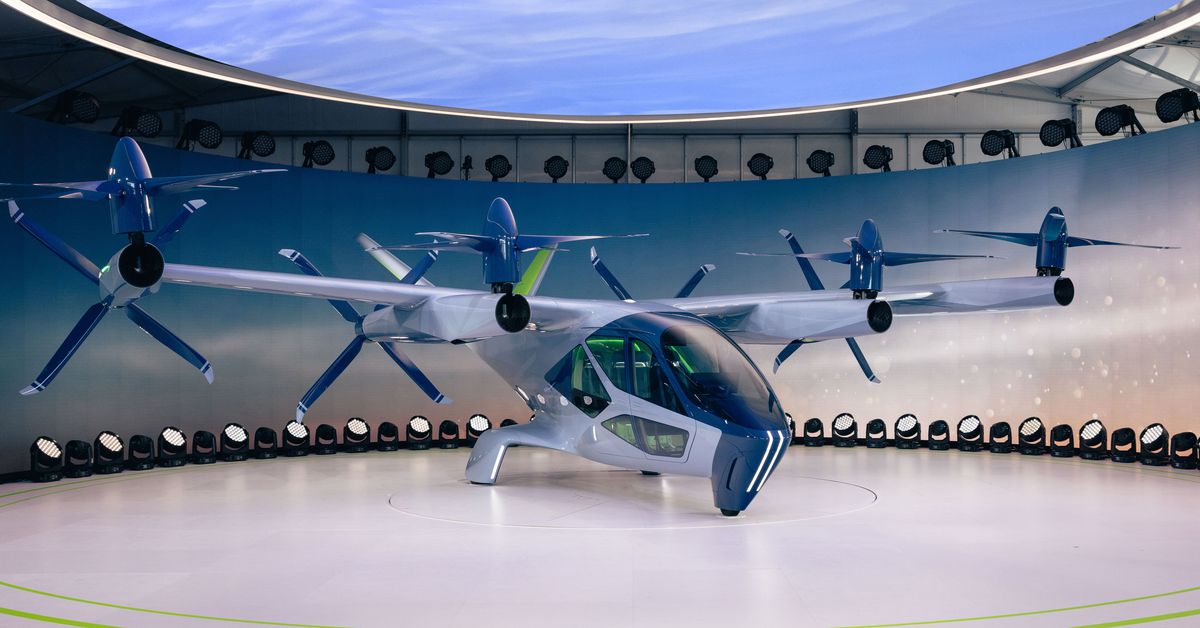
Supernal, Hyundai's air mobility division, unveils the S-A2 eVTOL, an all-electric, pilot-plus-four-passenger vehicle designed for safe, efficient, and affordable everyday air travel, with a striking design inspired by insects. The company aims for quiet operation and commercial aviation safety levels, with test flights expected by the end of 2024 and market entry in 2028. Other companies, such as Xpeng and Pivotal, also showcased their modular flying car and personal aircraft designs at CES 2024.
Hyundai's eVTOL division, Supernal, has unveiled the S-A2 concept, an electric vertical takeoff and landing aircraft that is projected to be ready for production by 2028. The four-passenger aircraft is designed for short trips and regional hops, with a cruising speed of 120mph and a noise level comparable to a dishwasher. Despite the challenges of regulatory approval and technological advancements in battery technology, Supernal is optimistic about its prospects and is focusing on leveraging Hyundai's manufacturing capabilities. Other global companies, including Stellantis, United, Delta, Boeing, and NASA, are also investing in electric aircraft for urban air mobility.
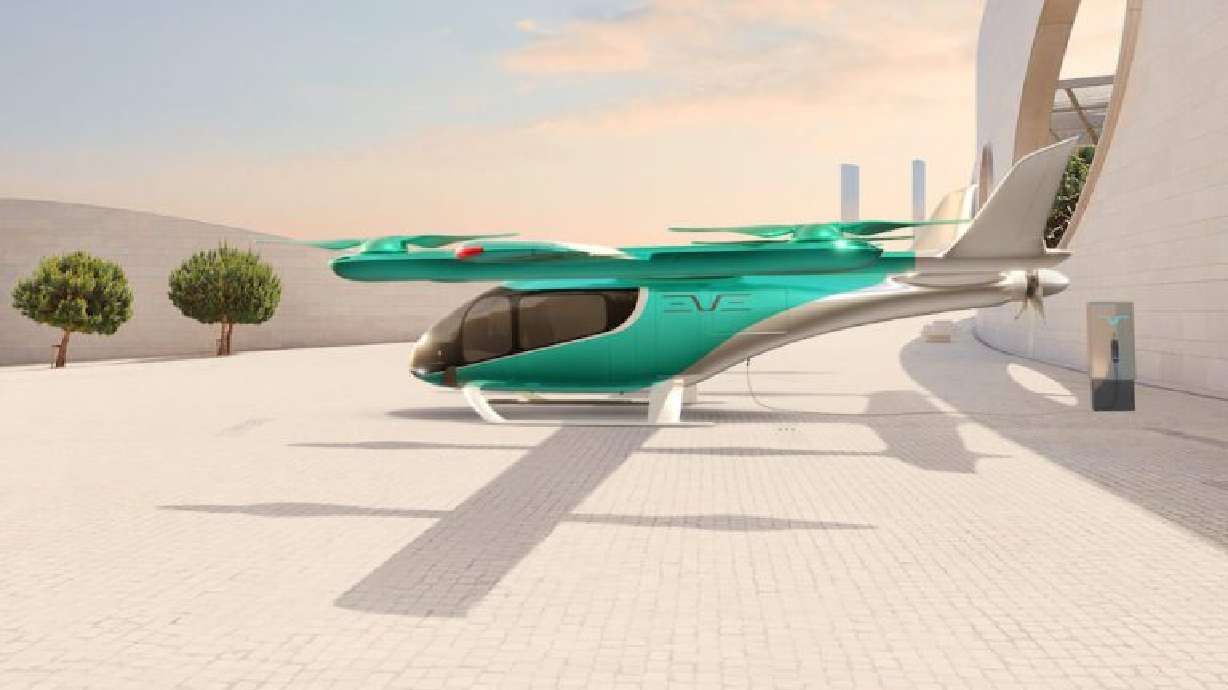
St. George-based company Intergalactic has been chosen as the supplier for Eve Air Mobility, a leader in the development of next-generation urban air mobility aircraft. Eve's electric-powered vehicles, resembling large-sized drones, have the capacity to transport four passengers and one pilot.
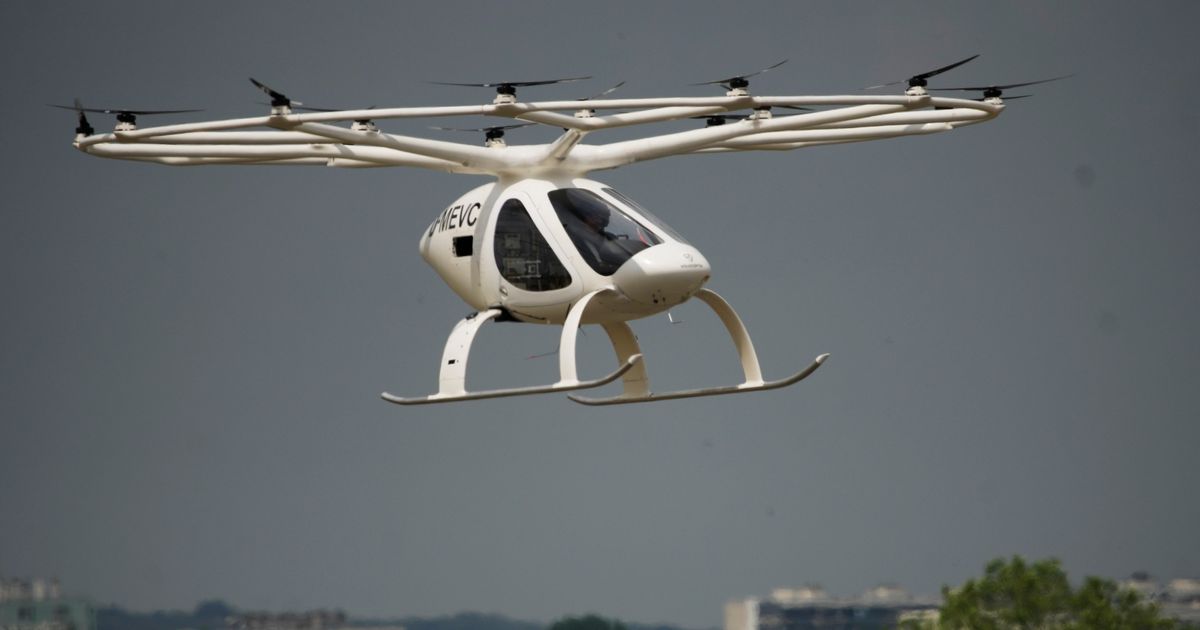
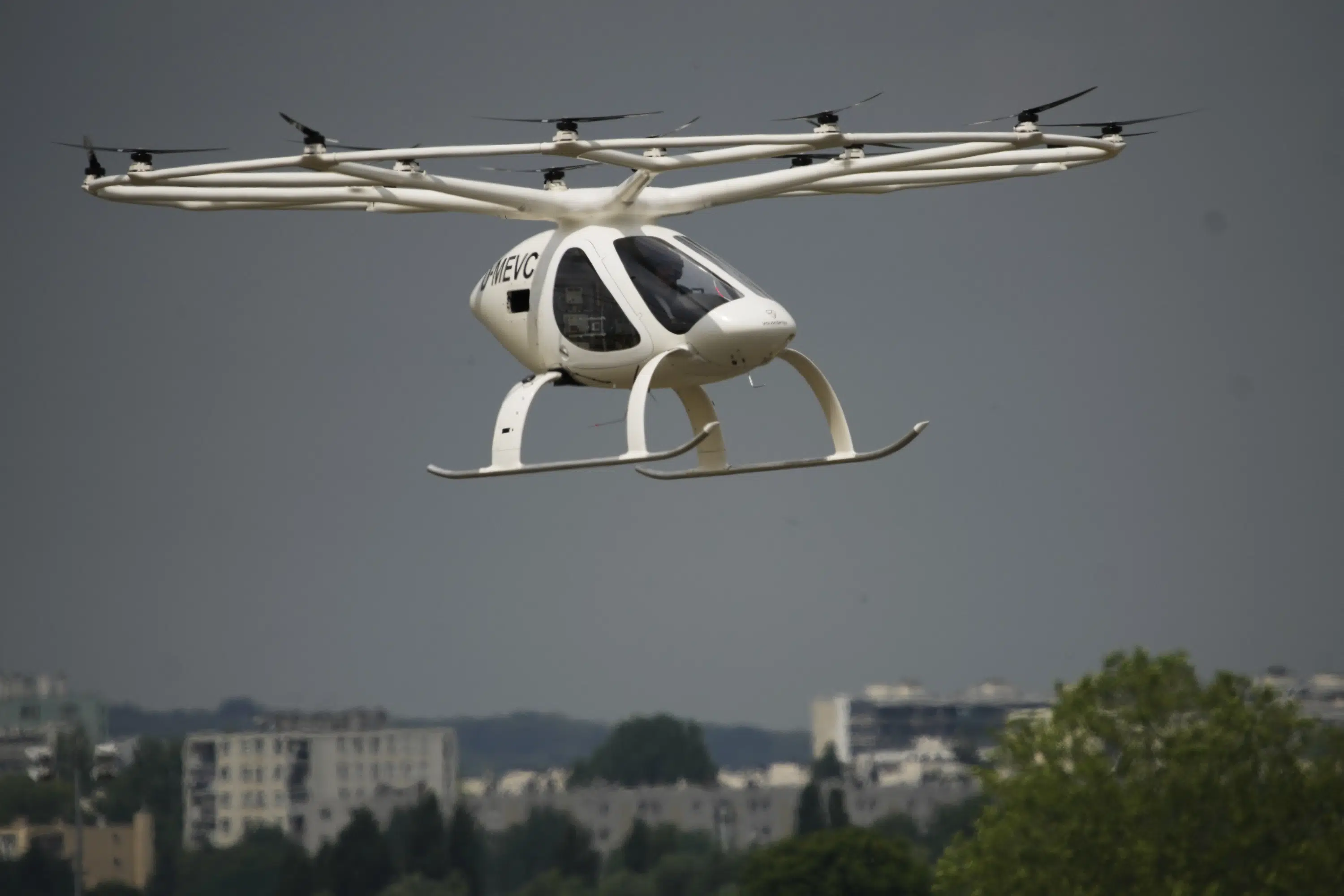
Tampa International Airport hosted Florida's first air taxi test flight, conducted by Volocopter, marking the first urban air mobility test flight at a large U.S. airport. The demonstration showcased the potential of air taxis for short-to-medium-range flights within urban environments. While Volocopter still requires FAA approval to operate in the U.S., Tampa Bay is preparing for the moment the company receives federal approval, expected in 2025. Initially, Volocopter air taxis will transport one passenger at a time, with plans to build larger aircraft as battery technology advances.
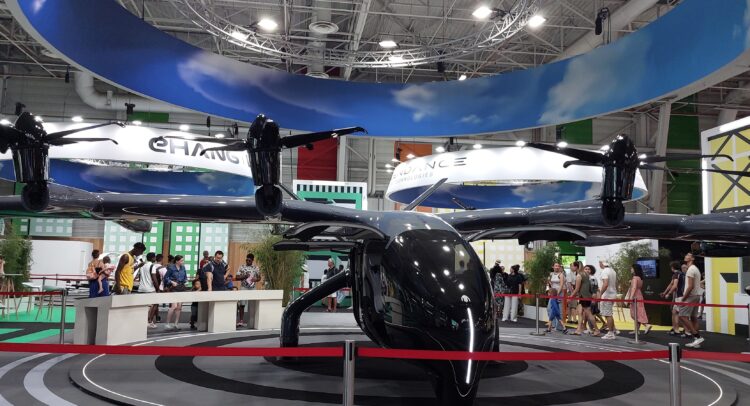
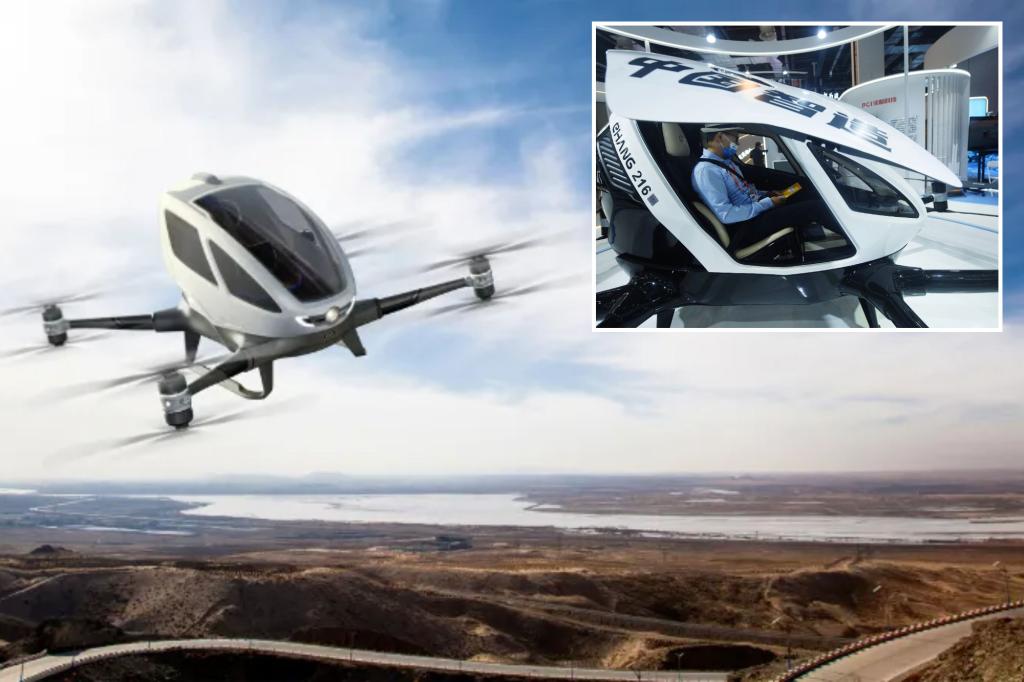
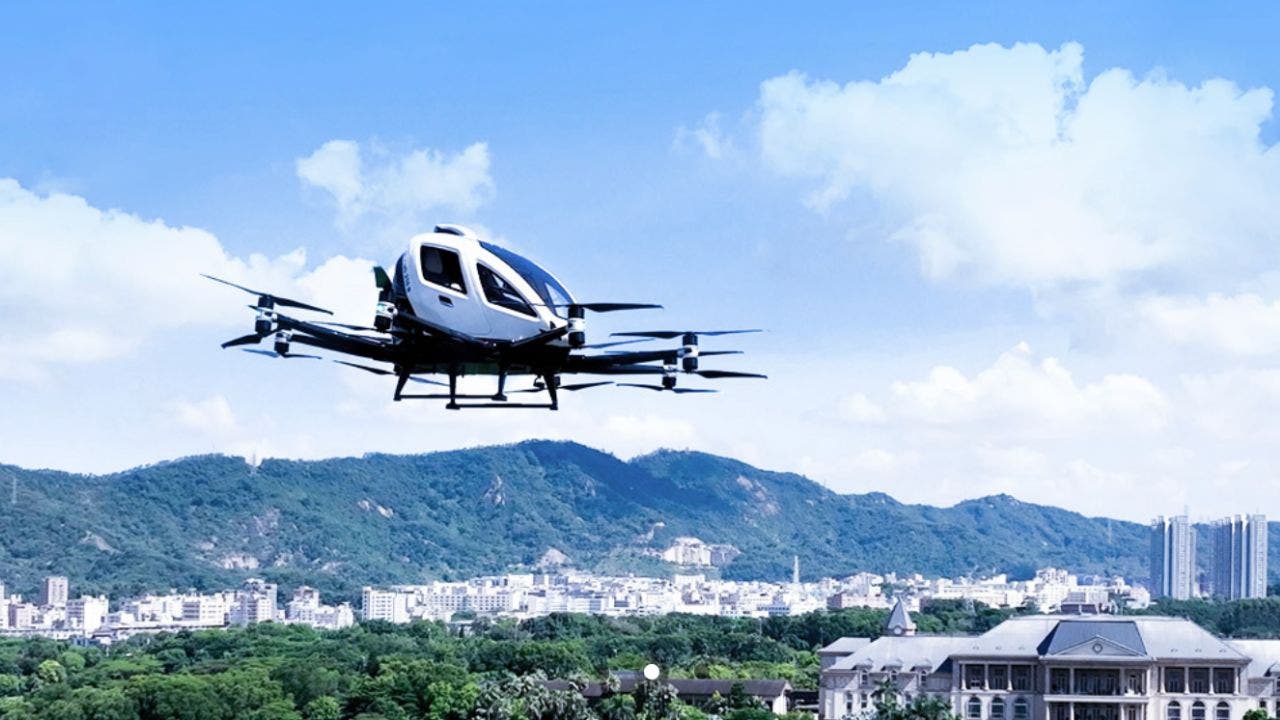
China-based company Ehang has become the first to receive airworthiness certification for its fully autonomous, electric-powered air taxis. The EH216-S air taxis are electric vertical take-off and landing (eVTOL) aircraft that can carry up to two passengers or 600 pounds of cargo. They can fly at speeds of up to 80 mph and distances of up to 18 miles, and are controlled by a centralized command center. The air taxis do not require traditional infrastructure and can take off and land vertically from any flat surface. Ehang conducted over 40,000 test flights and underwent a rigorous evaluation process to obtain certification. The air taxis have various applications for urban air mobility, including transportation, delivery, and emergency services. However, challenges remain in terms of regulation, technology, market demand, and social acceptance.
China-based company Ehang has become the first in the world to receive airworthiness certification for its fully autonomous, passenger-carrying air taxis. The EH216-S air taxis are electric vertical take-off and landing (eVTOL) aircraft that can carry up to two passengers or 600 pounds of cargo. They are controlled by a centralized command center and can take off and land vertically from any flat surface. The air taxis have multiple redundancies in their systems and use electric power to reduce emissions. Ehang conducted over 40,000 test flights and underwent a rigorous evaluation process to obtain certification. The air taxis have potential applications in urban air mobility, including transportation, delivery, and emergency services. However, challenges remain in terms of regulation, technology, market demand, and social acceptance.
The Paris region is planning for a small fleet of electric flying taxis to operate on multiple routes when it hosts the 2024 Olympic and Paralympic Games next summer. Volocopter of Germany could be the first to fly taxis commercially if European regulators give their OK. The limited power of battery technology restricts the range and number of paying passengers they can carry, so eVTOL hops are likely to be short and not cheap at the outset. Manufacturers of eVTOLs aim in the coming decade to unfurl fleets in cities and on more niche routes for luxury passengers.
The aviation industry is preparing to launch electric flying taxis, with Paris planning for a small fleet to operate on multiple routes during the 2024 Olympic and Paralympic Games. German company Volocopter could be the first to fly taxis commercially if European regulators give their OK. However, the limited power of battery technology restricts the range and number of paying passengers they can carry, so eVTOL hops are likely to be short and not cheap at the outset. Manufacturers of eVTOLs aim to unfurl fleets in cities and on more niche routes for luxury passengers, but they need technological leaps so flying taxis don’t crash into each other and all the other things already congesting the skies or expected to take to them in very large numbers.
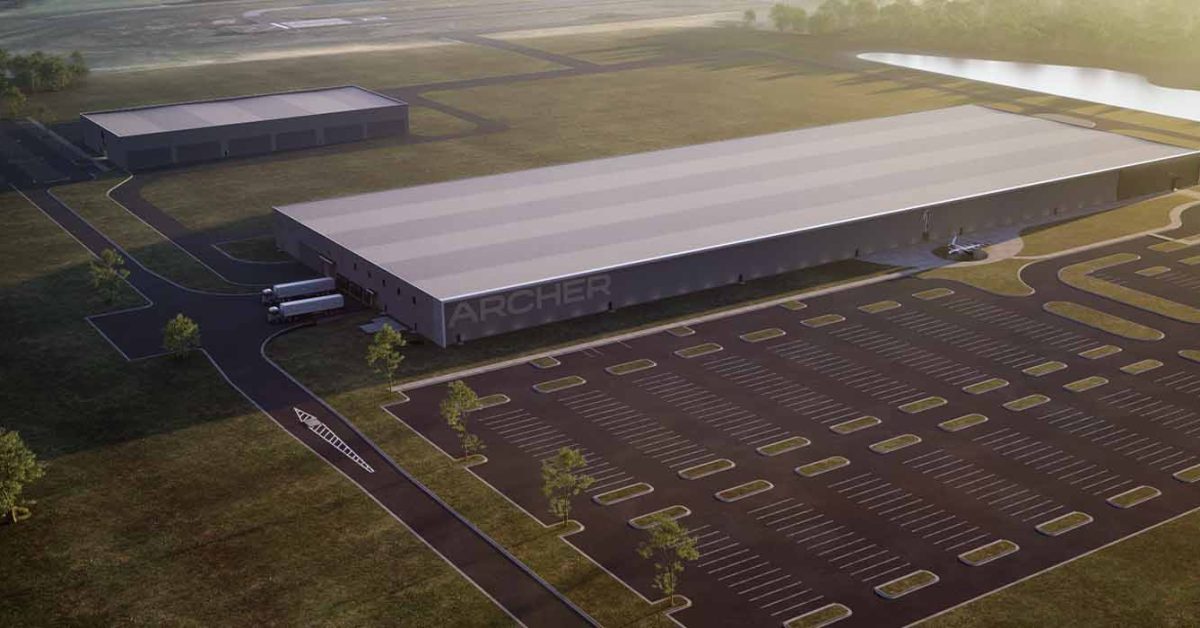
Stellantis and Archer Aviation have shared a progress update on their partnership to bring mass production of eVTOLs to the US. The high-volume eVTOL production facility is currently under construction in Georgia and is expected to produce up to 650 eVTOL aircraft per year with room for expansion to support up to 2,300 in all. The partners plan to leverage their respective strengths to rapidly scale US production and achieve Urban Air Mobility (UAM) commercialization.