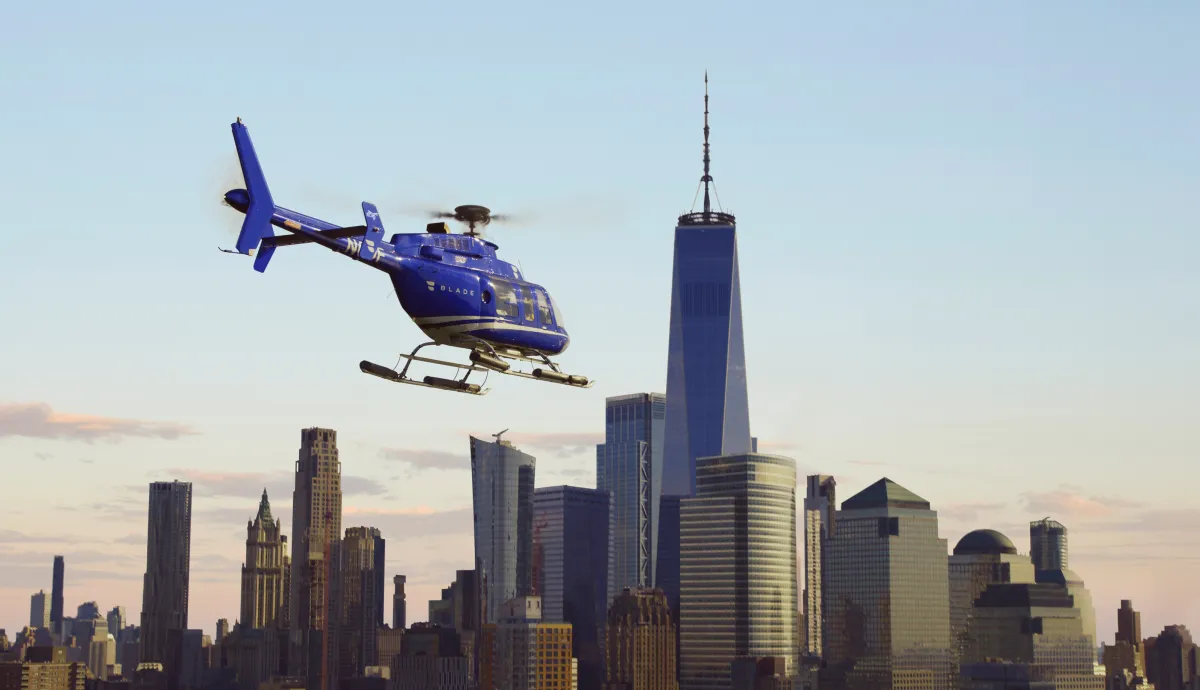
Uber plans to add Blade's helicopters to its platform as early as 2026, starting with popular routes near New York City and Southern Europe, as part of its broader goal to launch electric air taxis with Joby Aviation, which acquired Blade's passenger business last month.
Archer Aviation, a $5.5 billion company developing electric vertical take-off and landing aircraft, aims to revolutionize urban air mobility similar to Tesla's impact on cars. With progressing aircraft production, government partnerships, and expanding markets, it is positioned for growth despite current losses and industry challenges. Wall Street analysts are optimistic, with a median target price suggesting significant upside, making it a potential long-term investment for those willing to accept short-term risks.
Joby Aviation is acquiring Blade Air Mobility's helicopter ride-share business for up to $125 million to accelerate its electric air taxi launch, boosting its stock by 22%, and is also partnering with L3Harris to develop military VTOL aircraft. The deal grants Joby access to key locations like Newark and Manhattan heliports, with plans to start commercial service in Dubai by 2026 and expand production. Despite positive developments, Wall Street's consensus on Joby stock is moderate, with a significant downside potential based on current price targets.
Joby Aviation is considering acquiring Blade Air Mobility, a helicopter ride-share service, to expand its market for battery-powered air taxis, though no final decision has been made.
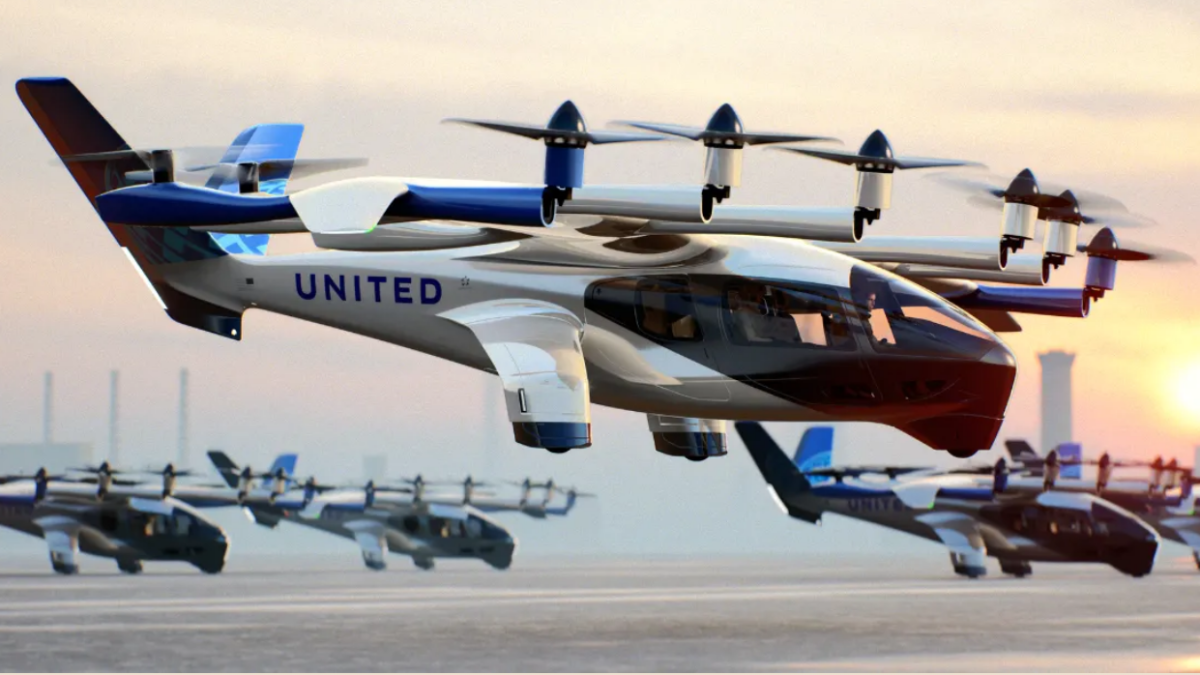
Archer Aviation has secured $850 million in funding, boosting its cash reserves to nearly $2 billion, signaling strong investor confidence in its plans to develop electric air taxis and expand into commercial operations, supported by favorable government policies and strategic partnerships like with United Airlines. Despite not yet generating revenue, its stock has surged 260% over the past year, and analysts give it a moderate buy rating with a slight upside potential.
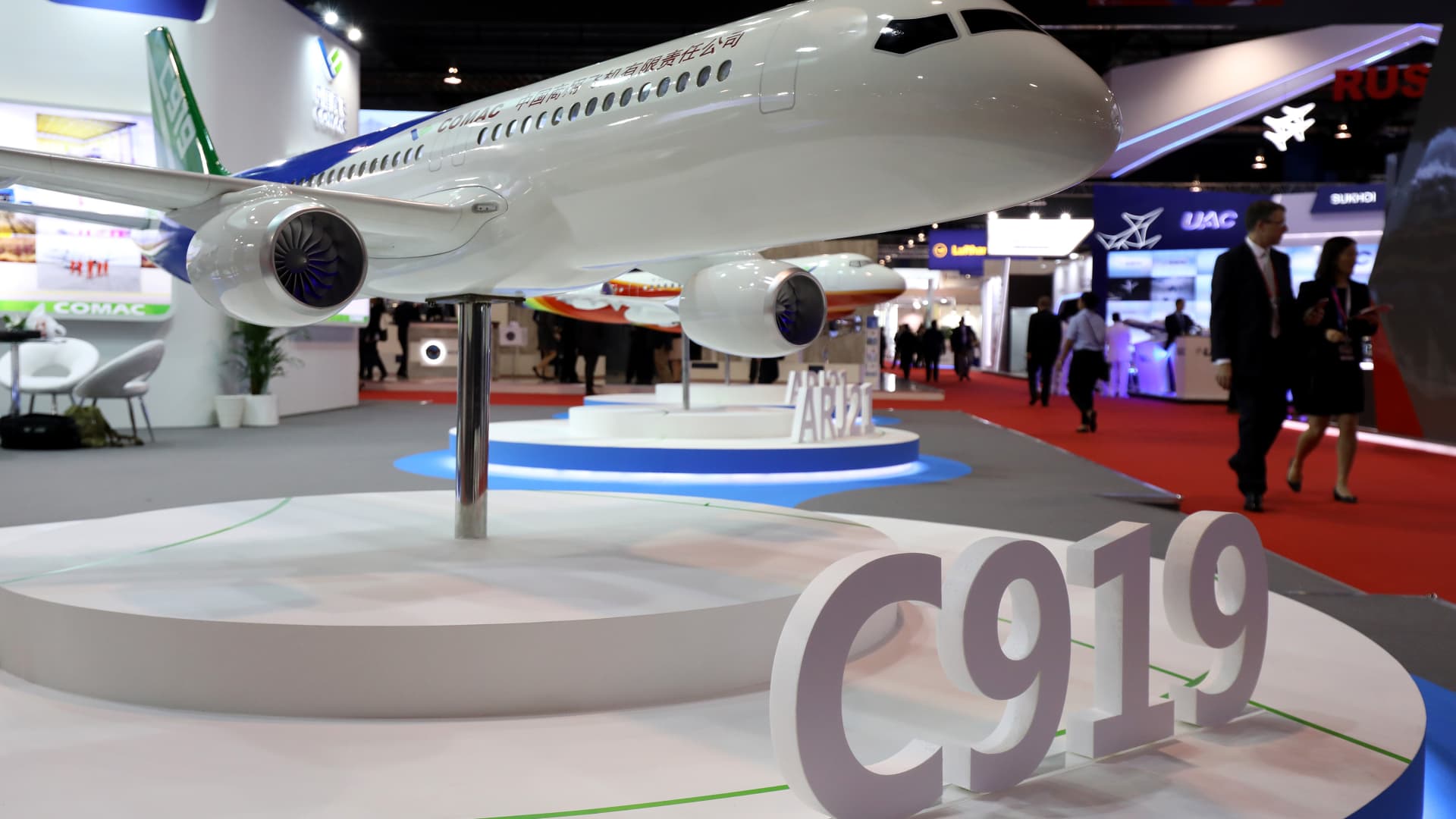
China will debut its Comac C919 aircraft at the Singapore Airshow, which will also feature aerial acrobatics and displays by aerospace industry leaders. The event will focus on defense aviation and private jets, with a spotlight on emerging air mobility technologies such as air taxis. The International Air Transport Association predicts a gradual recovery for the airline industry, particularly in the Asia-Pacific region, with full recovery expected by 2024.
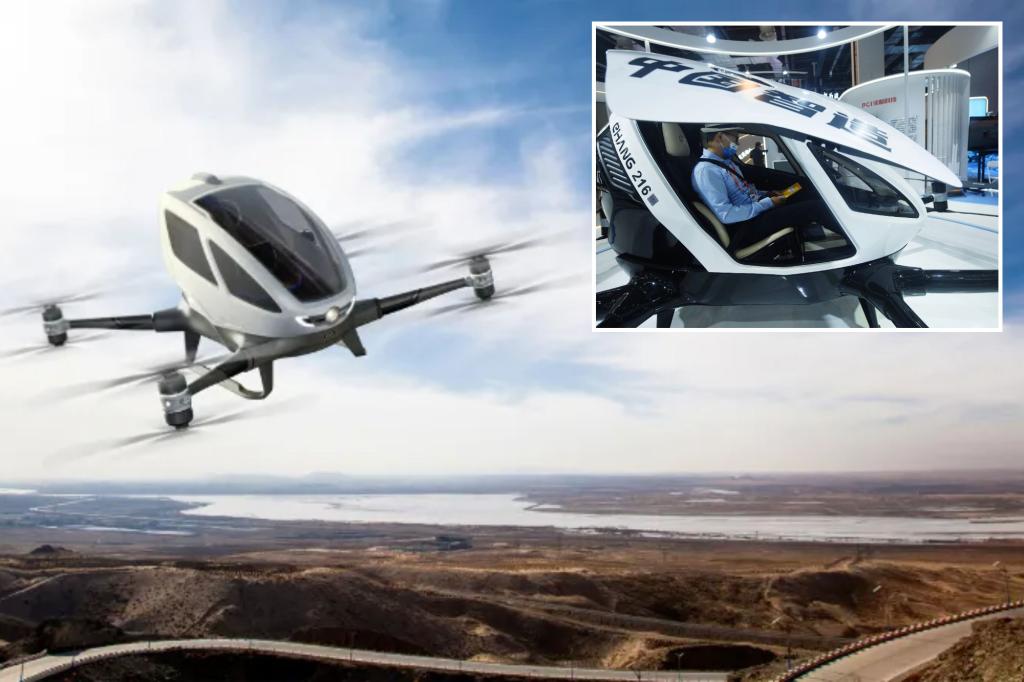
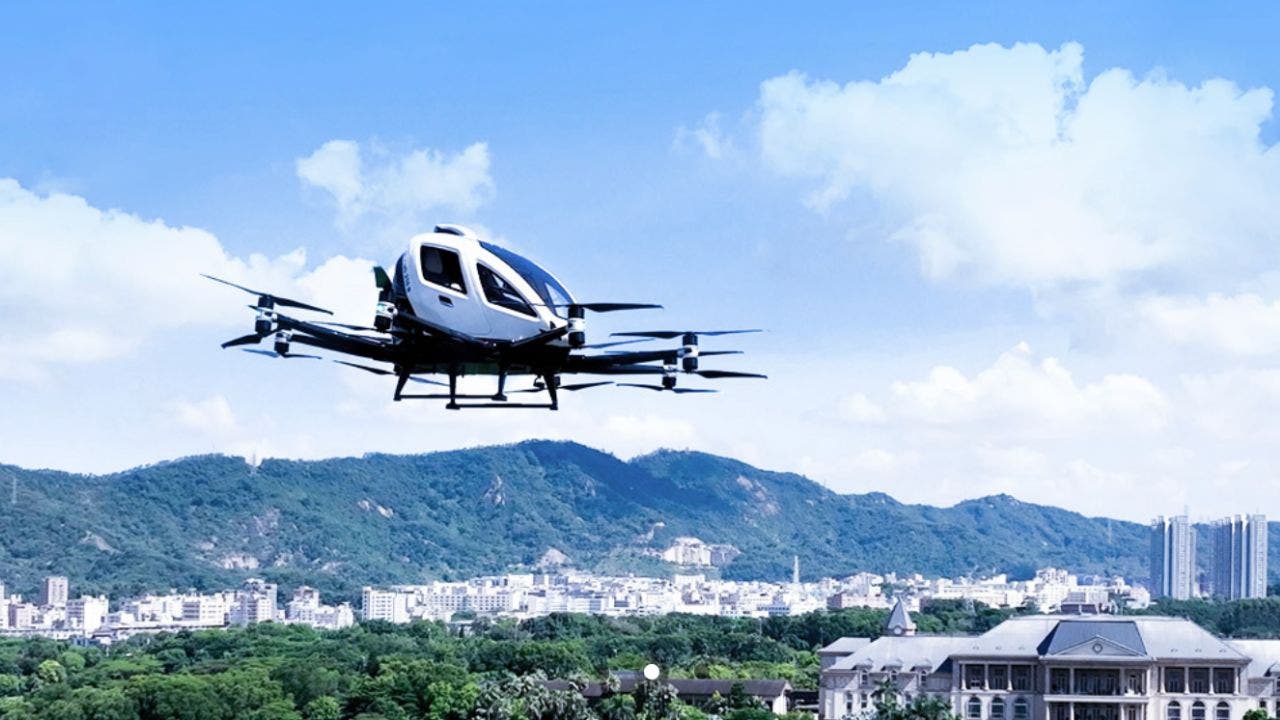
China-based company Ehang has become the first to receive airworthiness certification for its fully autonomous, electric-powered air taxis. The EH216-S air taxis are electric vertical take-off and landing (eVTOL) aircraft that can carry up to two passengers or 600 pounds of cargo. They can fly at speeds of up to 80 mph and distances of up to 18 miles, and are controlled by a centralized command center. The air taxis do not require traditional infrastructure and can take off and land vertically from any flat surface. Ehang conducted over 40,000 test flights and underwent a rigorous evaluation process to obtain certification. The air taxis have various applications for urban air mobility, including transportation, delivery, and emergency services. However, challenges remain in terms of regulation, technology, market demand, and social acceptance.
China-based company Ehang has become the first in the world to receive airworthiness certification for its fully autonomous, passenger-carrying air taxis. The EH216-S air taxis are electric vertical take-off and landing (eVTOL) aircraft that can carry up to two passengers or 600 pounds of cargo. They are controlled by a centralized command center and can take off and land vertically from any flat surface. The air taxis have multiple redundancies in their systems and use electric power to reduce emissions. Ehang conducted over 40,000 test flights and underwent a rigorous evaluation process to obtain certification. The air taxis have potential applications in urban air mobility, including transportation, delivery, and emergency services. However, challenges remain in terms of regulation, technology, market demand, and social acceptance.
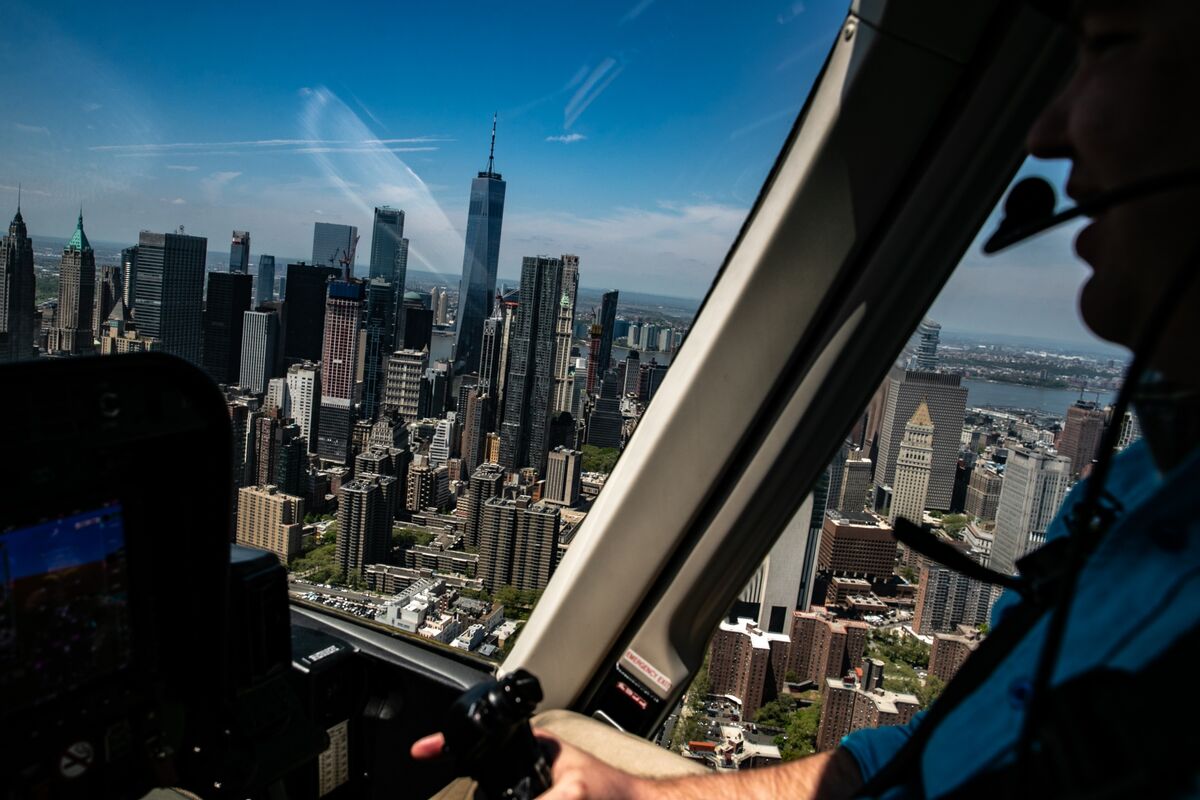
NASA is conducting a study to ensure the safety of fully autonomous flight technology for air taxis. The research involves evaluating how autonomous software can work with flight navigation tools by investigating how human pilots interact with the new technology. NASA's research pilots, software developers, and flight engineers are collaborating to gather data on human pilots' reactions to ground control instructions, aircraft controls, and other factors during flight. The study will use biometric indicators to measure workload and stress levels, providing insights into pilots' tendencies. The data will be used to improve future autonomous systems, paving the way for air taxi operations in the U.S. airspace.
NASA's Solid-state Architecture Batteries for Enhanced Rechargeability and Safety (SABERS) program has developed a sodium selenium solid-state battery with an energy density of 500 watt-hours per kilogram, double that of conventional lithium-ion batteries. The battery can discharge ten times faster than when the research started and is up to 40% lighter due to innovations in design. It can withstand higher temperatures and is less affected by changes in pressure, making it suitable for aircraft. The cost remains a challenge, but the battery's potential for thousands of flights makes it economically viable for airlines and air taxi companies. NASA is also involved in researching advanced air mobility and integrating air taxis into existing flight corridors.
The Paris Air Show's first-ever Paris Air Mobility section showcased next-generation electric takeoff and landing (eVTOL) air taxis, with leading sector companies Archer and Volocopter attracting enormous crowd interest. The event allowed the public to interact with emerging transportation they'll soon be seeing aloft and taking for their own inner-urban travel. The emphasis makers are placing on passenger comfort and flight information tailored to each trip was visible in the full-sized eVTOLs displayed.
United Airlines has partnered with Archer Aviation to offer air taxi service from Vertiport Chicago to O'Hare International Airport starting in 2025. The electric vertical takeoff and landing aircraft will be part of Archer's urban air mobility network. The companies are working with city and state officials to ensure proper infrastructure is in place. Pricing for the service is currently unknown.