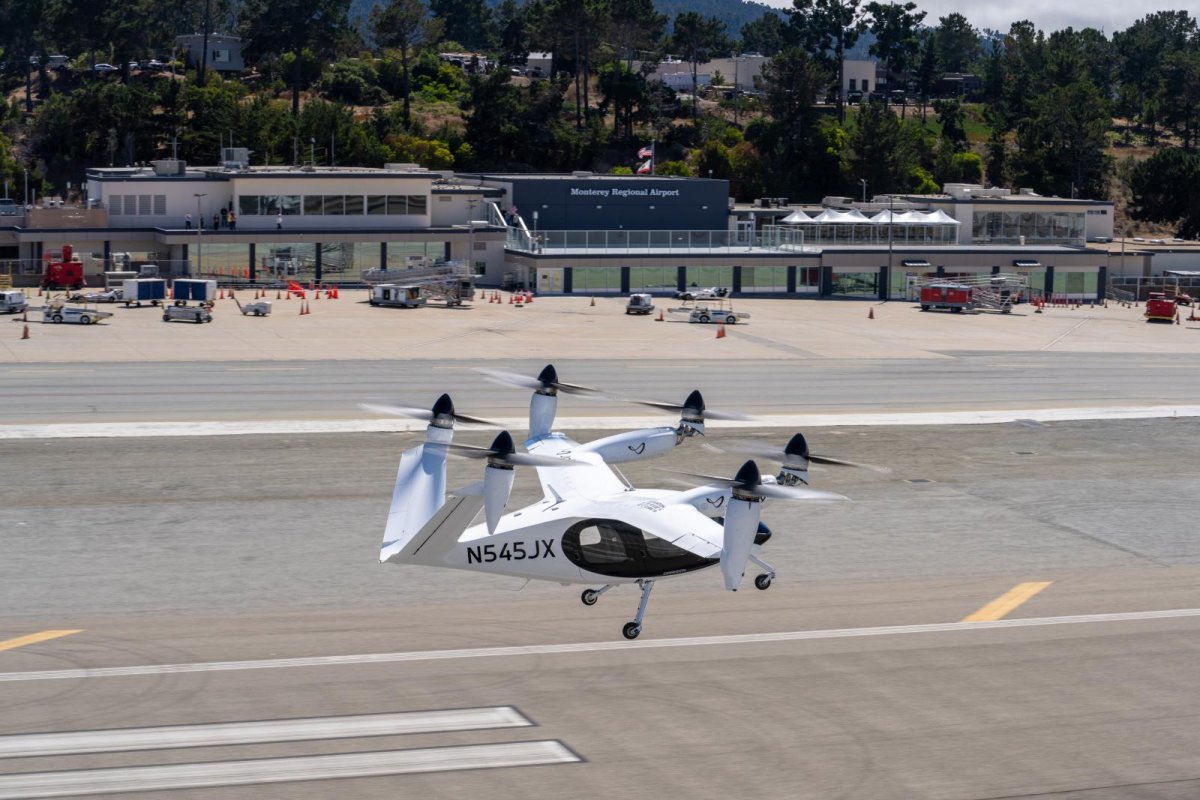
The Florida Department of Transportation plans to launch flying taxis along the I-4 corridor by the end of 2026 to reduce road congestion, with infrastructure development and regulatory approvals underway for this innovative air mobility network across Florida.
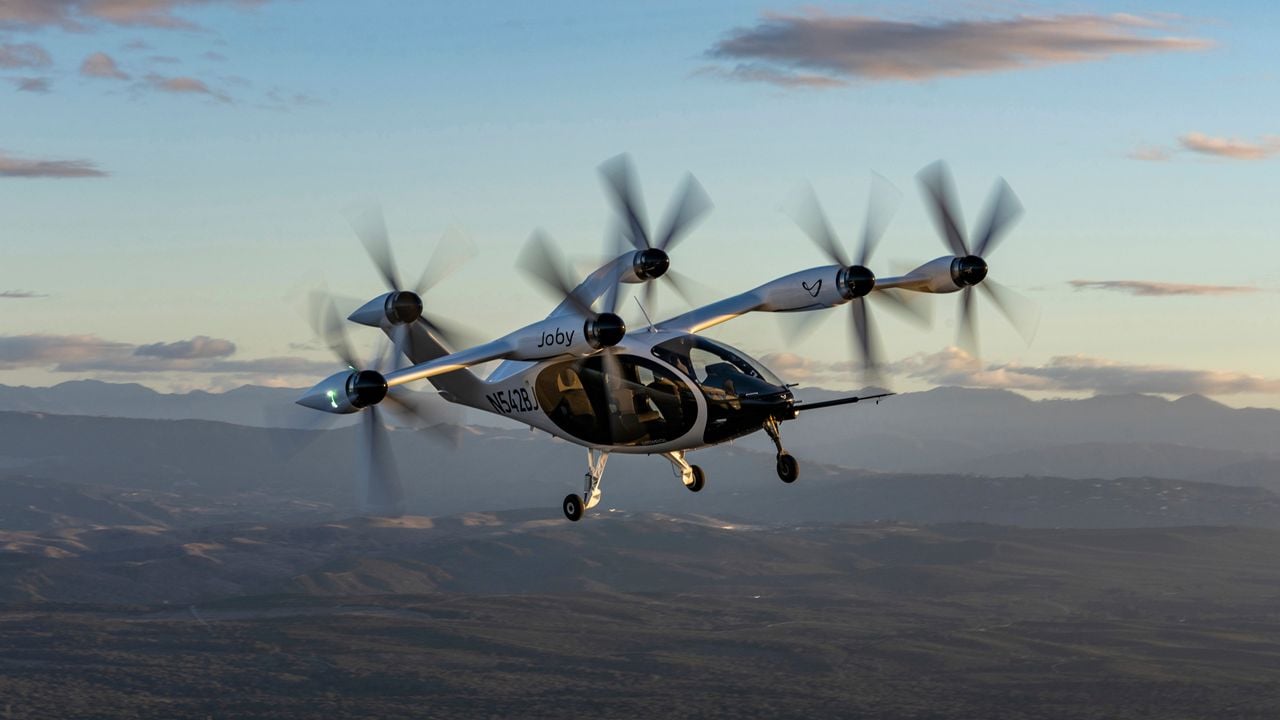
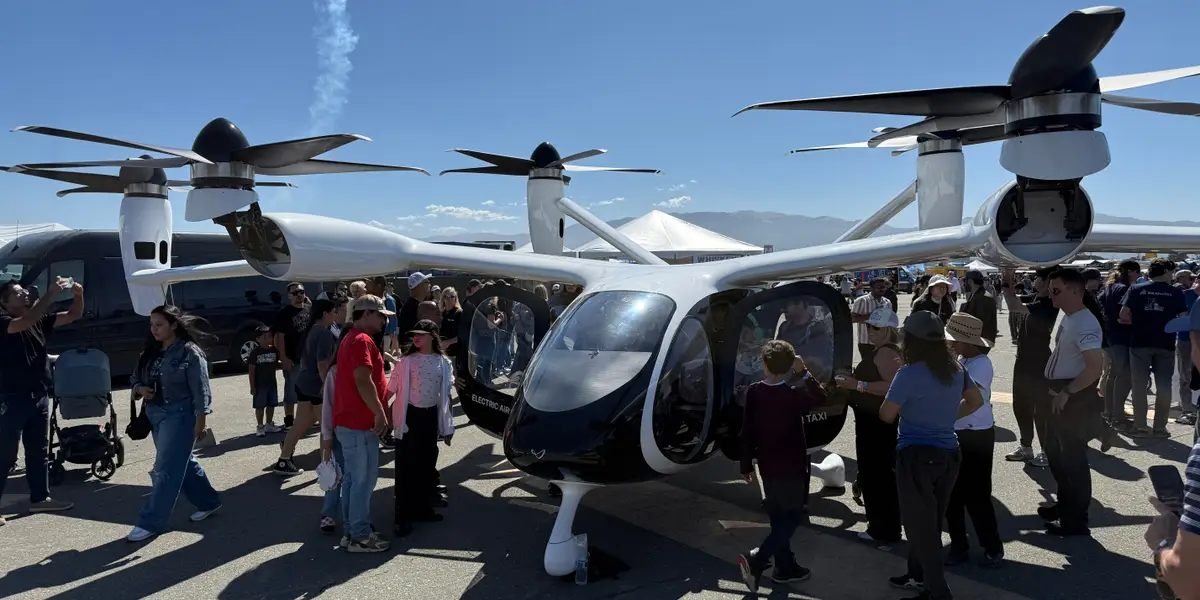
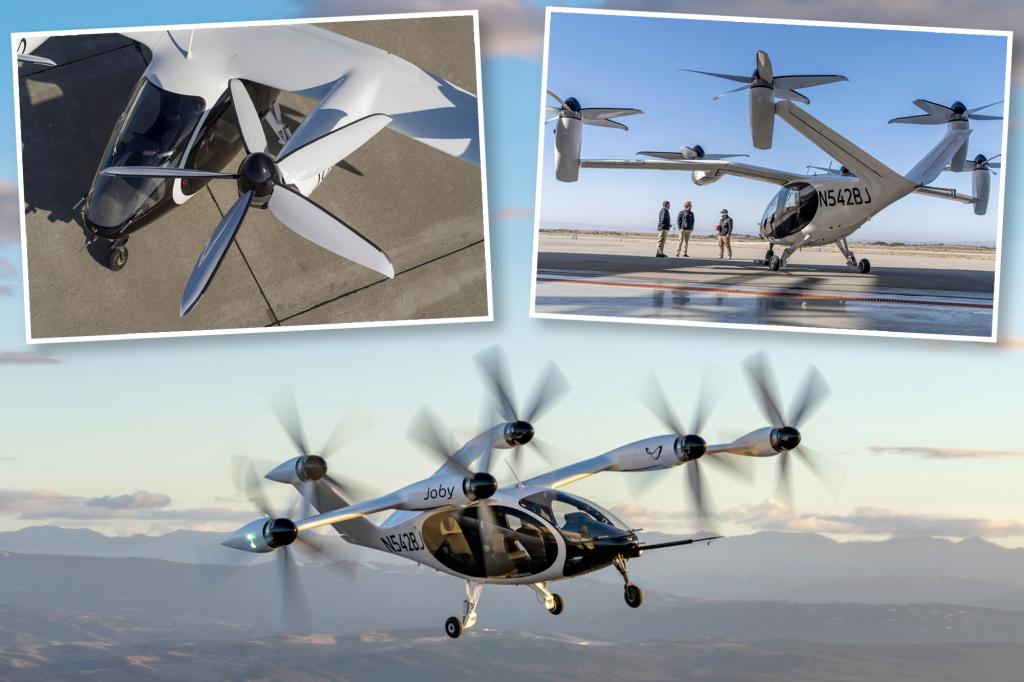
Flying taxis by Joby and Archer Aviation demonstrated their electric vertical take-off and landing aircraft at a California airshow, showcasing their potential to revolutionize urban transportation with quieter, efficient, and innovative air vehicles aiming to carry passengers within the next few years.
The Trump administration announced a three-year pilot program led by the FAA to develop and test electric flying taxis through public-private partnerships, aiming to revolutionize urban transportation with companies like Joby Aviation and Archer Aviation participating in the initiative.
Archer Aviation (ACHR) is gaining investor interest as a leader in the emerging flying taxi market, with its eVTOL aircraft poised to revolutionize urban travel. Despite being pre-revenue, Archer's $6 billion order book and strategic partnerships position it well in a market projected to reach $9 trillion by 2050. The company is progressing towards FAA certification and plans to produce 650 aircraft annually by 2025. Recent financial results show a net loss, but analysts remain optimistic, rating the stock a Strong Buy with a significant upside potential.
German air taxi firm Lilium has received regulatory approval from the European Union Aviation Safety Agency to design and operate its electric vertical takeoff and landing vehicles. The approval, known as "Design Organization Approval," allows Lilium to manufacture its aircraft while industry rules are being developed. The company aims to launch commercial flights by 2025 and faces competition from Boeing, Airbus, and German start-up Volocopter in the emerging air taxi market.
Ohio Governor Mike DeWine has announced a $500 million investment in a production facility for electric vertical takeoff and landing (eVTOL) vehicles, bringing flying taxis closer to reality. Joby Aviation, one of the companies racing to bring these vehicles to market, has accepted $325 million in government incentives to open the plant and expects to offer ride-sharing services as early as 2025. The relatively quiet and high-tech eVTOLs can accommodate four passengers and a pilot, and have already logged 30,000 hours of testing. Joby has partnered with major transportation and tech companies, including Toyota, Delta Air Lines, and Intel. The selected site in Ohio is close to the Air Force Research Laboratory, and Joby plans to manufacture up to 500 eVTOLs per year.
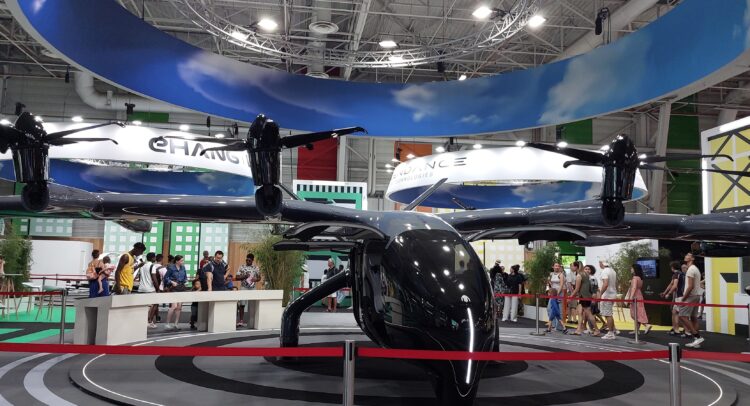
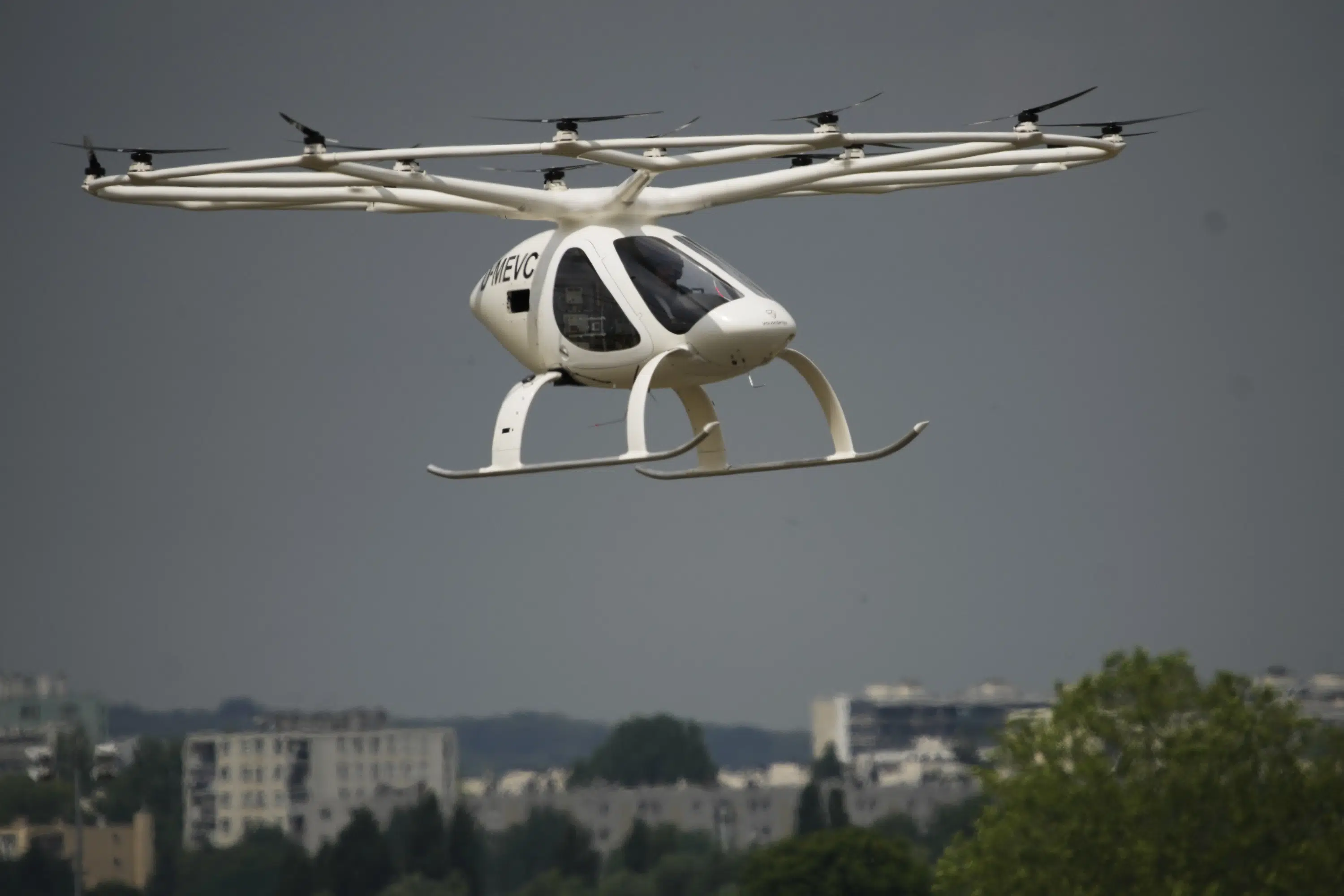
The Paris region is planning for a small fleet of electric flying taxis to operate on multiple routes when it hosts the 2024 Olympic and Paralympic Games next summer. Volocopter of Germany could be the first to fly taxis commercially if European regulators give their OK. However, the limited power of battery technology restricts the range and number of paying passengers they can carry, so eVTOL hops are likely to be short and not cheap at the outset.
The aviation industry is preparing to launch electric flying taxis, with Paris planning for a small fleet to operate on multiple routes during the 2024 Olympic and Paralympic Games. German company Volocopter could be the first to fly taxis commercially if European regulators give their OK. However, the limited power of battery technology restricts the range and number of paying passengers they can carry, so eVTOL hops are likely to be short and not cheap at the outset. Manufacturers of eVTOLs aim to unfurl fleets in cities and on more niche routes for luxury passengers, but they need technological leaps so flying taxis don’t crash into each other and all the other things already congesting the skies or expected to take to them in very large numbers.