Joby Aviation, a California-based company backed by Toyota, aims to launch commercial electric air taxi service in 2025. The founder, JoeBen Bevirt, believes that electric vertical takeoff and landing (eVTOL) aircraft can provide a safer, quieter, and more economically viable mode of transportation. Joby Aviation is focused on improving battery technology and reducing costs to make air taxis accessible for daily use. The company is currently working on pilot training, building infrastructure, and operational processes. Despite financial losses, Joby Aviation remains confident in achieving its goal of commercial service by 2025.

The development of eVTOLs and flying cars is progressing, with several companies making advancements in design, technology, and testing. Alef Aeronautics received the first Special Airworthiness Certification from the US Federal Aviation Administration for its electric flying vehicle. Other companies, such as Samson Sky, XPENG AEROHT, LEO Flight Corporation, ASKA, and Alauda Aeronautics, are also making progress in their respective projects. While challenges remain, including certification requirements and technical development, the future of flying cars and eVTOLs in transforming air transport looks promising.
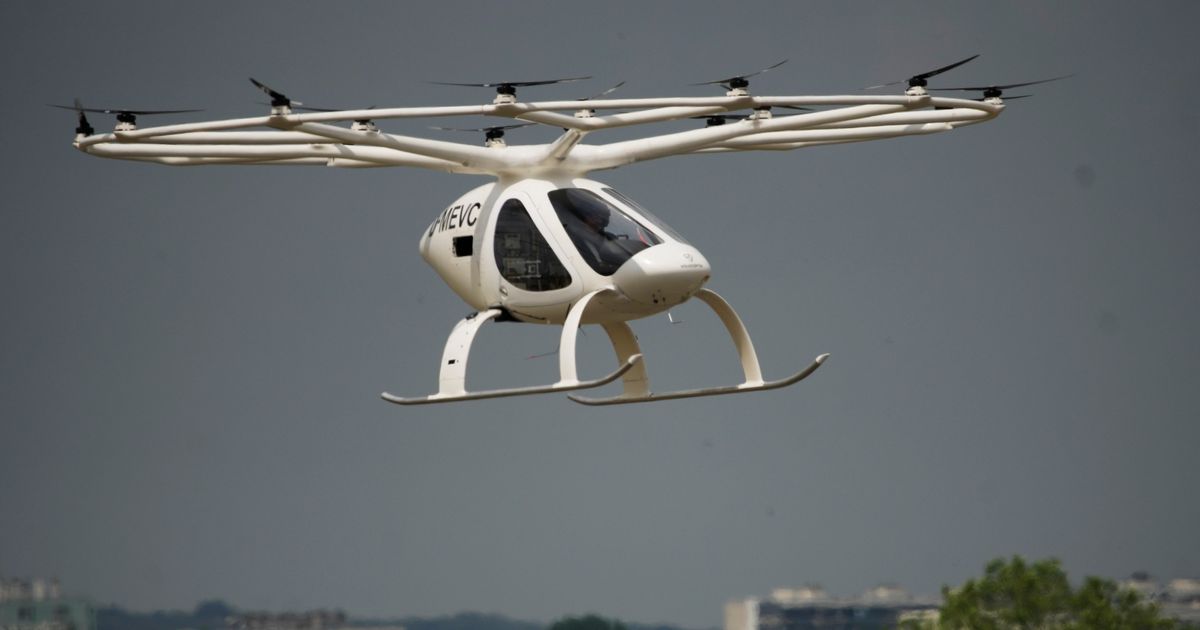
The Paris Air Show's first-ever Paris Air Mobility section showcased next-generation electric takeoff and landing (eVTOL) air taxis, with leading sector companies Archer and Volocopter attracting enormous crowd interest. The event allowed the public to interact with emerging transportation they'll soon be seeing aloft and taking for their own inner-urban travel. The emphasis makers are placing on passenger comfort and flight information tailored to each trip was visible in the full-sized eVTOLs displayed.
The Paris region is planning for a small fleet of electric flying taxis to operate on multiple routes when it hosts the 2024 Olympic and Paralympic Games next summer. Volocopter of Germany could be the first to fly taxis commercially if European regulators give their OK. The limited power of battery technology restricts the range and number of paying passengers they can carry, so eVTOL hops are likely to be short and not cheap at the outset. Manufacturers of eVTOLs aim in the coming decade to unfurl fleets in cities and on more niche routes for luxury passengers.
The Paris region is planning for a small fleet of electric flying taxis to operate on multiple routes when it hosts the 2024 Olympic and Paralympic Games next summer. Volocopter of Germany could be the first to fly taxis commercially if European regulators give their OK. However, the limited power of battery technology restricts the range and number of paying passengers they can carry, so eVTOL hops are likely to be short and not cheap at the outset.