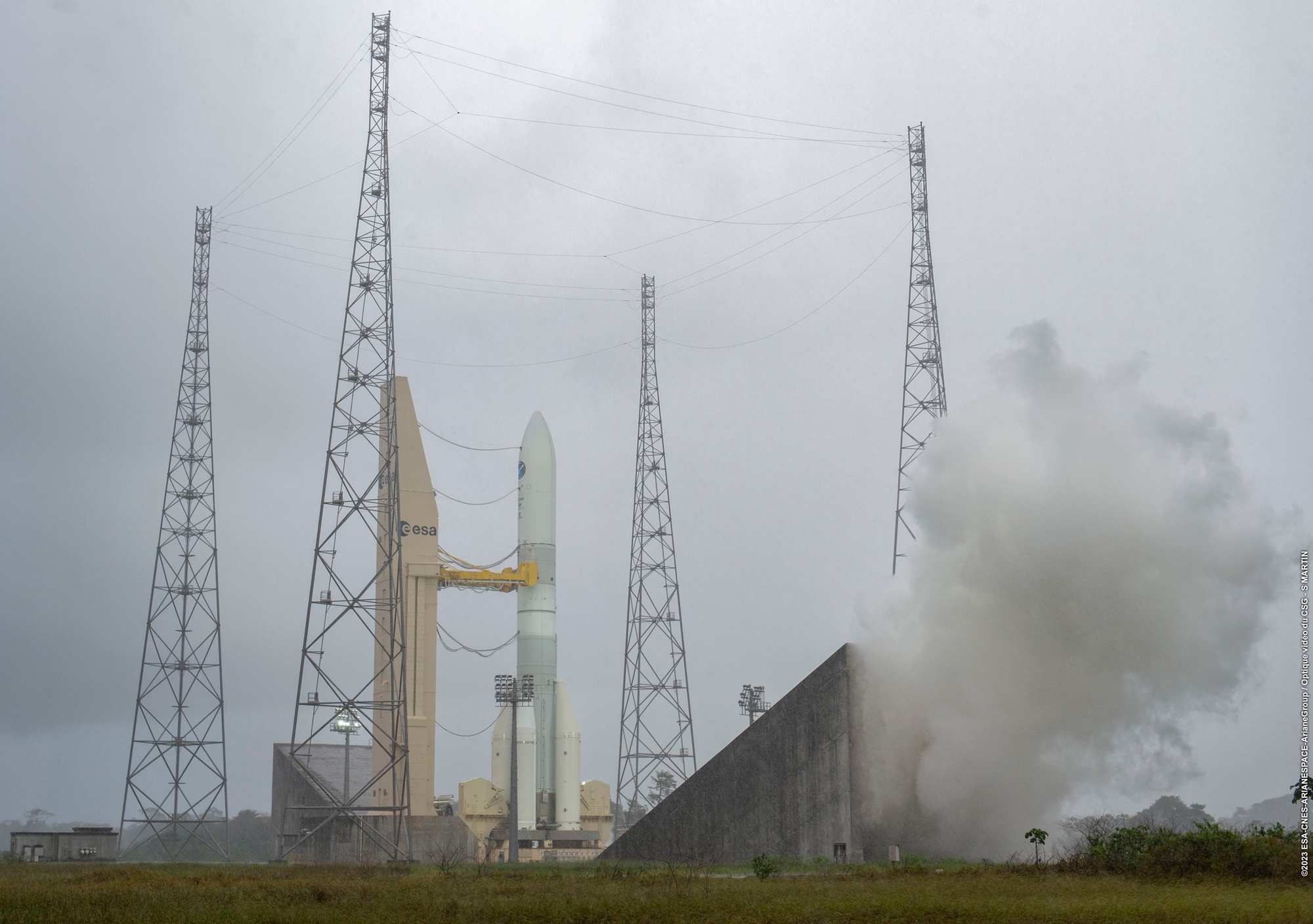
The European Space Agency (ESA) has confirmed that the first launch of the Ariane 6 rocket is still on track for mid-2024, despite an aborted test of its upper stage. The recent test, known as CTLO3, was successful and demonstrated the rocket's readiness for launch. However, a previous test of the upper stage, called HFT-4, was aborted due to parameters exceeding predetermined thresholds. ESA is investigating the cause of the abort but remains confident that it will not impact the Ariane 6's inaugural flight schedule. Additional tests are planned for early 2024, with the first Ariane 6 launch hardware expected to arrive in mid-February.
The European Space Agency (ESA) has announced that its long-delayed Ariane 6 rocket is "ready to go" in terms of its ability to launch, despite concerns about the performance of its upper stage. Recent tests showed mixed results, with an aborted test due to parameters going beyond thresholds, but a successful launch countdown rehearsal. The ESA remains confident that investigations into the failed test will not impact the schedule for the inaugural flight of Ariane 6, which is expected to take place in 2024.
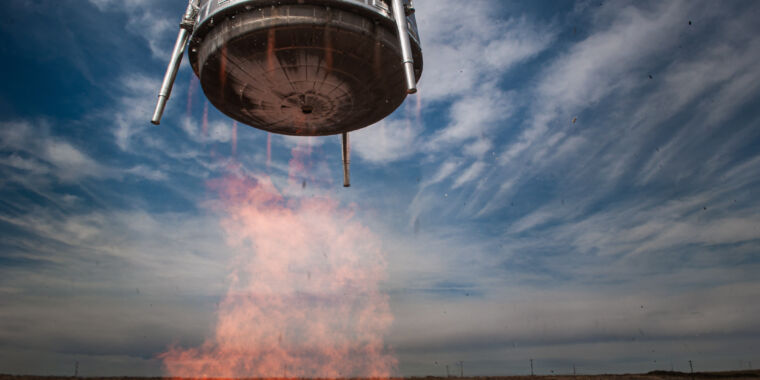
Stoke Space, a small launch company, successfully flew its upper stage rocket for the first time in a short test flight. The flight demonstrated the performance of the company's oxygen-hydrogen engine, throttle control system, avionics, software, and ground systems. Stoke Space aims to develop a fully reusable rocket, with the upper stage designed to fly back to Earth and land vertically. The company plans to focus on developing a more traditional first stage and aims for a 2025 debut of its rocket. Stoke Space has been allocated a launch complex at Cape Canaveral Space Force Station and has the potential to become the second company to build a fully reusable rocket.