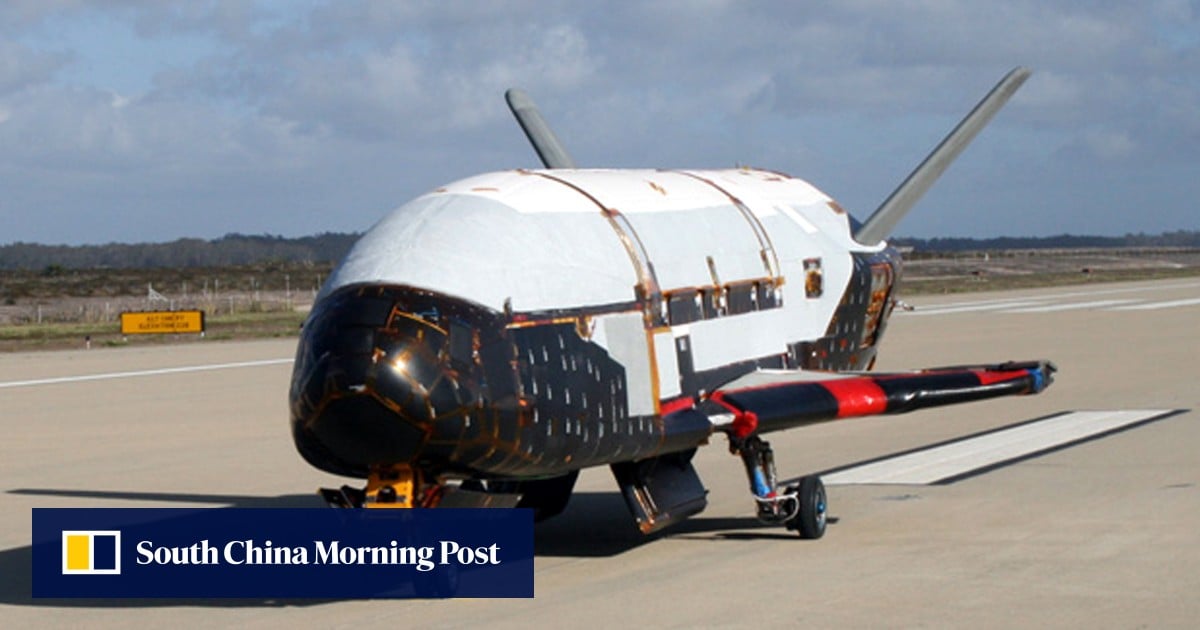
China has launched its reusable space plane, Shenlong, for the third time. The spacecraft, which conducts space science experiments and provides technical support for the peaceful use of space, was launched from the Jiuquan Satellite Launch Center. The launch comes just seven months after the spacecraft's last mission, a much quicker follow-up compared to previous launches. The timing of the launch coincided with the delay of the US Space Force's X-37B reusable space plane launch. Both China and the US are interested in each other's space planes, as they offer the capability to put something in orbit, perform tasks, and return with results.
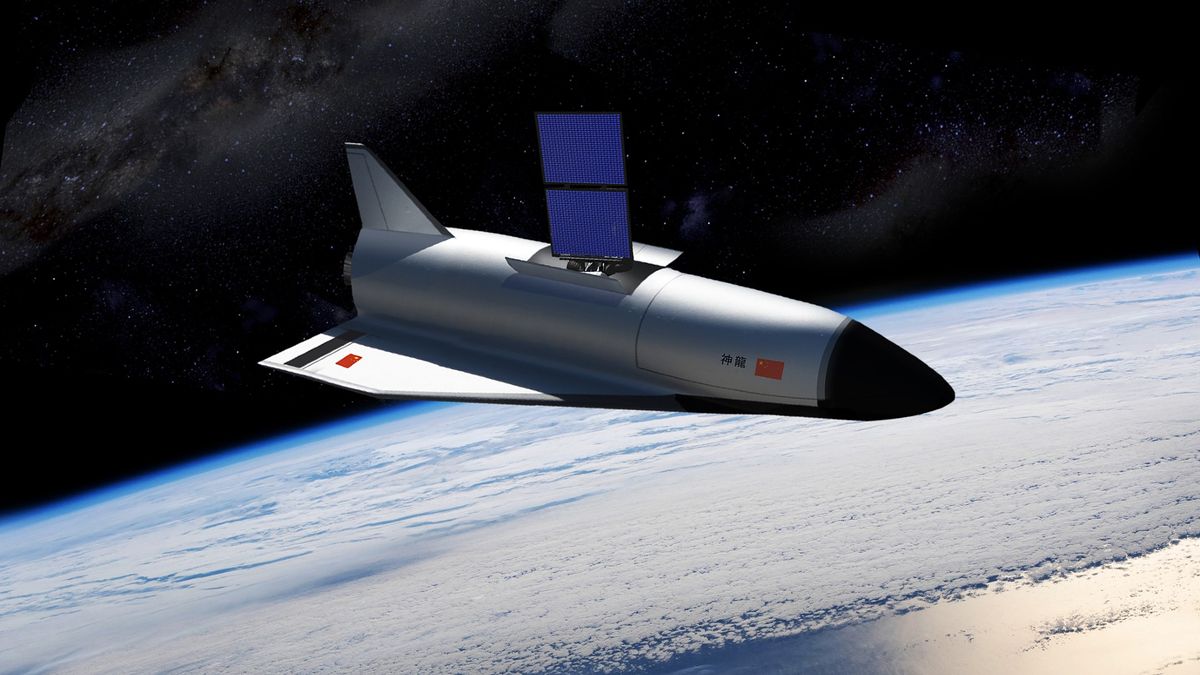
China has launched its reusable space plane, Shenlong, for the third time, just seven months after its last mission. The spacecraft's purpose is to conduct space science experiments and provide technical support for the peaceful use of space. The close timing of China's space plane launch and the delay of the US Space Force's X-37B launch suggests that both countries are interested in each other's space planes. Little is known about Shenlong, but it is believed to be used for testing new payloads and orbital operations.
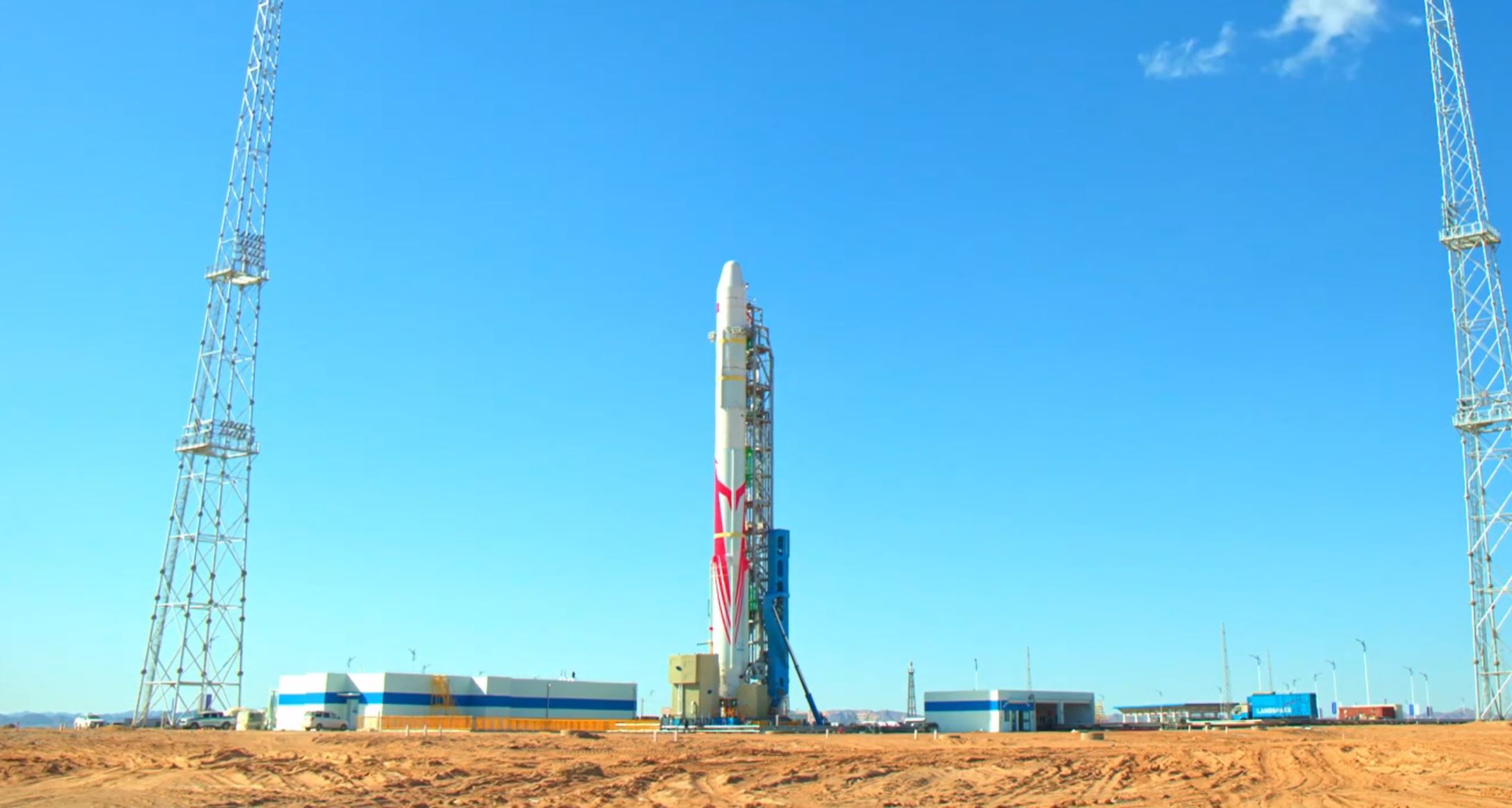
Chinese launch startup Landspace has announced plans to develop a reusable stainless steel rocket called Zhuque-3. The rocket will feature stainless propellant tanks and Tianque methane-liquid oxygen propellant rocket engines. It will have a payload capacity of 20 metric tons to low Earth orbit (LEO) when expendable, with recovery of the first stage allowing for 16.5 tons to LEO. Landspace's announcement comes shortly after SpaceX's second Starship/Super Heavy launch test. The development of the stainless steel rocket will present challenges related to weight and manufacturing complexities. Landspace faces competition from other Chinese startups also working on reusable liquid propellant rockets.
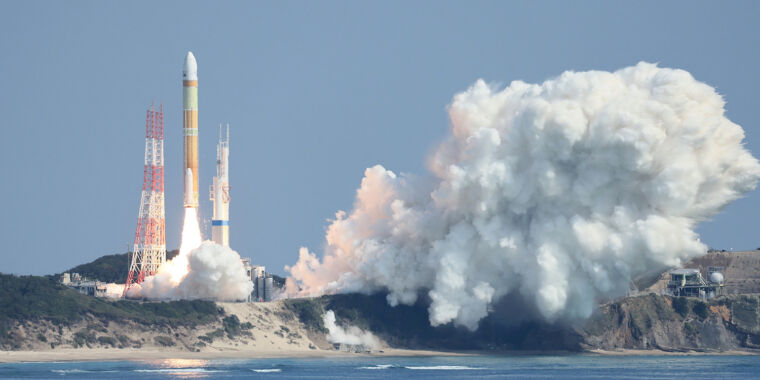
Japan's space agency, JAXA, is collaborating with Mitsubishi Heavy Industries to study the development of a reusable rocket as a replacement for the H3 rocket. The H3 rocket, which debuted in March, suffered a failure during its first flight. The new rocket, expected to start flying in the 2030s, aims to reduce launch costs and improve transportation capacity by reusing parts. The design and fuel for the rocket have not been finalized yet. Japan's move towards a reusable rocket follows the success of SpaceX's reusable rockets and is part of the country's updated space policy plan.
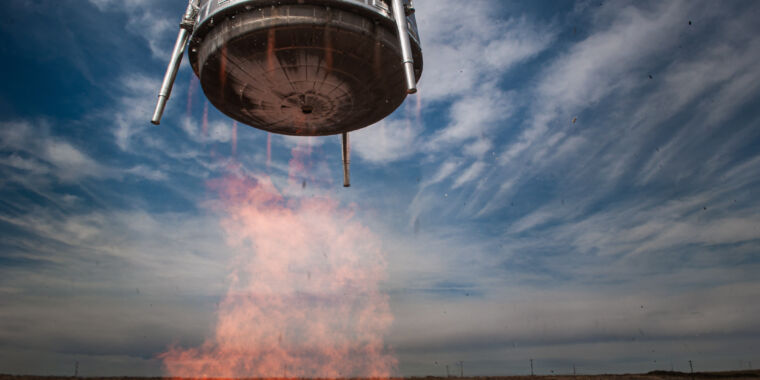
Stoke Space, a small launch company, successfully flew its upper stage rocket for the first time in a short test flight. The flight demonstrated the performance of the company's oxygen-hydrogen engine, throttle control system, avionics, software, and ground systems. Stoke Space aims to develop a fully reusable rocket, with the upper stage designed to fly back to Earth and land vertically. The company plans to focus on developing a more traditional first stage and aims for a 2025 debut of its rocket. Stoke Space has been allocated a launch complex at Cape Canaveral Space Force Station and has the potential to become the second company to build a fully reusable rocket.
China's secret reusable unmanned spacecraft has returned to Earth after spending 276 days in orbit, marking an "important breakthrough." The classified craft, which is suspected to be used for intelligence gathering, is believed to be similar in size and design to the US Air Force's X-37B. Little is known about the spacecraft.
SpaceX's Starship rocket is almost 100 feet taller than the Statue of Liberty when fully assembled. It's the tallest and most powerful rocket ever built, generating about 17 million pounds of thrust. The rocket is designed to be fully reusable, including the booster, and uses stainless steel for its body. Elon Musk plans to use Starship to take humans to the moon and Mars, and NASA has teamed up with SpaceX for future crewed missions.
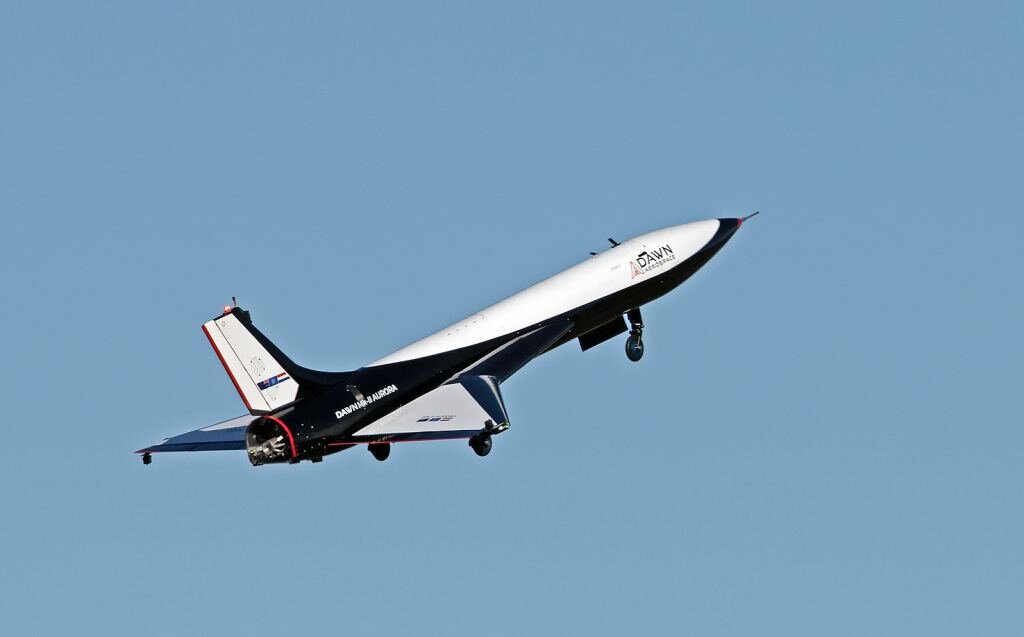
Dawn Aerospace has successfully tested a prototype rocket-powered spaceplane, which can decrease the cost of getting into Earth's orbit or beyond. The drone-like Mk II can launch cargo, fly up to 100 km to deposit payloads, and return to its runway. The company hopes to be the first to do so. The Mk III will include a non-reusable second stage that will help lift payloads of up to a ton into suborbital flight and 250kg into orbit itself. Dawn Aerospace operates out of the US, New Zealand, and the Netherlands.