The article criticizes an FDA panel for exaggerating the risks of antidepressant use during pregnancy, highlighting the importance of maternal mental health and the author's personal experience of safely continuing medication during pregnancy, arguing that such misinformation could hinder women’s access to necessary treatment.
A mother in Northern Ireland who experienced postpartum psychosis was detained in a psychiatric hospital away from her baby for five weeks, highlighting the urgent need for specialized mother and baby units in the region, similar to those in Great Britain, to improve care and outcomes for mothers with mental health issues.
Pregnant women and new mothers in the U.S. are facing a severe mental health crisis, with mental health conditions being the leading cause of pregnancy-related deaths. Suicides and overdoses account for nearly a quarter of these deaths, and rates of depression, anxiety, and other serious mental health issues are rising. Despite a slight decrease in maternal deaths in 2022, experts warn that more data is needed to confirm a true decline. Limited mental health screenings and a shortage of mental health providers exacerbate the issue, and the overturning of Roe v. Wade may further impact maternal mental health due to an increase in unplanned pregnancies.
Pregnant women and new mothers in the U.S. are facing a severe mental health crisis, with mental health conditions being the leading cause of pregnancy-related deaths. Maternal mortality rates have surged by 60% between 2019 and 2021, driven by suicides and overdoses. Despite a slight dip in maternal deaths in 2022, experts warn that more data is needed to confirm a true decline. Limited mental health screenings and a shortage of mental health providers exacerbate the issue, while unplanned pregnancies following the overturning of Roe v. Wade may further impact maternal mental health.
UPMC is raising awareness about maternal mental health, which is often overlooked and affects women facing conditions like infertility, postpartum pregnancy, and menopause. Dr. David Silver emphasizes the need for more resources to support women, including psychiatrists, nurse practitioners, and therapists. The CDC reports that one in eight women experience postpartum depression, with 50% going untreated, and mortality rates are significantly high in minority women. UPMC is working to increase accessibility to resources, and the National Maternal Mental Health Hotline is available for support.
UCLA researchers have found that "eldest daughter syndrome" may be related to a mother's depression, stress, and anxiety during pregnancy, leading to first-born daughters taking on more responsibilities and maturing earlier to help care for their siblings. A 15-year longitudinal study of 253 mother-child pairs revealed a correlation between high levels of prenatal stress and early signs of adrenal puberty in first-born daughters. The study emphasizes the lifelong impacts of prenatal emotional and environmental factors on women and their offspring, highlighting the need for greater access to healthcare and well-being for pregnant mothers.
A new evidence review published in JAMA Psychiatry highlights the underrecognized contribution of mental illness to maternal mortality in the US, with mental health disorders responsible for nearly 1 in 4 maternal deaths. The review emphasizes the need to prioritize maternal mental health, improve access to comprehensive maternity care, and address social determinants of health. Racial disparities in maternal mental health treatment and the impact of limitations to reproductive health care are also highlighted, with recommendations including universal maternal mental health screening and public education about family planning options.
Woman's Hospital in Baton Rouge has been granted permits to begin construction on a $4.6 million perinatal mental health unit, the first of its kind in Louisiana, to address the needs of pregnant and postpartum women. With maternal mental health disorders being the leading cause of pregnancy-related deaths in the U.S., the unit aims to provide support for issues such as anxiety, birth-related PTSD, and perinatal and postpartum depression, which affect one in five women. Louisiana, with the fifth-highest maternal mortality rate in the country, has recognized the importance of improving maternal mental health care, and the new unit is expected to open in September, offering a critical step in the postpartum healing process.
Utah women are creating life-changing resources for mothers experiencing postpartum depression and other maternal mental health challenges. ANYA (A New You Again) offers a free Facebook community, retreats, and a paid membership that includes therapy sessions and support circles. The Sad Moms Club podcast aims to educate and connect women to resources such as therapists and support groups. Serenity Recovery and Wellness provides specialized care for women during the reproductive years, offering therapy and support groups to prevent hospitalization and separation from their children. These resources aim to end the stigma surrounding postpartum depression and provide hope and healing for mothers in Utah.
Treating postnatal depression with selective serotonin reuptake inhibitors (SSRIs) not only benefits mothers but also improves child behavior, according to a study analyzing data from over 61,000 mothers and their children. The study found that SSRI treatment led to reduced maternal depression, improved partner relationships, and fewer child behavioral difficulties such as ADHD symptoms up to five years after childbirth. These findings challenge concerns about the long-term impact of SSRIs and suggest that they offer a net positive effect for families affected by postnatal depression.
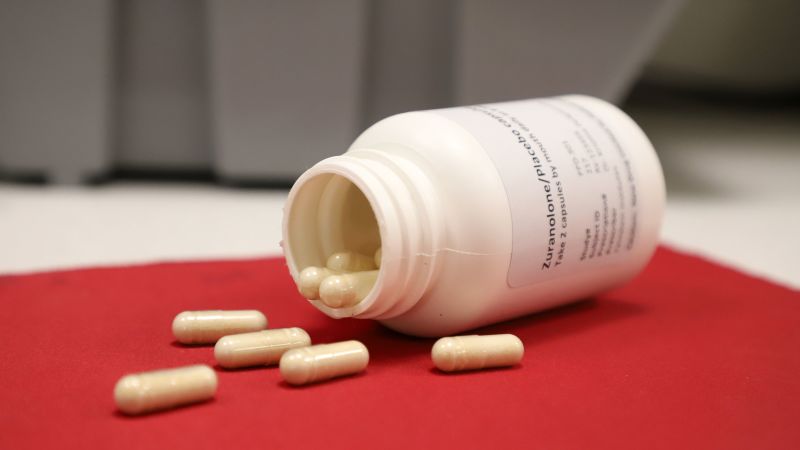
Zuranolone, a postpartum depression medication, has been granted "priority review" by the FDA and is currently being considered for approval. In a phase three trial, women who took a daily 50-milligram dose of zuranolone for 14 days showed significant improvements in depressive symptoms compared to those who received a placebo. The improvements were still reported 28 and 45 days later. Side effects of zuranolone included drowsiness, dizziness, and sedation, but none were severe. The medication is seen as a potential quick and effective treatment for postpartum depression, particularly for women who face barriers to accessing long-term treatments. However, further studies are needed to assess the long-term impact and its effects on breastfeeding mothers and patient-child interaction.
A phase three trial has shown that zuranolone, a postpartum depression medication, is safe and effective in treating severe postpartum depression. The trial involved 196 women who took a daily 50-milligram dose of zuranolone for 14 days and reported significant improvements in depressive symptoms compared to those who received a placebo. The benefits were still observed 28 and 45 days later. Zuranolone has been granted "priority review" by the FDA and a decision on its approval is expected by August 5. The medication offers a rapid antidepressant effect, a short treatment course, and a generally well-tolerated side effect profile. However, further studies are needed to assess the long-term impact, including among breastfeeding mothers.
The National Maternal Mental Health Hotline, launched last Mother's Day, has received over 12,000 calls and texts in its first year, with a surge in January after a Massachusetts mother allegedly killed her children. The hotline provides support before, during, and after pregnancy and is staffed by nurses, doulas, and lactation consultants. The top reasons for calls were depression, anxiety, and feeling overwhelmed. The hotline is part of Vice President Kamala Harris' effort to improve maternal health and equity in the US, which has the highest maternal mortality rate among wealthy industrialized countries.