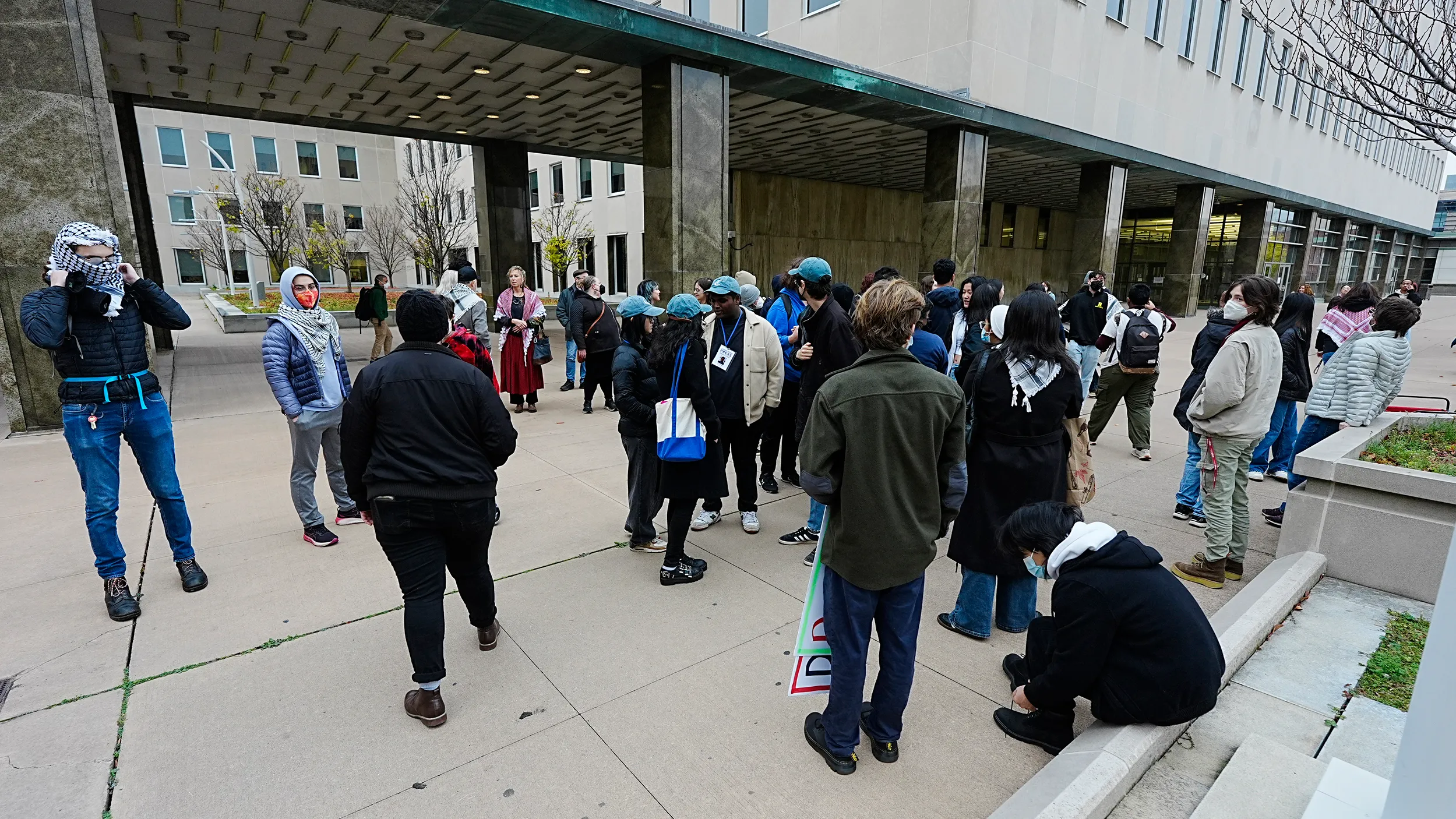
Four University of Rochester students were arraigned on charges of second-degree criminal mischief for allegedly causing over $6,000 in damage by posting 'wanted' posters on campus. The posters accused certain faculty members of complicity in the Gaza conflict, sparking controversy over antisemitism and free speech. The students, who face up to seven years in prison if convicted, were released on their own recognizance. The university plans to conduct its own review, while the incident has divided opinions among students and faculty.
A physicist from the University of Rochester, who previously made controversial claims about discovering a room-temperature superconductor, has left the institution. The departure follows scrutiny and skepticism from the scientific community regarding the validity of the research findings.
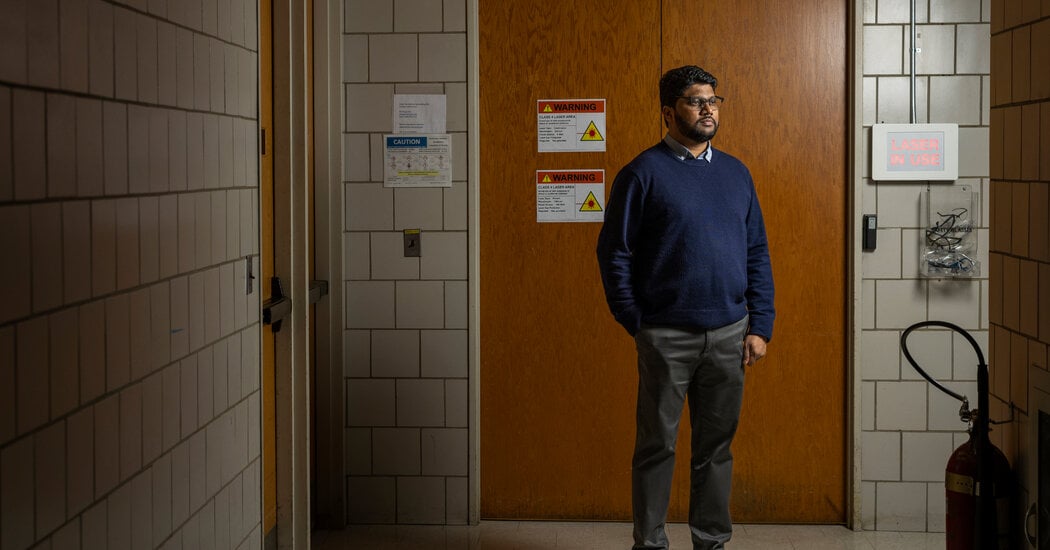
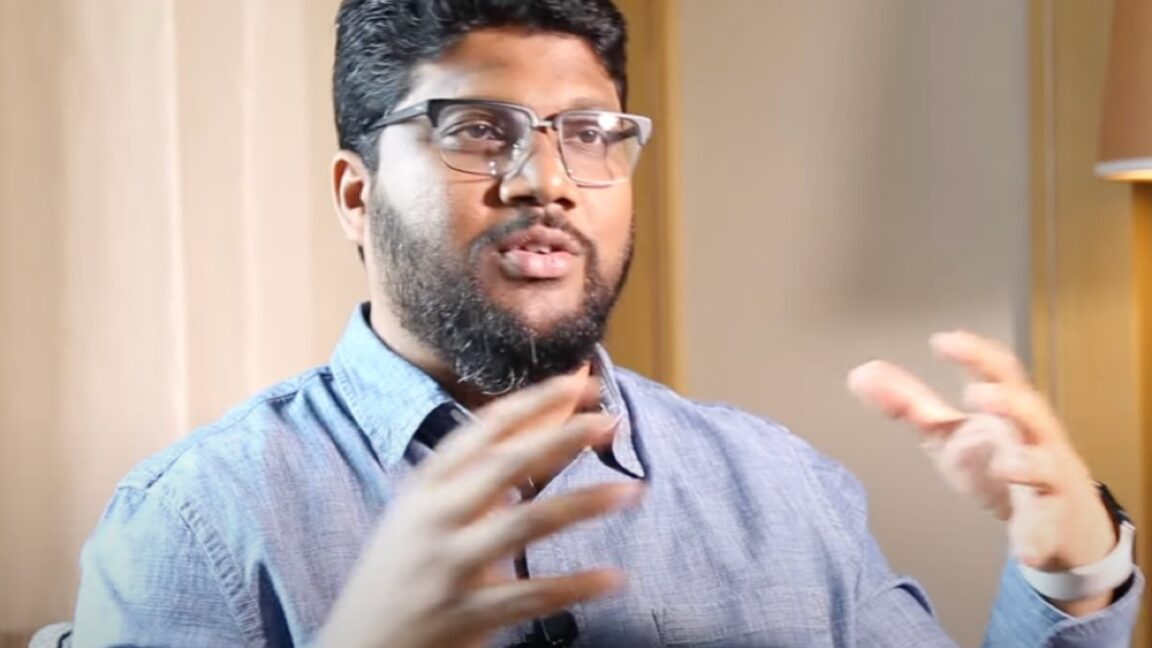
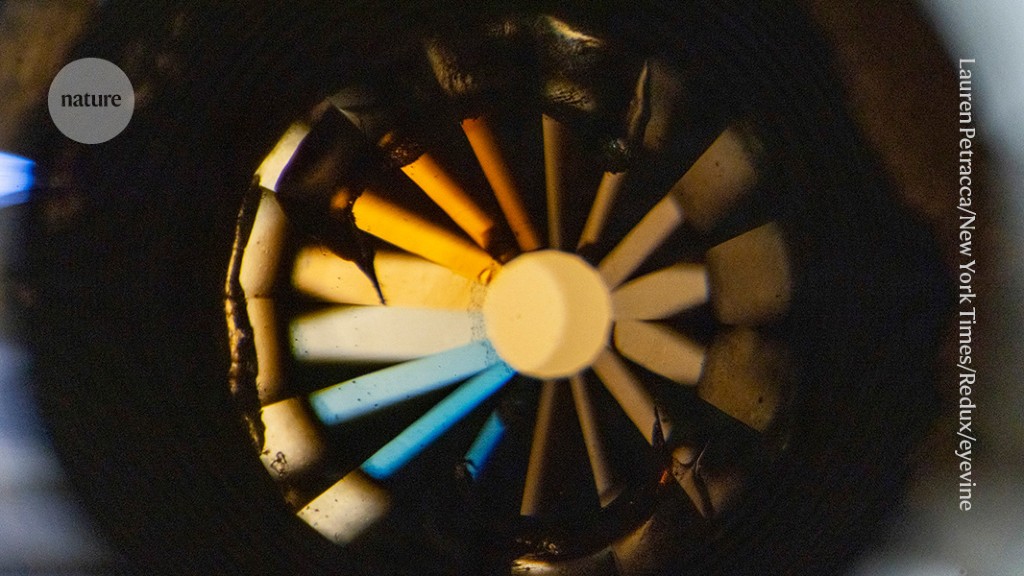
Physicist Ranga Dias has been terminated from the University of Rochester following a formal investigation that concluded he engaged in research misconduct related to his controversial claims of high-temperature superconductivity. Dias' papers, which initially reported breakthroughs in superconductivity at high temperatures, were retracted due to data reliability concerns. Despite Dias' denial of wrongdoing and a dismissed lawsuit claiming bias in the investigation, the university's decision was upheld by the Board of Trustees.
The University of Rochester is investigating antisemitic 'Wanted' posters targeting Jewish community members on campus. University President Sarah Mangelsdorf condemned the act as antisemitism, emphasizing it contradicts the institution's values. The posters, which caused damage due to strong adhesives, are being removed by facilities staff. Hillel, a Jewish campus organization, also denounced the posters and confirmed law enforcement's involvement in the investigation.
A study from the University of Rochester reveals that blinking not only keeps our eyes moist but also aids in processing visual information by providing the brain with information about the overall big picture of a visual scene. When we blink, the movement of the eyelid alters light patterns, creating a different kind of visual signal for the brain. This finding reinforces the idea that our vision is a combination of sensory input and motor activity, and adds to the growing body of evidence showing that the visual system is sensitive to temporal changes and uses them to represent spatial information.
A study from the University of Rochester reveals that blinking plays a critical role in visual perception by reshaping how visual information is processed, contrary to the common belief that it only helps keep the eyes moist. The research indicates that blinks are an active part of how we see, enhancing our ability to perceive the overall 'big picture' by modulating visual input to the retina and creating different luminance signals that aid in processing visual scenes. This challenges the traditional view of visual perception as a mostly passive process and suggests that vision, like other senses, involves a combination of sensory input and motor activity.
Physicist Ranga Dias, once celebrated for his claims of discovering room-temperature superconductors, has been embroiled in a scandal involving allegations of data manipulation and research misconduct. Investigations by the University of Rochester and Nature journal have revealed evidence of data fabrication and manipulation, leading to the retractions of Dias's papers. Former graduate students have come forward with accounts of how Dias concealed information, manipulated them, and shut them out of the research process. The scandal has raised questions about the handling of the situation by collaborators, the journal, and the university, and has caused serious harm to the careers of young scientists in the field.
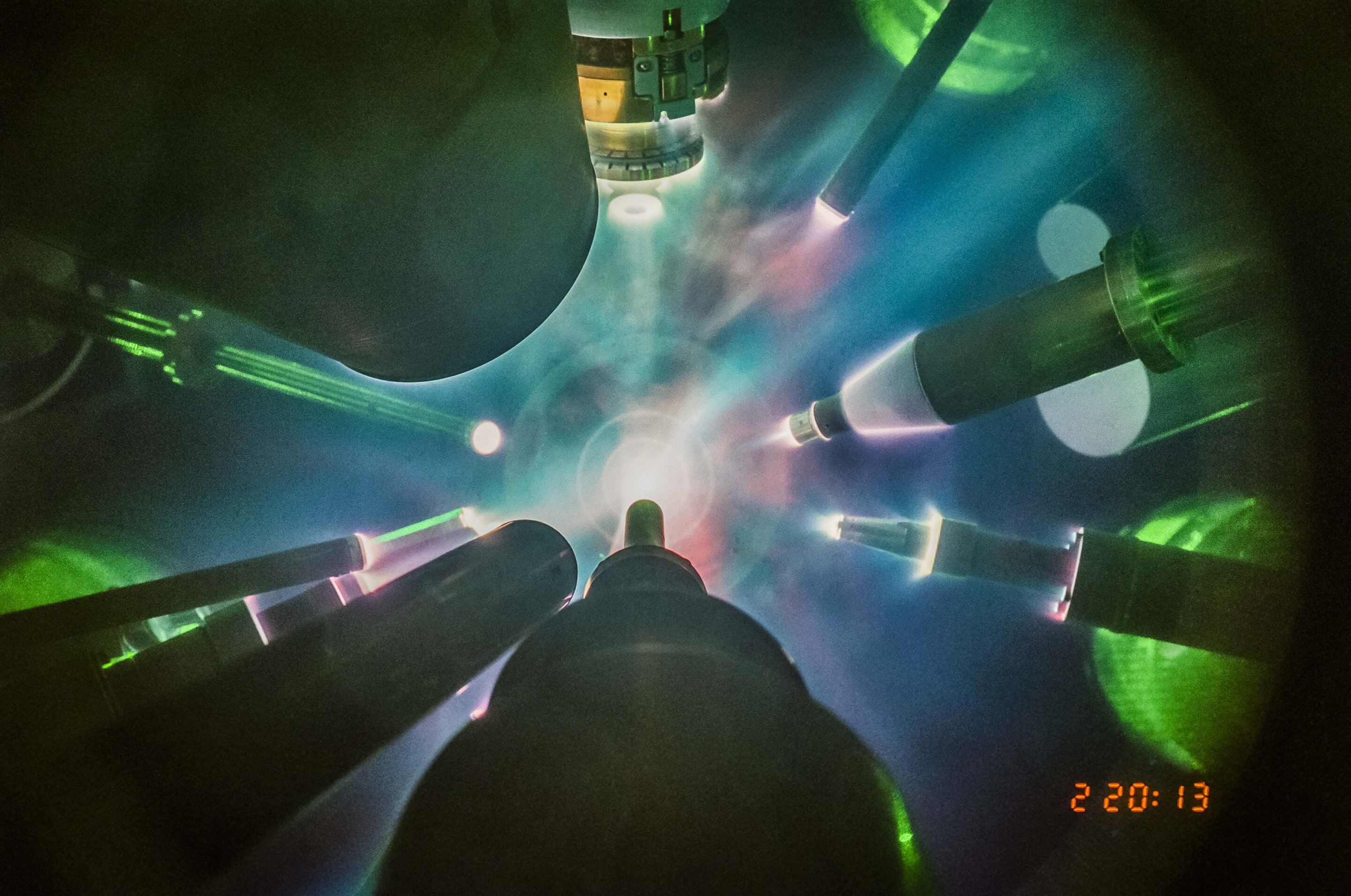
Scientists from the University of Rochester's Laboratory for Laser Energetics have developed an effective "spark plug" for direct-drive methods of inertial confinement fusion (ICF), demonstrating the ability to achieve fusion reactions that produce more energy than the amount of energy in the central hot plasma. The experiments, conducted using the OMEGA laser system, represent a significant step towards achieving fusion at a future facility and offer promising implications for the future of laser fusion technology.
The journal Nature has retracted a second paper on high-temperature superconductivity, despite objections from Ranga P. Dias, the lead researcher at the University of Rochester. The first paper was retracted due to problems with data accuracy, and similar issues arose with the second paper. Eight of the 11 authors expressed doubts about the paper's representation of experimental results. Dias has not responded to the retraction and plans to resubmit the paper to a journal with a more independent editorial process. Additionally, a third paper involving Dias has been retracted, with allegations of data copying and plagiarism. The University of Rochester is conducting a review of Dias' work.
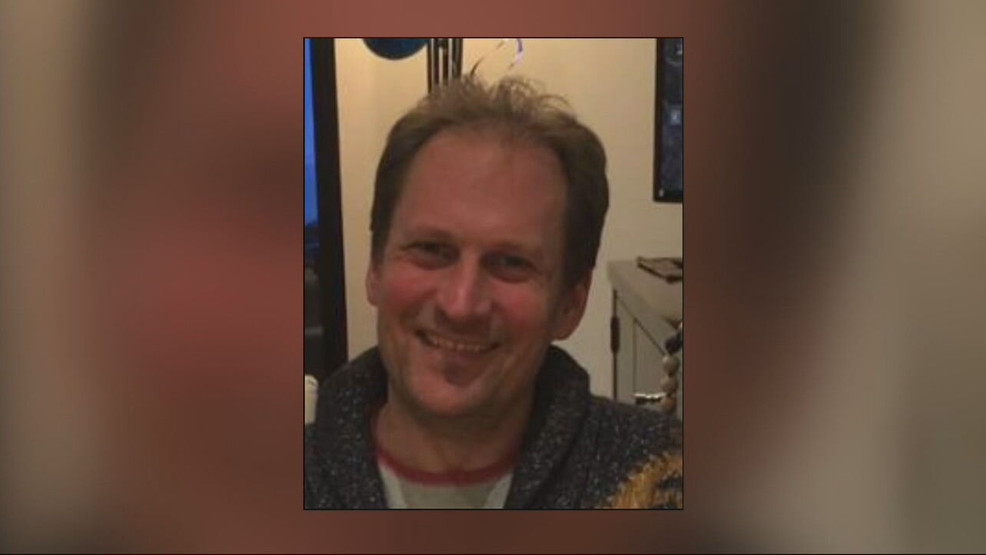
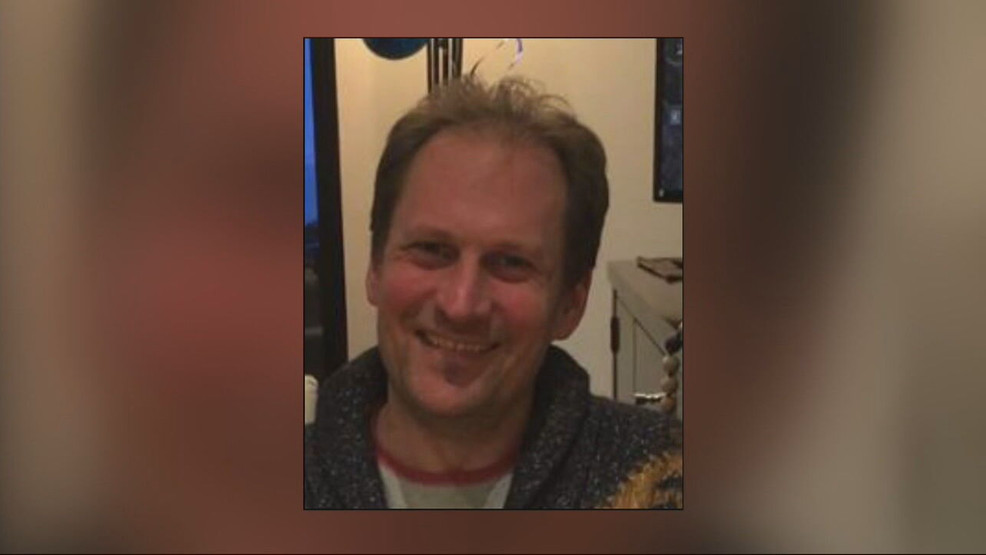
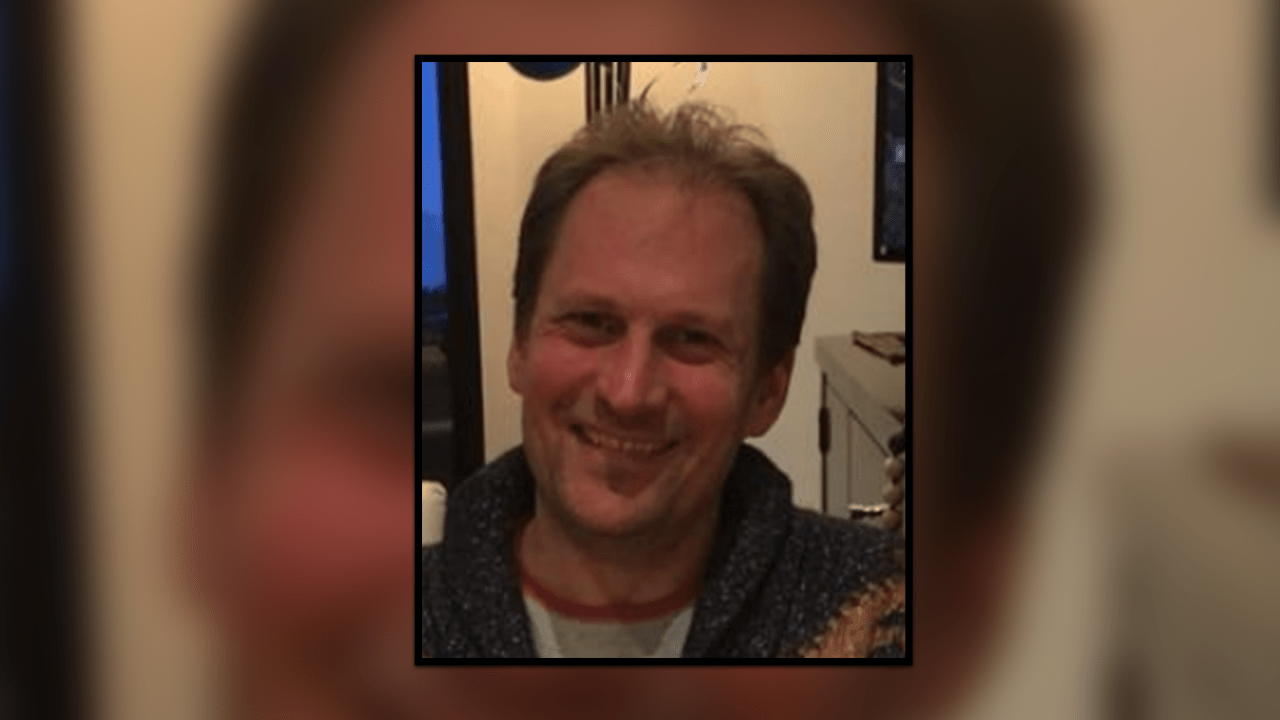
Heikki Rantakari, a missing associate professor at the University of Rochester, is presumed to have accidentally drowned in the Genesee River after falling from a pedestrian bridge. The Rochester Police Department's scuba team has been searching for him, but there is no evidence of foul play. The university expressed their condolences and gratitude to the authorities involved in the investigation and recovery efforts.
A professor at the University of Rochester, Heikki Rantakari, is believed to be in danger after he failed to show up for a scheduled class and was reported missing. Rantakari, who checked into an Airbnb near the university, was last seen on Friday night. Police are urging anyone with information on his whereabouts to call 911, as his family and colleagues are concerned for his safety. The University of Rochester is hopeful that he will be found safe soon.
Police in Rochester, New York are searching for Heikki Rantakari, a missing University of Rochester professor who was last seen on Friday, October 20, 2023. Rantakari, who arrived in Rochester from Boston, did not show up for his scheduled classes and his colleagues are concerned as it is out of character for him. Investigators have searched his Airbnb and found evidence that he checked in, but his whereabouts remain unknown. Police believe he may be in danger and are seeking public assistance in locating him.
Rochester police are searching for Heikki Rantakari, a missing associate professor of economics and management at the University of Rochester. Rantakari was last seen on October 20 and is believed to be in danger. The police have received information indicating his safety may be at risk. Anyone with information is urged to contact the authorities.
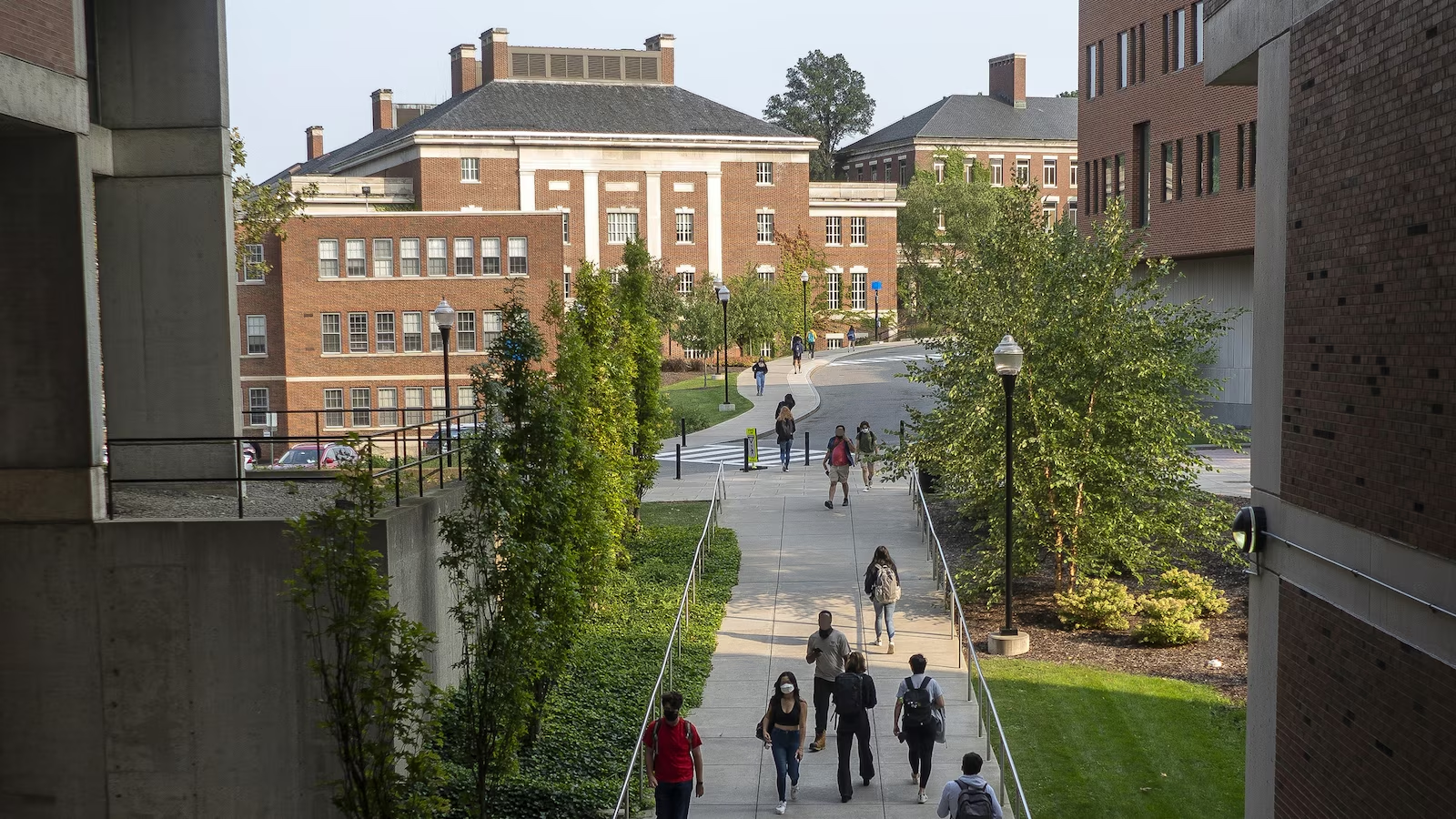
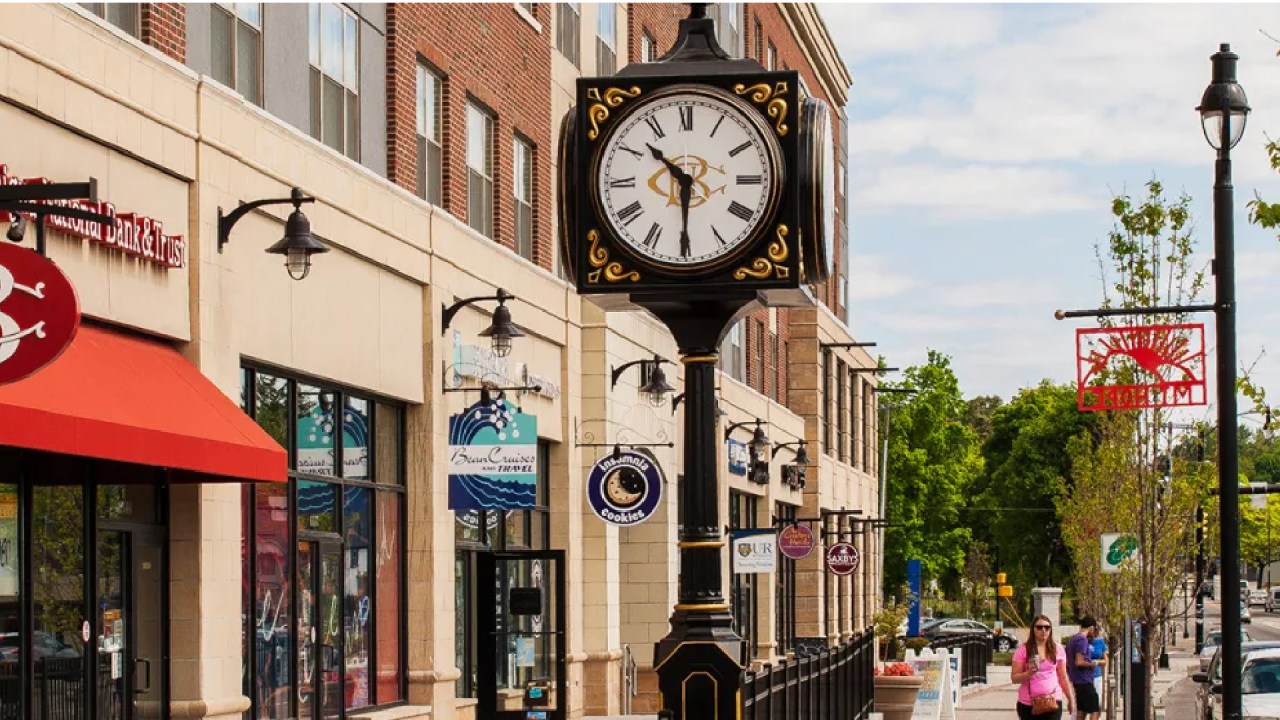
The University of Rochester has purchased College Town, a development adjacent to its campus, and has created a new company called Meliora Development Company LLC to manage and rebuild the neighborhood. Since its opening in 2015, many businesses in College Town have closed, prompting the university to take action. The purchase aims to foster a greater sense of community and connectedness for students, employees, patients, visitors, and neighbors, aligning with the university's new strategic plan and upcoming campus master plan update.
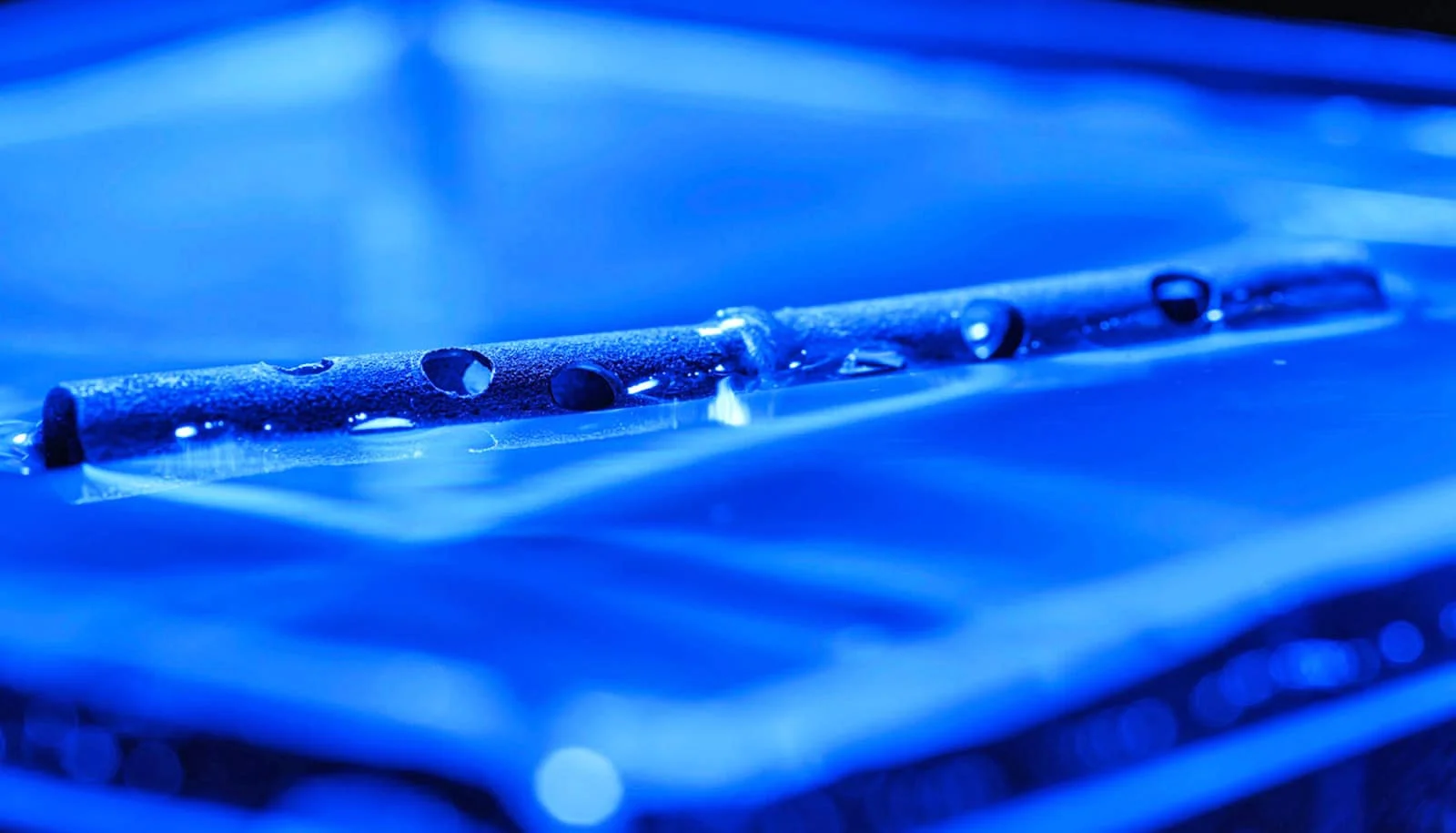
Researchers at the University of Rochester have developed a chip-scale optical quantum simulation system that allows for quantum simulations in a synthetic space, mimicking the physical world by controlling the frequency of quantum entangled photons. This approach, which differs from traditional photonics-based computing methods, has the potential to enable more complex simulations and computation tasks in the future, making scalable quantum simulations on a photonic chip feasible.