Bill Ackman, an alumnus and prominent critic of Harvard University, is financially supporting former Harvard Business School professor Francesca Gino's lawsuit against the university, alleging wrongful misconduct accusations and defending her innocence amid her revoked tenure due to research misconduct allegations.
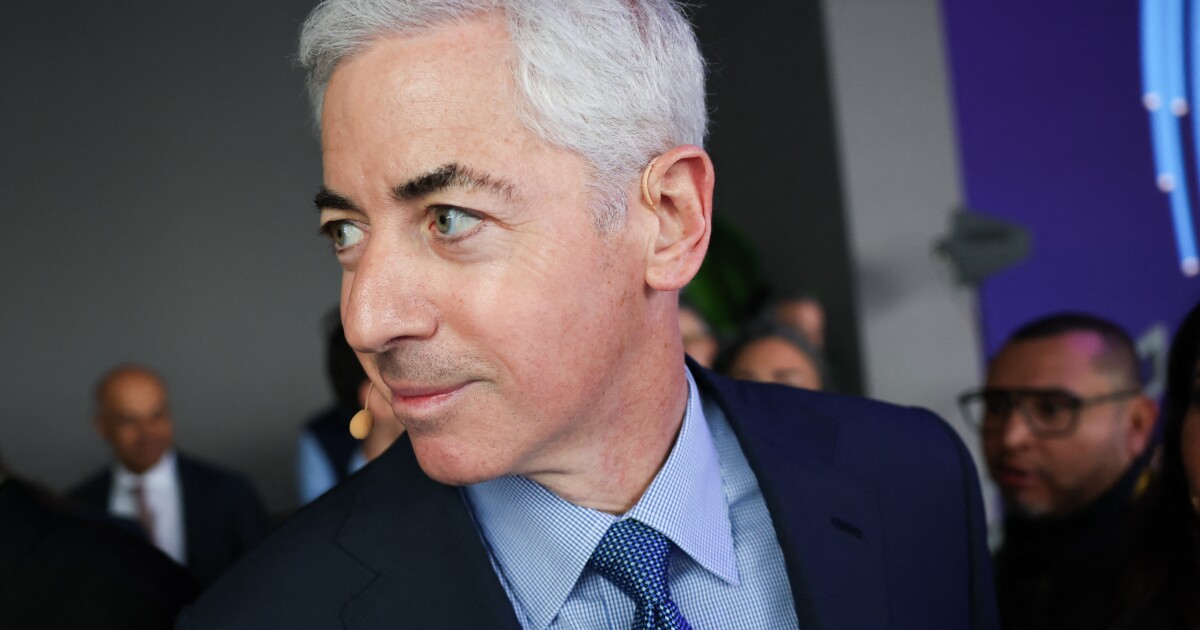
Billionaire hedge fund manager Bill Ackman is funding a lawsuit by Francesca Gino, a former Harvard Business School professor, against Harvard after her termination due to research misconduct allegations.

A molecular ecology researcher, formerly at CSIRO, lost two papers and received an expression of concern for a third due to data issues related to DNA methylation-based epigenetic clocks used to estimate animal ages, leading to retractions and ongoing investigations.
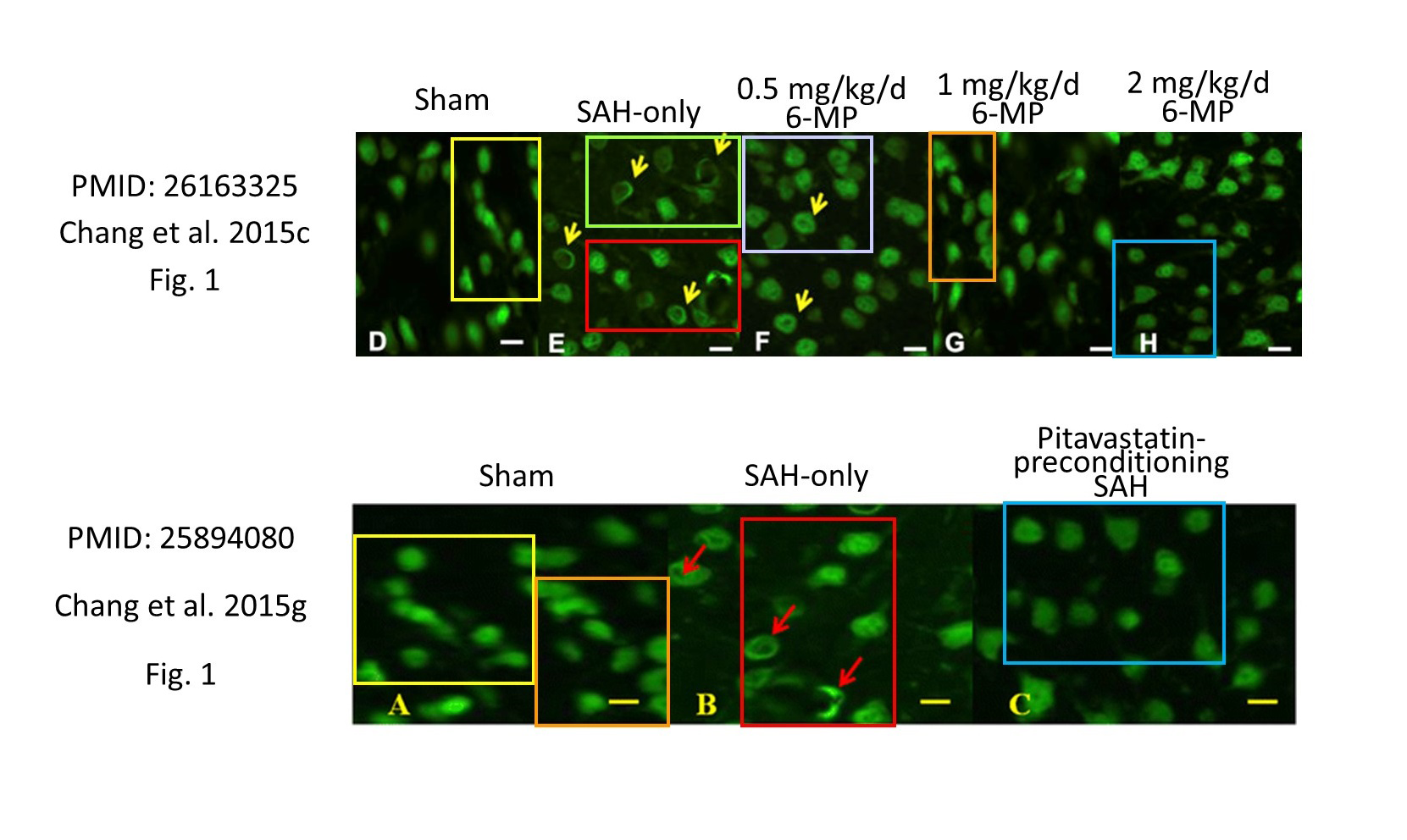
An analysis of over 600 animal studies on brain injury prevention revealed that more than 40% contained problematic images, including duplication and manipulation, leading to multiple retractions and corrections, with a significant number of these papers originating from Chinese institutions and published in major journals. The findings highlight widespread issues of research misconduct and the influence of paper mills in the field.
A 2019 study on Alzheimer's treatment published in Biological Psychiatry is set to be retracted after an investigation found research misconduct, including image duplication, involving multiple authors and previous retractions for related work, highlighting ongoing issues with research integrity in this field.
A researcher was mistakenly listed as an expert on sex robots in a published paper, which was later retracted due to data inaccuracies and inappropriate search methods, highlighting issues of research misconduct and the importance of accurate bibliometric analysis.
An investigation uncovered over 1,500 research articles linked to a Ukrainian network, Tanu.pro, which is suspected of producing fake or low-quality papers and selling authorships, highlighting a significant issue of scientific misconduct in academic publishing.
Originally Published 5 months ago — by Hacker News
Scientific fraud has become a significant issue, with problems ranging from fabricated data in prestigious journals to fake papers from paper mills. The main causes include perverse incentives, power imbalances, and lack of oversight, leading to a culture where misconduct is common and often overlooked. This crisis undermines trust in scientific research, necessitating reforms such as stricter peer review, better oversight, and a cultural shift towards transparency and accountability.
A Northwestern University study reveals that organized scientific fraud, involving sophisticated networks and paper mills, is rapidly increasing, threatening the integrity of scientific literature and calling for urgent reforms in the research community.
A Harvard researcher, Kseniia Petrova, faces additional federal charges including concealment and false statements related to smuggling frog embryos into the U.S., with potential penalties of up to 20 years in prison and $250,000 fines, amid ongoing legal proceedings.
Harvard University has revoked the tenure of Professor Francesca Gino, marking the first such action in nearly 80 years, amid allegations of data fabrication and research misconduct related to her studies on honesty and ethics. Gino, a prominent researcher and author, denies the allegations, which stem from concerns raised by the Data Colada blog and led to her being placed on administrative leave and subsequently losing her tenure. The case highlights issues of academic integrity and the university's response to misconduct allegations.
Investigative journalist Charles Piller's book on Alzheimer's research fraud has faced criticism from some researchers and journals, which have refused to publish corrections or responses to alleged inaccuracies, raising concerns about censorship and bias in scientific discourse.
Harvard University revoked the tenure of professor Francesca Gino, known for ethics research, following allegations of data fraud and an internal investigation, marking the first such case in 80 years.
Harvard University has revoked the tenure of Professor Francesca Gino at Harvard Business School following allegations of research misconduct and an investigation that concluded she was responsible for data fabrication, marking the first time Harvard has stripped a tenured faculty member of tenure since the 1940s. Gino denies the allegations, and her case is ongoing with a lawsuit against Harvard.
This week's Retraction Watch highlights include issues with hijacked journals, allegations of research misconduct, and the ongoing challenges in peer review and data integrity. Notable stories cover the surprising history of abstracts, the broken state of peer review, and controversies in bee waggle dance data. The Retraction Watch Database now includes over 49,000 retractions and tools like the Hijacked Journal Checker to combat fraudulent publications.