Fernando Lovo has been appointed as the new Director of Athletics at the University of Colorado Boulder, succeeding Rick George, with a background of successful athletic and administrative leadership at the University of New Mexico and other institutions, and will start his role on January 1, 2026.
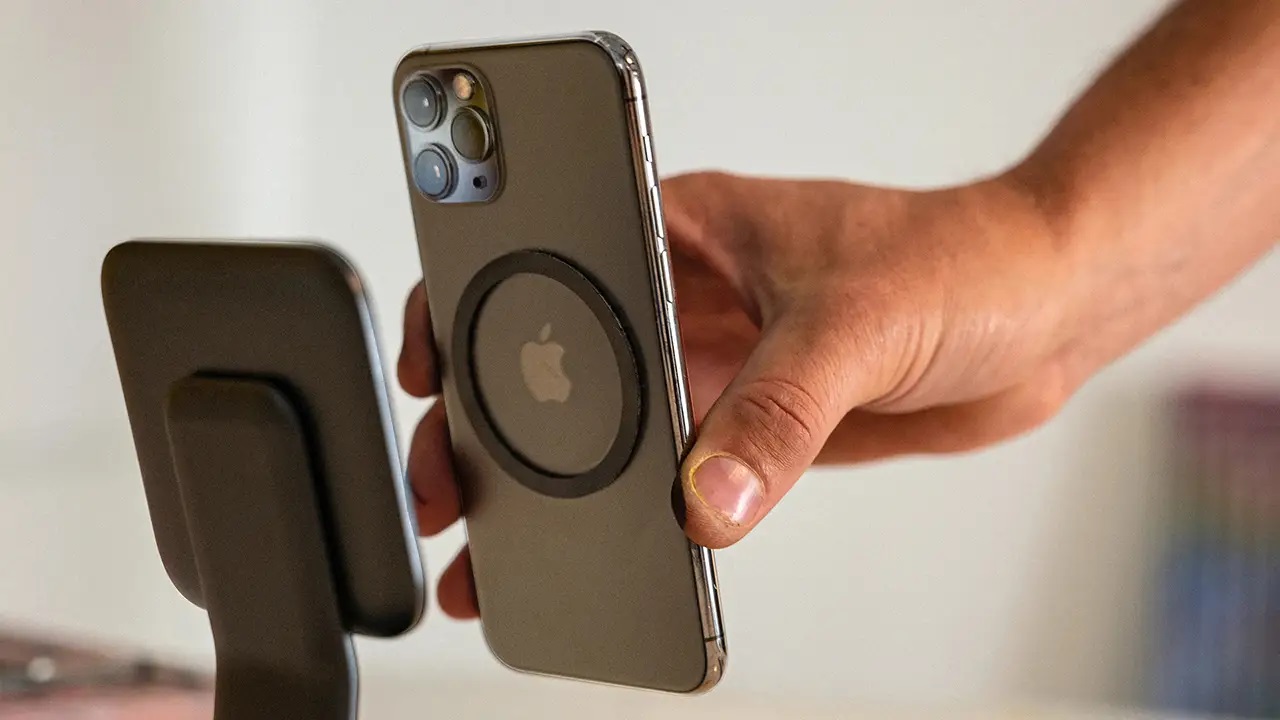
Researchers from the University of Colorado Boulder have developed a new technique that could enable smartphones and other devices to be charged in just 60 seconds. This breakthrough, based on improved ion movement through supercapacitors, challenges traditional understandings of electrical currents and could revolutionize the efficiency and convenience of charging electronic devices and electric cars.
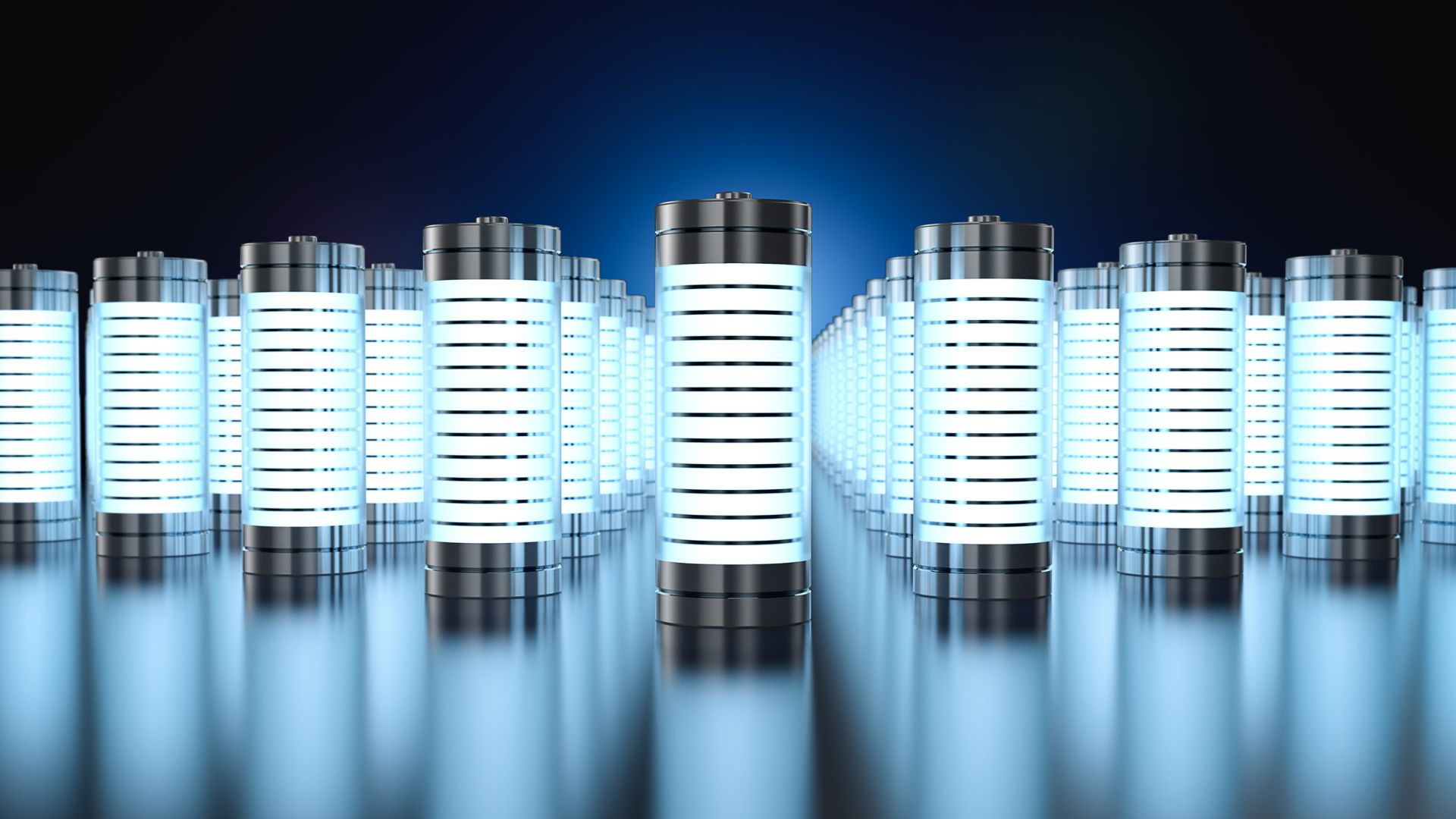
Researchers at the University of Colorado Boulder, led by Ankur Gupta, have developed a model to predict ion movement in complex nanopore networks, potentially revolutionizing energy storage technology. This breakthrough could lead to faster-charging supercapacitors with extended lifespans, benefiting applications from vehicles to power grids and wearable devices. The model challenges traditional principles and significantly accelerates computational efficiency, enabling the simulation of thousands of interconnected pores within minutes.
A study from the University of Colorado Boulder reveals that more than half of older adults continue to spend more time at home and less time socializing in public spaces post-pandemic due to fear of infection and uncomfortable social dynamics. The research, conducted through surveys, highlights the lasting impacts of the pandemic on older adults' social patterns, with many reporting reluctance to visit certain places and a decline in socialization and entertainment routines. While some have found new opportunities for connection, the loss of spontaneous interactions and lack of social connection pose serious health risks, prompting the need for policymakers to create more accommodating spaces and for society to show understanding towards those still cautious about engaging in public activities.
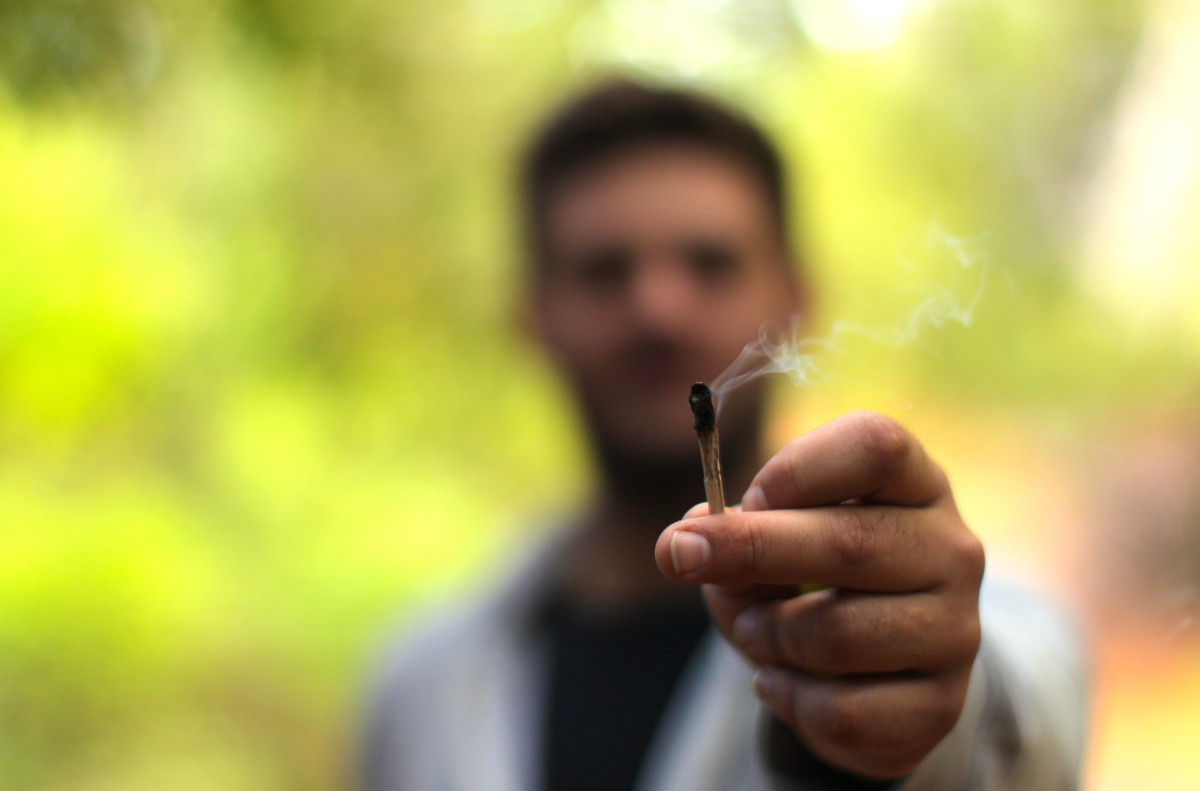
A study from the University of Colorado Boulder examined the effects of pre-workout cannabis consumption on exercise and found that participants reported exerting more effort and experiencing stronger euphoria while running on a treadmill after smoking. CBD users particularly reported better moods than the THC group, suggesting that while cannabis may not enhance performance, it could motivate sedentary individuals to engage in physical activity. Researchers emphasize the need to explore both the harms and benefits of using cannabis as a tool for promoting enjoyable physical activity.
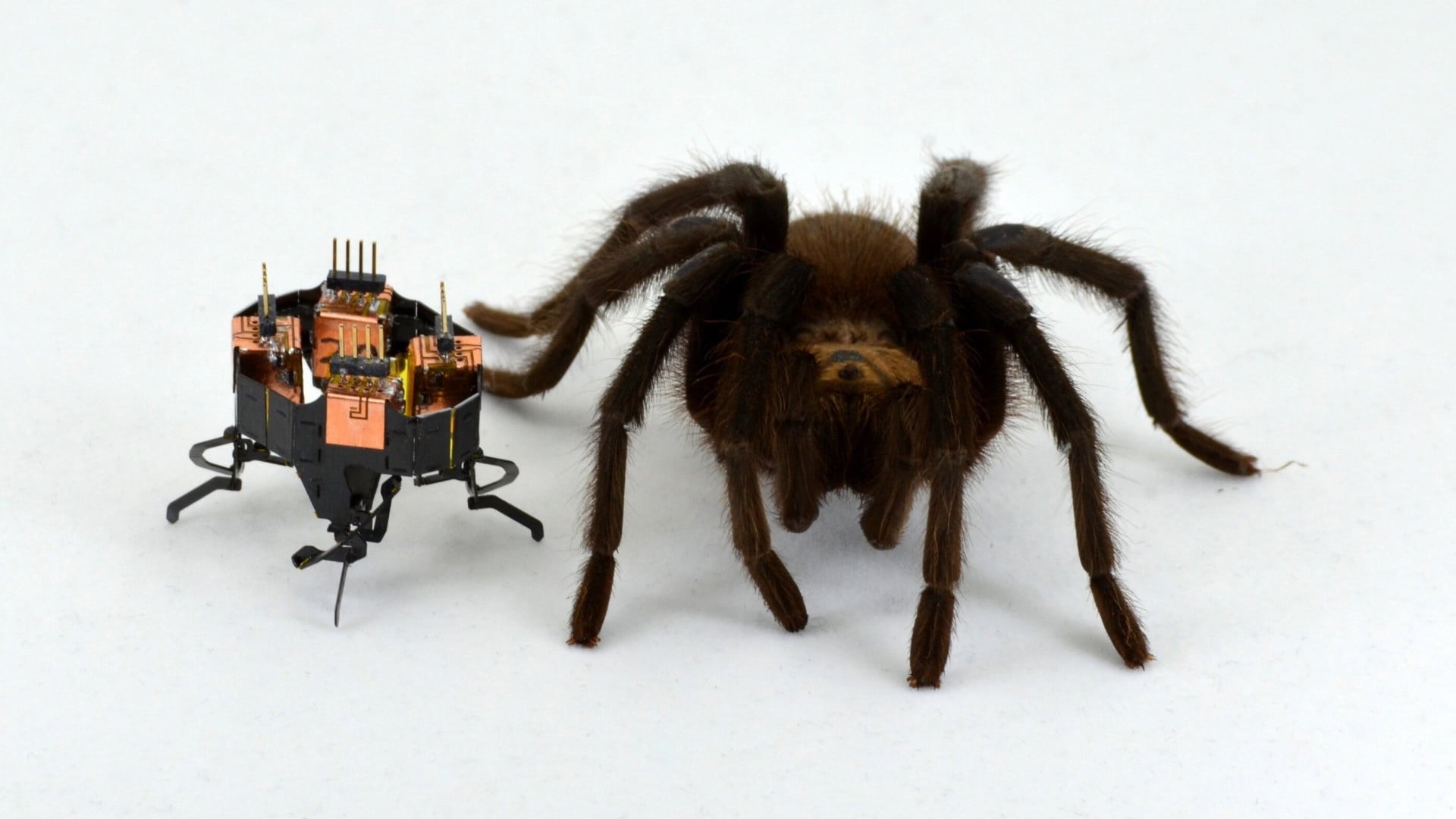
Engineers at the University of Colorado Boulder have developed a spider-inspired shape-changing robot, called mCLARI, that can naturally alter its shape and maneuver through narrow places without controlling its movements. This breakthrough in the robotics industry could have applications in healthcare, space exploration, disaster response, and other industries that require adaptability and versatility.
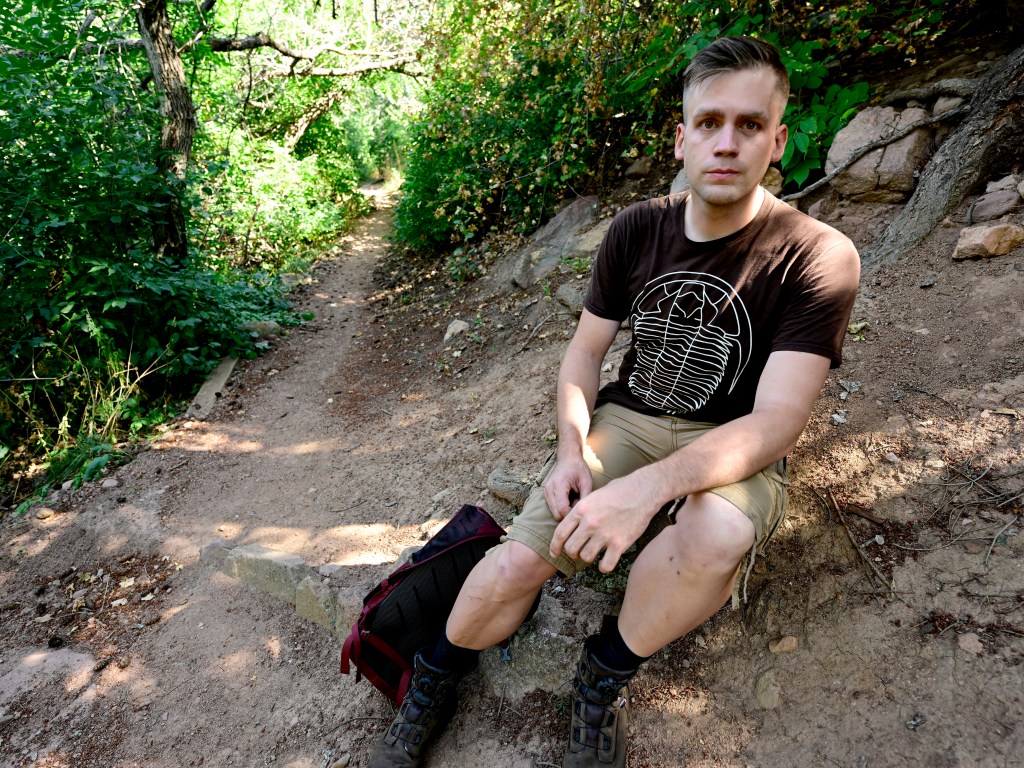
Brendan Towle, a student at the University of Colorado Boulder, has been effectively banned from graduating due to a course requirement that he cannot fulfill because of his disability. Towle has dysgraphia, which prevents him from handwriting more than two paragraphs at a time. Despite requesting disability accommodations, including typing notes and using graphic design tools, he was denied and faced discrimination and retaliation from his professors. Towle filed a complaint with the Department of Education's Office of Civil Rights, but the investigation concluded with insufficient evidence of retaliation. Towle believes that the university has not adequately enforced anti-discrimination laws and that the disability services office lacks resources to effectively support students.
Engineers from the University of Colorado Boulder are developing a machine inspired by the tractor beams seen in sci-fi movies, which could be used to pull space debris out of Earth's orbit. The team is working on an early design concept that would allow them to move a several-ton object into a different orbit, including moving defunct satellites to higher graveyard orbits or deorbiting them altogether.