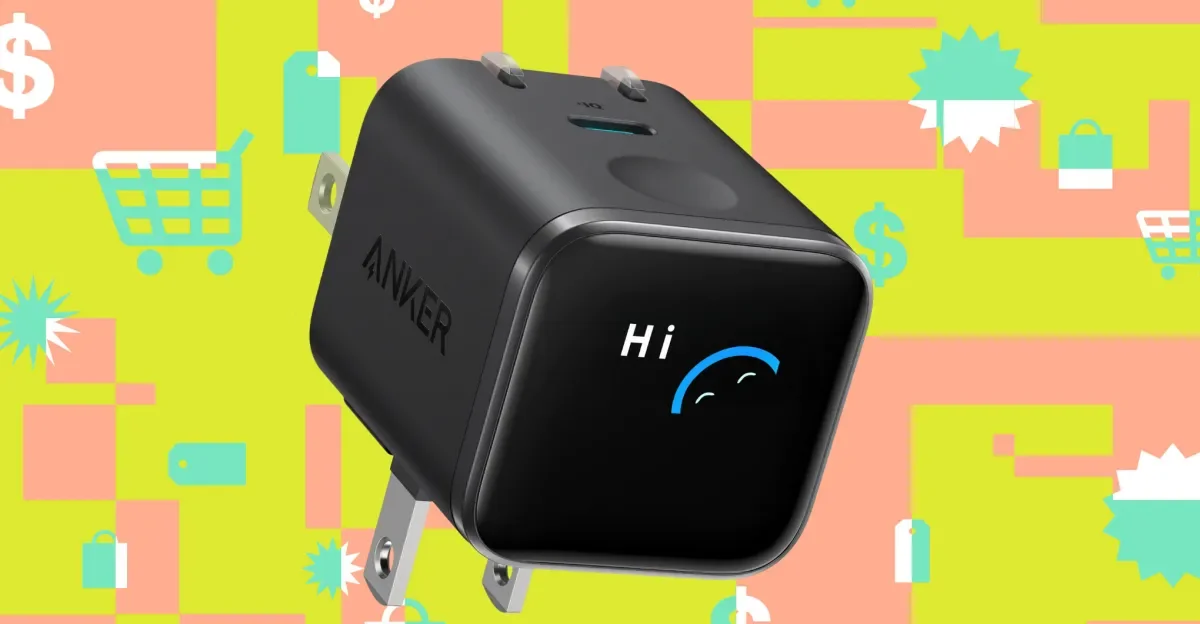
Anker's new 45W Nano Charger with a built-in display, capable of recognizing device models and adjusting charging accordingly, is now available for preorder at $29.99, ahead of its official launch. The charger features a smart display, Care Mode, and foldable prongs, and is part of a broader set of tech deals including travel adapters, earbuds, and espresso machines.
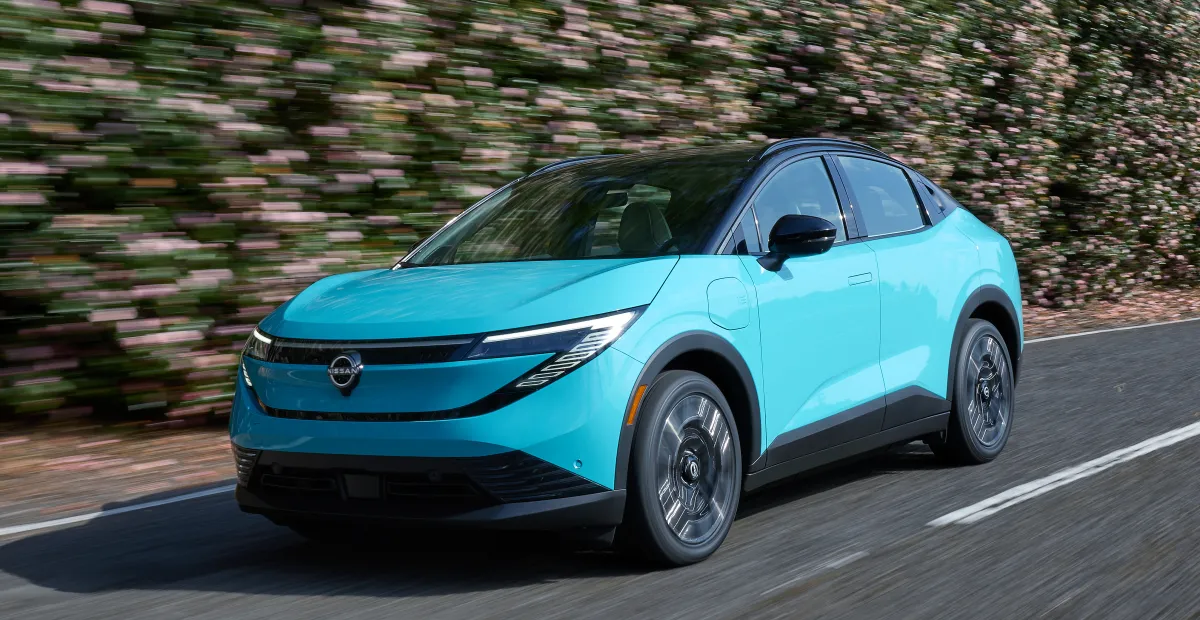
The 2026 Nissan Leaf is redesigned as a sleek crossover SUV with up to 303 miles of range, dual charging ports including Tesla's Supercharger access, Google built-in, and new trims, marking a significant upgrade from previous models to boost its relevancy and appeal.
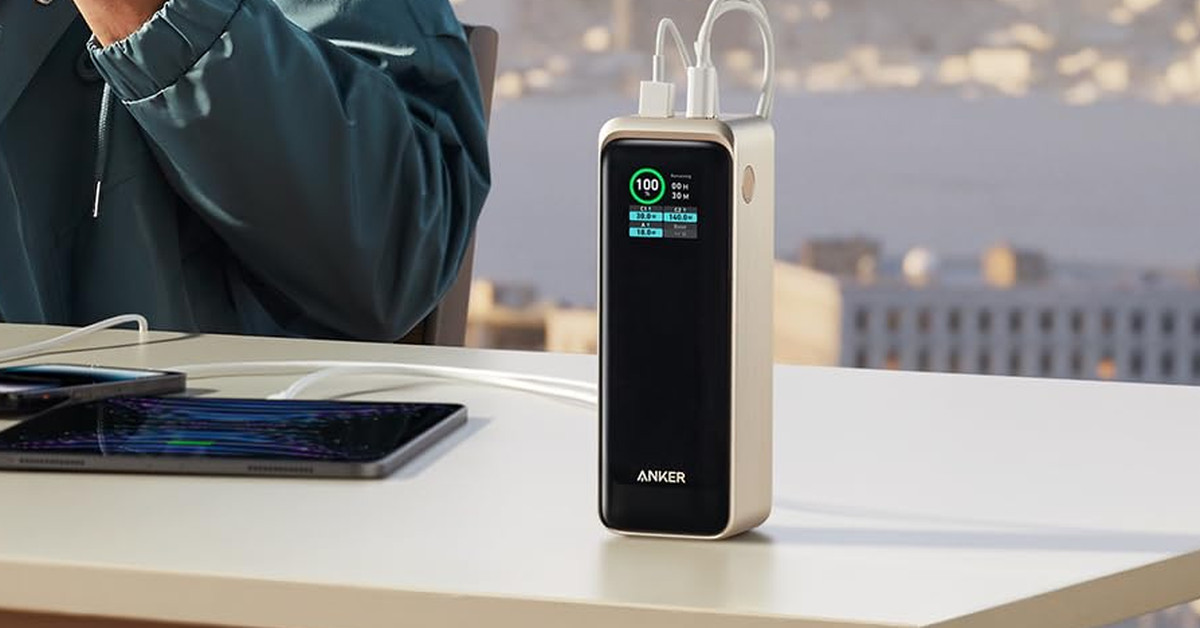
Anker's Prime 27,650mAh Power Bank, capable of 250W output, is now available at its lowest price of $124.99. This high-capacity charger can power multiple devices, including laptops and tablets, and features a built-in display and companion app. While it may be overkill for casual users, it's ideal for those needing to charge multiple high-power devices quickly.
Researchers from the University of Colorado Boulder have developed a new technique that could enable smartphones and other devices to be charged in just 60 seconds. This breakthrough, based on improved ion movement through supercapacitors, challenges traditional understandings of electrical currents and could revolutionize the efficiency and convenience of charging electronic devices and electric cars.
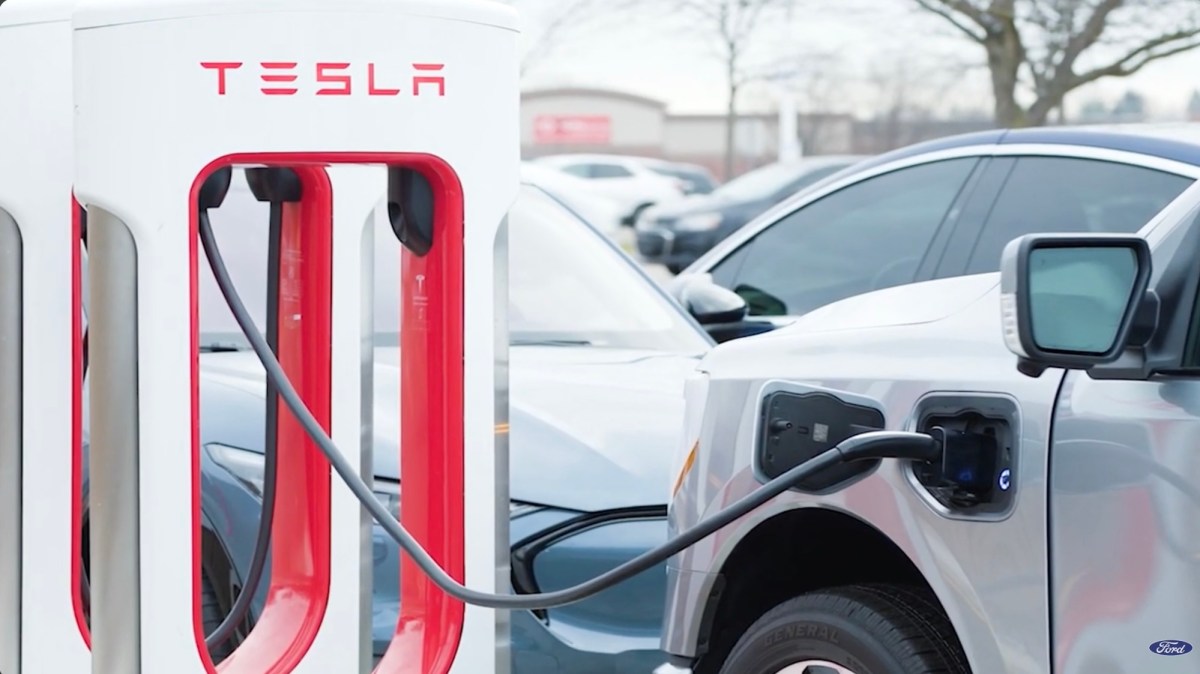
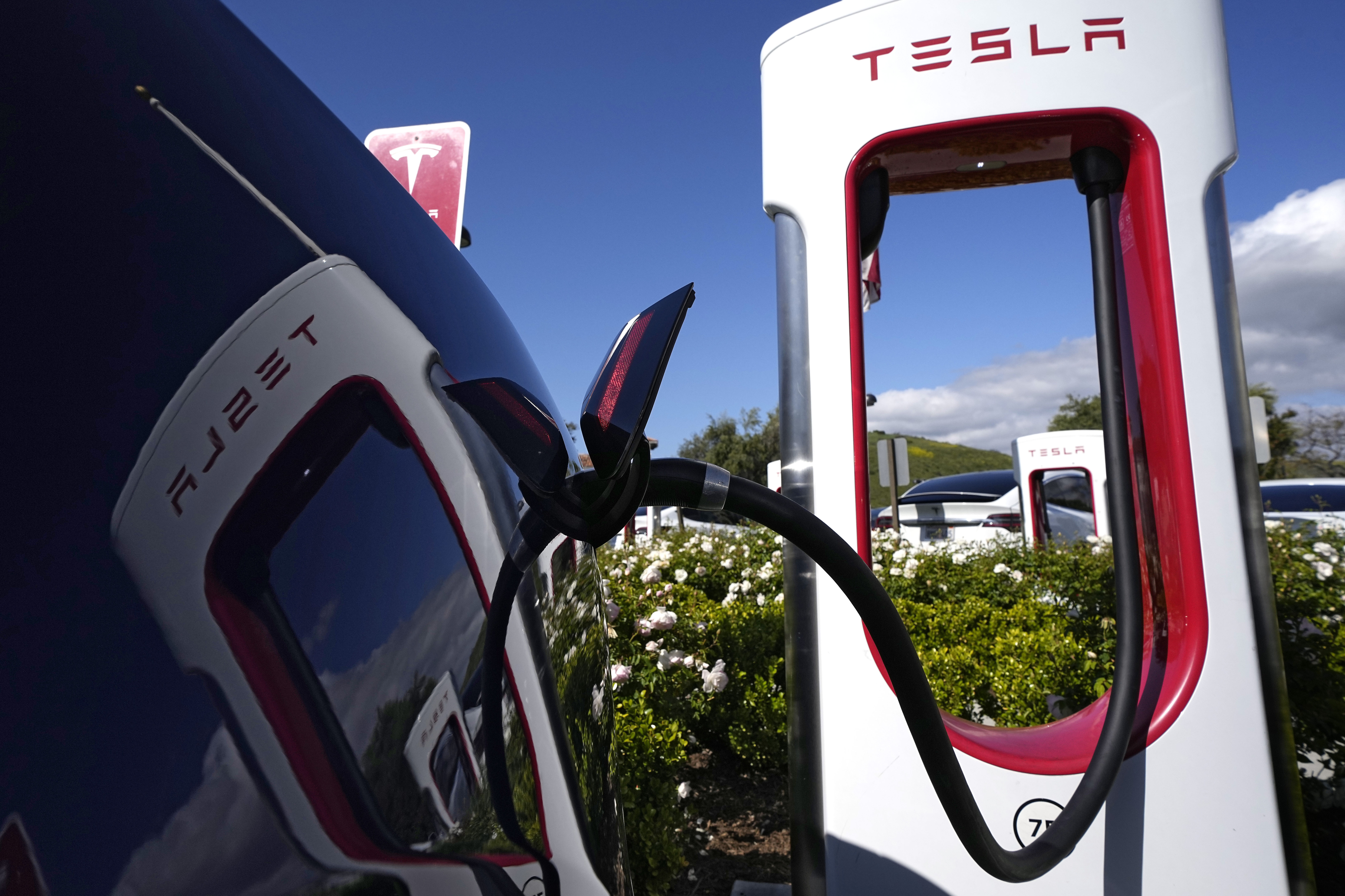
Ford EV owners now have access to Tesla superchargers in the U.S. and Canada through a free adapter and enrollment in Ford’s BlueOval Charge Network, with future customers able to purchase the adapter for $230. Ford plans to equip its next-gen EVs with Tesla’s charge port starting in 2025, and the adoption of Tesla’s charging standard has been embraced by major automakers in the U.S. Ford will provide the first test of this adoption, with plans to educate customers on accessing and using the superchargers with ease.
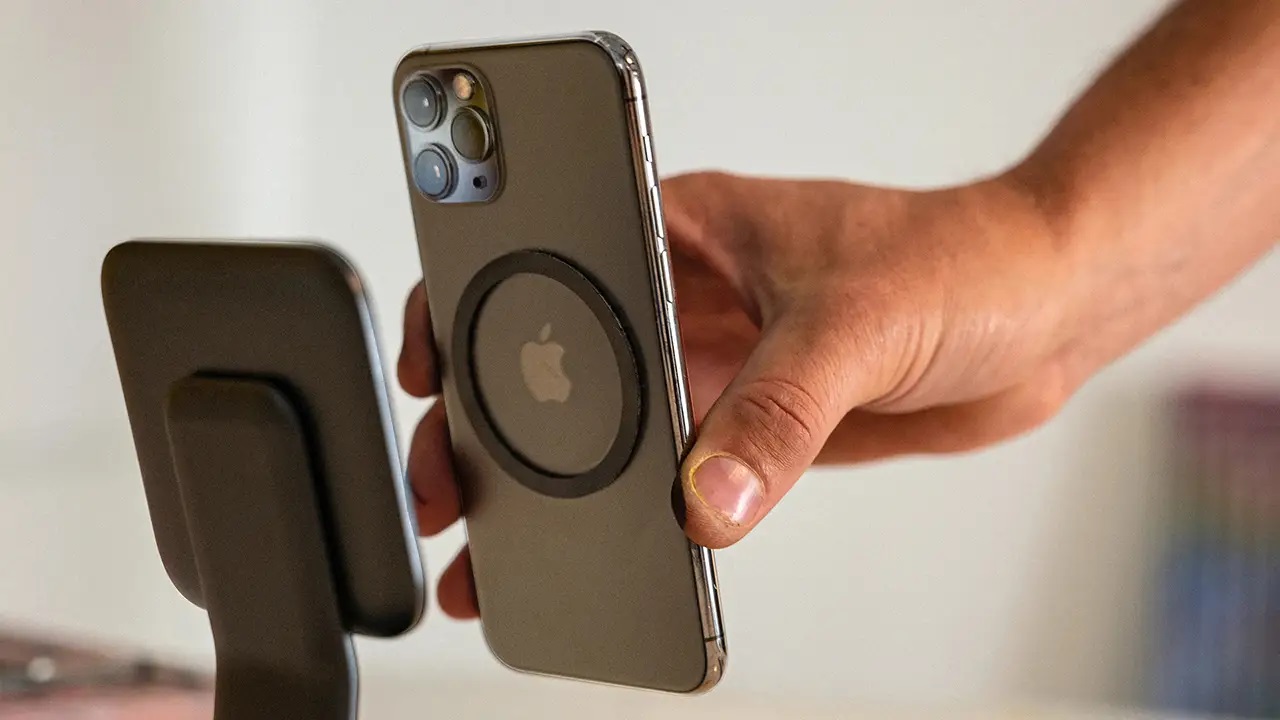
DURACELL has released a lineup of portable power stations that resemble giant D batteries and feature built-in MagSafe charging pads. The M250 power station offers a 250W output, an internal 219Wh battery, an AC outlet, USB-C and USB-A ports, and a magnetic charging pad. The M150 Power Station has a 150W output, a 91Wh capacity, USB-C and USB-A ports, and a magnetic charging pad. Both models come with a charging dock and are currently available at discounted prices on Amazon.
Stellantis and Ample have formed a partnership to integrate Ample's Modular Battery Swapping solution into Stellantis electric vehicles, aiming to deliver a fully charged battery in less than five minutes. The initial program will begin in Madrid, Spain in 2024 with a fleet of 100 Fiat 500e's in Stellantis' car sharing service. The technology has the potential to address challenges such as charging time, range anxiety, and battery wear.
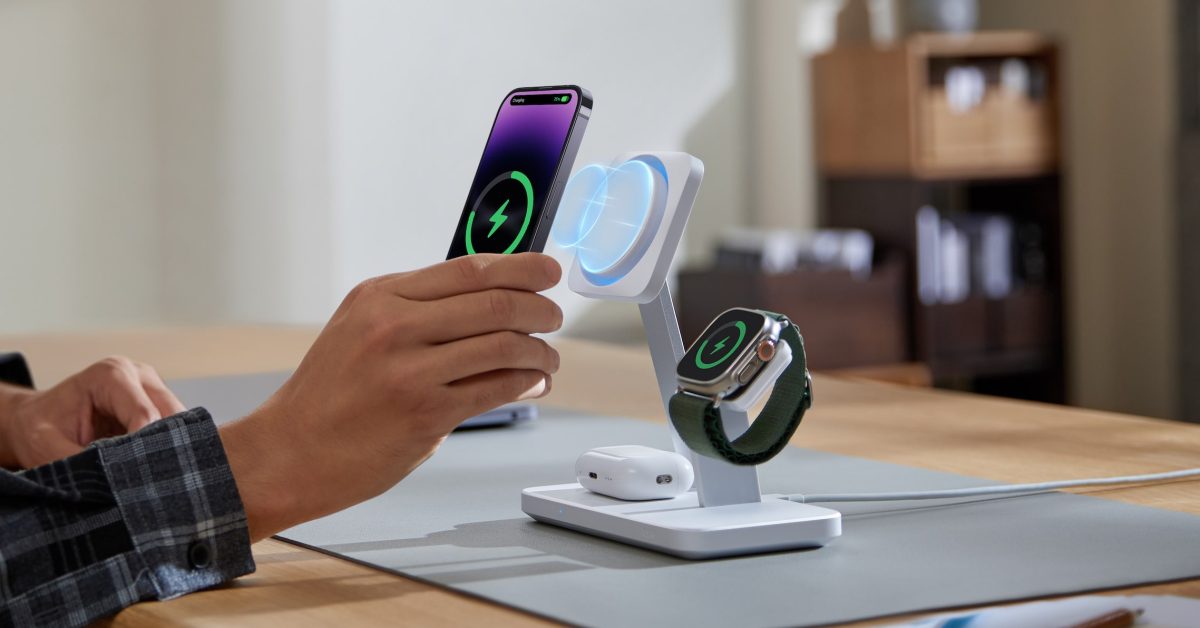
Belkin has unveiled a range of new products, including two Qi2 wireless chargers, a Thunderbolt 4 hub, wall chargers, and more. The BoostCharge Pro 3-in-1 Wireless Charging Pad and the BoostCharge Convertible Qi2 Wireless Pad to Stand will support the latest Qi wireless charging specification, allowing iPhones to charge at up to 15W without the need for Apple's MagSafe equipment. Belkin's new products offer more affordable wireless charging options and convenient charging solutions for Apple devices.
ESR has launched new MagSafe chargers with CryoBoost technology, offering faster and cooler charging for iPhones. The HaloLock system extends the capabilities of MagSafe, allowing for a wide range of accessories. ESR's chargers are MFi-certified and deliver 15W fast charging, compared to Apple's 7.5W. The CryoBoost technology includes a cooling fan to keep the iPhone cool while charging, enabling faster charging and maintaining battery health. ESR offers a 15W Car Charger and a 25W 3-in-1 Wireless Charger, both with MagSafe and CryoBoost, as well as a 100W 6-in-1 Charging Station. Special discounts are available for 9to5Mac readers.
Several car companies, including Ford, GM, Rivian, Volvo, and Polestar, have announced plans to adopt Tesla's North American Charging Standard (NACS) starting in 2025, making Tesla's charging tech the dominant standard. This shift raises questions about why non-Tesla EV shoppers would buy now when their charging technology will soon be in the minority. Experts suggest that buyers should consider delaying their purchase for the next two years to avoid potential obsolescence. The transition away from the Combined Charging System (CCS) will take time, but with the industry moving towards NACS, CCS will become less popular. Additionally, as EV technology continues to improve, including range, charging speed, and cost, consumers may opt to wait for more advanced and stable options.
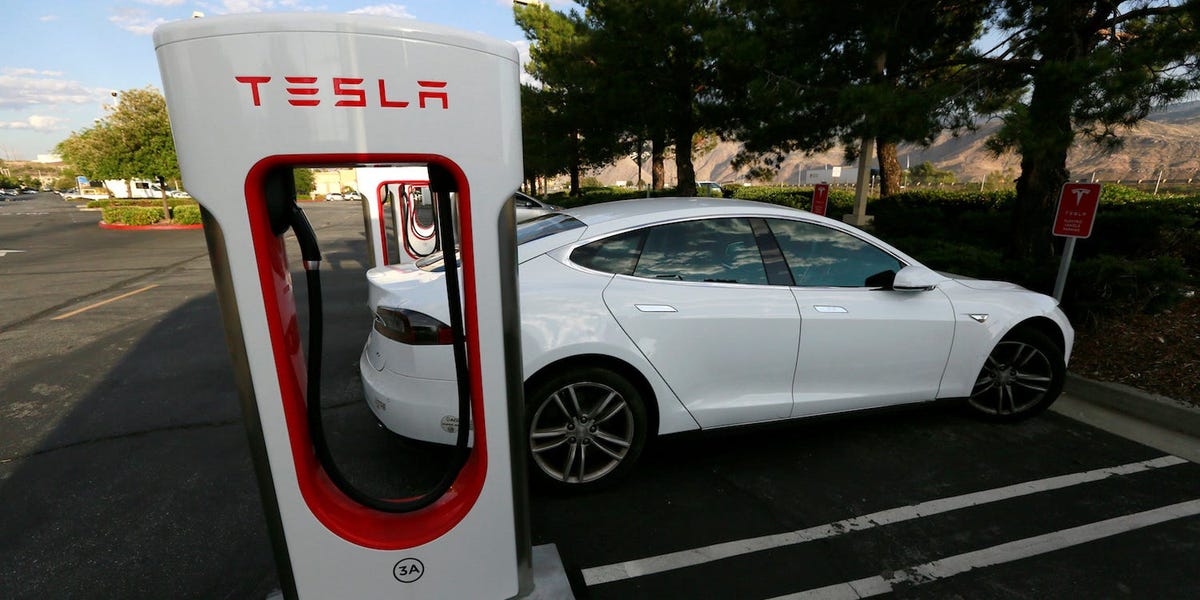
General Motors and Ford have announced that they will adopt Tesla's North American Charging Standard (NACS) for their electric vehicles beginning in 2025, expanding charging access for their EV owners. Tesla's charging technology is already the most common EV charger in North America, with nearly 7,000 charging stations in the US. Tesla vehicles made up 64.5% of all EVs sold in the US in 2022, while Ford held the second-largest market share with 7.5%.
Major US automakers Ford and General Motors are adopting Tesla's charging technology for their electric vehicles, pushing the industry towards a de-facto standard in the US. However, the Biden administration endorsed a rival charging technology when setting the rules for companies seeking access to $7.5bn in federal infrastructure funding. The still-burgeoning electric vehicle market is facing a split between two incompatible charging standards, which could either slow the adoption of EVs or cause Washington to sink hundreds of millions of dollars into chargers that the cars and trucks of the future won’t use.