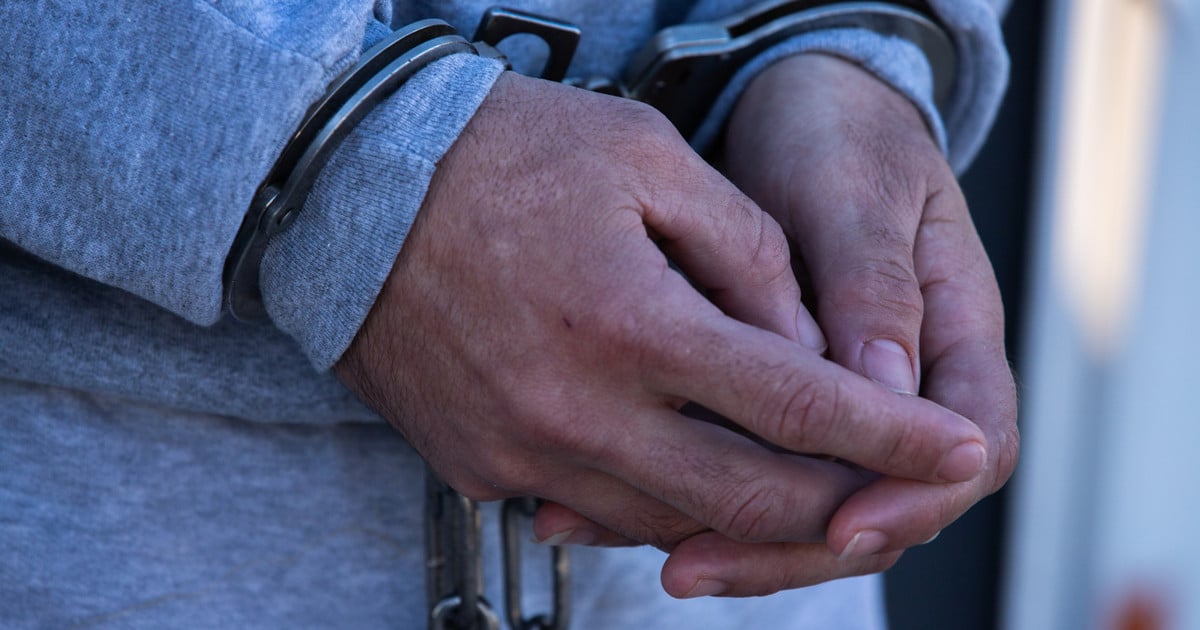
The Department of Defense awarded a contract to Disaster Management Group, owned by Nathan Albers with a controversial history involving undocumented workers, to build the largest migrant detention camp at Fort Bliss, amid broader efforts to expand immigration detention capacity in the US.
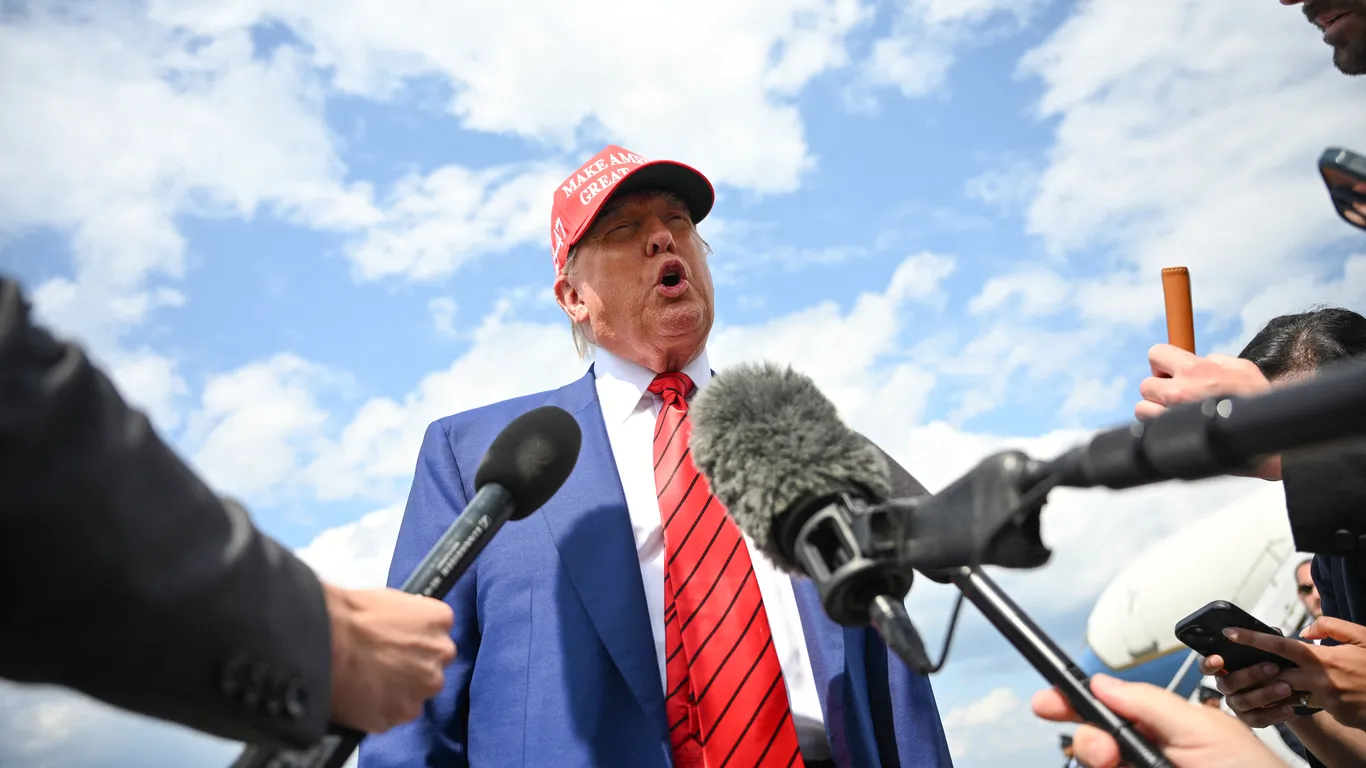
President Trump indicated that farmers might be allowed to keep employing undocumented workers if they assume responsibility for them, amidst ongoing debates and changing policies on immigration enforcement in the agriculture sector, which faces labor shortages and economic concerns.
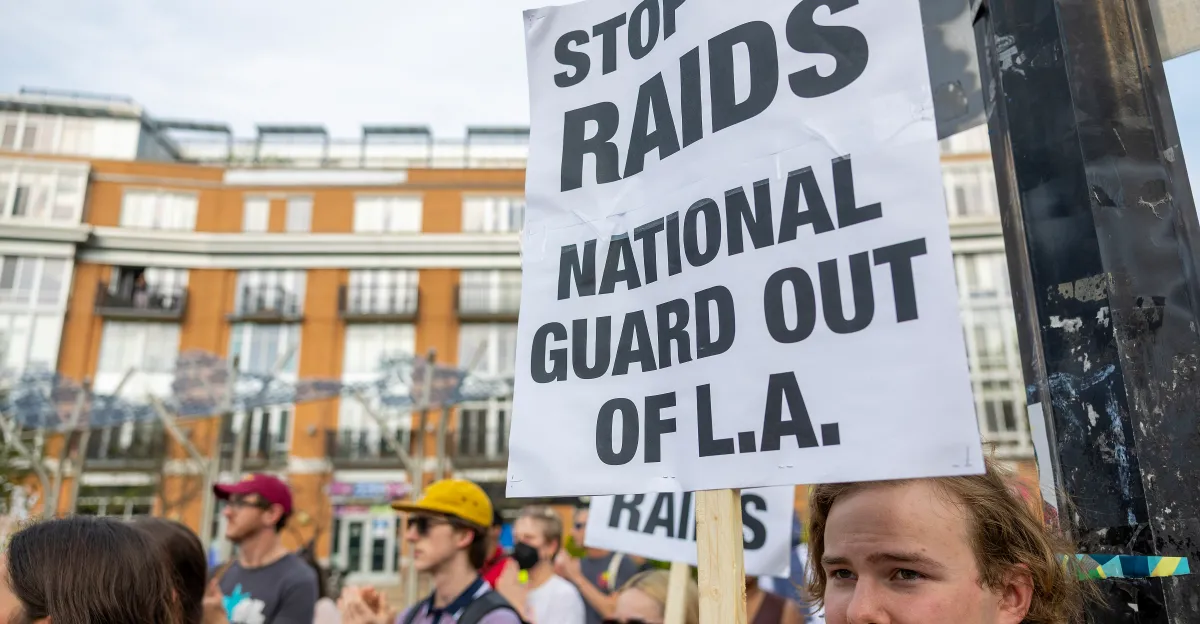
The article explains that Trump's recent immigration raids are part of a broader effort to increase deportations, targeting undocumented workers to meet political and enforcement goals, despite concerns about their economic and social impact.
Florida's controversial new immigration law, signed by Governor Ron DeSantis, has led to unintended consequences, including worker shortages and legal challenges for businesses. The law prohibits transporting illegal immigrants into the state, imposes penalties on businesses hiring undocumented workers, and requires citizenship questions on patient forms for hospitals. Critics argue that the law has created fear among undocumented workers, leading to a significant decrease in available labor, particularly in disaster zones.
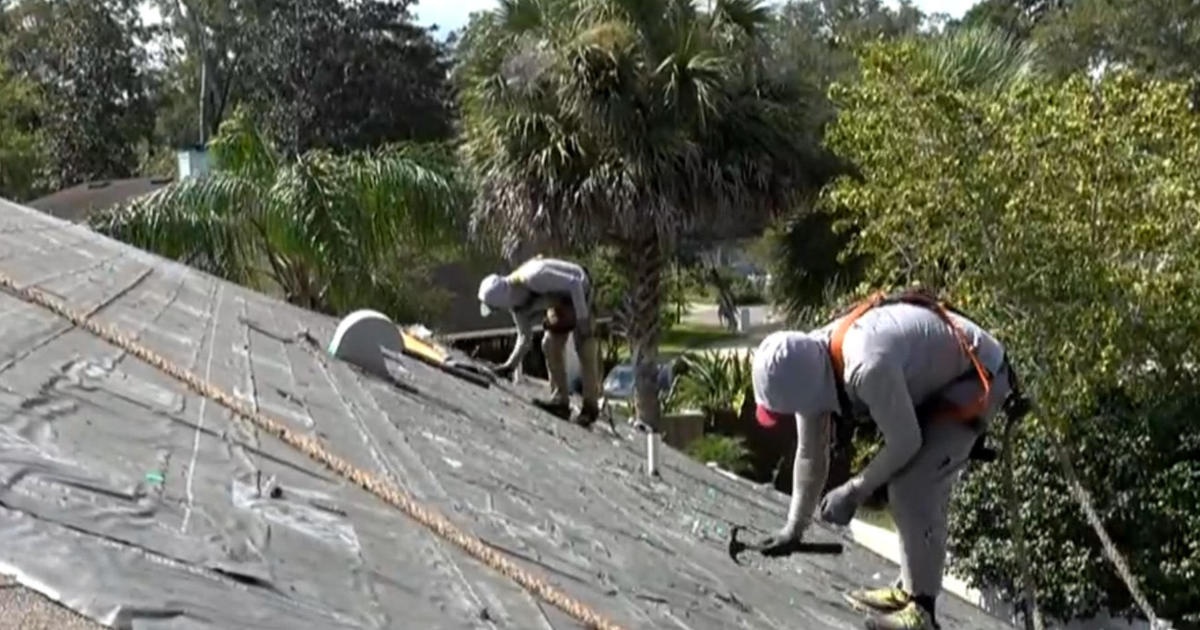
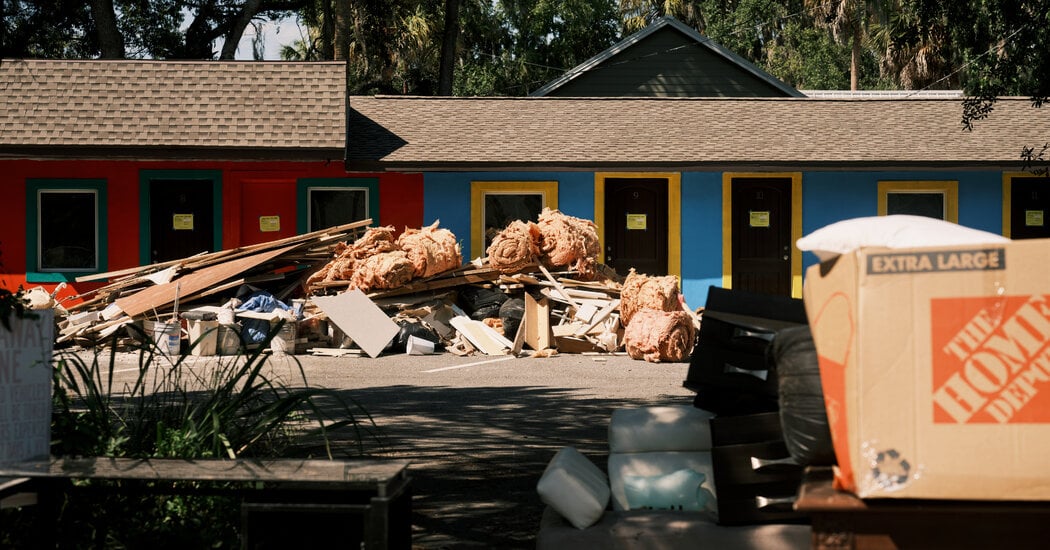
Undocumented workers who have traditionally helped with hurricane cleanup and rebuilding efforts in Florida are now hesitant to do so due to a new immigration law signed by Governor Ron DeSantis. The law, which aims to discourage unauthorized immigrants from living and working in the state, has created fear among undocumented workers of being arrested and deported. As a result, many are choosing to stay away from Florida, potentially impacting the availability of skilled disaster recovery workers during the ongoing hurricane season.
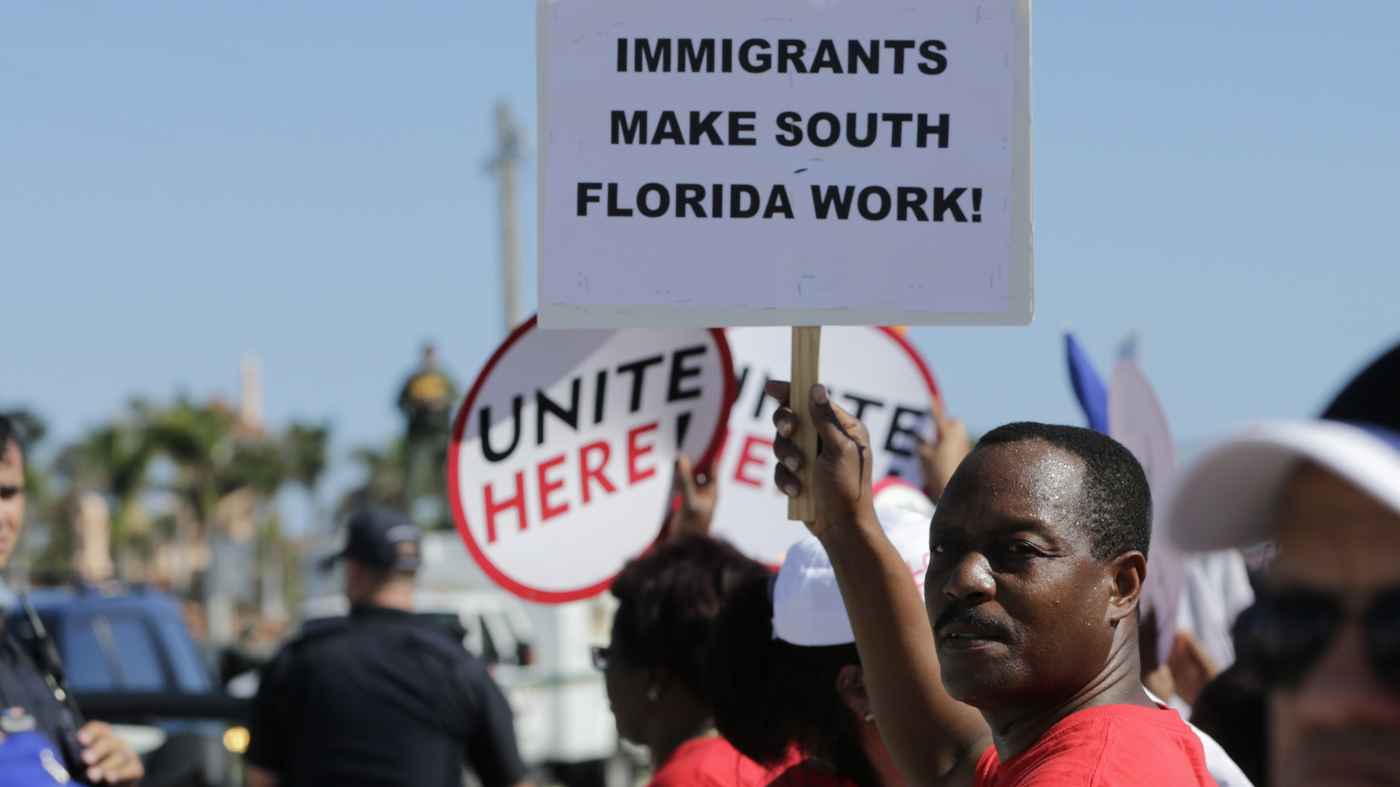
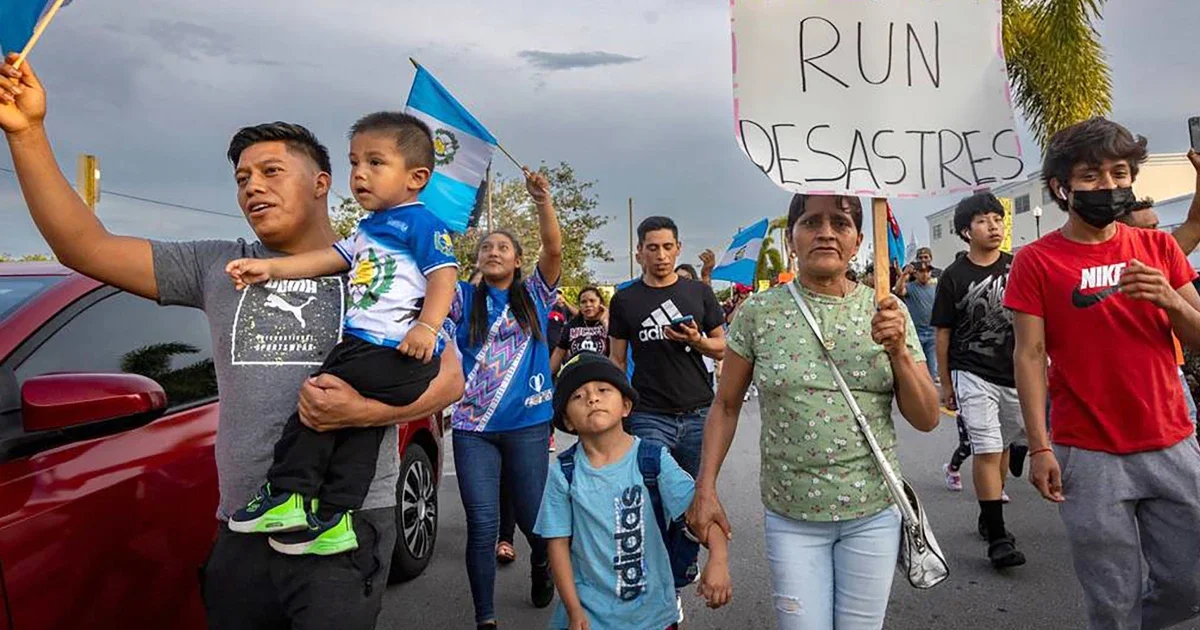
As a new immigration law takes effect in Florida, undocumented workers are faced with the difficult decision of whether to stay or leave the state. The law imposes tough penalties and restrictions on undocumented immigrants, including felony charges for transporting people in the country illegally into Florida and random audits of businesses suspected of hiring illegal workers. Hospitals will also be required to ask patients about their legal status, and driver's licenses issued to non-citizens in other states will be barred from use in Florida. The law has led to fears, rumors, and conflicting information in immigrant communities, with some considering leaving the state and others worrying about labor shortages and the impact on industries such as agriculture and construction.
Florida Republicans who passed an anti-immigration law are now trying to convince undocumented residents to stay by highlighting the "loopholes" in the legislation. The law, which goes into effect on July 1, includes provisions such as requiring businesses to run new hires through E-Verify and limiting social services for undocumented immigrants. GOP Rep. Rick Roth admitted that the law was designed to "scare migrants" but said that it was not as bad as people thought. However, the law is already causing destabilization among the state's immigrant communities, with some workers leaving for fear of job losses or deportation.
Republican lawmakers who voted for Florida Governor Ron DeSantis' stringent immigration law are downplaying its potential impact on immigrant residents in the Miami-Dade area. The law makes it a felony to transport an undocumented person into the state, invalidates out-of-state driver's licenses issued to immigrants without legal status, and requires private businesses with 25 or more employees to use a federal system to confirm if new employees are eligible to work in the U.S. Many undocumented workers have left the state in anticipation of the law going into effect next month. Republican lawmakers are being criticized for dismissing the law as a "scare tactic."
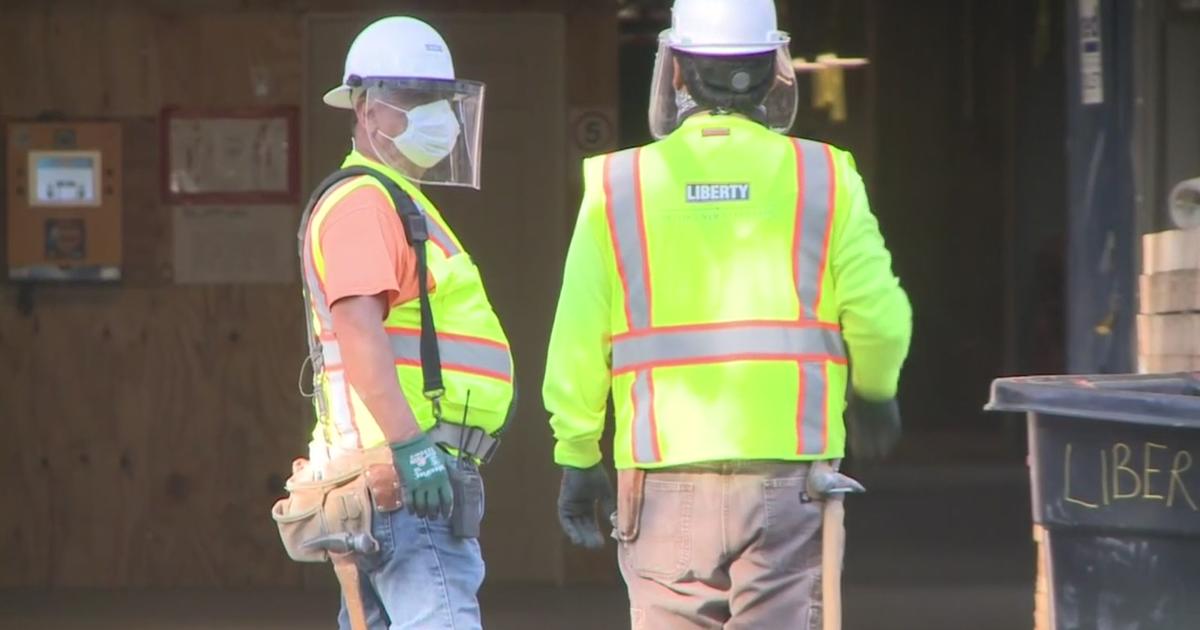
South Florida construction workers are reporting that many employees are not showing up to work due to fear of deportation if Florida Senate Bill 1718 is signed into law by Governor Ron DeSantis. The bill would impose a $10,000 fine on businesses for every undocumented employee and revoke their business license. The bill also requires hospitals to report the immigration status of patients using Medicare. The law would take effect on July 1st.
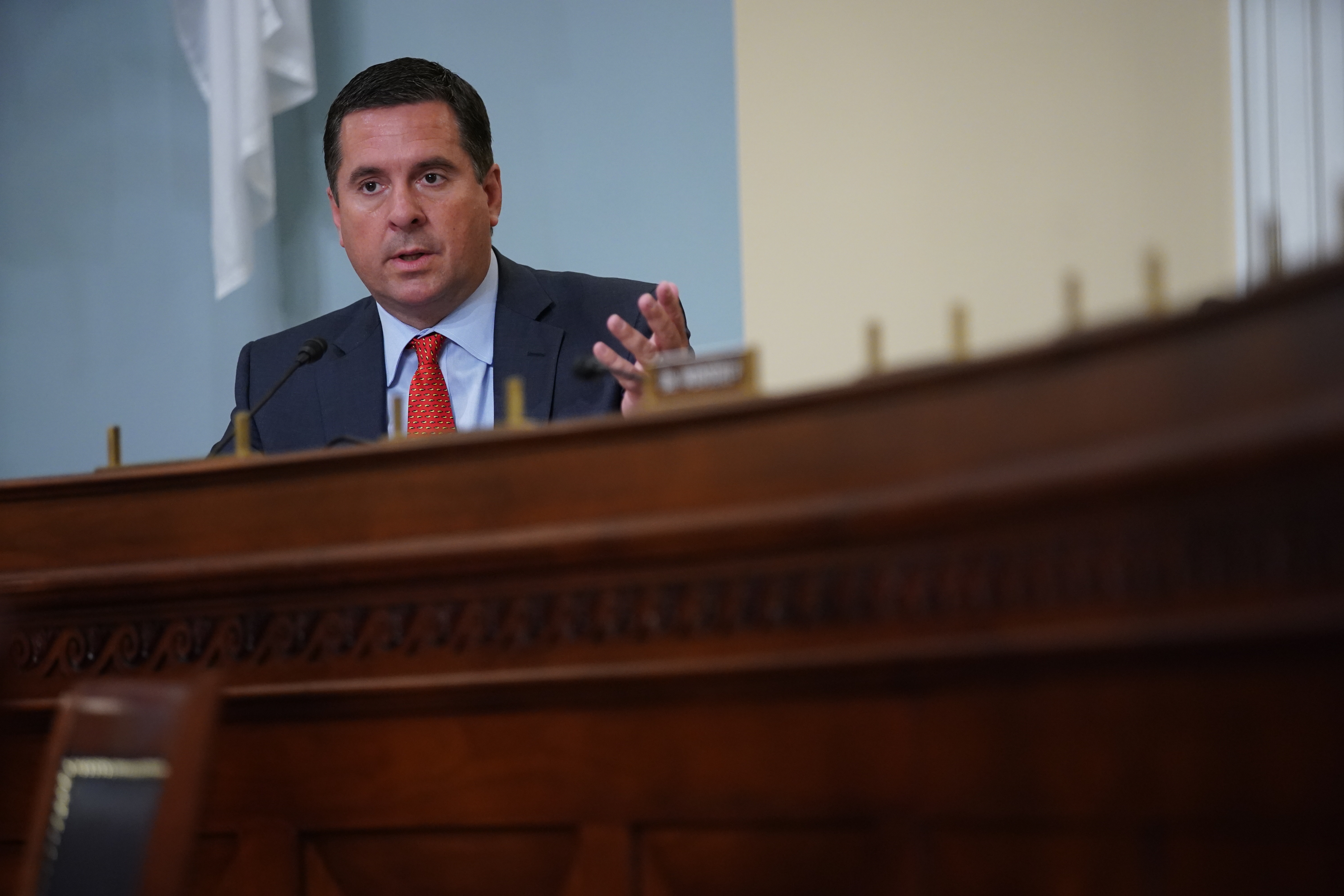
A federal judge has dismissed libel suits filed by former Rep. Devin Nunes and his relatives over a 2018 Esquire article alleging that a dairy farm owned by Nunes’ family members hired undocumented workers. The judge ruled that the claims in the article were essentially accurate, and evidence showed that the farm employed numerous workers who provided names and Social Security numbers that did not match Social Security Administration records. Nunes could appeal the ruling to the 8th Circuit Court of Appeals.
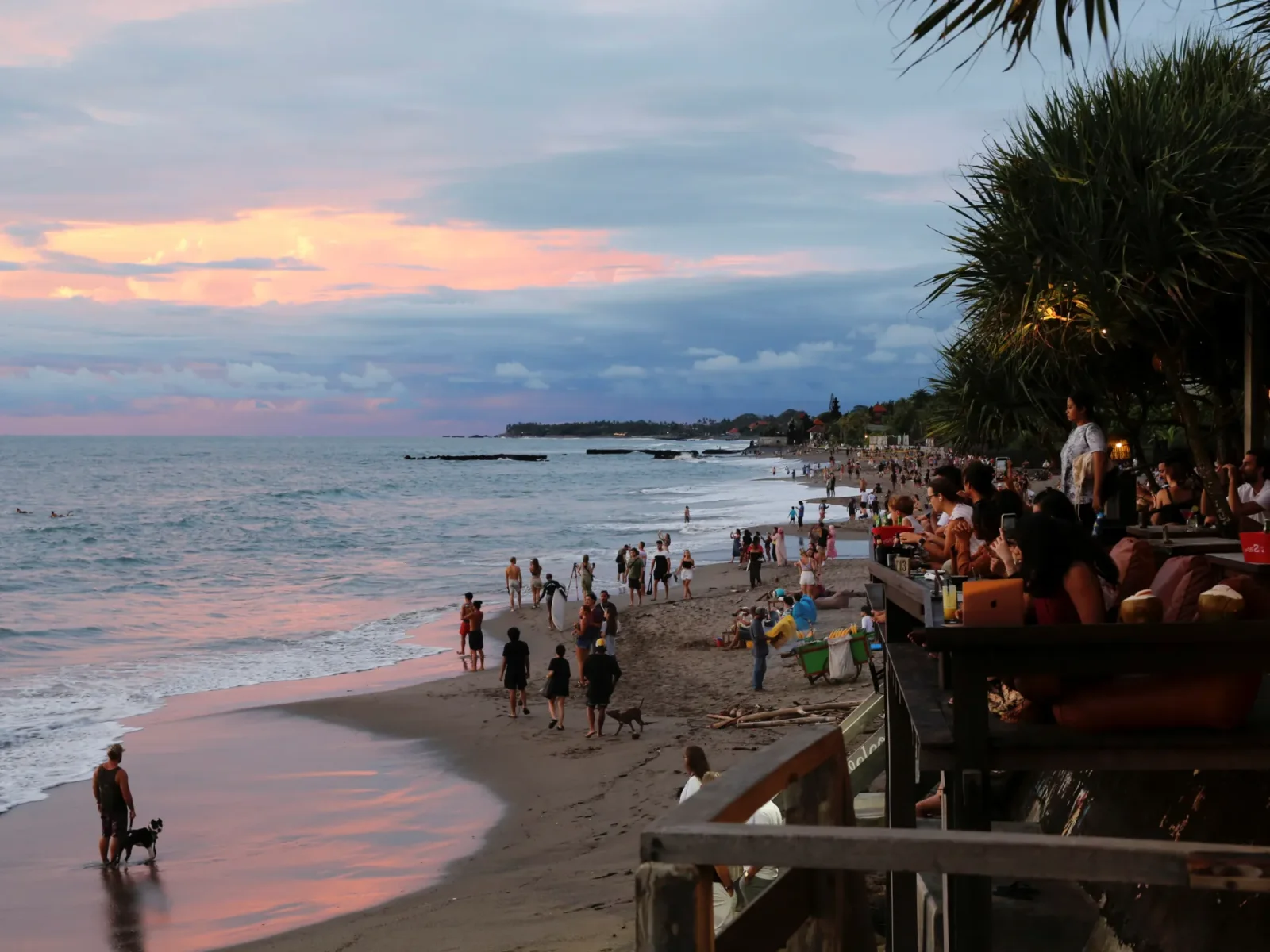
Locals in Bali are expressing frustration with the influx of Russians who have arrived on the island since the invasion of Ukraine, seeking refuge from the economic fallout of the war and the threat of conscription. Many have taken up work on the island without a legally-required work visa, leading to a crackdown by authorities and a backlash from locals who feel their jobs are being taken. The Balinese Provincial Government has formed a task force to crack down on undocumented workers, and an Instagram account has been set up to name and shame suspected illegal workers.